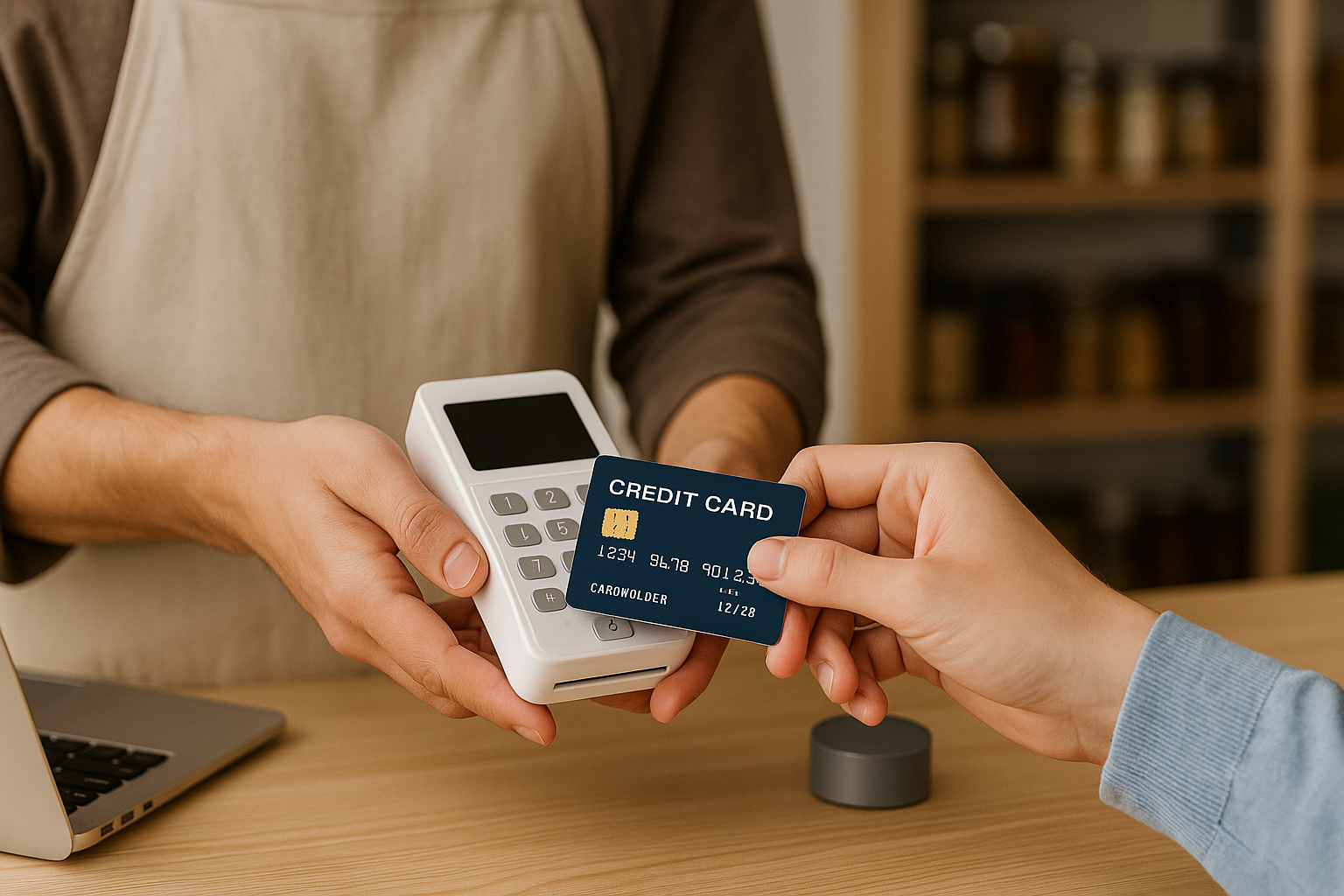
Accepting credit cards is no longer a luxury for small businesses—it is often an expectation. Whether you run a retail shop, restaurant, salon, consultancy, or online store, credit card processing can help you get paid faster, increase sales, and create a smoother customer experience. Still, understanding how credit card processing works and choosing the right solution can feel overwhelming.
This guide breaks down the essentials of credit card processing for small business owners, including how it works, the most common fees, the types of payment systems available, and how to choose the best provider for your needs.
What Is Credit Card Processing?
Credit card processing is the system that allows businesses to accept payments made with credit and debit cards. When a customer swipes, taps, inserts, or enters their card information, a series of secure steps takes place to approve the transaction and transfer the money to your business account.
In simple terms, the process connects four main parties:
- The customer, who makes the payment
- The business, which accepts the payment
- The payment processor, which handles the transaction
- The card network and bank, which authorize and move the funds
For small businesses, the right processing setup can reduce checkout friction, improve cash flow, and support sales both in person and online.
How Credit Card Processing Works
Although it happens in seconds, credit card processing includes several steps. Here is the basic flow:
- Payment initiation: A customer presents a card or enters card details.
- Authorization request: Your payment terminal or online checkout sends the transaction details to the processor.
- Bank approval: The card network checks with the customer’s bank to confirm the card is valid and funds are available.
- Approval or decline: The bank sends back a decision.
- Settlement: If approved, the transaction is batched and the funds are deposited into your business account, usually within one to three business days.
Behind the scenes, payment security tools help protect sensitive information. Many providers use encryption, tokenization, and fraud monitoring to reduce the risk of fraud and data breaches.
Types of Credit Card Processing Solutions
Small businesses have several options when it comes to accepting card payments. The best choice depends on how and where you sell.
In-Person Processing
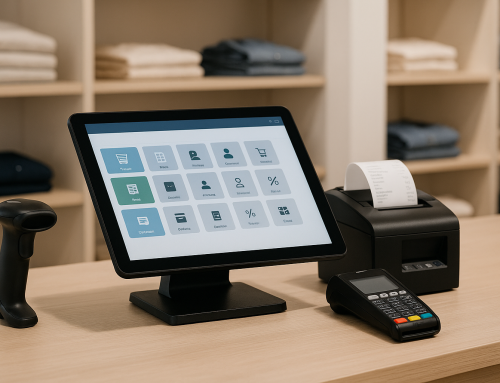
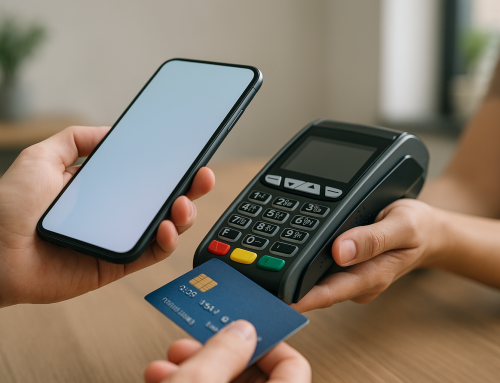
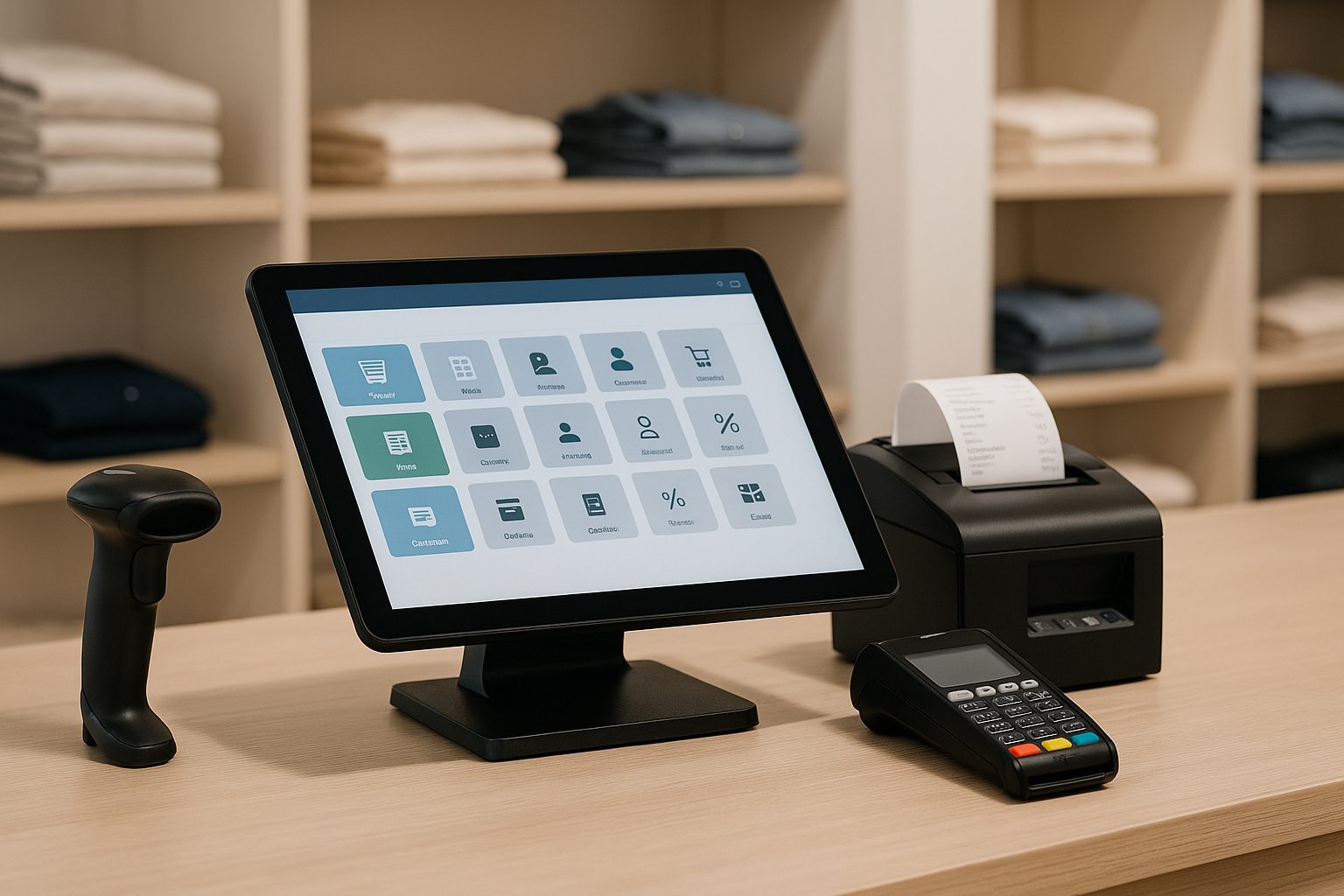
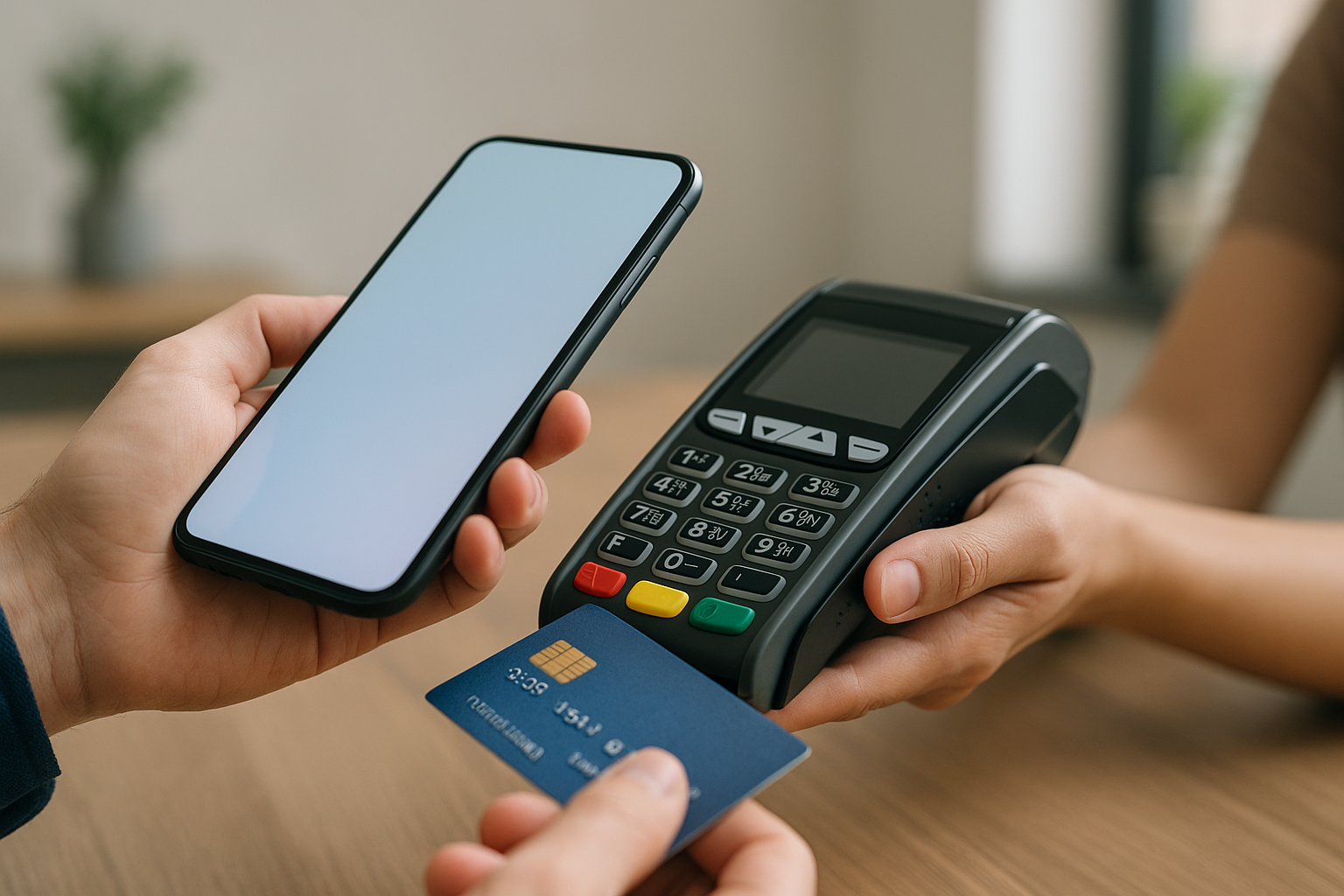
In-person processing is common for storefronts, restaurants, and service businesses. Customers pay using a card reader, countertop terminal, or mobile device. Many modern systems accept chip cards, contactless tap payments, and mobile wallets like Apple Pay and Google Pay.
Online Payment Processing
If you sell products or services online, you will need a payment gateway and an online checkout system. These tools let customers enter card details securely on your website or e-commerce platform. Online processing is essential for subscriptions, digital products, and remote service businesses.
Mobile Processing
Mobile payment systems are ideal for businesses on the go, such as food trucks, contractors, event vendors, and pop-up shops. A mobile card reader paired with a smartphone or tablet can turn almost any location into a point of sale.
Virtual Terminals
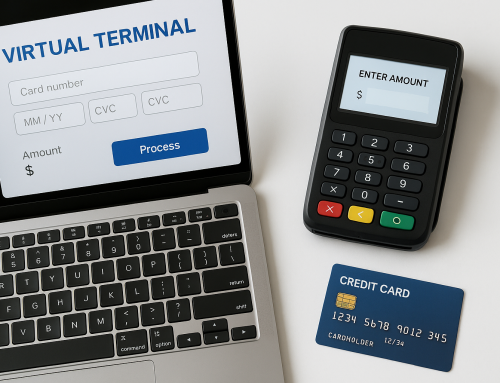
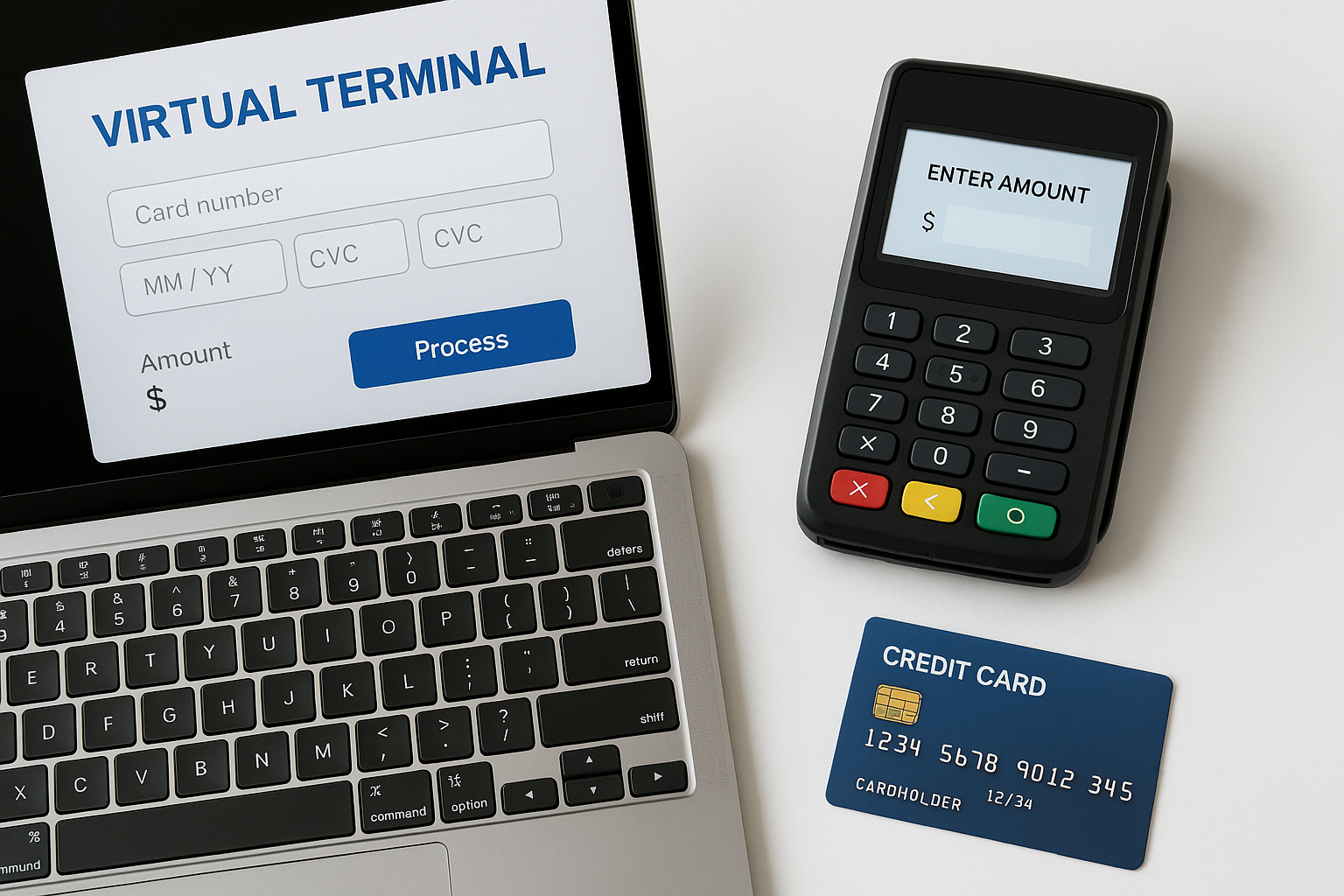
A virtual terminal allows you to manually enter card information using a computer or browser. This is useful for phone orders, invoice payments, and businesses that take payments remotely.
Common Credit Card Processing Fees
One of the biggest concerns for small business owners is cost. Credit card processing fees vary by provider, transaction type, and pricing model, but most fees fall into a few categories:
- Transaction fees: A percentage of the sale plus a flat fee
- Monthly fees: Charges for account access, reporting, or software
- Equipment fees: Costs for card readers, terminals, or POS hardware
- Chargeback fees: Fees charged when a customer disputes a transaction
- PCI compliance fees: Fees related to payment security standards
Some providers use flat-rate pricing, while others offer interchange-plus or tiered pricing. Flat-rate pricing is simpler and often works well for smaller businesses. Interchange-plus may offer better transparency and savings for businesses with larger volume or more consistent sales patterns.
Before signing up, ask for a full fee breakdown so you understand the total cost of acceptance, not just the advertised processing rate.
How to Choose the Right Payment Processor
Choosing a payment processor is about more than comparing rates. The best provider should fit your business model, sales channels, and growth goals.
Here are a few key factors to evaluate:
- Pricing transparency: Look for clear, easy-to-understand fees
- Payment methods supported: Make sure it accepts chip cards, tap payments, online payments, and digital wallets if needed
- Integration options: Check whether it connects with your POS system, accounting software, or e-commerce platform
- Deposit speed: Faster funding can help with cash flow
- Customer support: Responsive support matters when payment issues arise
- Security and compliance: Choose a provider that supports PCI compliance and fraud protection
- Scalability: Select a system that can grow with your business
If your business operates both online and in person, an all-in-one payments platform may simplify management and reporting.
Benefits of Accepting Credit Cards
For small businesses, credit card processing can offer more than convenience. It can directly impact sales and customer satisfaction.
- Increase sales: Customers are more likely to buy when they can pay the way they prefer
- Improve cash flow: Card payments are typically deposited quickly
- Boost average order value: Customers often spend more when using cards
- Enhance professionalism: Accepting cards can make your business look more established
- Reduce cash handling: Less cash means less counting, storage, and security risk
- Support remote sales: Credit card processing enables phone orders, invoicing, and online checkout
In competitive markets, the ability to accept cards smoothly can become a major advantage.
Tips for Reducing Credit Card Processing Costs
Processing fees are part of doing business, but there are ways to keep them under control.
- Compare pricing models: Don’t assume one rate structure is always cheaper
- Encourage card-present payments: In-person transactions are often less expensive than keyed-in or online payments
- Use modern equipment: EMV and contactless payments can reduce fraud risk
- Monitor chargebacks: Clear receipts, accurate descriptions, and strong customer service can help prevent disputes
- Review monthly statements: Watch for hidden or unexpected fees
- Negotiate if possible: Businesses with growing volume may qualify for better terms
The cheapest processor is not always the best. Reliability, support, and security are just as important as price.
Conclusion
Credit card processing is a vital tool for small businesses that want to grow, serve customers better, and streamline payments. By understanding how processing works, comparing fee structures, and choosing a provider that fits your business, you can build a payment system that supports both day-to-day operations and long-term success.
With the right setup, accepting cards can be simple, secure, and cost-effective—helping your small business stay competitive in a fast-moving marketplace.