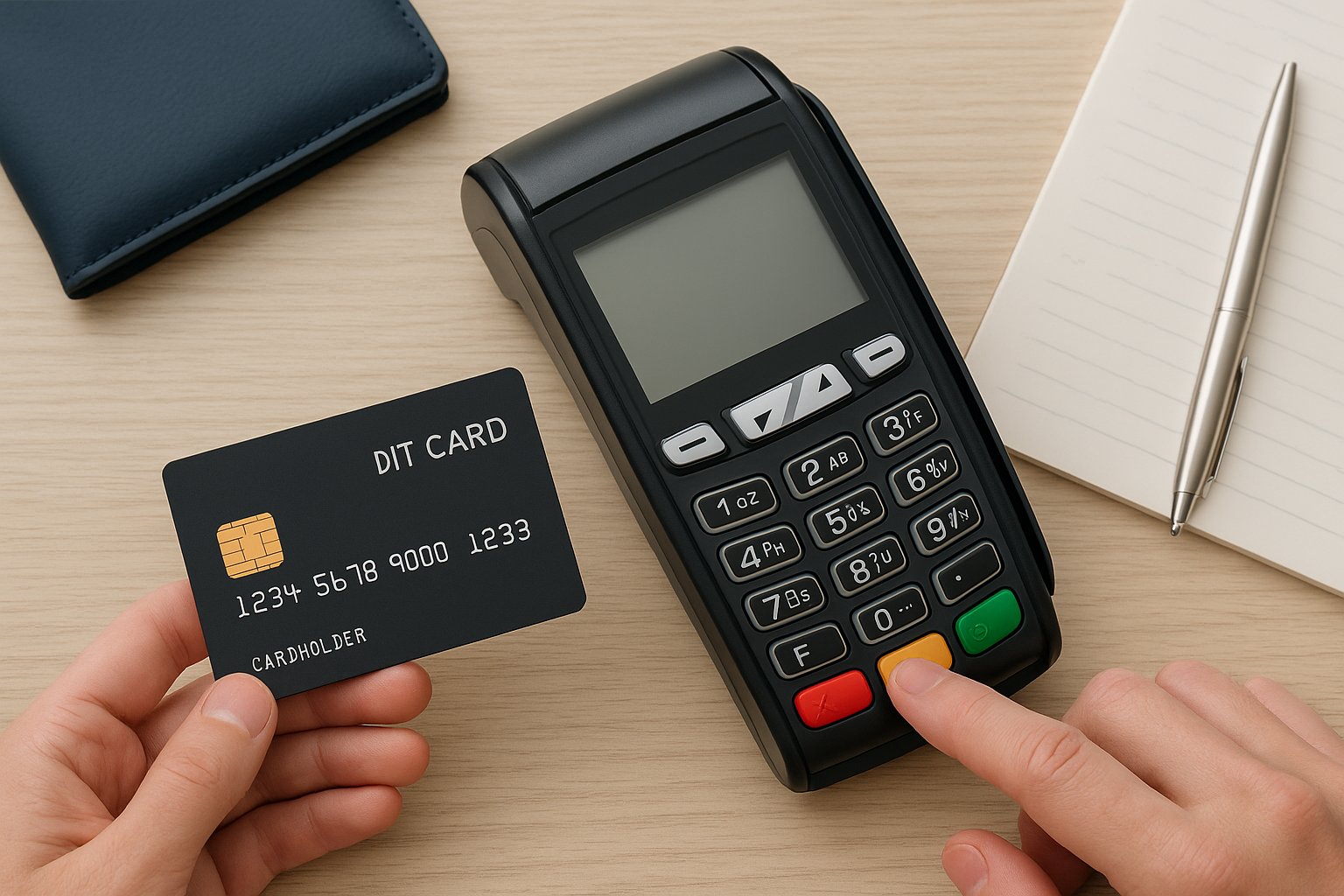
What Is Credit Card Processing?
Credit card processing is the system that allows businesses to accept card payments from customers and receive funds in their bank account. Behind every tap, swipe, or online checkout is a series of steps involving the customer, the merchant, the payment gateway, the processor, the card network, and the cardholder’s bank.
For businesses, understanding credit card processing is important because it affects cash flow, customer experience, and operating costs. Whether you run a retail store, restaurant, service business, or online shop, the ability to accept credit cards is often essential for growth.
How the Process Works
When a customer pays with a credit card, the transaction usually follows this flow:
- The customer presents a card in person or enters card details online.
- The payment gateway securely sends the information for authorization.
- The payment processor routes the transaction to the appropriate card network, such as Visa or Mastercard.
- The customer’s issuing bank approves or declines the charge.
- If approved, the payment is captured and later settled into the merchant’s account.
This process happens in just a few seconds, but several systems work together behind the scenes to make it possible.
Key Components of Credit Card Processing
To better understand how payments move from customer to merchant, it helps to know the main parts of the system.
Merchant Account
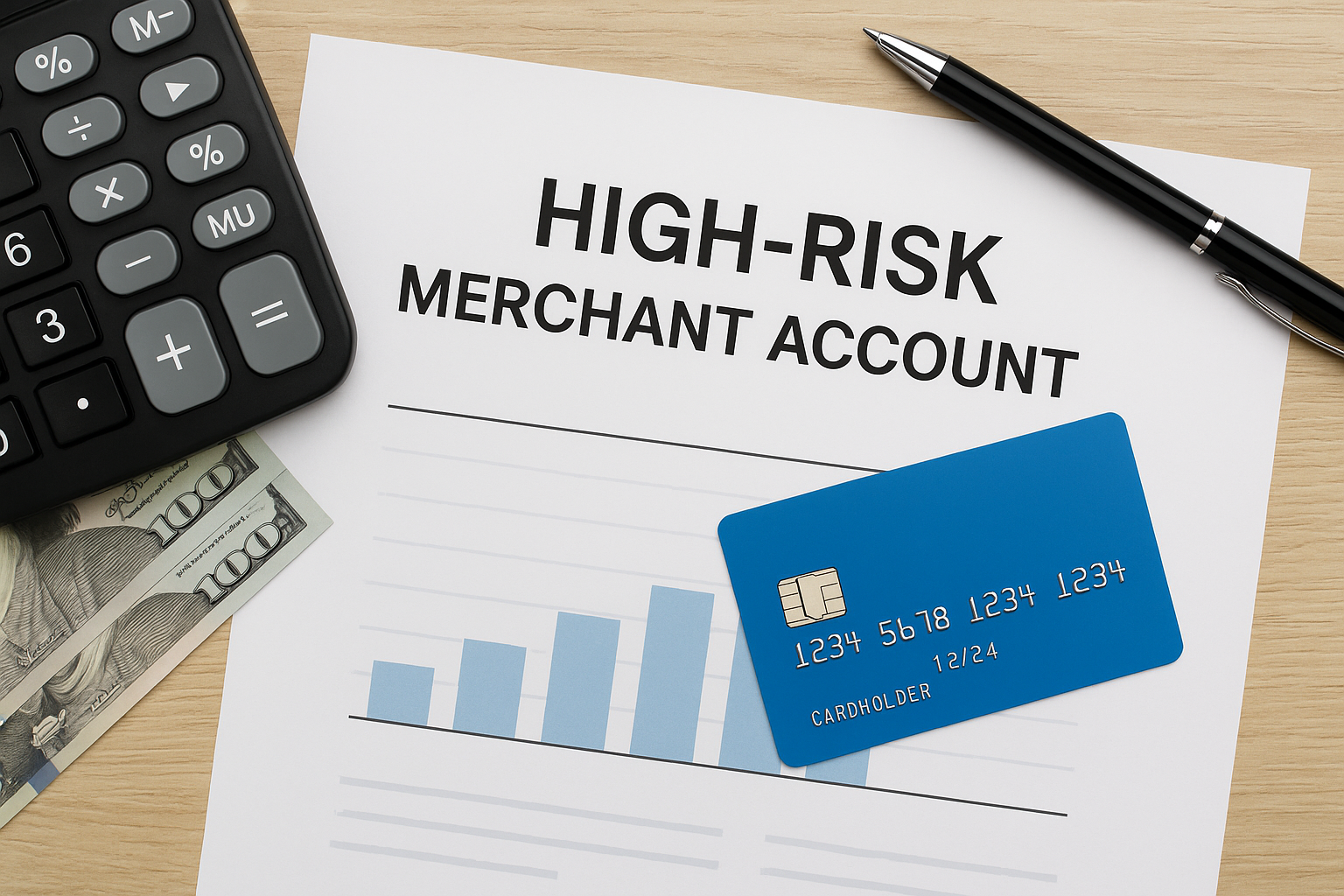
A merchant account is a type of account that temporarily holds card payments before they are transferred to your business bank account. Some providers bundle merchant account services into a broader payment solution, while others require a separate application.
Payment Processor
The payment processor handles the transmission of transaction data between your business, the card networks, and the banks involved. A reliable processor helps ensure transactions are fast, secure, and accurate.
Payment Gateway
A payment gateway is the tool that captures and encrypts card data, especially for online transactions. It acts like the digital version of a card reader by securely passing information to the processor.
Card Network and Issuing Bank
The card network, such as Visa, Mastercard, American Express, or Discover, connects the processor with the bank that issued the customer’s card. The issuing bank reviews the transaction and decides whether to approve it.
Types of Credit Card Transactions
Not all card payments work the same way. Businesses may accept payments in several formats, depending on how they sell products or services.
Card-Present Transactions
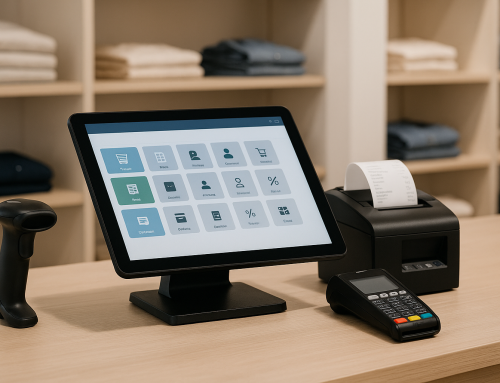
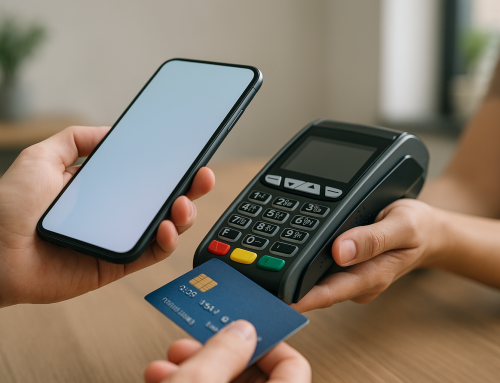
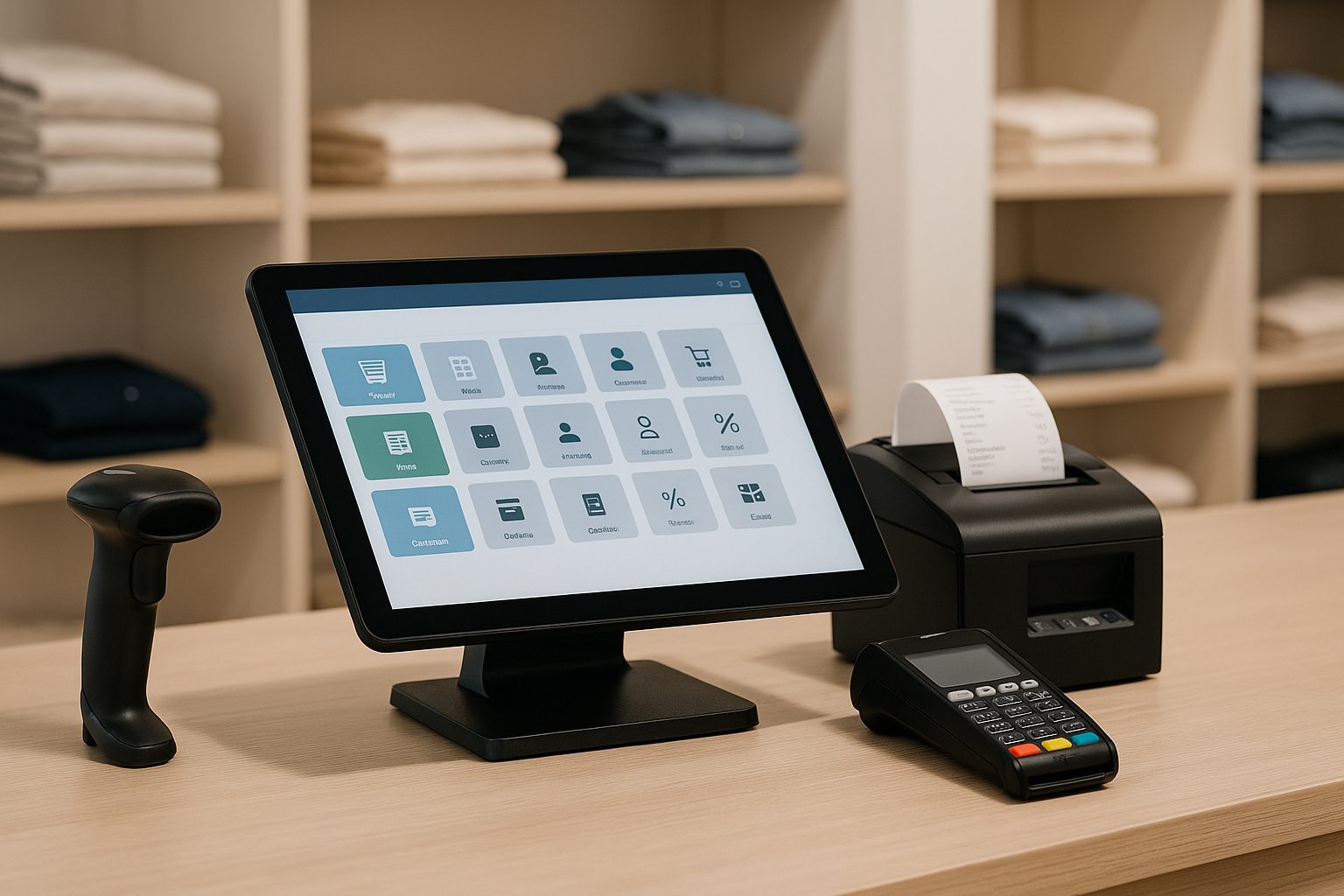
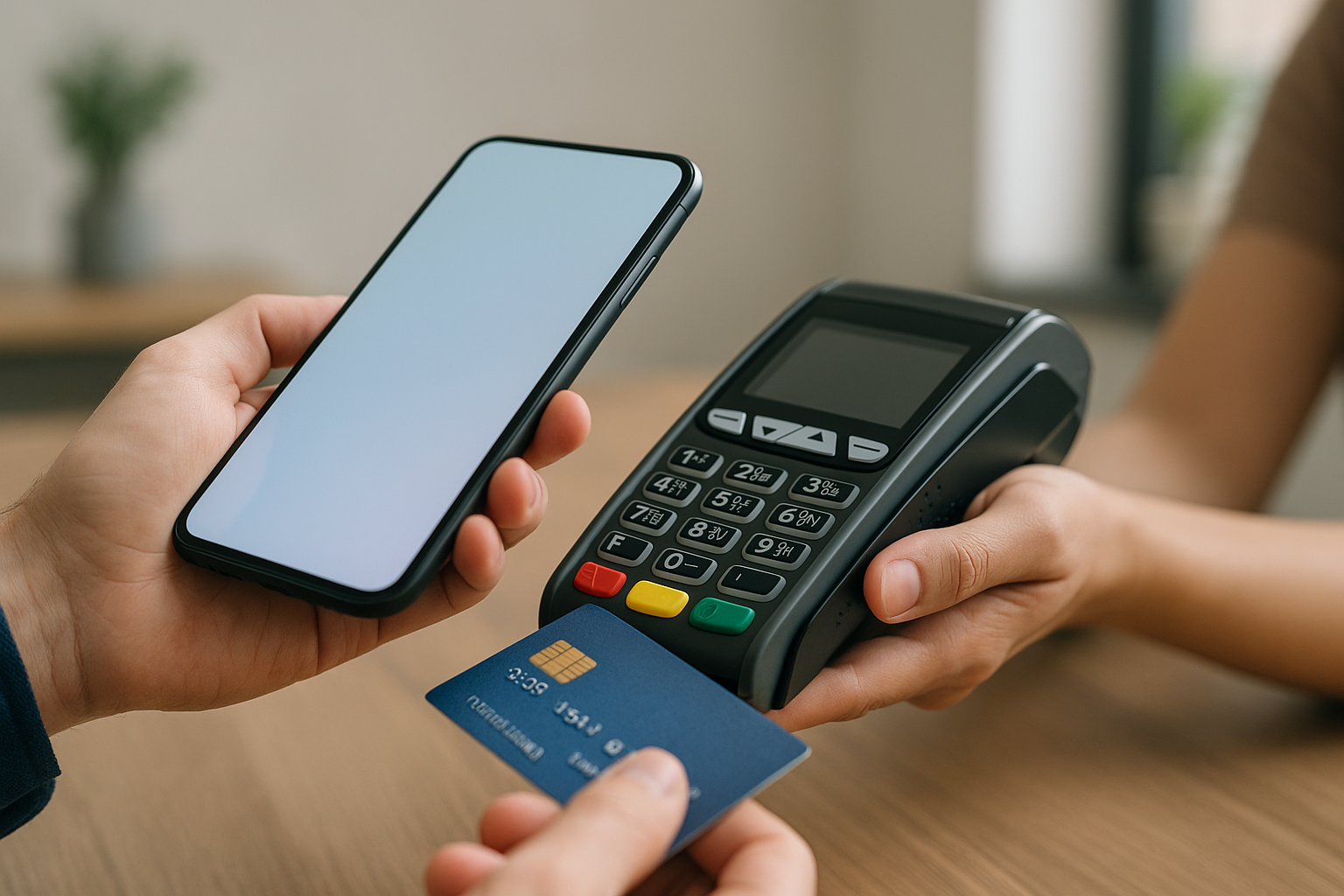
Card-present payments occur when the customer physically uses a card in your store, restaurant, or office. These include chip card, swipe, and contactless tap payments. Card-present transactions typically carry lower fraud risk and may have lower processing costs.
Card-Not-Present Transactions
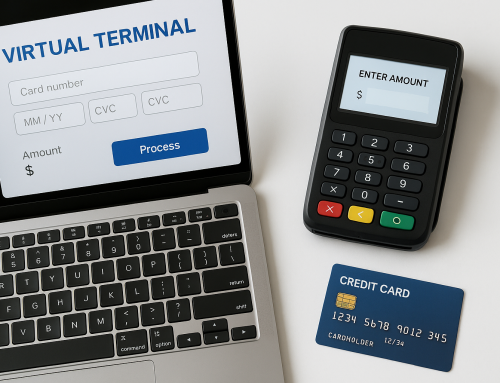
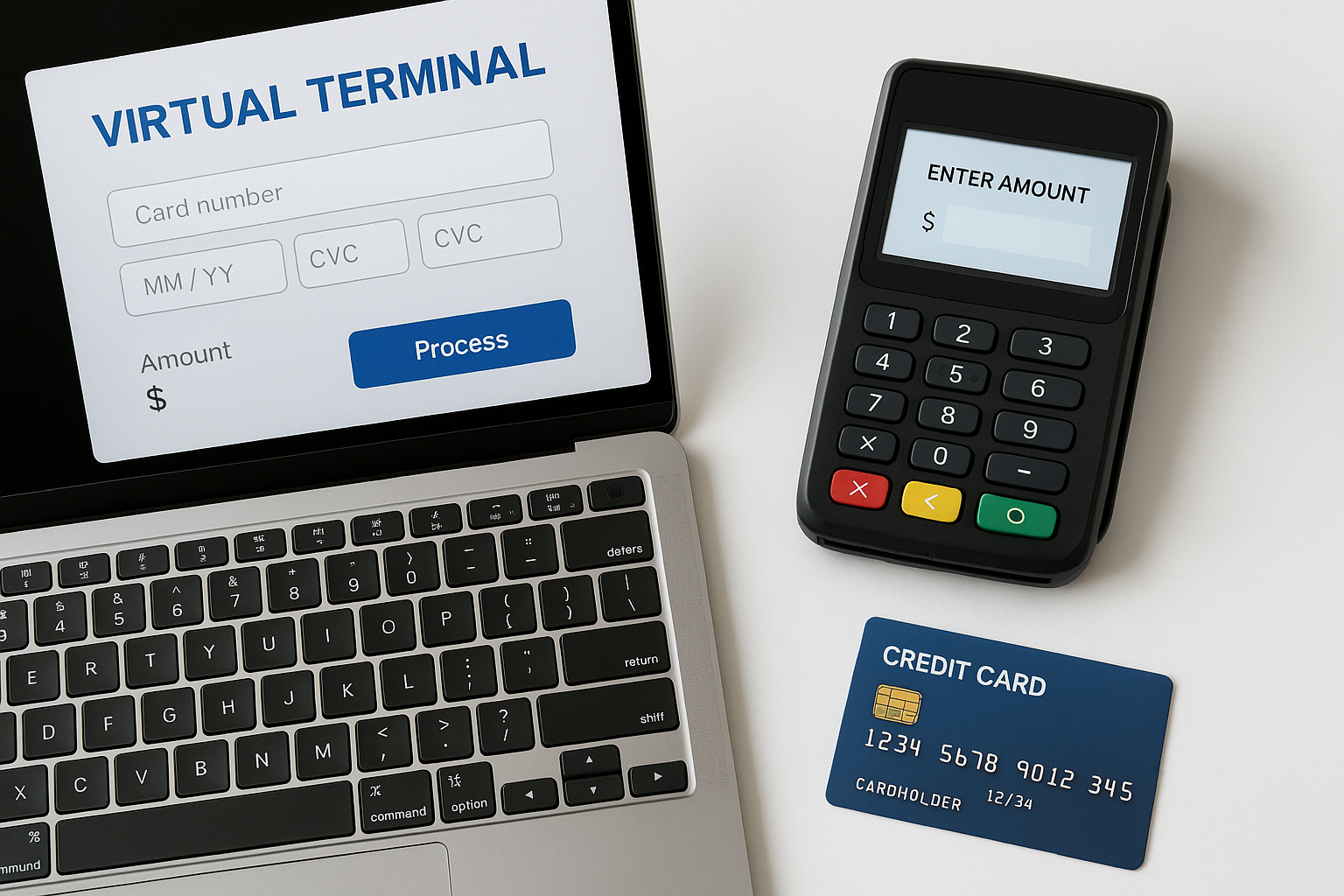
Card-not-present transactions happen when the card is not physically present, such as online orders, phone payments, or mailed invoices. These transactions can be more convenient, but they also carry a higher risk of fraud and chargebacks.
Recurring and Subscription Payments
Recurring payments allow businesses to charge customers automatically on a regular schedule. This model is common for membership sites, software subscriptions, service retainers, and other ongoing arrangements. A payment system with tokenization and saved billing profiles can make recurring billing easier to manage.
Understanding Credit Card Processing Fees
One of the most important parts of credit card processing is the fee structure. These costs can vary widely depending on your business type, sales volume, transaction method, and provider.
Common Fee Types
- Interchange fees: Fees paid to the cardholder’s issuing bank.
- Assessment fees: Charges collected by the card networks.
- Processor markup: The fee your payment processor adds for its services.
- Monthly fees: Fixed costs for account maintenance or software access.
- Chargeback fees: Penalties that may apply when a customer disputes a transaction.
Some providers use flat-rate pricing, while others offer interchange-plus pricing or tiered pricing. Flat-rate models are simpler to understand, but interchange-plus pricing may be more cost-effective for businesses with larger sales volumes.
How to Compare Pricing
When comparing providers, don’t focus only on the advertised rate. Review the full fee schedule, including setup fees, statement fees, gateway fees, PCI compliance fees, and cancellation terms. The lowest headline rate is not always the best value.
Security and Fraud Prevention
Credit card processing must be secure because payment data is highly sensitive. Businesses that accept cards are responsible for protecting customer information and reducing the risk of fraud.
PCI Compliance
The Payment Card Industry Data Security Standard, or PCI DSS, sets requirements for businesses that store, process, or transmit card data. Compliance includes using secure systems, limiting access to payment data, and maintaining proper security practices.
Encryption and Tokenization
Encryption protects card data as it moves through the payment system, while tokenization replaces sensitive information with a non-sensitive token. These tools help reduce the chance that card details are exposed if a system is compromised.
Fraud Detection Tools
Many processors offer built-in fraud prevention features such as address verification, CVV checks, velocity filters, and risk scoring. These tools can help businesses identify suspicious activity before it becomes a costly problem.
Choosing the Right Credit Card Processing Provider
The right provider depends on your business model, transaction volume, and technical needs. A good payment partner should support your current operations and scale with you as your business grows.
What to Look For
- Transparent pricing and clear contract terms
- Fast funding times
- Reliable customer support
- POS and ecommerce integration options
- Security features and PCI support
- Compatibility with recurring billing or invoicing
If you operate in multiple channels, choose a provider that can support in-store, online, and mobile payments from one account. This can simplify reporting and reduce administrative work.
Questions to Ask Before Signing Up
Before selecting a processor, ask how disputes are handled, whether there are cancellation fees, how long it takes to receive funds, and what happens if you need equipment replacements or software updates. A provider should be able to explain its services in plain language.
Best Practices for Smooth Payment Operations
Once you have a credit card processing solution in place, good payment management can help reduce errors and improve the customer experience.
Keep Checkout Simple
A fast, intuitive checkout process helps prevent abandoned sales. Reduce unnecessary steps, offer popular payment options, and make sure the payment terminal or online checkout is easy to use.
Monitor Transactions Regularly
Review daily batches, settlement reports, and chargeback activity. Monitoring payment activity makes it easier to catch errors, identify fraud patterns, and spot technical problems early.
Train Your Team
Employees should know how to process payments correctly, handle declined cards, and protect sensitive data. Proper training reduces mistakes and creates a more professional customer experience.
Update Your Systems
Payment technology changes over time, so it’s important to keep software and hardware updated. Regular updates can improve security, support new payment methods, and reduce compatibility issues.
Conclusion
Credit card processing is more than just accepting payments. It is a critical business function that affects how customers pay, how quickly you get funded, and how securely transactions are handled. By understanding the process, comparing fees carefully, and choosing a provider that fits your needs, you can build a payment system that supports both daily operations and long-term growth.