
Credit Card Processing for Law Firms
Clients increasingly expect the convenience of paying legal fees by card, whether they are paying a consultation fee, a retainer, or an invoice after work is complete. For law firms, accepting credit cards can improve cash flow, reduce billing delays, and create a better client experience. But legal payment processing also comes with unique ethical, operational, and security considerations that firms must address carefully.
This guide explains how credit card processing works for law firms, the benefits and risks, and the features to look for when choosing a payment solution that fits your practice.
Why Law Firms Accept Credit Card Payments
Many clients prefer paying by card because it is fast, familiar, and easy to track. For law firms, that convenience can translate into real business benefits.
First, credit card payments can shorten the time between sending an invoice and getting paid. Instead of waiting for mailed checks or manual bank transfers, firms can collect payment immediately through secure online links, in-office terminals, or recurring billing systems. This can be especially helpful for smaller firms, solo practitioners, and practices that handle high-volume matters with frequent billing cycles.
Second, accepting cards can reduce administrative burden. Staff spend less time following up on overdue balances and more time on legal work and client service. Third, payment flexibility may improve client satisfaction, especially when clients are already dealing with stressful legal matters and appreciate simple, modern payment options.
How Credit Card Processing Works for Legal Practices
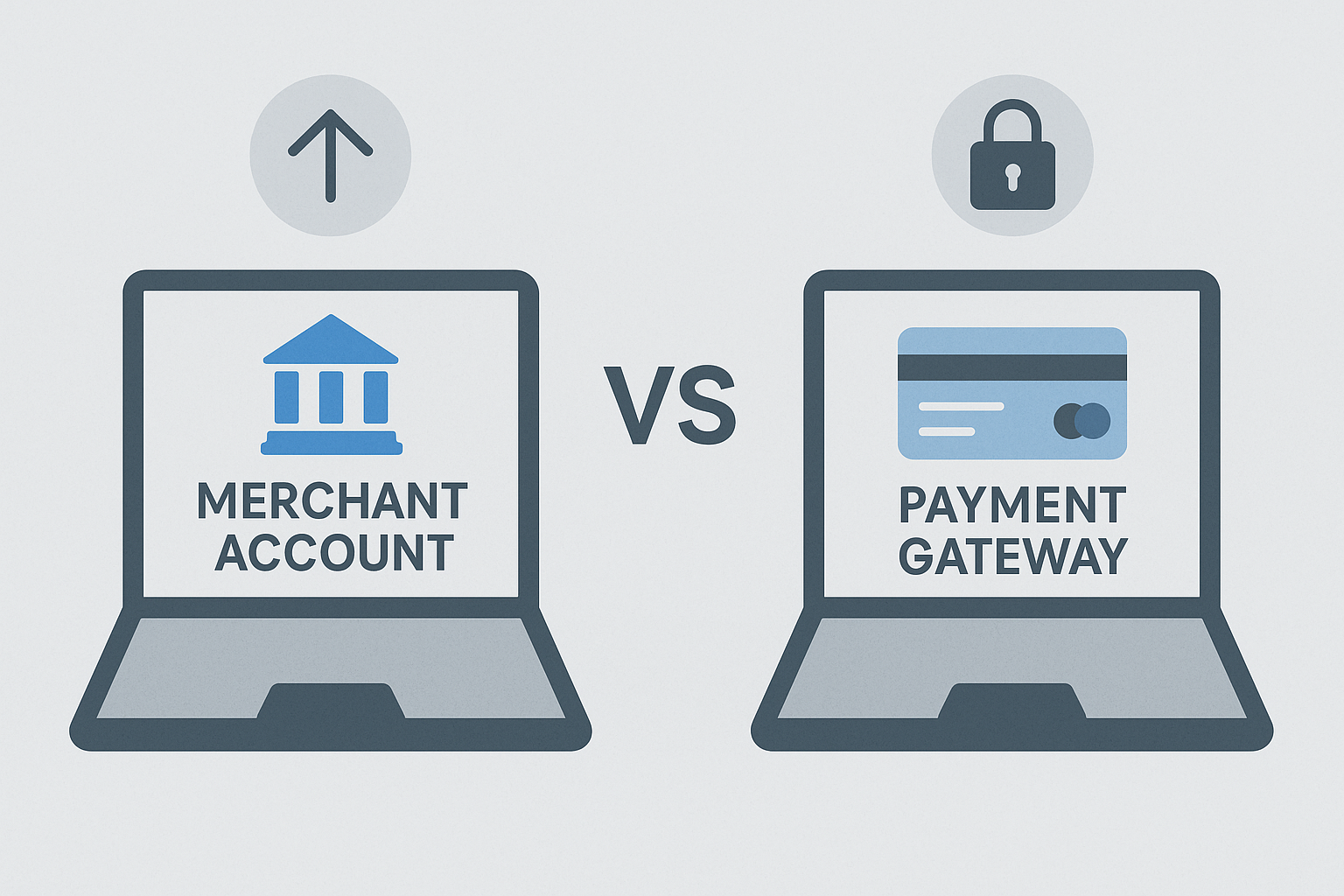
At a basic level, a payment processor acts as the middle layer between the client’s card issuer, the firm’s bank account, and the software used to initiate the transaction. When a client pays an invoice, the processor authorizes the charge, moves the funds, and deposits the money into the firm’s account, usually within one to three business days.
Law firms often use one or more of the following payment methods:
- Online payment links included in invoices or emailed directly to clients
- Card terminals in the office for in-person payments
- Virtual terminals for staff who need to enter card details manually
- Recurring payments for retainers, payment plans, or ongoing matters
The right setup depends on the firm’s size, billing model, and client communication style. A litigation practice may need flexible invoicing and trust accounting support, while a consumer law firm may prioritize mobile payments and online checkout.
Important Compliance Considerations
Law firms must handle payment processing with extra care because of trust accounting rules, confidentiality obligations, and state bar requirements. In many jurisdictions, firms may accept card payments for earned fees and costs, but advance retainers held in trust can require special handling.
One key issue is how processing fees are treated. Some firms choose to absorb card fees, while others pass them on to clients when allowed by law and by the card network rules. Before doing either, the firm should confirm that its policy complies with local ethics rules and clearly disclose any surcharge or convenience fee in advance.
Another concern is client funds. If a payment is meant for a trust account, the firm must ensure the processor and accounting workflow properly separate operating funds from unearned funds. Mishandling trust money can create serious compliance problems, so firms should work with a provider that understands legal billing structures.
Finally, firms should avoid storing sensitive card data unnecessarily. Using PCI-compliant tools and secure payment portals helps reduce risk and protects both the firm and its clients.
Benefits of Credit Card Processing for Law Firms
Faster Cash Flow
One of the biggest advantages is faster access to funds. When clients can pay instantly, firms spend less time waiting on receivables and can better manage payroll, overhead, and case-related expenses.
Improved Client Convenience
Clients value easy payment options. Offering cards can make it simpler to pay a retainer, cover a consultation fee, or settle an invoice without mailing paperwork or calling the office during business hours.
Reduced Collections Pressure
Accepting cards can lower the need for repeated follow-up calls and reminders. A streamlined payment process often leads to fewer overdue balances and a better overall client relationship.
Professional Image
Modern payment options signal that the firm is organized, responsive, and client-focused. That can be especially useful when competing with other firms in a crowded market.
Challenges and Risks to Watch For
Although card payments offer many advantages, law firms should be aware of the potential downsides.
Processing fees can add up, especially for firms with large transactions or high payment volumes. Even small percentage-based fees can affect margins if they are not planned for in the firm’s pricing strategy.
Chargebacks are another risk. If a client disputes a charge, the firm may need to provide documentation showing that the fee was valid and authorized. Clear engagement letters, invoices, and payment records are essential.
Trust accounting complexity is a major issue for legal practices. Not every payment should go straight to operating revenue, and a processor that lacks legal-specific features can create accounting headaches.
Data security also matters. A breach involving client financial information can damage trust and expose the firm to liability. Security should be a top priority when selecting any payment provider.
Features to Look for in a Payment Processor
Not all payment systems are suitable for legal practices. When evaluating providers, law firms should look for features that support billing accuracy, compliance, and ease of use.
- PCI compliance and strong encryption
- Trust accounting support or legal-specific bookkeeping integrations
- Invoice payment links for online billing
- Transparent pricing with no hidden fees
- Recurring billing for retainers and installment plans
- Accounting and practice management integrations
- Mobile-friendly payment options for clients on the go
- Fraud prevention tools and chargeback support
Firms should also ask whether the processor has experience serving attorneys or other regulated professionals. A provider that understands legal workflows may be better equipped to support compliance and reporting needs.
Best Practices for Law Firms Accepting Cards
To get the most value from credit card processing, firms should create clear internal policies and communicate them to clients.
Start by updating engagement letters and fee agreements so clients understand when cards are accepted, whether processing fees apply, and how payments are allocated between operating and trust accounts. Clear terms help avoid disputes later.
Train staff on proper payment handling, especially when entering card details over the phone or applying funds to invoices. Limited access and consistent procedures reduce mistakes.
It is also smart to use payment tools that integrate with your billing software. Integration reduces manual entry, improves reconciliation, and helps ensure that trust and operating funds are recorded correctly.
Finally, review your payment process regularly. As your firm grows, your billing needs may change, and your processor should scale with you.
Conclusion
Credit card processing can be a powerful tool for law firms that want to improve cash flow, simplify billing, and offer clients a more convenient way to pay. The key is choosing a secure, compliant solution that fits the firm’s legal and financial responsibilities. With the right provider and clear internal policies, accepting cards can support both better client service and stronger business operations.