What Is PCI Compliance?
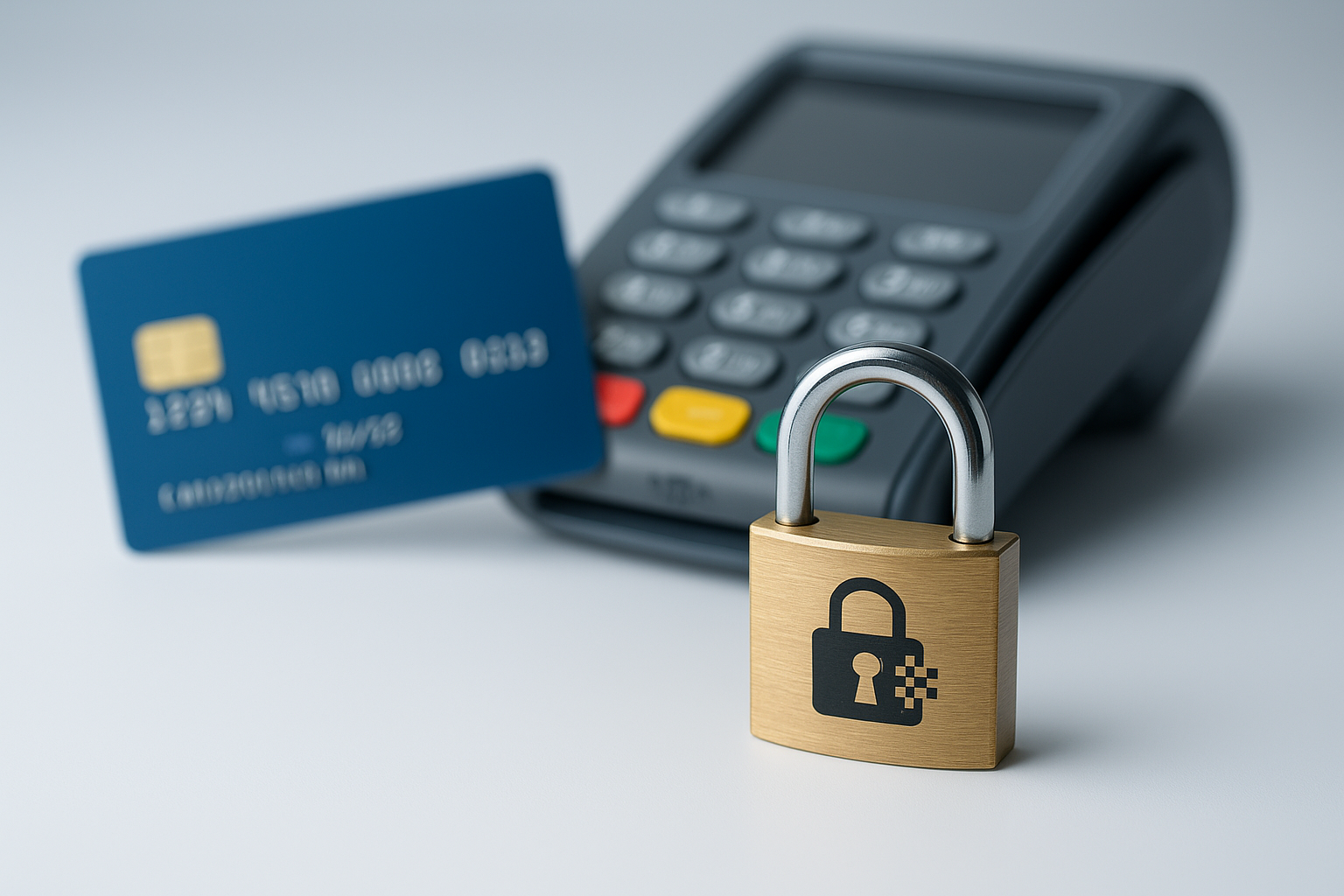
PCI compliance refers to following the Payment Card Industry Data Security Standard (PCI DSS), a set of security requirements created to protect credit and debit card information. If your business stores, processes, or transmits cardholder data, PCI compliance helps reduce the risk of fraud, data breaches, and costly penalties.
In simple terms, PCI compliance is about proving that your payment systems and business practices are secure enough to handle card payments responsibly. Whether you run an online store, a restaurant, a service business, or a large enterprise, PCI compliance matters any time you accept card payments.
Why PCI Compliance Matters
Payment card data is a valuable target for cybercriminals. A single breach can expose customer information, damage your reputation, and lead to major financial losses. PCI compliance provides a baseline security framework that helps businesses protect sensitive data and build trust with customers.
It also matters because many banks, payment processors, and card brands require it. If a business fails to comply, it may face fines, increased transaction fees, audits, or even the loss of payment processing privileges.
What Is PCI DSS?
PCI DSS is the official standard behind PCI compliance. It was developed by the major payment card brands to create a unified security approach for businesses that handle cardholder data. The standard is updated over time to address evolving threats and security risks.
PCI DSS focuses on protecting card data through technical controls, policies, and ongoing monitoring. It is not a one-time certification that lasts forever; instead, businesses must maintain compliance continuously.
The 12 PCI DSS Requirements
PCI DSS is built around 12 core requirements grouped into six goals. These requirements form the foundation of a secure payment environment.
1. Build and Maintain a Secure Network
This includes installing and maintaining firewalls and avoiding default vendor passwords and security settings. Strong network protections help prevent unauthorized access to cardholder data.
2. Protect Cardholder Data
Businesses must safeguard stored card data and encrypt data sent over public networks. If card information is not protected, it becomes much easier for attackers to steal it.
3. Maintain a Vulnerability Management Program
Anti-virus software, patch management, and secure development practices help reduce software vulnerabilities. Keeping systems updated is essential for reducing risk.
4. Implement Strong Access Control Measures
Only authorized personnel should be able to access cardholder data. PCI DSS requires businesses to limit access based on job role and use unique IDs for each user.
5. Regularly Monitor and Test Networks
Logging, monitoring, and testing help detect suspicious activity and security weaknesses. Regular scans and assessments are a key part of ongoing compliance.
6. Maintain an Information Security Policy
Employees should understand security expectations and follow documented policies. Training and clear procedures help reduce the chance of human error.
Who Needs PCI Compliance?
Any organization that accepts, stores, processes, or transmits payment card data may need to comply with PCI DSS. This includes small businesses, e-commerce sites, subscription services, nonprofits, and enterprise-level retailers.
Even if you use a third-party payment processor, you may still have PCI obligations depending on how your business handles transactions. For example, if your website sends customers to a hosted payment page, your requirements may be simpler than if you store card data yourself. However, you are rarely exempt from responsibility altogether.
The Four PCI Compliance Levels
PCI compliance requirements vary based on the number of card transactions a business processes annually. Merchants are typically placed into one of four levels.
- Level 1: Very large merchants with the highest transaction volume.
- Level 2: Mid-sized merchants with substantial transaction activity.
- Level 3: Merchants processing online transactions within a moderate range.
- Level 4: Smaller businesses with lower annual transaction volumes.
Higher levels usually require more formal assessments, including external audits or detailed security reviews. Lower levels may be able to complete self-assessment questionnaires, but the exact process depends on the payment brands and acquiring bank.
How to Become PCI Compliant
Becoming PCI compliant usually starts with understanding your payment environment and identifying where cardholder data is stored, processed, or transmitted. From there, you can take steps to reduce the scope of compliance and strengthen security.
Common steps include:
- Using a secure payment processor or hosted checkout page
- Encrypting sensitive data
- Updating software and systems regularly
- Restricting access to cardholder data
- Using strong passwords and multi-factor authentication
- Running vulnerability scans and security tests
- Documenting policies and training employees
Many businesses also work with qualified security professionals or compliance partners to ensure they meet the right requirements. The best approach depends on your company size, transaction volume, and technical setup.
Common PCI Compliance Mistakes
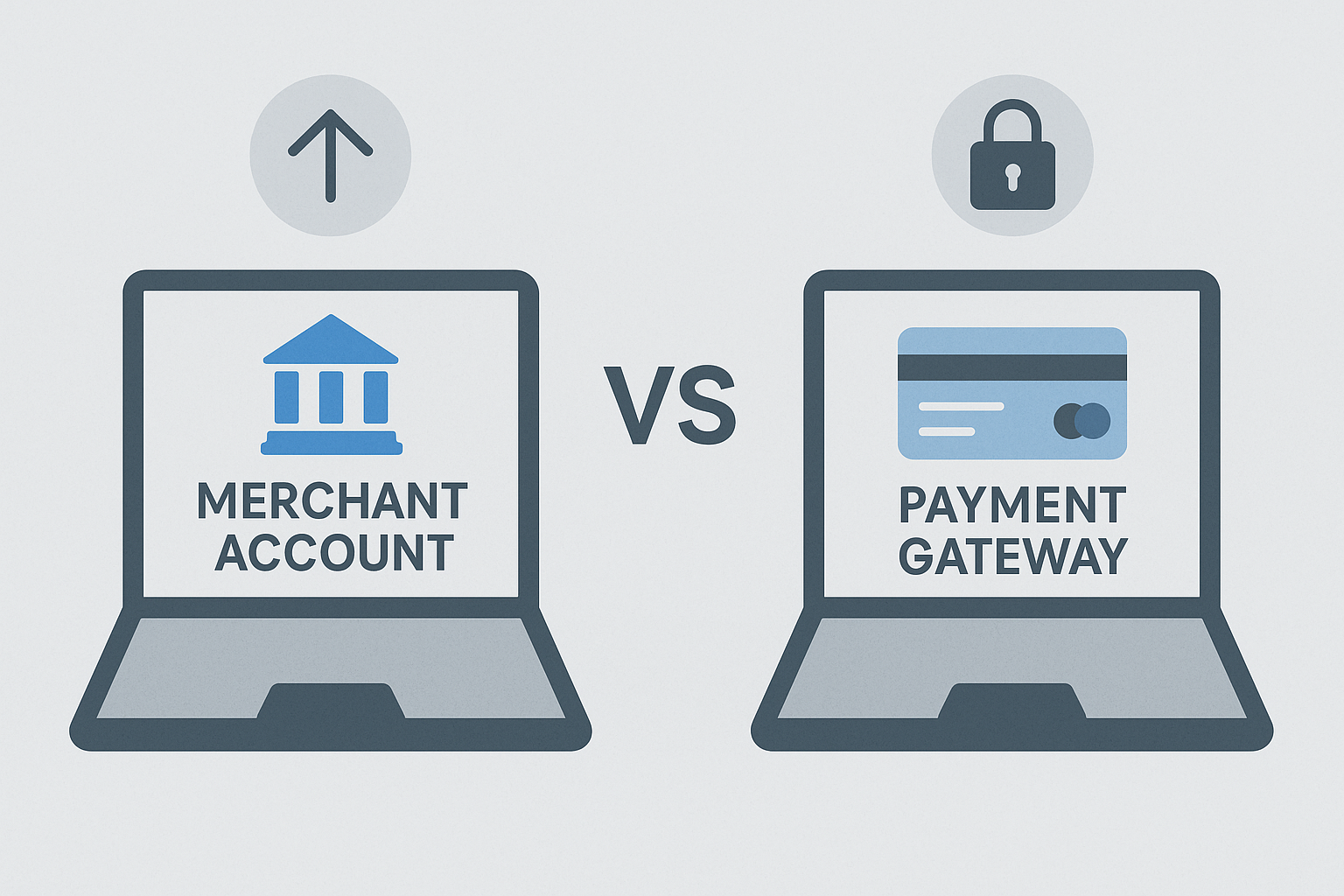
Many businesses struggle with PCI compliance because they underestimate how sensitive card data can be. Some of the most common mistakes include storing data unnecessarily, using weak passwords, ignoring software updates, and assuming that a payment gateway makes them fully exempt.
Another frequent issue is failing to maintain compliance year-round. PCI compliance is not just about passing an annual check; it requires consistent attention to security controls, monitoring, and employee awareness.
Benefits of PCI Compliance
While PCI compliance is often seen as a requirement, it also offers real business benefits. A secure payment environment can reduce fraud risk, lower the likelihood of breaches, and improve customer confidence.
Businesses that follow PCI DSS often benefit from better security practices overall. The standard encourages stronger access control, safer data handling, and more reliable monitoring, all of which contribute to a healthier IT environment.
Short Conclusion
PCI compliance is an essential part of protecting payment card data and maintaining trust with customers. By following PCI DSS requirements and keeping security practices up to date, businesses can reduce risk and handle card payments more responsibly.
If your business accepts card payments, PCI compliance should be treated as an ongoing priority, not a one-time task.