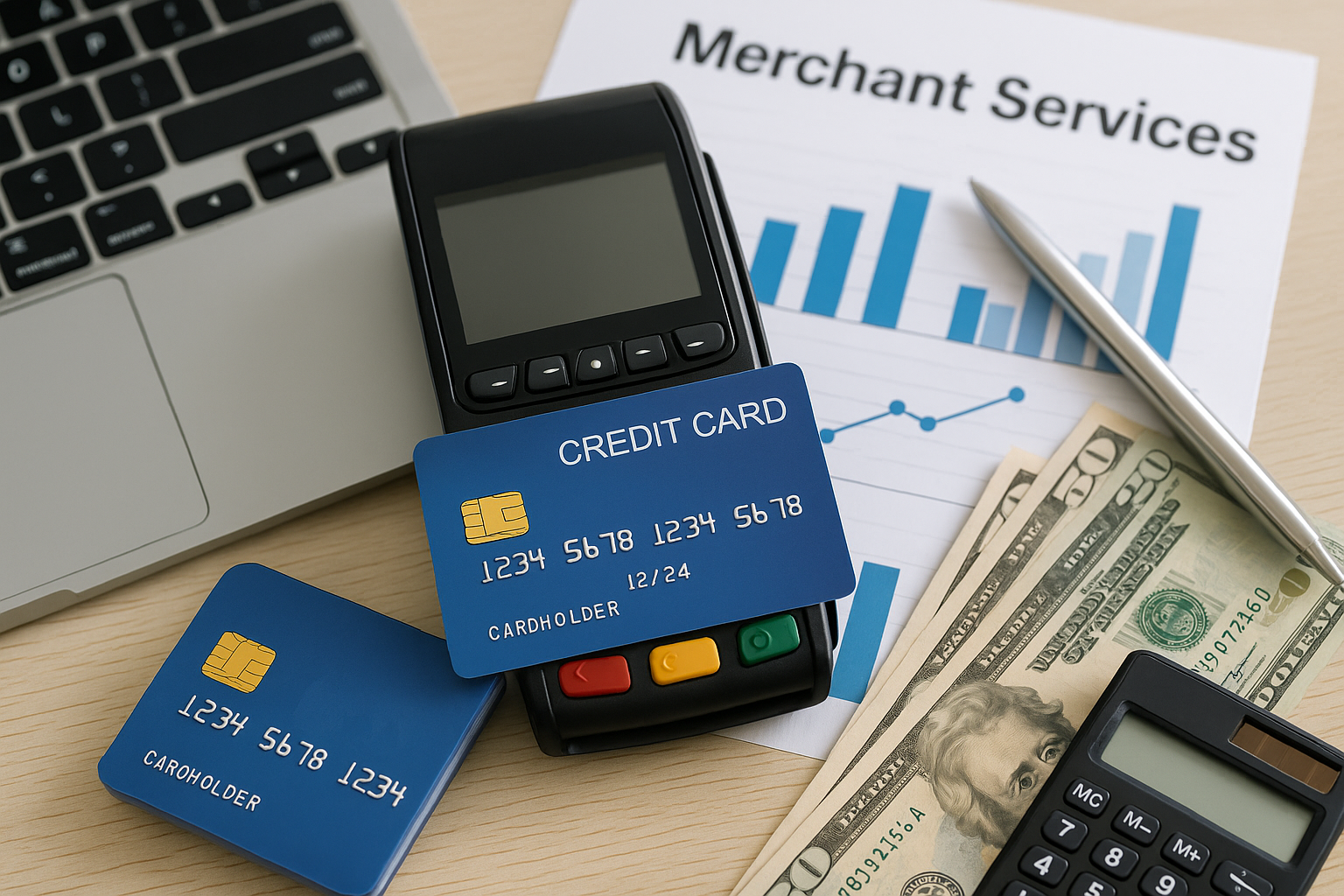
What are Merchant Services?
Merchant services are the financial and technical systems that let businesses accept and process electronic payments from customers. They include payment processing, merchant accounts, point-of-sale (POS) systems, payment gateways for online sales, and often value-added services like fraud protection, reporting tools, and chargeback management. Whether you run a retail store, an online shop, or a service business, merchant services are the backbone of modern commerce.
Core components
- Payment processing: The technology that authorizes and settles card payments.
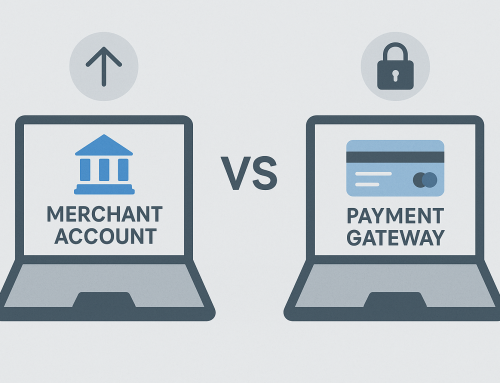
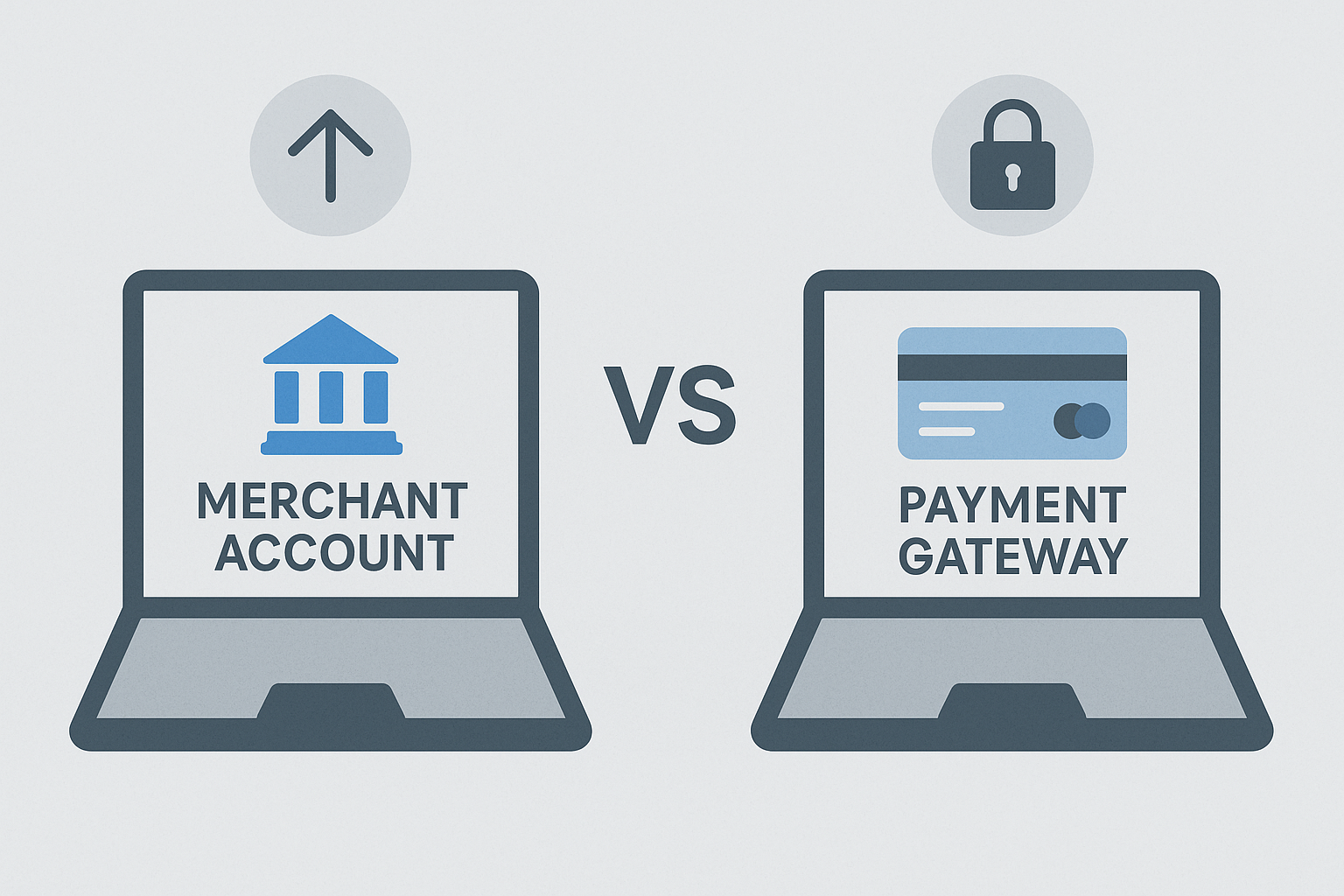
- Merchant account: A bank account that holds card payments before they are deposited into your business account.
- Payment gateway: The online equivalent of a card terminal that securely transmits card details for eCommerce.
- POS system: Hardware and software used at checkout in physical locations.
- Security and compliance: Measures like PCI DSS and tokenization to protect cardholder data.
Types of Merchant Services
Card Payment Processing
Traditional card processing lets customers pay with credit and debit cards in-store or online. Transactions are routed from the merchant to the card networks and issuing banks, then settled into your account. Modern processors support EMV chip, contactless (NFC), and magnetic stripe payments.
Point-of-Sale (POS) Systems
POS systems combine hardware (like terminals, barcode scanners, and receipt printers) with software that manages sales, inventory, and customer data. Cloud-based POS solutions offer mobility, multi-location management, and integration with accounting and CRM tools.
eCommerce Payment Gateways
Payment gateways securely capture and transmit online card data to processors. Many gateways also offer tokenization, saved payment methods, and integrations with shopping carts, subscription platforms, and fraud detection services.
Mobile and Contactless Payments
Mobile payment solutions let businesses accept payments via smartphones or tablets. Contactless payments using Apple Pay, Google Pay, and contactless cards are increasingly common and speed up checkout.
ACH, Recurring Billing, and Invoicing
For businesses with subscription models or large transactions, ACH debits and recurring billing reduce card fees and simplify repeat payments. Invoicing tools enable email or portal-based bill payment with links to secure checkout pages.
How Merchant Services Work
Payment flow simplified
- Customer presents payment (card, mobile wallet, or ACH).
- Merchant captures payment data via POS or gateway and sends an authorization request.
- The processor routes the request to the card network and issuing bank for approval.
- If approved, the sale completes and funds are later settled into the merchant account and deposited to the business bank account.
Security & compliance
Security is critical. Merchant services providers should offer PCI DSS compliance help, encryption, tokenization, and fraud-scoring tools. These features reduce the risk of data breaches and limit liability from fraudulent transactions.
Choosing a Merchant Services Provider
Fees and pricing
Compare pricing models: interchange-plus, flat-rate, or subscription-based. Look beyond headline rates to see monthly fees, chargeback fees, setup costs, and hardware leases. Transparent providers clearly break down interchange charges and their markup.
Integration and compatibility
Ensure the provider integrates with your POS, eCommerce platform, accounting software, and any booking or CRM systems you use. Good integrations save time and reduce data-entry errors.
Security features
Prioritize providers offering tokenization, end-to-end encryption, and strong fraud prevention. Check if they assist with PCI compliance and provide useful reporting tools for monitoring suspicious activity.
Support and contract terms
Reliable technical support is essential—look for 24/7 assistance and local support if you need on-site hardware help. Also review contract length, early termination fees, and equipment return policies.
Common Fees and Pricing Models
Interchange-plus
Interchange-plus charges the actual interchange fee set by card networks plus a fixed markup. It’s transparent and often best for mid-to-large businesses with higher volume.
Flat-rate
Flat-rate pricing charges one percent-plus-per-transaction rate regardless of card type. It’s simple and predictable for small businesses with mixed transaction types.
Subscription or hybrid models
Some providers charge a monthly subscription for gateway access plus lower per-transaction fees. This can be cost-effective for businesses with consistent volumes.
Benefits of Good Merchant Services
- Faster, more reliable payments and improved cash flow.
- Reduced fraud and chargeback exposure through security tools.
- Streamlined operations with integrated POS, inventory, and accounting.
- Better customer experience with multiple payment options and faster checkout.
Tips for Small Businesses
- Shop multiple providers and ask for a full fee breakdown.
- Test customer support responsiveness before signing a contract.
- Consider hardware compatibility and the cost of upgrades or replacements.
- Use tokenization and PCI guidance to reduce compliance burden.
- Monitor monthly statements to catch hidden fees or billing errors early.
Future Trends in Merchant Services
Expect continued growth in contactless and mobile payments, wider adoption of tokenization and biometric authentication, and deeper integrations between payments, loyalty, and CRM systems. AI-driven fraud detection and real-time analytics will become standard tools for optimizing payments and customer experience.
Conclusion
Merchant services are essential for any business that accepts electronic payments. By understanding the components, pricing models, and key selection criteria, you can choose a provider that improves cash flow, reduces fraud risk, and enhances customer experience. Compare options carefully, prioritize security and integrations, and keep an eye on emerging trends to stay competitive.