
Introduction
Accepting credit cards is essential for modern businesses, but the payment ecosystem behind that simple swipe or tap can seem complicated. This post breaks down credit card processing into clear parts: how it works, typical fees, how to choose a processor, practical best practices, and future trends to watch. Whether you’re a small brick-and-mortar shop or an online store, understanding these elements helps you reduce costs, prevent fraud, and improve checkout conversion.
How Credit Card Processing Works
At a high level, credit card processing is the sequence of steps that moves payment information from a customer to the merchant’s bank, verifies funds, and settles the transaction. Several parties and systems collaborate to make this happen in seconds.
Key Participants
- Cardholder — the customer who presents the card or card information.
- Merchant — the business accepting the card payment.
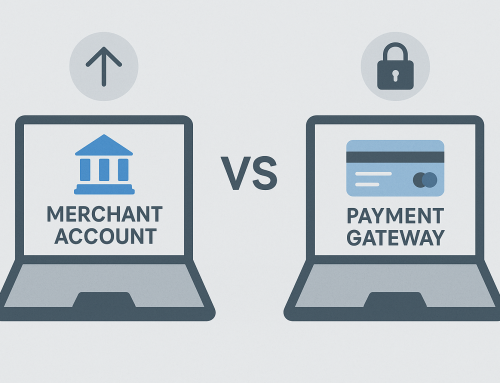
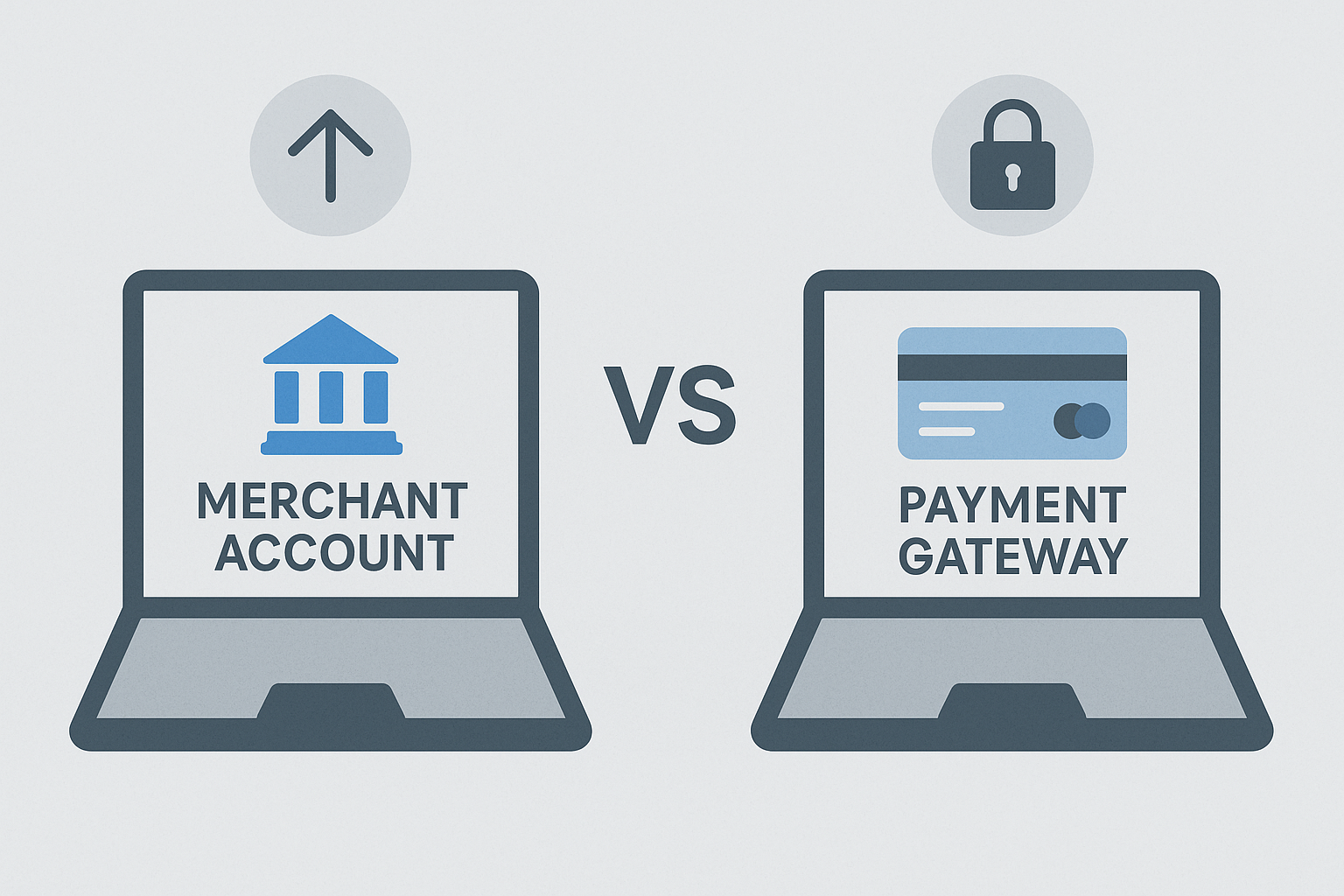
- Payment Gateway — the technology that securely transmits card data from the merchant to the processor (common for online transactions).
- Payment Processor — the company that routes the transaction, communicates with card networks, and coordinates authorization.
- Card Network — Visa, Mastercard, American Express, Discover; networks that route transactions between banks and set rules.
- Issuing Bank — the cardholder’s bank that issues the credit card and approves or declines transactions.
- Acquiring Bank (Acquirer) — the merchant’s bank account that receives the funds before settlement.
Step-by-Step Flow
- Authorization: The cardholder presents card data. The merchant sends it through the gateway/processor to the issuing bank. The bank confirms availability of funds and fraud checks, then returns an approval or decline.
- Capture: Once approved, the merchant captures the transaction (immediately or later for some business models), locking in the sale amount.
- Clearing and Settlement: Transactions are batched and submitted to the networks and then to the issuing bank for settlement. Funds move from the issuing bank to the acquirer minus fees.
- Funding: The acquiring bank deposits the net proceeds into the merchant’s account, often within 1–3 business days.
Costs and Fee Structure
Understanding fees helps you choose the right pricing model and reduce unnecessary costs. Fees vary by processor, transaction type, card brand, and risk profile.
Common Fee Types
- Interchange Fees: Paid to the issuing bank; vary by card type (debit vs. credit, rewards cards) and transaction method (card-present vs. card-not-present).
- Assessment Fees: Small percentages paid to card networks (Visa, Mastercard) on each transaction.
- Processor Markup: The fee your processor charges for routing, support, and services. This can be a flat fee, a percentage, or both.
- Monthly/Terminal Fees: Subscription fees for gateway access, PCI compliance tools, or rental/purchase costs for POS terminals.
- Chargeback Fees: Costs for disputed transactions, often a fixed charge plus the disputed amount if not recovered.
Pricing Models
- Interchange-Plus: Transparent model that adds a fixed markup to interchange costs—usually best for higher-volume merchants.
- Flat-Rate: Simple single percentage and fee per transaction—common for small businesses and card-present retail.
- Tiered Pricing: Less transparent; transactions are grouped into tiers (qualified, mid-qualified, non-qualified) with different rates. Often results in higher costs.
Choosing a Payment Processor
Selecting the right processor depends on your business size, sales channels, average ticket size, and technical needs.
Security and Compliance
PCI DSS compliance and strong data handling practices are non-negotiable. Look for processors that offer tokenization, end-to-end encryption (E2EE), and regular security audits. These reduce fraud risk and your PCI scope.
Rates and Contract Terms
Compare effective rates, not just advertised percentages. Ask about monthly minimums, early termination fees, and how they handle chargebacks. If possible, negotiate an interchange-plus price with clearly disclosed markups.
Integration and Support
Consider how the processor integrates with your POS, shopping cart, or ERP. Good developer documentation, SDKs, and responsive support reduce headaches during setup and expansion.
Best Practices for Merchants
Reduce Fraud and Chargebacks
- Use AVS, CVV checks, and 3-D Secure for online sales.
- Monitor transactions for unusual patterns and set velocity limits.
- Keep clear refund and dispute policies, and respond quickly to chargebacks.
Optimize Checkout Experience
Simplified checkout with stored payment options, guest checkout, and fast mobile flows increases conversion. For in-person sales, contactless and mobile wallet support speeds transactions.
Regular Reporting and Reconciliation
Use detailed reporting to reconcile daily batches, spot fee anomalies, and understand profit margins per channel. This helps identify issues early and negotiate better rates.
Future Trends in Card Processing
Mobile and Contactless Payments
Contactless, NFC, and mobile wallets (Apple Pay, Google Pay) continue to grow, reducing friction and increasing security through tokenization.
Tokenization and Stronger Authentication
Tokenization replaces card numbers with unique tokens, minimizing the impact of data breaches. Multi-factor authentication and biometric verification are becoming more common for high-risk transactions.
AI and Fraud Detection
Machine learning models analyze behavior in real time to flag suspicious activity more accurately, lowering false positives and improving customer experience.
Conclusion
Credit card processing involves multiple players and fee components, but merchants can take concrete steps to control costs and risk: choose transparent pricing (interchange-plus if possible), prioritize security, optimize checkout, and use reporting to monitor performance. Staying informed about new payment methods and security technologies will keep your business competitive and secure.