Introduction
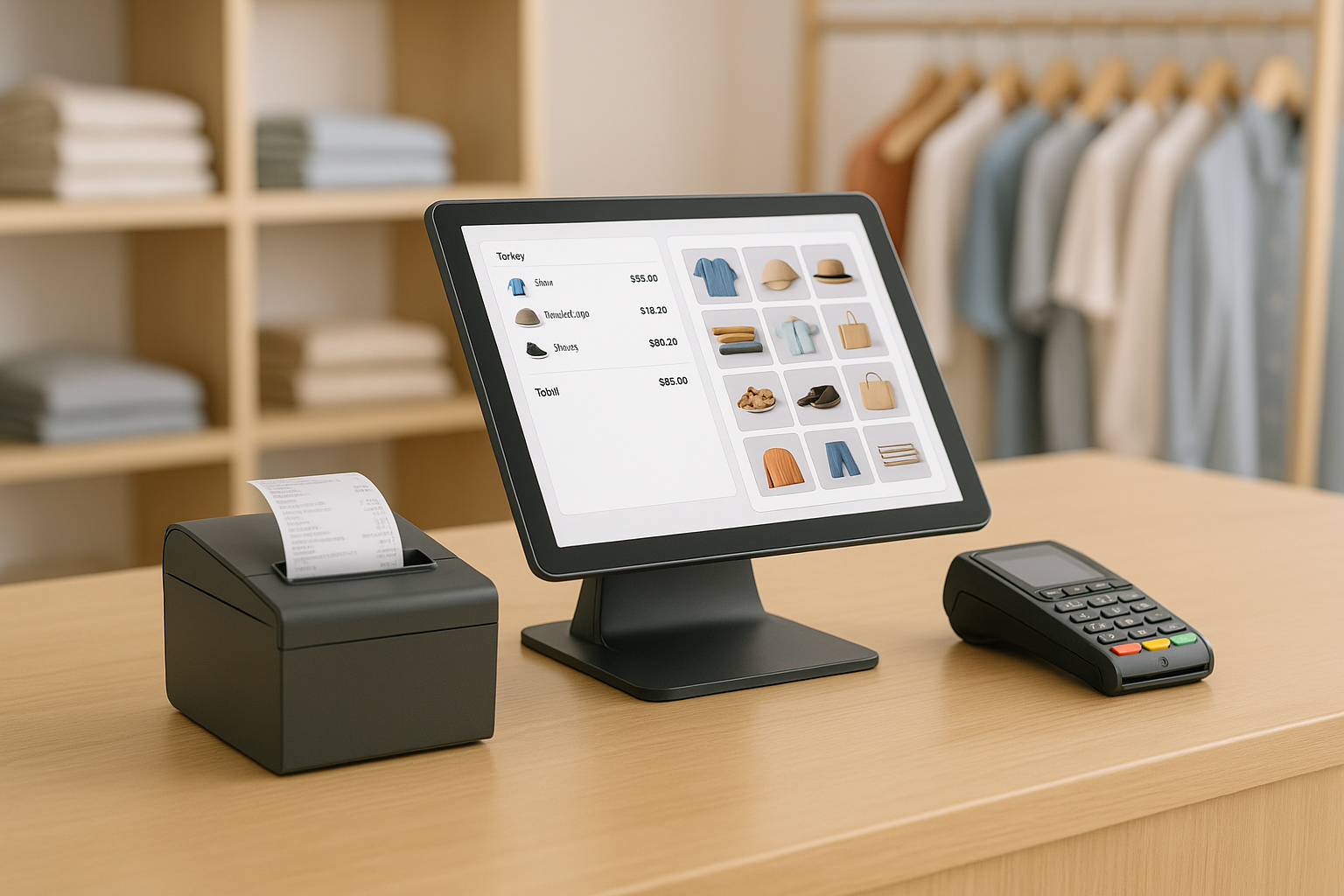
Choosing the best POS system for retail stores is one of the most important decisions a retailer can make. A modern point-of-sale system does far more than process payments—it helps manage inventory, track sales, improve customer service, and support business growth. Whether you run a boutique, convenience store, specialty shop, or multi-location retail business, the right POS can streamline daily operations and give you better visibility into performance.
With so many options available, it can be difficult to know which POS system is best for your store. The ideal solution depends on your business size, budget, hardware needs, and the features you rely on most. In this guide, we’ll break down the key features to look for, compare popular POS options, and explain how to choose the best fit for your retail store.
What Makes a POS System Great for Retail?
Retail stores need a POS system that is fast, reliable, and built to handle both front-end sales and back-office management. The best systems reduce friction at checkout while giving owners the tools to make smarter decisions.
Inventory Management
Inventory is the backbone of retail. A strong POS system should track stock levels in real time, alert you when items are running low, and make it easy to receive shipments or transfer products between locations. Advanced systems can also handle variants like size, color, and style, which is especially valuable for apparel and specialty retailers.
Sales and Reporting
You need more than a cash register—you need insights. The best POS systems provide detailed reports on sales trends, top-selling products, employee performance, and peak business hours. These reports help you make better purchasing, pricing, and staffing decisions.
Ease of Use
Retail employees should be able to learn the system quickly. A simple interface reduces training time and lowers the chance of mistakes at checkout. If your staff can ring up customers, apply discounts, and process returns without confusion, your store will run more efficiently.
Payment Flexibility
Customers expect convenience. Look for a POS system that accepts credit cards, debit cards, mobile wallets, gift cards, and contactless payments. Some systems also support split payments and pay-at-table options, which can improve the customer experience.
Customer Relationship Tools
The best POS systems for retail stores help you build stronger customer relationships. Features like customer profiles, loyalty programs, purchase history, and targeted promotions can encourage repeat business and increase average order value.
Top Features to Look for in the Best POS System for Retail Stores
Not every POS system offers the same functionality, so it helps to prioritize the features that matter most to your store. Here are some of the most important ones to consider.
Cloud-Based Access
Cloud-based POS systems allow you to access your data from anywhere. This is especially useful if you manage multiple store locations or want to check sales remotely. Cloud systems also tend to offer automatic updates and easier data backups.
Multi-Location Support
If you operate more than one store, look for a POS that can centralize inventory, reporting, and customer data across all locations. This makes it easier to transfer stock, compare store performance, and maintain consistency in operations.
Employee Management
Built-in employee management tools can help you track hours, set permissions, and monitor sales by associate. This is useful for controlling access to sensitive data and identifying top performers.
Integrations
Your POS should work well with other tools you use, such as accounting software, eCommerce platforms, marketing apps, and payroll systems. Integrations reduce manual work and help keep your business data connected.
Hardware Compatibility
Some POS systems require proprietary hardware, while others work on standard tablets or computers. Consider the devices you already own and whether you want a mobile setup, a countertop terminal, or a hybrid system.
Popular POS System Types for Retail Stores
The best POS system depends on the type of retail business you run. Different store formats have different priorities, from mobility and speed to deep inventory control.
Small Retail Shops
For small stores, affordability and simplicity are often the top priorities. A lightweight cloud-based POS with basic inventory tracking, sales reporting, and payment processing may be enough. These systems are usually easy to set up and require minimal training.
Growing Retail Businesses
As your store expands, you may need a more powerful POS with advanced inventory tools, customer loyalty features, and multi-location support. Growing businesses should also look for automation features that save time as transaction volume increases.
Specialty and Boutique Retailers
Boutique stores often need strong product catalog management, item variants, and customer engagement tools. A POS that supports detailed product attributes and personalized marketing can be a big advantage.
Omnichannel Retailers
If you sell both in-store and online, your POS should unify inventory and sales data across channels. This helps prevent overselling, simplifies fulfillment, and creates a more seamless shopping experience for customers.
How to Choose the Best POS System for Retail Stores
Once you understand the features and system types available, the next step is matching them to your store’s specific needs.
Assess Your Business Needs
Start by identifying what your store needs most. Do you need better inventory visibility? Faster checkout? Better reporting? Knowing your priorities will help narrow down the list of options.
Set a Realistic Budget
POS costs can include monthly software fees, payment processing, hardware, installation, and support. Look beyond the advertised price and calculate the total cost of ownership. The cheapest option is not always the best if it lacks key features or requires expensive add-ons.
Test the User Experience
Request a demo or free trial whenever possible. Pay attention to how easy it is to search products, process sales, issue refunds, and run reports. A system that feels intuitive during a demo is more likely to work well in everyday operations.
Check Support and Reliability
Customer support matters, especially during peak shopping hours. Make sure the provider offers responsive support channels, helpful onboarding, and reliable uptime. If the system goes down during a busy day, you want fast assistance.
Think About Future Growth
Your POS should be able to grow with your business. Even if you only have one store today, choosing a scalable system can save you the hassle of switching platforms later.
Benefits of the Right POS System
Investing in the right retail POS system can have a direct impact on daily efficiency and long-term profitability. It reduces manual work, improves accuracy, and gives you better control over inventory and sales. With better reporting, you can identify trends faster and make more informed business decisions.
Just as importantly, a good POS system improves the customer experience. Faster checkout, easier returns, loyalty rewards, and accurate stock information all contribute to a smoother shopping journey. Over time, that can lead to stronger customer loyalty and higher sales.
Conclusion
The best POS system for retail stores is the one that matches your business needs today while supporting your growth tomorrow. Focus on core features like inventory management, reporting, ease of use, and payment flexibility, then compare systems based on support, integrations, and scalability. With the right solution in place, your retail store can run more efficiently and deliver a better experience for every customer.