Introduction
Retail credit card processing is the system that allows stores to accept debit and credit card payments at the register, online, and through mobile checkout options. For retailers, this is no longer just a convenience—it is an essential part of delivering fast, secure, and customer-friendly service. Whether you run a boutique, grocery store, specialty shop, or multi-location retail operation, understanding how card processing works can help you reduce costs, improve the checkout experience, and minimize payment problems.
In this guide, we’ll break down the basics of retail credit card processing, explain the major players involved, highlight key features to look for, and share practical tips for choosing the right payment setup for your business.
What Is Retail Credit Card Processing?
Retail credit card processing refers to the technology and services that let merchants accept card payments in person and sometimes through other channels connected to the store. When a customer taps, dips, or swipes a card, the payment must move through several steps before the sale is approved and the money is deposited into the retailer’s account.
This process usually includes a point-of-sale terminal or software, a payment gateway or card reader, a payment processor, the card network, and the customer’s bank. Together, these components confirm that the card is valid, the funds are available, and the transaction can be completed securely.
How Retail Credit Card Processing Works
Although card payments feel instant at checkout, several steps happen in the background. Understanding this flow can help retailers troubleshoot issues and compare providers more effectively.
1. The Customer Initiates Payment
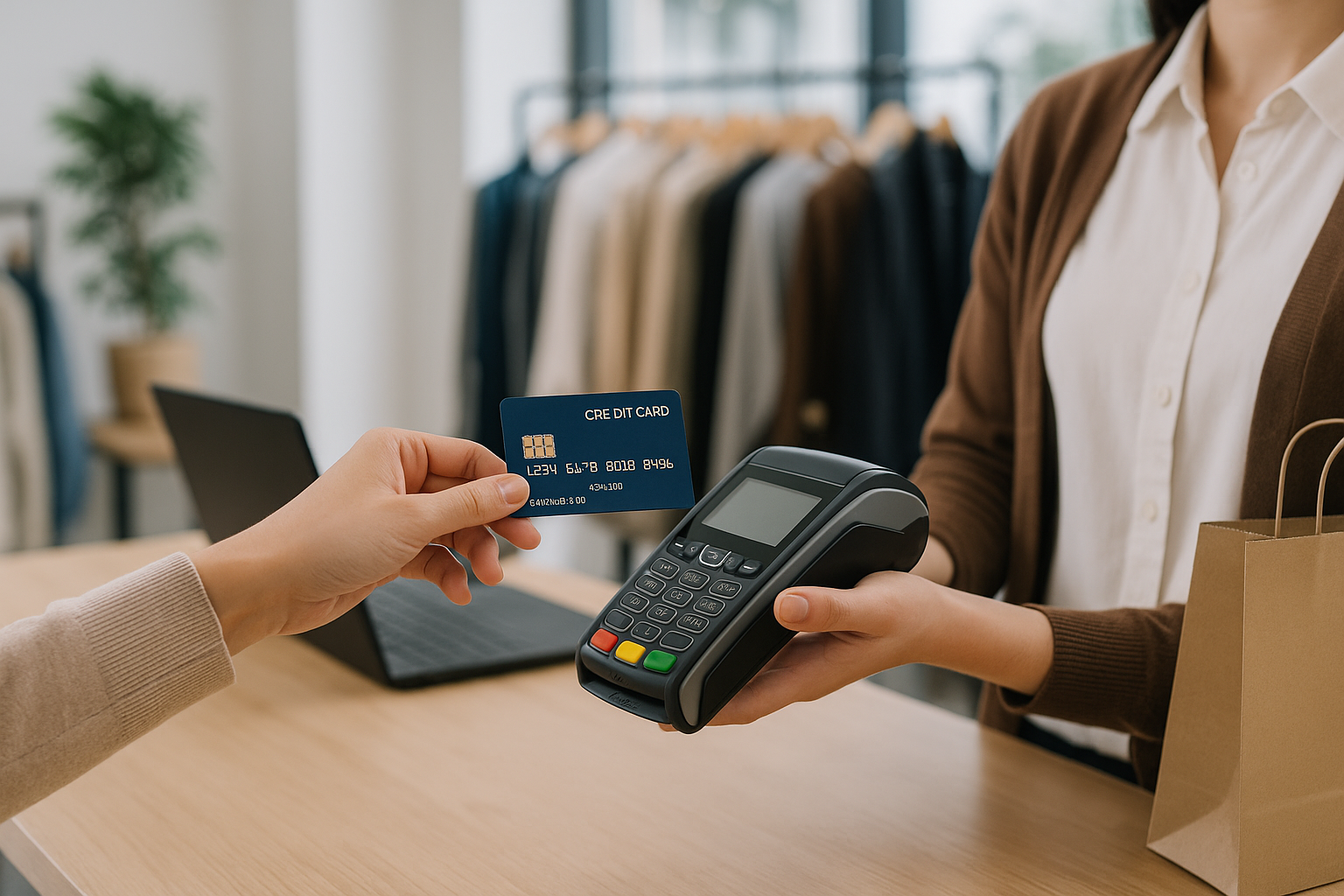
The process begins when the customer inserts, taps, swipes, or uses a digital wallet to pay. The POS system captures the payment details and sends them to the processor for review.
2. Authorization Request Is Sent
The payment processor forwards the transaction to the card network, such as Visa or Mastercard, which routes it to the issuing bank. The bank checks for available funds or credit, verifies the card, and looks for possible fraud indicators.
3. Approval or Decline Is Returned
If the transaction is approved, the authorization is sent back through the network to the retailer’s system. If it is declined, the customer must use another payment method or contact their bank.
4. Settlement and Funding
After the end-of-day batch is submitted, the processor completes settlement. The funds are transferred from the customer’s bank to the merchant account, minus any applicable processing fees. Depending on the provider, funding may take one to three business days.
Key Components of Retail Payment Processing
Retail payment acceptance relies on several connected tools and services. Choosing the right combination affects speed, security, and cost.
Point-of-Sale System
The POS system is the heart of the retail checkout process. It records sales, applies discounts, tracks inventory, and connects to the payment terminal. Many modern systems also offer customer profiles, reporting, and omnichannel features.
Payment Terminal or Card Reader
This device captures card data from EMV chips, magnetic stripes, or contactless payments. Retailers often choose countertop terminals, mobile readers, or integrated POS hardware based on their store layout and sales volume.
Payment Processor
The processor is the company that handles transaction routing between the retailer, the card network, and the issuing bank. A reliable processor should offer fast approval times, clear pricing, and strong support.
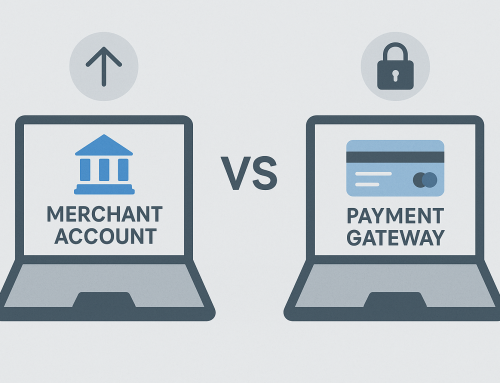
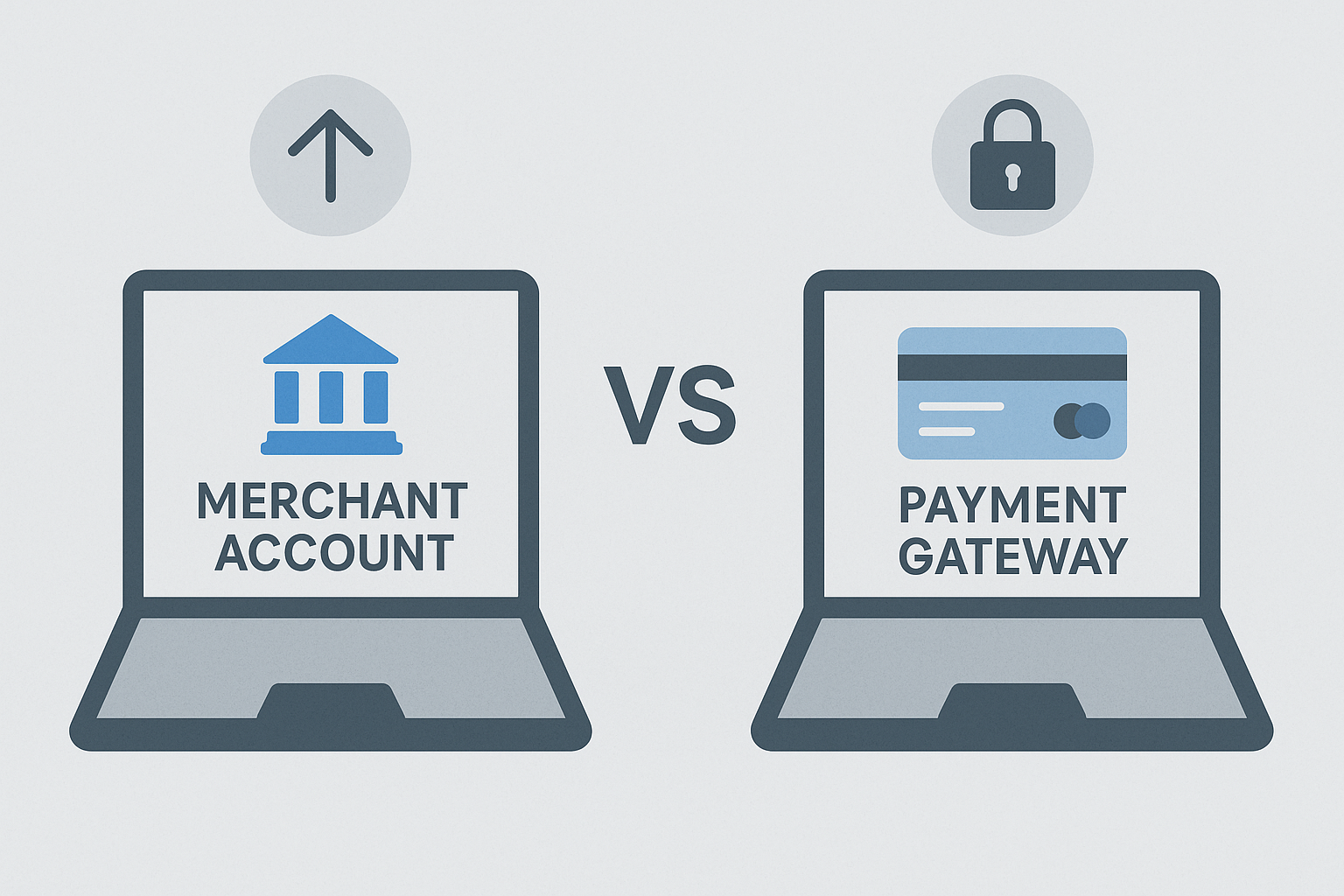
Merchant Account
A merchant account holds funds temporarily before they are transferred to the business bank account. Some providers offer an all-in-one setup that combines processing and merchant services into a single solution.
Types of Credit Card Payments in Retail
Retail businesses today need to accept more than just swiped cards. Customers expect flexibility, speed, and safety at checkout.
EMV Chip Cards
Chip cards generate unique transaction codes, making them more secure than magnetic stripe cards. They have become the standard for in-store payments and are important for reducing fraud liability.
Contactless Payments
Tap-to-pay transactions use NFC technology and include mobile wallets such as Apple Pay, Google Pay, and Samsung Pay. They are popular because they are fast, convenient, and often perceived as more secure.
Magnetic Stripe Payments
Although less secure, swipe payments are still supported by many systems for compatibility. Retailers should use them only when necessary and ensure their terminals support EMV to reduce risk.
Online and Omnichannel Payments
Many retailers sell both in-store and online. A unified payment system makes it easier to track sales across channels, manage inventory, and deliver a consistent customer experience.
Benefits of Efficient Retail Credit Card Processing
Investing in the right retail payment setup can improve operations and boost customer satisfaction.
Faster Checkout
Speed matters in retail. A smooth processing system reduces lines, lowers abandonment, and helps staff serve more customers during busy periods.
Better Customer Experience
Customers appreciate multiple payment options, quick approvals, and secure transactions. A seamless checkout experience can increase repeat business and build loyalty.
Improved Sales Tracking
Modern processors and POS systems provide detailed reporting on sales, refunds, taxes, and payment types. These insights help retailers make smarter business decisions.
Enhanced Security
Retail credit card processing systems that support EMV, encryption, and tokenization can help protect customer data and reduce the risk of fraud.
Common Fees and Pricing Models
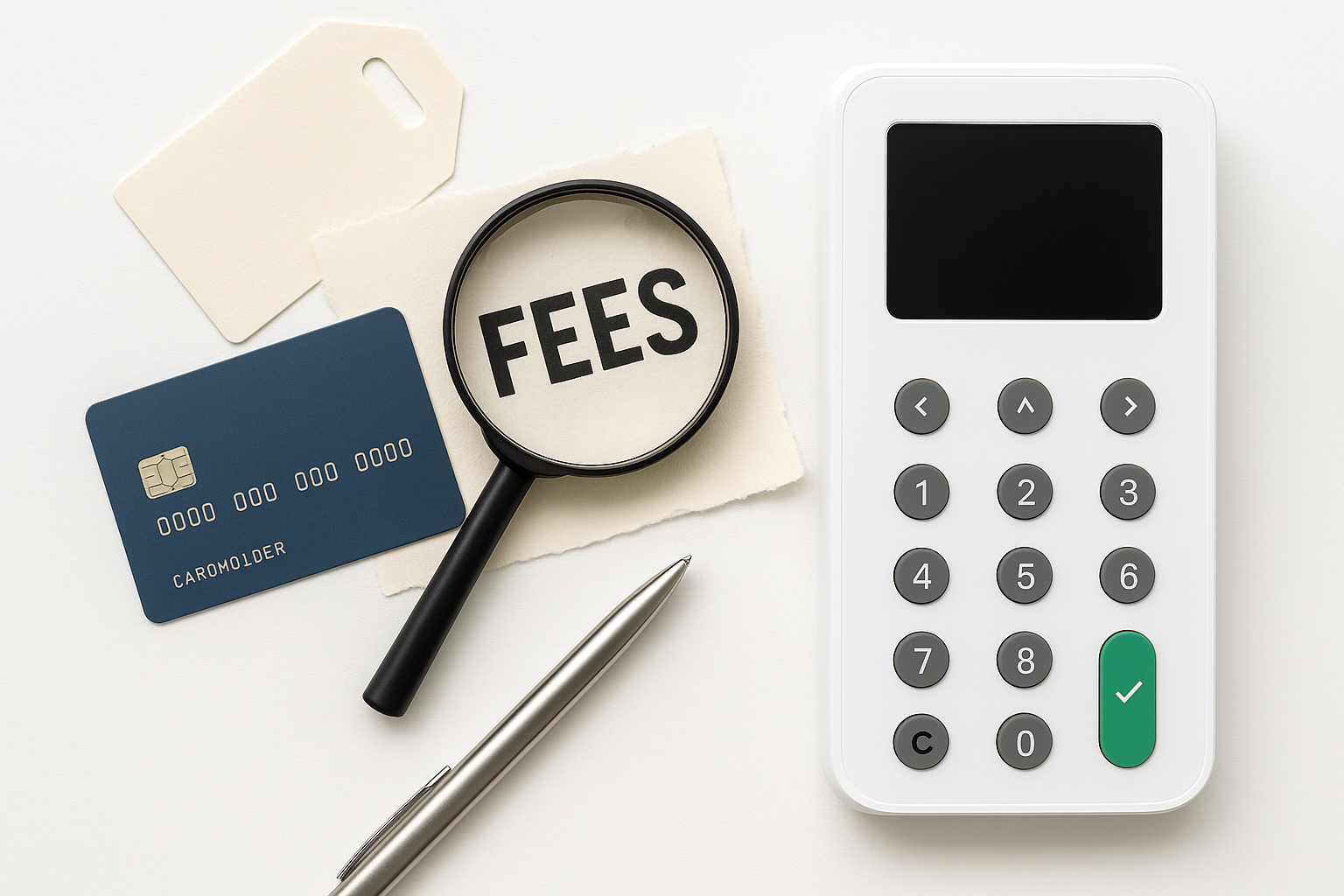
Understanding pricing is one of the most important parts of choosing a credit card processor. Retailers should review every fee carefully before signing a contract.
Interchange-Plus Pricing
This model separates the card network’s interchange fee from the processor’s markup. It is often considered transparent and cost-effective, especially for businesses with higher sales volume.
Flat-Rate Pricing
Flat-rate pricing charges the same percentage for most transactions. It is simple and predictable, which makes it attractive to small retailers, but it may cost more over time.
Tiered Pricing
Tiered pricing groups transactions into categories such as qualified, mid-qualified, and non-qualified. It can be harder to understand and may include less favorable rates on certain transactions.
Other Fees to Watch For
Retailers should ask about monthly account fees, statement fees, PCI compliance fees, chargeback fees, batch fees, equipment costs, and early termination fees. Transparent pricing is a major sign of a trustworthy provider.
Security and Compliance Considerations
Because payment data is highly sensitive, retailers must prioritize security at every stage of the transaction.
PCI DSS compliance is the standard framework for protecting cardholder data. Businesses that accept cards should follow the required security practices, including regular system updates, access controls, and secure handling of payment information.
Encryption and tokenization also play an important role. Encryption protects data as it moves through the payment system, while tokenization replaces sensitive card details with a unique identifier that cannot be used outside the transaction environment.
Retailers should also train employees to recognize suspicious activity, verify cards properly, and handle chargebacks quickly. Strong internal procedures can reduce losses and improve customer trust.
How to Choose the Right Retail Credit Card Processor
The best processor for one retailer may not be the best for another. The right choice depends on store size, sales volume, technical needs, and budget.
Start by evaluating compatibility with your POS system and hardware. If you already use a retail platform, make sure the processor integrates smoothly with it. Next, compare pricing structures and total monthly costs, not just headline rates.
Look for fast funding, reliable uptime, clear reporting tools, and responsive customer support. If you have multiple locations or plan to grow, choose a solution that can scale with your business. Retailers that sell in-store and online should also consider an omnichannel provider that can unify payment data.
Best Practices for Retailers
To get the most from your payment system, keep these best practices in mind:
- Use EMV-capable terminals and contactless payments whenever possible.
- Review processing statements regularly to catch unnecessary fees.
- Train staff on payment procedures and fraud prevention.
- Keep POS software and hardware updated.
- Make sure your checkout process is simple and customer-friendly.
- Monitor chargebacks and respond quickly to disputes.
These small steps can improve efficiency and protect your bottom line over time.
Conclusion
Retail credit card processing is a core part of running a modern store. From faster checkout to stronger security and better reporting, the right payment solution can make a meaningful difference in daily operations and long-term growth. By understanding how processing works, what fees to expect, and which features matter most, retailers can choose a system that supports both their customers and their business goals.