Restaurant Credit Card Processing: What Every Restaurant Owner Should Know
Credit card processing is one of the most important systems in a modern restaurant. Guests expect fast, secure, and convenient ways to pay, whether they’re dining in, ordering takeout, or closing out a tab at the bar. For restaurant owners, choosing the right payment setup can affect cash flow, customer satisfaction, labor efficiency, and even your profit margins.
In this guide, we’ll break down how restaurant credit card processing works, the main fees and costs involved, the features restaurants should look for, and how to choose a provider that fits your operation.
How Restaurant Credit Card Processing Works
Restaurant credit card processing is the system that allows your business to accept card payments from customers and receive funds in your bank account. When a guest pays with a card, the transaction moves through several steps in just a few seconds.
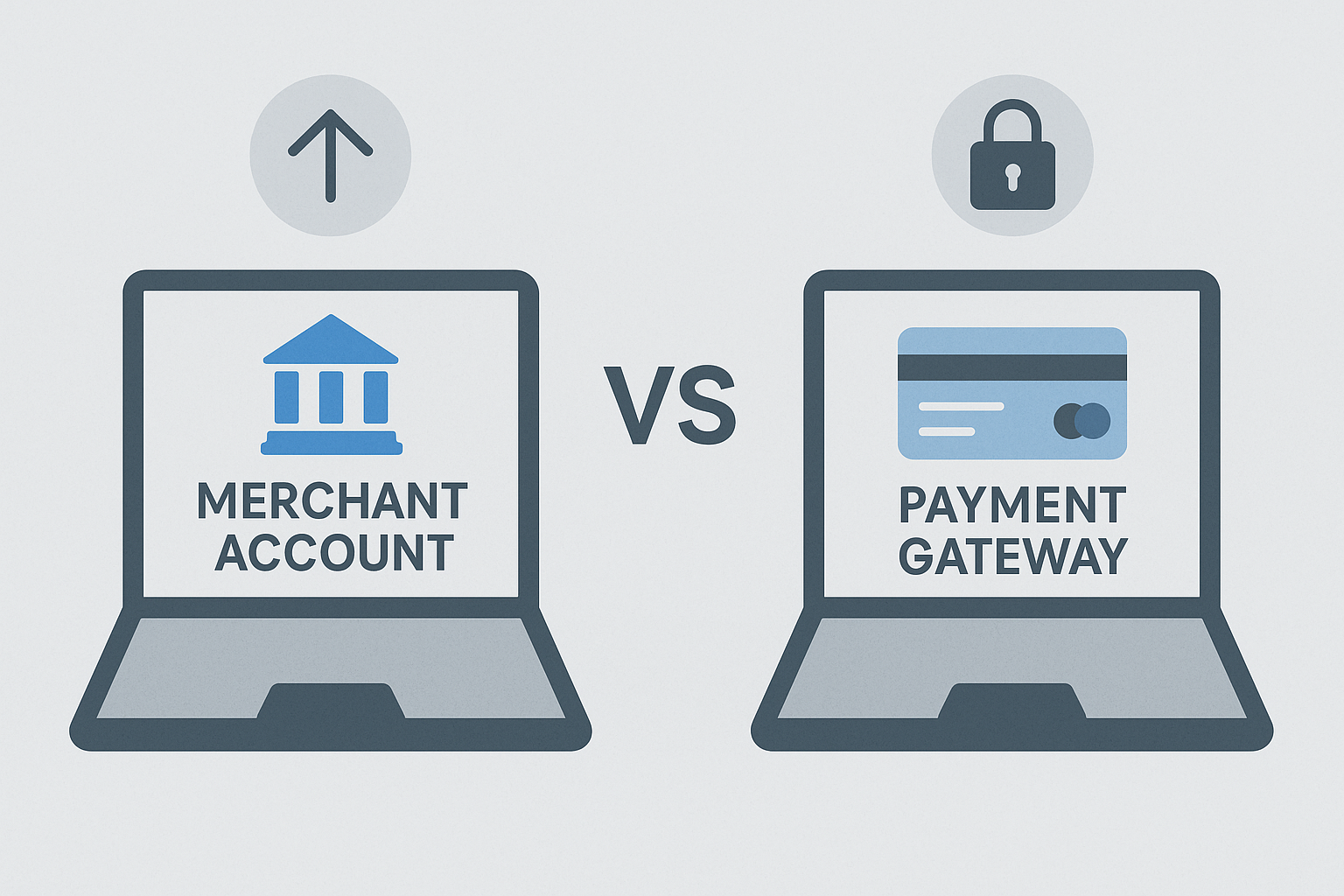
First, the payment terminal, mobile device, or point-of-sale system captures the card information. Next, the payment processor sends the transaction through the card network, such as Visa, Mastercard, or American Express, to the customer’s issuing bank. The bank approves or declines the payment based on available funds and other risk checks. If approved, the money is eventually deposited into the restaurant’s merchant account and then transferred to the business bank account.
Restaurants need payment systems that can handle different service styles, from quick counter transactions to split checks, tip adjustments, and tableside payments. Because restaurant operations move quickly, even a small slowdown in payment processing can lead to longer wait times and frustrated guests.
Common Fees and Costs to Expect
One of the biggest concerns for restaurant owners is the cost of accepting card payments. Restaurant credit card processing usually involves a mix of fees, and understanding them helps you compare providers more accurately.
Interchange Fees
Interchange fees are set by the card networks and paid to the customer’s bank. These fees vary depending on the card type, transaction method, and risk level. For restaurants, card-present transactions at the table or counter often cost less than keyed-in or manually entered payments.
Processor Markup
This is the amount your payment processor adds on top of interchange fees. It may be charged as a flat percentage, a per-transaction fee, or a combination of both. Some processors advertise low rates but make up for it with hidden charges elsewhere, so it’s important to review the full pricing structure.
Equipment and Software Costs
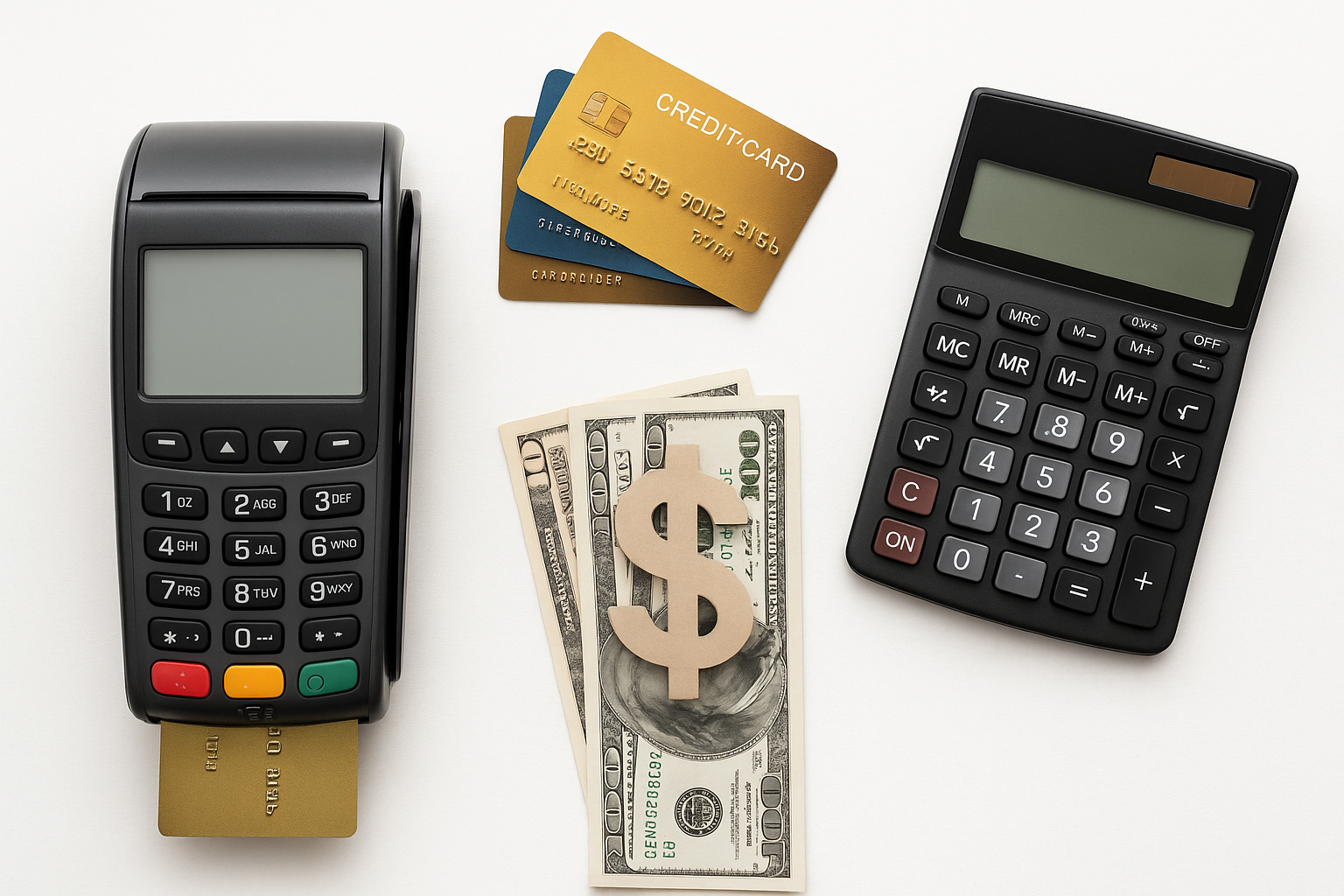
Restaurants may need countertop terminals, handheld devices, card readers, or integrated POS software. Some systems charge upfront hardware costs, while others offer leasing or bundled subscriptions. Keep in mind that the cheapest option is not always the best long-term value if it lacks restaurant-specific functionality.
Monthly and Miscellaneous Fees
Depending on the provider, you may also pay monthly gateway fees, PCI compliance fees, statement fees, chargeback fees, and early termination fees. Reviewing your monthly statements carefully can help you spot unnecessary charges and negotiate better terms.
Features Restaurants Should Look For
Not all payment systems are built for restaurants. A good restaurant credit card processing solution should support both speed and flexibility while helping your staff deliver a smoother guest experience.
Tableside and Mobile Payments
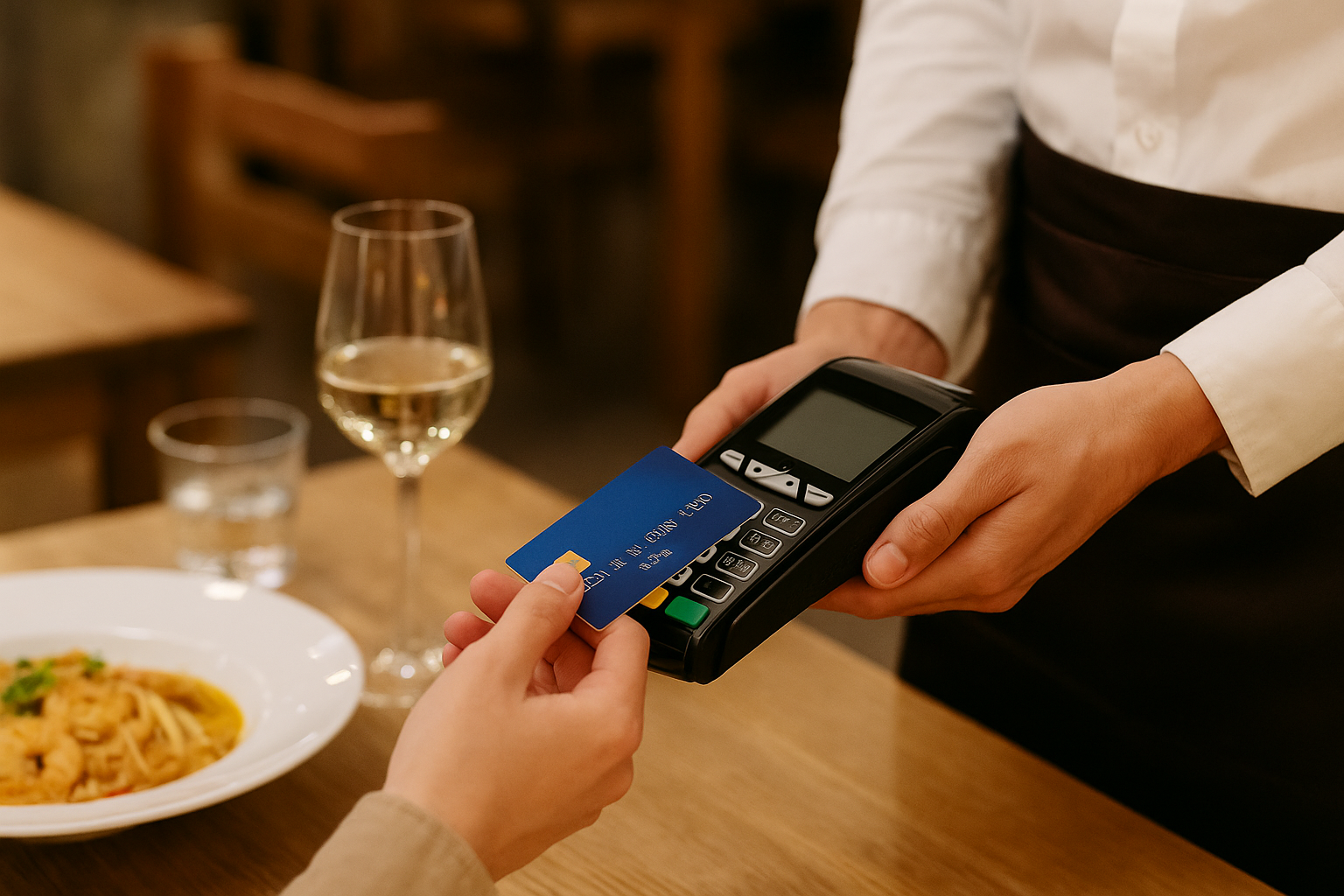
Tableside payment lets servers bring the card reader directly to the guest. This improves convenience, speeds up table turns, and reduces the risk of card skimming because the card stays in the customer’s view. Mobile payment devices are also helpful for patios, events, and busy dining rooms.
Tip Management
Restaurants rely heavily on tips, so your payment system should make it easy for guests to add gratuity. Look for options that support suggested tip prompts, percentage-based tips, and manual tip adjustments after the sale.
Split Checks and Tab Management
In full-service restaurants and bars, split checks are a must. Your system should allow staff to divide tickets by item, evenly split bills, or transfer tabs between servers without slowing down service.
POS Integration
When credit card processing integrates with your point-of-sale system, you reduce manual entry errors and speed up back-office reporting. Integrated systems can also help you track sales, tips, labor, and menu performance in one place.
Security and Compliance
Security is essential in any payment environment. Choose a provider that supports PCI compliance, end-to-end encryption, and tokenization. These tools help protect customer card data and reduce the risk of fraud or breaches.
How to Choose the Right Payment Provider
The best restaurant credit card processing provider is not always the one with the lowest advertised rate. Instead, look for a partner that aligns with your restaurant’s service model, volume, and growth plans.
Start by asking how the provider charges for transactions and whether pricing is transparent. Flat-rate pricing may be easier to understand, but interchange-plus pricing can be more cost-effective for high-volume restaurants. Ask for a full fee breakdown before signing anything.
Next, evaluate hardware and software compatibility. If you already use a POS system, confirm that the processor integrates smoothly with it. If you are opening a new restaurant, look for an all-in-one solution that can grow with your business and support future locations.
You should also assess customer support. Restaurants operate during nights, weekends, and holidays, so you need a provider that offers responsive help when your system goes down or a payment issue occurs. Reliable support can save you from lost sales during peak hours.
Finally, review contract terms carefully. Watch for long-term commitments, auto-renewals, early termination fees, and hardware lease agreements. Flexible terms can make it easier to switch providers if your needs change.
Best Practices for Restaurant Payment Processing
Once you’ve chosen a payment solution, a few best practices can help you get the most value from it. Train staff to use the system correctly, especially when handling tips, voids, refunds, and split checks. Clear procedures reduce mistakes and keep service moving.
It’s also smart to monitor your processing statements each month. Look for unusual fees, chargebacks, or patterns in declined transactions. This can help you catch problems early and improve profitability.
For security, keep your terminals updated and use strong internal controls around refunds and manual card entry. If your restaurant handles a high volume of card payments, regular PCI checks and staff training should be part of your routine.
Finally, consider the guest experience. A smooth payment process can leave a better final impression and encourage repeat visits. Fast checkout, convenient tipping, and flexible payment options all contribute to customer satisfaction.
Conclusion
Restaurant credit card processing is more than just a way to accept payments. It affects efficiency, security, staff workflow, and the overall guest experience. By understanding the costs, features, and provider options available, restaurant owners can choose a payment solution that supports smoother operations and healthier margins.
The right system should be fast, reliable, secure, and built for the realities of restaurant service. When you choose wisely, card processing becomes a tool that helps your business run better every day.