What Is Payment Processing?
Payment processing is the system that allows businesses to accept money from customers through credit cards, debit cards, digital wallets, bank transfers, and other payment methods. When a customer buys something online, in-store, or through an app, payment processing is what moves the transaction from the customer’s account to the business’s account.
At first glance, it may seem like a simple click or tap, but behind the scenes, multiple systems work together to verify the payment, reduce fraud, and confirm that the funds are available. For modern businesses, payment processing is not just a back-end function. It directly affects customer experience, cash flow, and overall trust.
How Payment Processing Works
Every payment goes through a series of steps that happen in seconds. Here is the basic flow:
- Customer initiates payment: The customer enters payment details or taps a card or device.
- Payment gateway captures the data: The gateway securely sends transaction information to the payment processor.
- Processor contacts the card network and bank: The processor asks the card network and the customer’s bank whether the transaction should be approved.
- Bank authorizes or declines: The bank checks for available funds, fraud indicators, and other factors.
- Approval is returned: If approved, the merchant receives confirmation and the sale is completed.
- Settlement occurs: Funds are later transferred from the customer’s bank to the merchant’s account, usually in one to several business days.
This process may happen almost instantly, but each step is important for security and accuracy. A reliable payment processing system helps reduce failed transactions and creates a smoother checkout experience.
Key Players in Payment Processing
To understand payment processing, it helps to know the main parties involved.
Merchant
The merchant is the business accepting the payment. This could be a retail store, an eCommerce brand, a service provider, or a subscription company.
Customer
The customer provides the payment details and authorizes the transaction. Their experience should be fast, secure, and convenient.
Payment Gateway
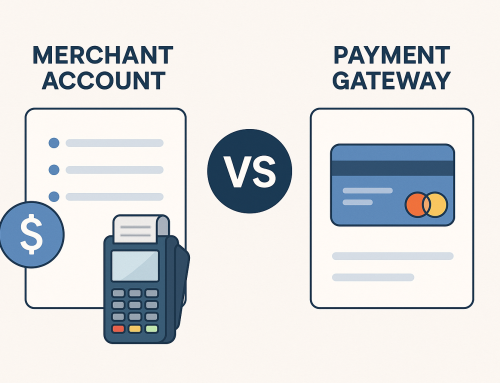
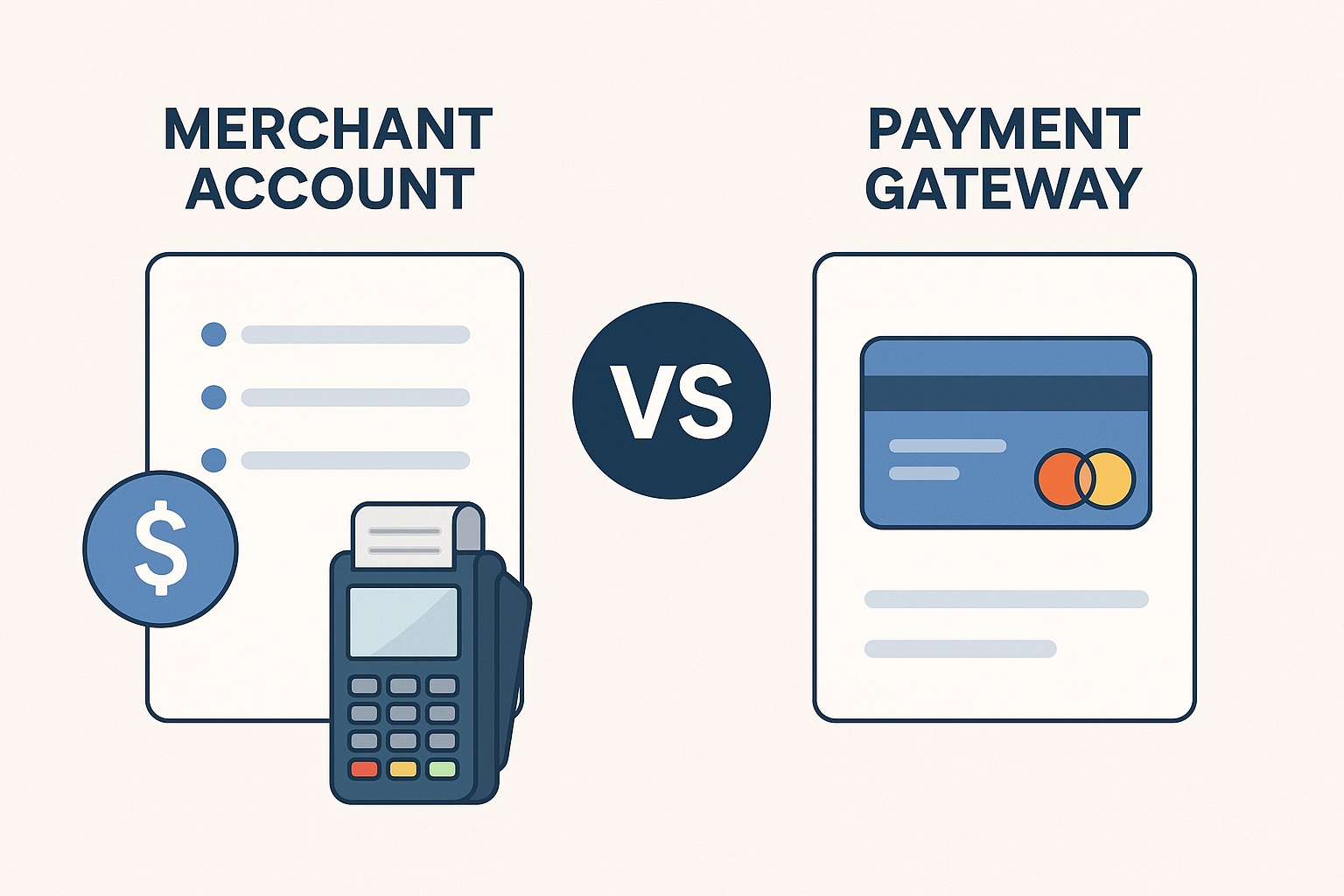
The payment gateway acts as a secure bridge between the customer and the payment processor. It encrypts payment data and sends it safely for authorization.
Payment Processor
The processor handles the technical side of moving transaction data between the merchant, the card network, and the bank. It plays a central role in approval and settlement.
Acquiring Bank
The acquiring bank, or merchant bank, is the financial institution that receives the funds on behalf of the business.
Issuing Bank
The issuing bank is the customer’s bank or card provider. It reviews the transaction and decides whether to approve or decline it.
Types of Payment Processing
Businesses use different payment processing setups depending on where and how they sell.
In-Store Payment Processing
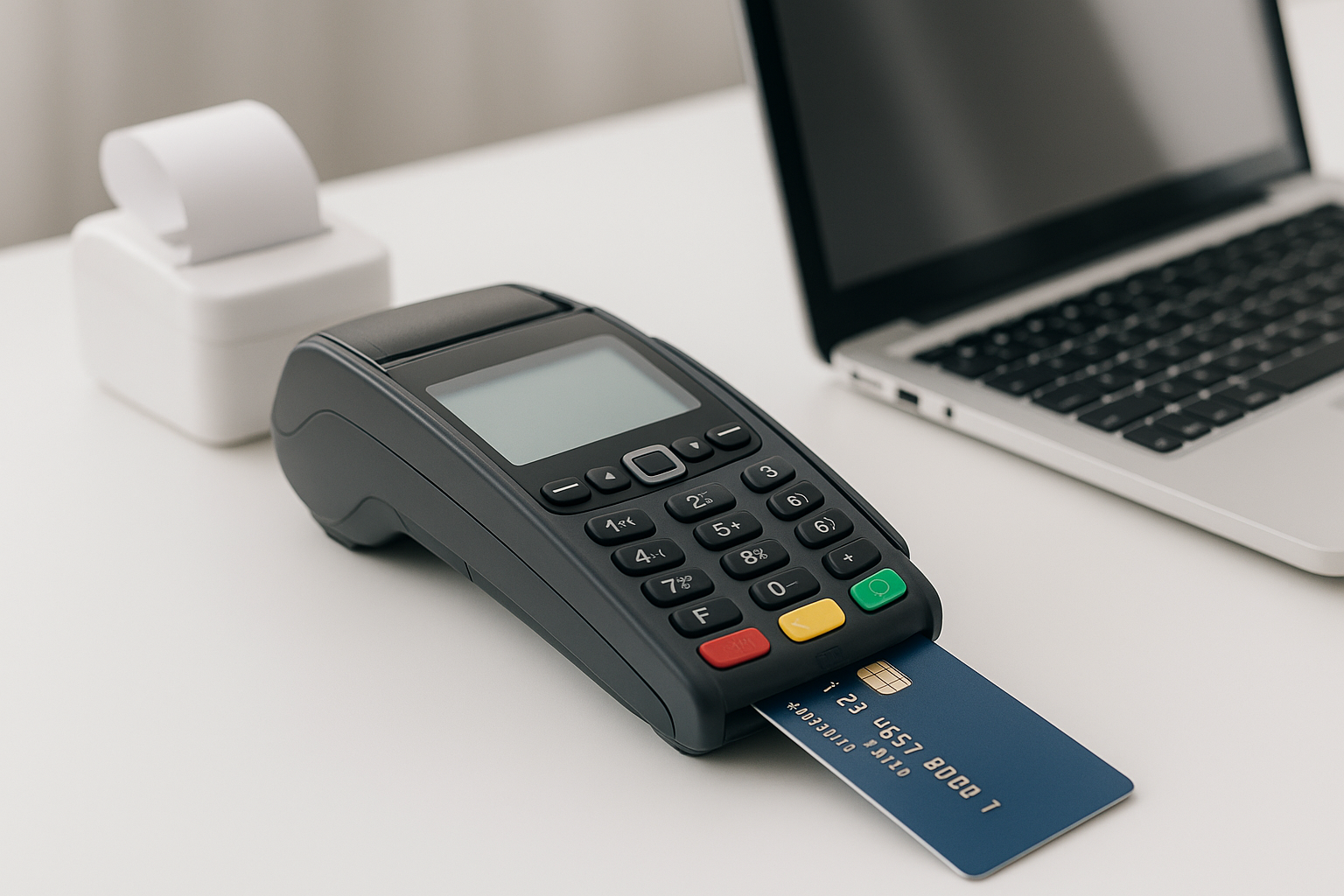
In physical locations, payment processing often happens through point-of-sale systems, card readers, and contactless terminals. Customers can swipe, insert, tap, or use mobile wallets.
Online Payment Processing
Online payment processing is used for websites and eCommerce stores. Customers enter card details, use digital wallets, or complete bank-based payments during checkout. Because the transaction is remote, strong security measures are especially important.
Mobile Payment Processing
Mobile payment processing allows customers to pay through smartphones and tablets. This includes app-based checkout, QR code payments, and tap-to-pay options.
Recurring Payment Processing
Recurring payment processing is ideal for memberships, subscriptions, and installment plans. It automatically charges the customer on a set schedule, which helps businesses maintain predictable revenue.
Why Payment Processing Is Important for Businesses
Payment processing affects far more than whether a business can collect money. It influences operations, growth, and customer satisfaction.
Improves customer experience: A fast and easy checkout process reduces friction and increases the chance of completed purchases.
Supports cash flow: Reliable payment processing helps businesses get paid on time and manage daily expenses more effectively.
Builds trust: Secure, professional checkout systems reassure customers that their payment information is safe.
Enables growth: Businesses can expand to new channels, including online stores, mobile apps, and international markets, with the right payment setup.
Reduces manual work: Automated billing, reporting, and reconciliation save time and reduce errors.
Common Payment Processing Fees
Most payment processing solutions come with fees. Understanding them helps businesses choose the right provider and avoid surprises.
Transaction Fees
These are charged per transaction and may include a percentage of the sale plus a fixed amount.
Monthly Fees
Some processors charge a monthly account or platform fee for access to their services.
Chargeback Fees
If a customer disputes a charge, the business may be charged a fee in addition to losing the revenue if the dispute is upheld.
Setup or Gateway Fees
Some providers charge for account setup, gateway access, or advanced features.
When comparing providers, it is important to look at the full cost structure, not just the advertised transaction rate.
How to Choose the Right Payment Processor
The best payment processor depends on your business model, volume, and customer preferences. Consider these factors when evaluating options:
- Security: Look for encryption, tokenization, PCI compliance, and fraud prevention tools.
- Payment methods: Make sure the provider supports the ways your customers want to pay.
- Pricing: Compare transaction fees, monthly costs, and any hidden charges.
- Integration: Choose a processor that works well with your website, POS system, accounting software, and CRM.
- Speed of deposits: Faster settlement can help improve cash flow.
- Customer support: Responsive service is valuable if payment issues affect sales.
For many businesses, the right choice is a provider that balances affordability, reliability, and flexibility. A low-cost processor may not be worth it if it creates poor checkout experiences or frequent technical issues.
Payment Processing Security Best Practices
Security is one of the most important parts of payment processing. Customers expect their data to be protected, and businesses must reduce the risk of fraud and breaches.
To strengthen security, businesses should use PCI-compliant systems, encrypt sensitive data, and work with trusted payment partners. Tokenization can also help by replacing card details with secure digital tokens. Fraud detection tools, address verification, and card verification codes add additional layers of protection.
It is also wise to train staff, monitor transactions for suspicious activity, and update software regularly. A secure payment environment protects both the business and its customers.
Trends Shaping the Future of Payment Processing
Payment processing continues to evolve as consumer expectations change. Digital wallets, contactless payments, and real-time transfers are becoming more common. Businesses are also seeing more demand for localized payment methods, especially when serving international customers.
Another major trend is the rise of embedded payments, where payment functionality is built directly into apps and platforms. Artificial intelligence is also playing a growing role in fraud detection and risk management. As payment technology advances, businesses that stay flexible will be better positioned to serve customers efficiently.
Conclusion
Payment processing is a vital part of doing business in today’s economy. It powers sales, supports customer trust, and helps companies operate more efficiently. By understanding how payment processing works and choosing the right provider, businesses can create smoother checkout experiences and set themselves up for long-term success.