What Is Nonprofit Payment Processing?
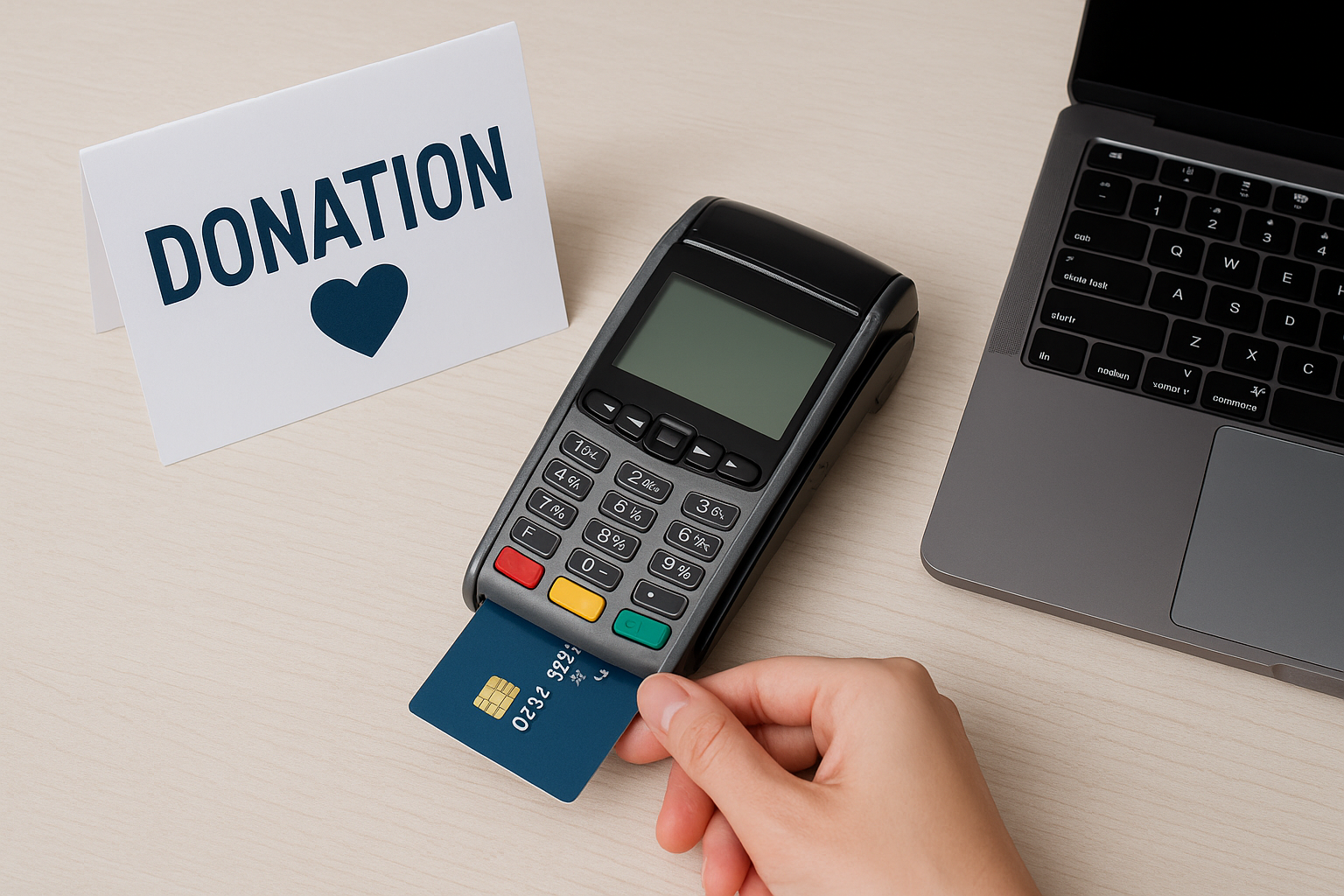
Nonprofit payment processing is the system that allows charities, foundations, associations, and other mission-driven organizations to accept and manage donations and payments electronically. It includes the tools and services used to process credit cards, debit cards, ACH transfers, digital wallets, recurring gifts, event registrations, membership dues, and other forms of online giving.
For nonprofits, payment processing is more than just a technical function. It directly affects donor experience, fundraising performance, administrative efficiency, and trust. A smooth giving process can increase donation completion rates, while a confusing or insecure one can cause supporters to abandon their gift.
Unlike standard retail transactions, nonprofit payments often involve recurring contributions, tax receipting, restricted gifts, and donor data management. That means nonprofits need payment solutions built to support fundraising goals, compliance requirements, and long-term relationships with donors.
Why Payment Processing Matters for Nonprofits
Every donation opportunity is a chance to build momentum for your mission. If the payment process is slow, cumbersome, or untrusted, that momentum can disappear quickly. Good payment processing helps nonprofits accept donations efficiently, reduce manual work, and create a better experience for supporters.
It also helps organizations diversify revenue. In addition to one-time gifts, many nonprofits rely on recurring donations, peer-to-peer campaigns, online fundraising pages, event ticketing, and membership payments. A flexible payment system supports all of these income streams in one place.
Security is another major reason payment processing matters. Donors need confidence that their personal and financial information is protected. Nonprofits that use secure, compliant systems are better positioned to maintain donor trust and reduce the risk of fraud or data breaches.
How Nonprofit Payment Processing Works
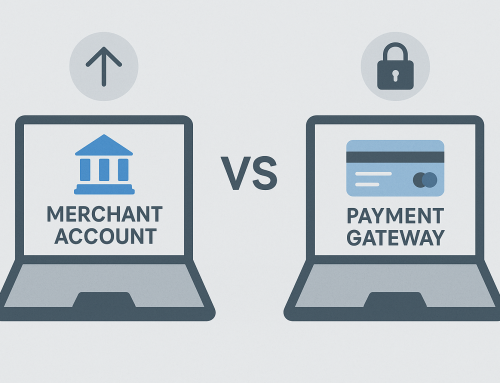
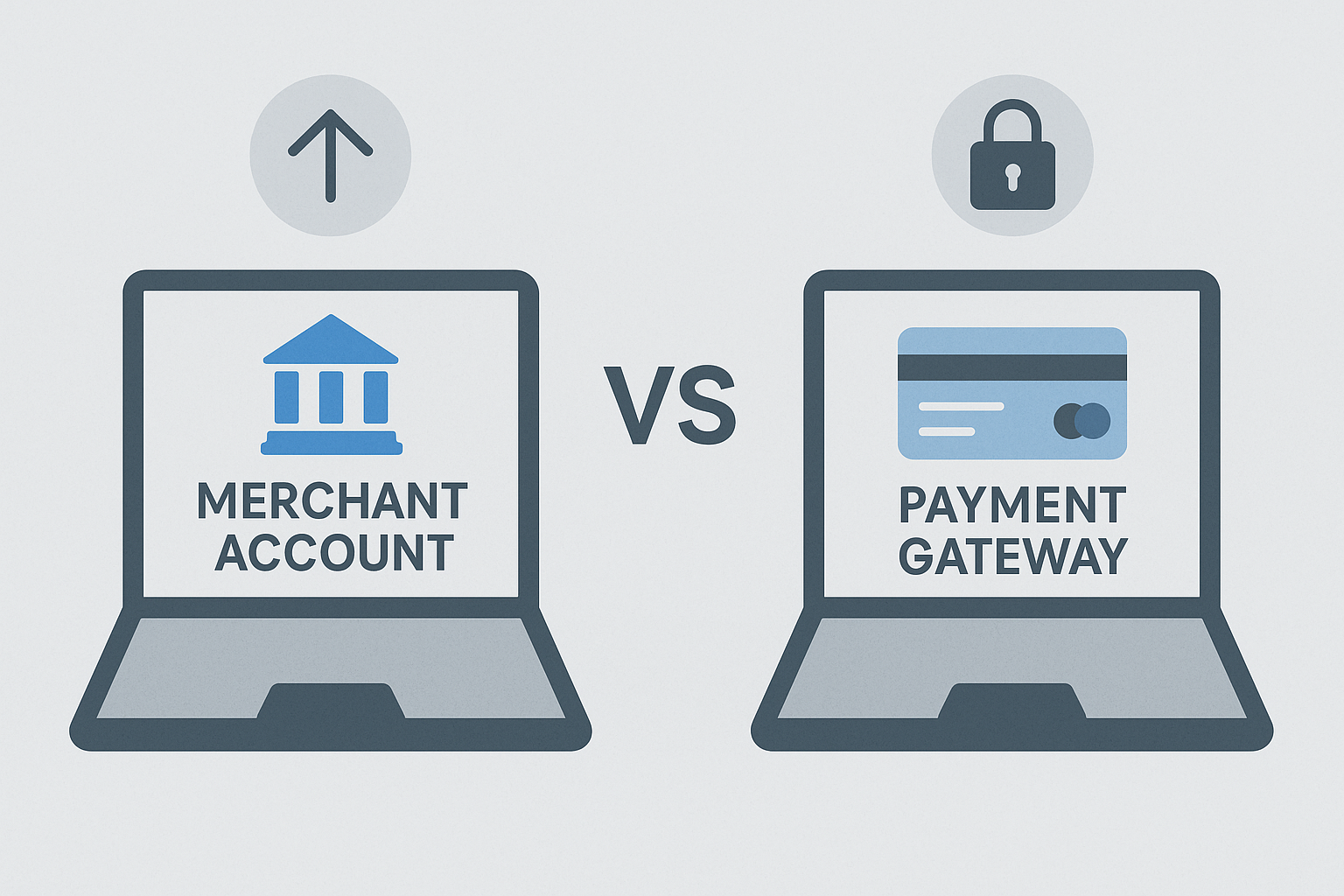
Although the process may seem complex behind the scenes, the donor experience is usually simple. A supporter chooses an amount, enters payment details, submits the form, and receives confirmation. Meanwhile, a payment processor works with the donor’s bank, card network, and nonprofit’s merchant account to authorize and settle the transaction.
In many cases, the payment flow includes several steps:
- The donor enters payment information on a donation form or checkout page.
- The payment gateway encrypts the data and sends it securely to the processor.
- The processor requests authorization from the donor’s bank or card issuer.
- If approved, the transaction is completed and funds are transferred to the nonprofit’s account.
- The nonprofit receives confirmation and may trigger an automated receipt or thank-you message.
For recurring donations, the system stores payment credentials securely and charges the donor according to the selected schedule, such as monthly, quarterly, or annually. This automation is especially valuable for nonprofits that want predictable revenue and stronger donor retention.
Types of Payment Methods Nonprofits Can Accept
Today’s donors expect flexibility. The more payment options a nonprofit offers, the easier it becomes for supporters to give in the way that suits them best.
Credit and Debit Cards
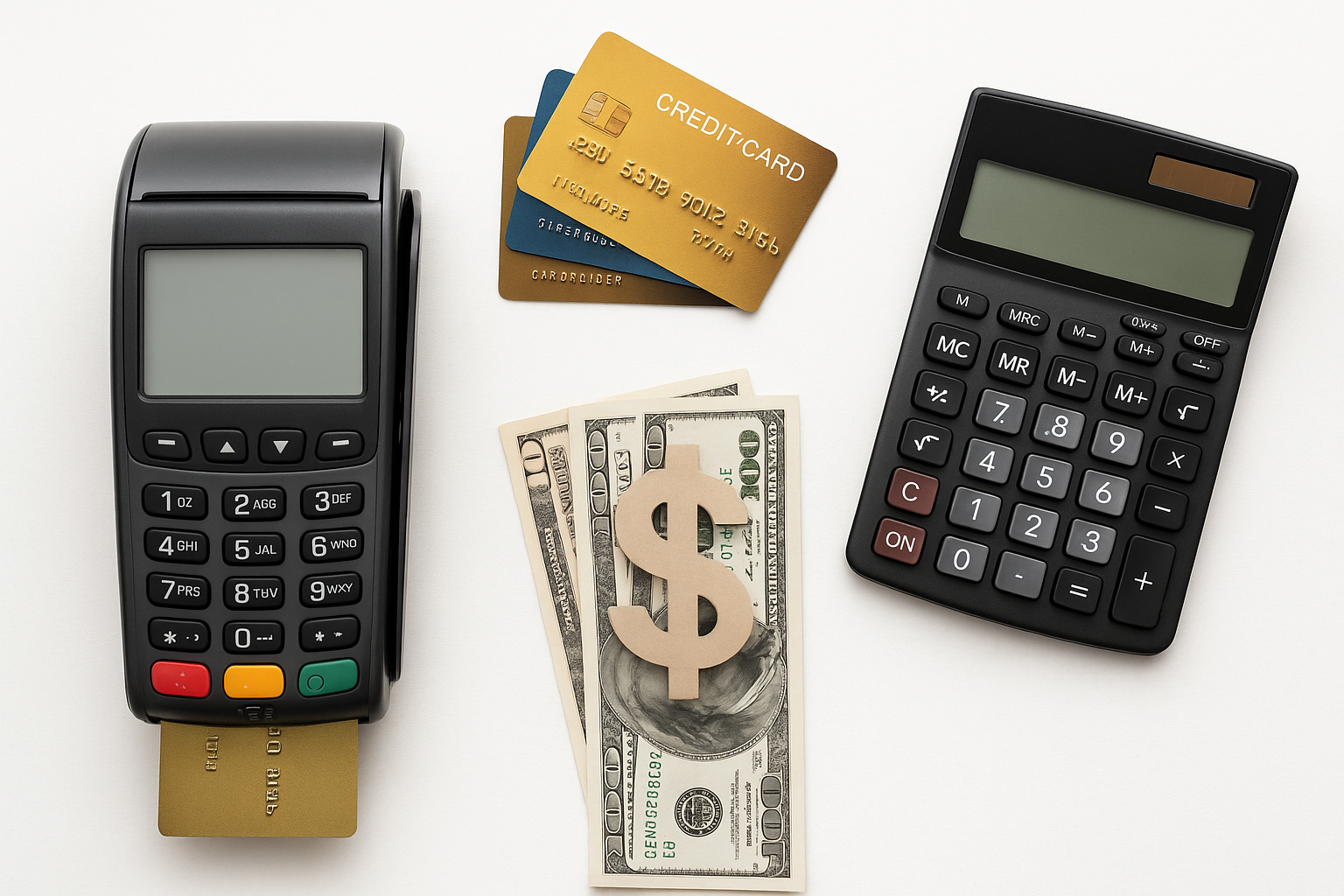
Credit and debit cards remain the most common online giving method. They are familiar, fast, and convenient for donors. Many nonprofits prioritize card processing because it works well for one-time gifts, event tickets, and online campaigns.
ACH and Bank Transfers
Automated Clearing House (ACH) payments allow donors to give directly from their bank accounts. ACH is often a cost-effective option for larger donations and recurring gifts because transaction fees are typically lower than card fees.
Digital Wallets
Apple Pay, Google Pay, and similar digital wallets make mobile giving faster and easier. Since many donors now complete transactions on smartphones, wallet options can improve conversion rates by reducing friction at checkout.
Text-to-Give and Mobile Giving
Mobile giving tools let supporters donate quickly from their phones, often during events, emergency appeals, or live campaigns. These tools are especially helpful for nonprofits trying to capture impulse giving or simplify donations during fundraising drives.
Checks and Offline Donations
Even in a digital-first environment, some nonprofits still accept checks, cash, or mailed donations. While these methods are not processed electronically in the same way, many organizations record them in their payment systems for accurate reporting and donor management.
Key Features to Look for in a Nonprofit Payment Processor
Not all payment processors are designed with nonprofits in mind. Choosing the right provider means looking beyond basic transaction functionality and focusing on tools that support fundraising goals.
Low Fees and Transparent Pricing
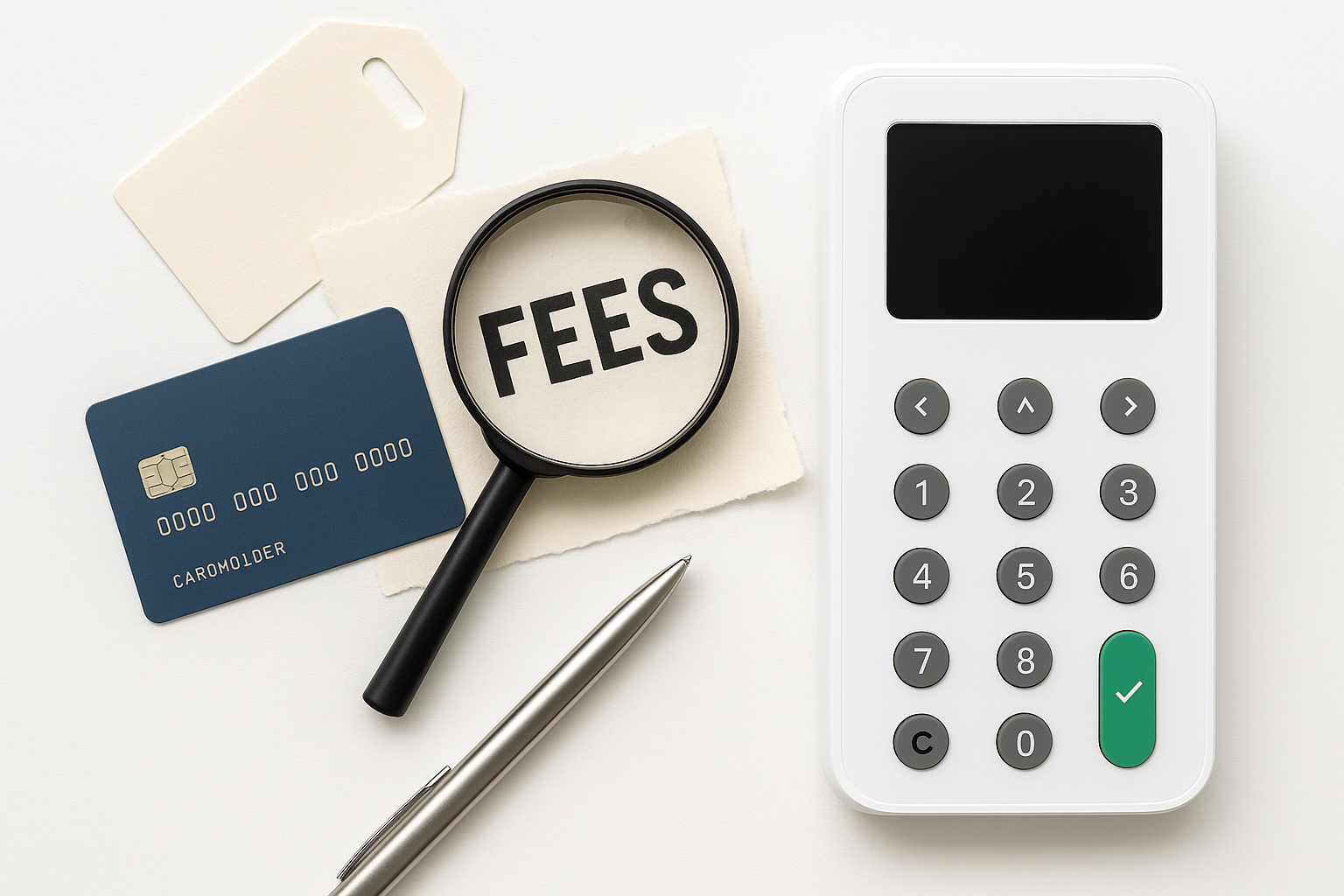
Nonprofits often work with tight budgets, so fee structure matters. Look for clear pricing with minimal hidden charges. Some processors offer discounted nonprofit rates or specialized packages for charitable organizations.
Recurring Donation Support
Recurring giving is one of the most valuable revenue sources for nonprofits. Your payment platform should make it easy for donors to sign up, update payment methods, pause contributions, or change gift amounts.
Donor-Friendly Checkout Experience
A short, mobile-responsive, and intuitive donation form can significantly improve conversion rates. Features like pre-filled forms, suggested giving amounts, and one-click payment options can reduce abandonment.
Security and Compliance
Look for PCI compliance, encryption, fraud detection, and tokenization. These safeguards protect donor data and reduce organizational risk. If you collect payments through your website, your processor should also support secure integrations and best practices for data handling.
CRM and Fundraising Integrations
Many nonprofits use donor management systems, CRMs, email tools, and accounting software. A strong payment processor should integrate with these platforms to reduce manual entry and improve reporting accuracy.
Reporting and Analytics
Fundraising leaders need real-time visibility into donation trends, campaign performance, and recurring revenue. Built-in reporting tools can help teams make better decisions and identify opportunities to grow support.
Common Challenges in Nonprofit Payment Processing
While payment processing can greatly improve fundraising efficiency, nonprofits often face a few common challenges.
One issue is transaction fees. Even small processing costs can add up quickly, especially for organizations with high donation volume. Nonprofits should weigh price against features, reliability, and support.
Another challenge is donor abandonment. If donation forms are too long, slow to load, or not mobile-friendly, supporters may not complete their gift. Simplifying the giving journey is often one of the fastest ways to improve results.
Chargebacks and failed recurring payments can also create headaches. Nonprofits need systems that help track declined transactions, update expiring cards, and notify staff when follow-up is needed.
Finally, integration issues can slow down operations. If donation data does not sync properly with accounting or CRM tools, staff may spend extra time reconciling records and generating reports.
Best Practices for Improving Nonprofit Payment Processing
A few smart practices can help nonprofits make their payment systems more effective and donor-friendly.
- Keep donation forms short and easy to complete.
- Offer suggested donation amounts to guide donor decisions.
- Enable recurring gifts as a prominent option.
- Make sure forms work well on mobile devices.
- Use clear, reassuring language about security and privacy.
- Automate receipts and thank-you messages whenever possible.
- Review failed payments regularly and follow up on lapsed donors.
- Test your checkout flow often to catch technical issues early.
Nonprofits should also review donor feedback and analytics to see where supporters may be dropping off. Small improvements, such as reducing the number of fields or adding digital wallet options, can have a meaningful impact on fundraising results.
Choosing the Right Payment Solution for Your Mission
The best nonprofit payment processing solution depends on your organization’s size, fundraising strategy, technical resources, and donor preferences. A local charity with a small team may need a simple, affordable platform, while a larger organization may require more advanced integrations and reporting tools.
Before choosing a provider, consider the types of donations you accept, the volume of transactions you expect, and the systems you already use. It is also worth evaluating customer support, implementation help, and scalability so your payment platform can grow with your organization.
Ultimately, the right solution should help your team spend less time on administration and more time advancing your mission. When payment processing is reliable, secure, and easy to use, both your staff and your donors benefit.
Conclusion
Nonprofit payment processing plays a central role in modern fundraising. The right system can improve donor trust, increase conversion rates, support recurring gifts, and streamline back-office operations. By focusing on security, flexibility, and a smooth donor experience, nonprofits can make it easier for supporters to give and stay engaged for the long term.