What Is B2B Payment Processing?
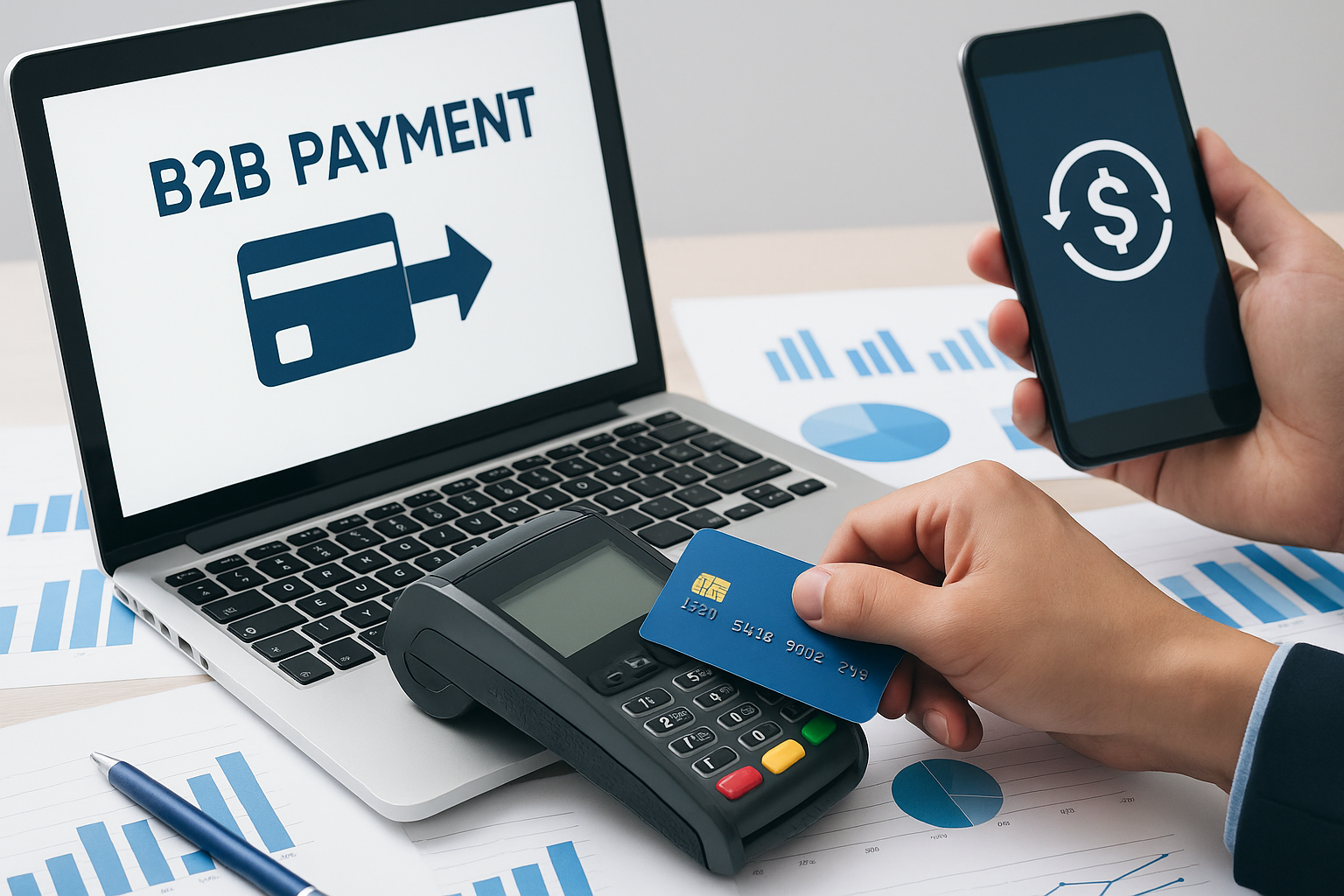
B2B payment processing refers to the systems and workflows businesses use to send and receive payments for goods and services from other businesses. Unlike consumer payments, B2B transactions often involve larger invoice amounts, negotiated terms, recurring payments, approvals, and more complex reconciliation requirements. As companies grow, efficient payment processing becomes essential for maintaining cash flow, reducing manual work, and improving supplier relationships.
At its core, B2B payment processing connects invoicing, payment acceptance, authorization, settlement, and accounting. The goal is not just to move money, but to do so in a way that is secure, traceable, and aligned with business operations. Whether a company pays vendors by ACH, credit card, wire transfer, virtual card, or check, the right payment process can significantly improve speed and visibility.
Why B2B Payment Processing Matters
For many organizations, payment processing is more than a back-office function. It directly affects working capital, operational efficiency, vendor satisfaction, and the customer experience. Slow or error-prone payment workflows can create late fees, damaged supplier relationships, and unnecessary administrative costs. On the other hand, a streamlined payment process can help businesses take advantage of early payment discounts, reduce fraud exposure, and improve forecasting accuracy.
In B2B environments, the stakes are often higher than in consumer payments. Transactions may require purchase order matching, tax validation, invoice approvals, and compliance checks. A robust payment process gives finance teams better control over approvals and provides leadership with greater visibility into outgoing and incoming cash.
Common B2B Payment Methods
ACH Transfers
Automated Clearing House (ACH) transfers are one of the most common payment methods in the United States. They are cost-effective, widely accepted, and suitable for recurring or high-volume payments. ACH is often used for vendor payments, payroll, and subscription-style business arrangements. While ACH is typically slower than card payments, it offers a reliable and low-cost option for many businesses.
Wire Transfers
Wire transfers are ideal for large, urgent, or cross-border transactions. They move funds quickly and are commonly used when speed is a priority. However, wire fees are usually higher than other payment methods, and transfers are often irreversible. Because of this, businesses should use strong approval controls before sending wires.
Credit Cards and Virtual Cards
Business credit cards and virtual cards provide flexibility and can help extend payment terms while preserving cash. Virtual cards are especially useful in B2B payment processing because they generate unique card numbers for specific transactions, improving security and reconciliation. Some suppliers prefer card payments because they can receive funds faster, though processing fees may be higher.
Checks
Although paper checks are still used in some industries, they are slower and more labor-intensive than electronic methods. They require printing, mailing, manual handling, and reconciliation, which increases the risk of delays and errors. Many companies are actively moving away from checks in favor of digital payment methods.
Digital and Real-Time Payments
Emerging payment rails and digital payment platforms are making B2B transactions faster and more transparent. Real-time payment options can help businesses settle invoices immediately, improving cash flow and reducing uncertainty. As adoption grows, these solutions are becoming an increasingly important part of modern B2B payment processing strategies.
Key Challenges in B2B Payment Processing
Complex Approval Workflows
Unlike simple one-click consumer payments, B2B transactions often require multiple approvals. Finance teams may need to verify invoice details, compare them to purchase orders, and route payments through several stakeholders. Without automation, these steps can create bottlenecks and slow down settlement.
Manual Reconciliation
Matching payments to invoices, purchase orders, and general ledger entries can be time-consuming when done manually. Teams may spend hours resolving mismatches caused by partial payments, duplicate invoices, or missing references. A modern payment processing system should simplify reconciliation by automatically attaching payment data to the correct records.
Fraud and Security Risks
B2B payments are attractive targets for fraud because they often involve large amounts and multiple approval layers. Common threats include business email compromise, account takeover, invoice fraud, and payment redirection scams. Strong authentication, dual approvals, and secure payment portals can reduce these risks significantly.
Cross-Border Complexity
International B2B payments can introduce foreign exchange costs, intermediary bank fees, compliance requirements, and settlement delays. Businesses operating globally need payment systems that support multiple currencies, clear fee visibility, and region-specific regulations.
Best Practices for Streamlining B2B Payments
Automate Invoice and Payment Workflows
Automation is one of the fastest ways to improve payment processing. By digitizing invoice capture, approval routing, and payment execution, businesses can reduce errors and save time. Automated workflows also improve consistency, which is especially valuable for organizations handling large payment volumes.
Centralize Payment Visibility
When payment data is spread across spreadsheets, email threads, and accounting tools, it becomes difficult to track what has been paid and what is still pending. A centralized payment platform helps finance teams monitor transaction status, pending approvals, and historical records in one place. This visibility supports better decision-making and stronger cash flow management.
Use Multiple Payment Methods Strategically
Not every supplier will accept the same payment type, and not every payment method fits every situation. Businesses can optimize costs and speed by choosing the most appropriate method based on transaction size, urgency, and supplier preference. For example, ACH may be best for routine domestic payments, while wires may be necessary for urgent international transfers.
Strengthen Internal Controls
Clear approval hierarchies, role-based permissions, and payment limits are essential for reducing fraud and preventing mistakes. Businesses should also maintain audit trails for every payment action so that finance teams can quickly investigate exceptions or disputes. Strong controls protect both the company and its vendors.
Integrate Payments with Accounting Systems
Integration between payment processing platforms and accounting software reduces duplicate data entry and improves accuracy. When systems sync automatically, finance teams can post payments faster, close books more efficiently, and reduce the risk of reconciliation errors. Integration also creates a cleaner audit trail for reporting and compliance.
How B2B Payment Processing Supports Business Growth
Efficient payment processing is not just an operational upgrade; it can also support growth. Faster, more reliable payment workflows help businesses build trust with vendors, secure better terms, and reduce administrative overhead. When finance teams spend less time managing payment exceptions, they can focus more on strategy, forecasting, and expansion.
Scalable payment infrastructure also matters as companies enter new markets or increase transaction volume. A flexible solution can handle more suppliers, more currencies, and more approval complexity without adding significant headcount. In this way, B2B payment processing becomes a foundation for sustainable growth.
Conclusion
B2B payment processing plays a critical role in how businesses manage cash flow, maintain supplier relationships, and reduce operational friction. By choosing the right payment methods, automating workflows, and strengthening controls, companies can make payments faster, safer, and more efficient. As payment technology continues to evolve, businesses that modernize their payment processes will be better positioned to scale with confidence.