What Is Payment Data Security?
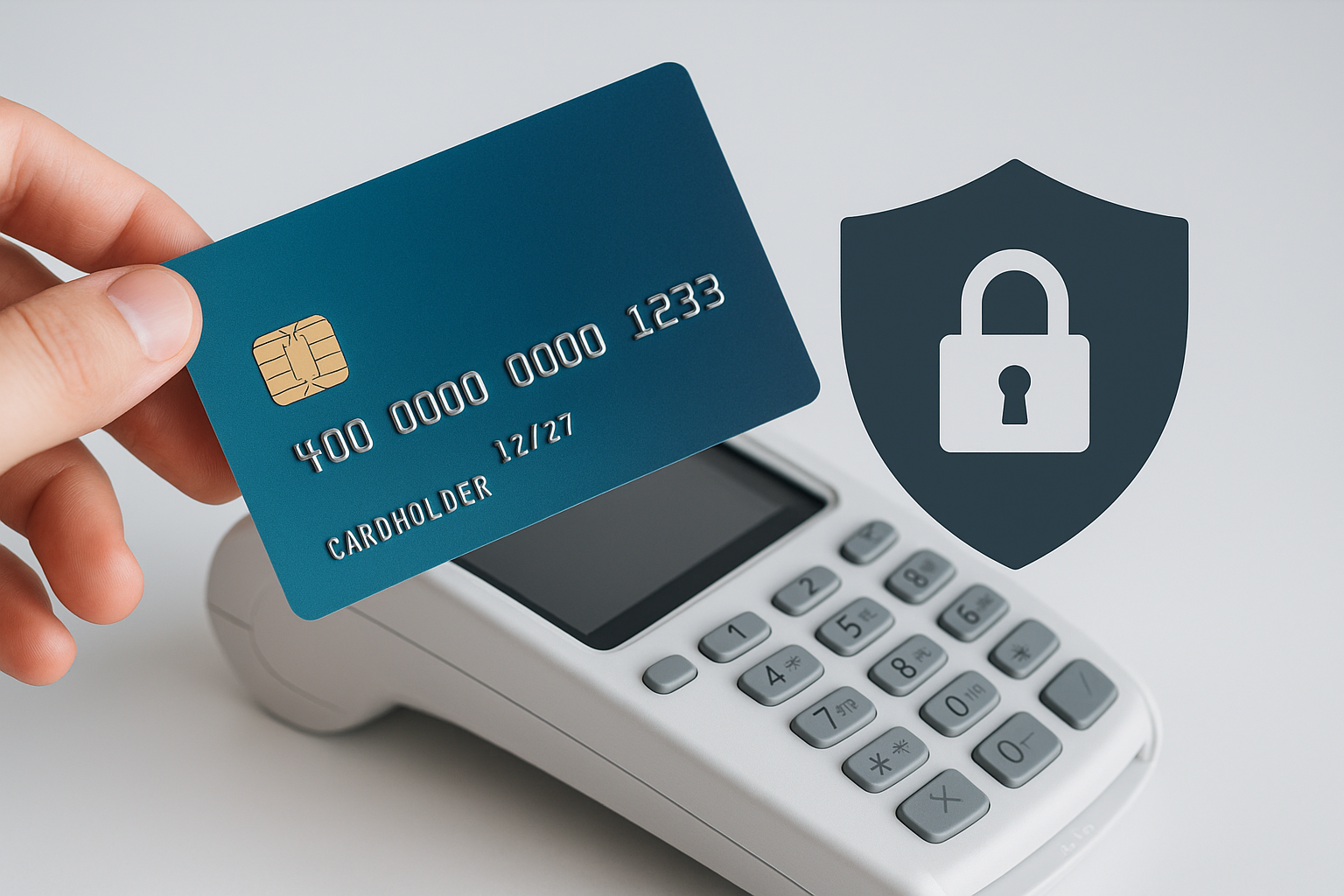
Payment data security is the practice of protecting sensitive information involved in financial transactions, such as credit card numbers, bank details, billing addresses, and authentication data. In a world where purchases happen online, in apps, and in person, keeping this information safe is essential for businesses of every size.
When payment data is exposed, the impact can be serious: financial loss, fraud, identity theft, damaged customer trust, and regulatory penalties. Strong payment data security helps reduce these risks and creates a safer experience for customers.
It also supports business growth. Customers are more likely to buy from companies they trust, and a secure payment environment is a key part of that trust.
Why Payment Data Security Matters
Payment data is a high-value target for cybercriminals because it can be used quickly for fraud or sold on the dark web. A single breach can affect hundreds or thousands of customers at once, making payment systems one of the most critical areas to protect.
Beyond the immediate financial damage, a security incident can lead to long-term consequences. Businesses may face chargebacks, legal costs, downtime, reputational harm, and the expense of rebuilding their systems and customer confidence.
Security is also tied to compliance. Many industries must meet strict requirements for handling cardholder data and personal information. Failing to do so can trigger audits, fines, or payment processor restrictions.
Common Threats to Payment Data
Phishing and Social Engineering
Attackers often trick employees or customers into revealing sensitive payment details or login credentials. Fake emails, fraudulent websites, and impersonation tactics remain among the most common entry points for attacks.
Malware and Spyware
Malicious software can steal payment data directly from devices or payment systems. Some malware is designed to capture keystrokes, intercept transactions, or monitor web traffic for card information.
Data Breaches
Weak passwords, outdated software, and misconfigured systems can allow hackers to access databases that store customer payment data. Once inside, attackers may extract large amounts of information in minutes.
Insecure Networks
Unprotected Wi-Fi, poorly configured routers, and unsafe remote access tools can expose payment data in transit. If information is not encrypted, criminals may intercept it before it reaches the intended destination.
Third-Party Vulnerabilities
Many businesses rely on payment processors, plugins, and service providers. If one vendor has weak security, it can become a pathway into your environment and put customer data at risk.
Best Practices for Payment Data Security
Use Encryption Everywhere
Encryption transforms readable payment information into code that unauthorized users cannot easily decipher. It should protect data both at rest and in transit, especially during checkout, storage, and transmission between systems.
Tokenize Sensitive Information
Tokenization replaces card details with random tokens that have no value outside the payment environment. This reduces exposure because the original payment data is not stored unnecessarily.
Implement Strong Access Controls
Only employees who truly need access to payment systems should have it. Role-based permissions, least-privilege access, and regular reviews of user accounts can significantly reduce internal risk.
Require Multi-Factor Authentication
Passwords alone are no longer enough. Multi-factor authentication adds another layer of protection by requiring a second form of verification, such as a code, app approval, or hardware key.
Keep Systems Updated
Software updates often include security patches that close known vulnerabilities. Payment platforms, plugins, operating systems, and point-of-sale devices should be updated promptly and monitored for weak spots.
Monitor and Log Activity
Security logs help businesses detect suspicious behavior early. Unusual login attempts, large data exports, or repeated failed authentications can signal that something is wrong and should be investigated quickly.
Train Employees Regularly
Human error is one of the biggest security risks. Staff should know how to recognize phishing attempts, handle customer data properly, and report suspicious activity without delay.
Secure the Checkout Experience
A safe checkout process should include HTTPS, trusted payment gateways, fraud checks, and clear verification steps. Businesses should also test forms and integrations to make sure no sensitive data is accidentally exposed.
PCI DSS and Compliance Basics
The Payment Card Industry Data Security Standard, or PCI DSS, is a widely recognized framework for protecting cardholder data. It applies to organizations that store, process, or transmit payment card information.
PCI DSS includes requirements such as maintaining secure networks, protecting stored data, restricting access, monitoring systems, and testing security regularly. While compliance does not guarantee perfect security, it creates an important baseline for protecting payment information.
Businesses should also remember that compliance is not limited to one checklist. Depending on location and industry, there may be additional privacy and data protection laws that affect how payment data is collected, stored, and shared.
How to Build a Strong Payment Security Strategy
A strong strategy starts with understanding where payment data lives and how it moves through your systems. Map every point where information is collected, transmitted, processed, or stored, then identify the biggest risks at each stage.
Next, layer your defenses. Use secure payment providers, encrypt all sensitive data, segment networks, and limit who can access critical systems. Combining multiple controls is far more effective than relying on a single security tool.
Regular testing is also essential. Vulnerability scans, penetration tests, and internal audits can reveal weaknesses before attackers do. Incident response planning matters too, because fast action can limit damage if a breach occurs.
Finally, make security an ongoing process. Threats change constantly, so payment protection should be reviewed and improved on a regular basis rather than treated as a one-time project.
Conclusion
Payment data security is not just a technical concern; it is a business priority. By protecting customer information with encryption, strong access controls, compliance practices, and ongoing monitoring, companies can reduce risk and strengthen trust. A secure payment environment helps protect both your customers and your reputation.