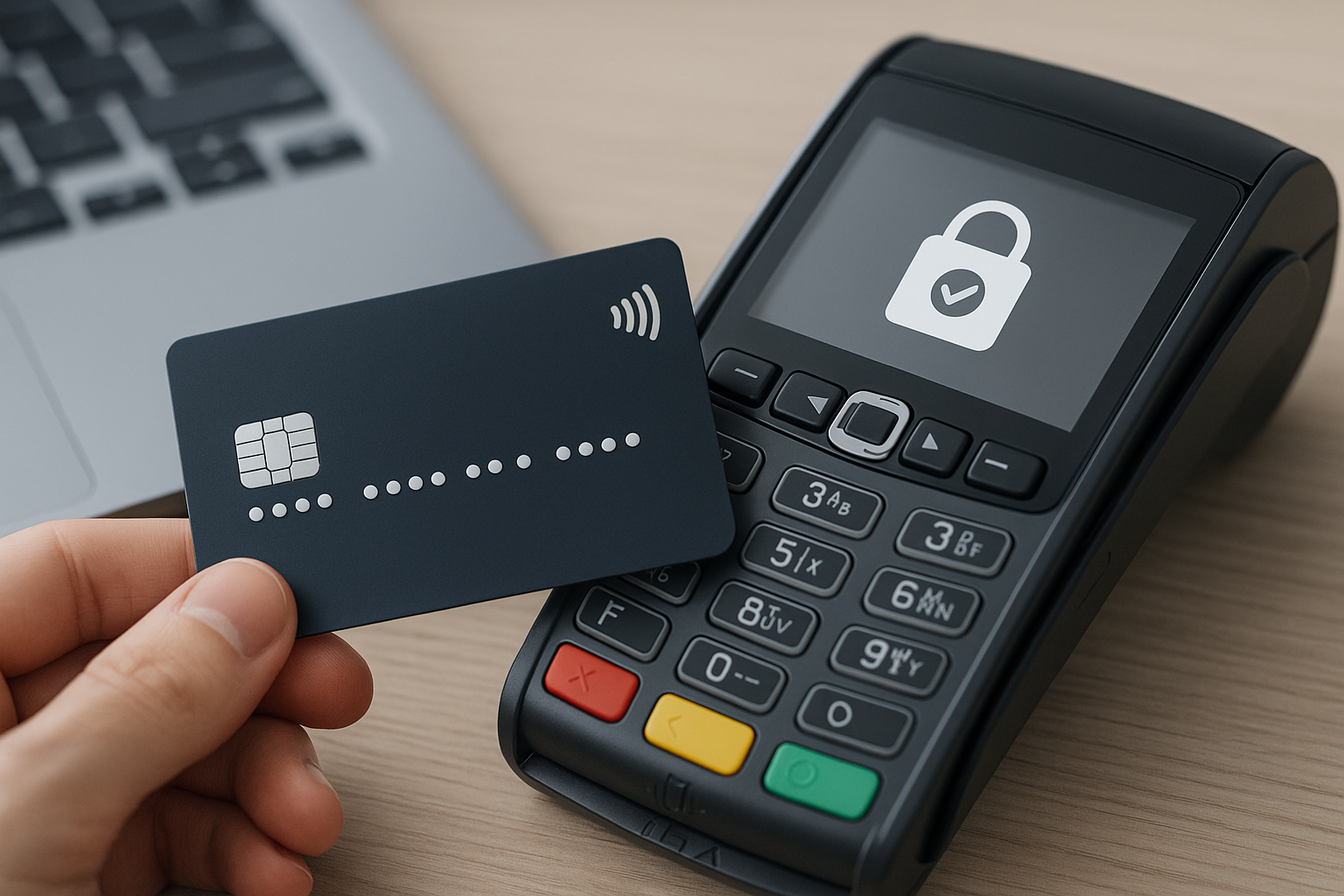
What Is Tokenization in Payments?
Tokenization in payments is a security method that replaces sensitive payment data, such as a card number, with a unique identifier called a token. This token has no usable value outside the specific payment system or environment it was created for. If intercepted or stolen, it cannot be used to reveal the original card details.
In simple terms, tokenization helps protect payment information by swapping real data for a surrogate value. For businesses and customers alike, this reduces risk during transactions, storage, and processing.
How Tokenization Works
When a customer enters payment details, the card number is sent to a secure tokenization system. That system generates a token and stores the actual card data in a protected vault or secure environment. The token is then used in place of the real card number for future transactions or internal processing.
For example, if a customer saves a card for recurring payments, the merchant may store only the token rather than the actual card number. When the next payment is due, the token is sent to the payment processor, which maps it back to the original card information in a secure environment.
This process typically involves three key parts:
- Original card data captured at checkout or payment entry
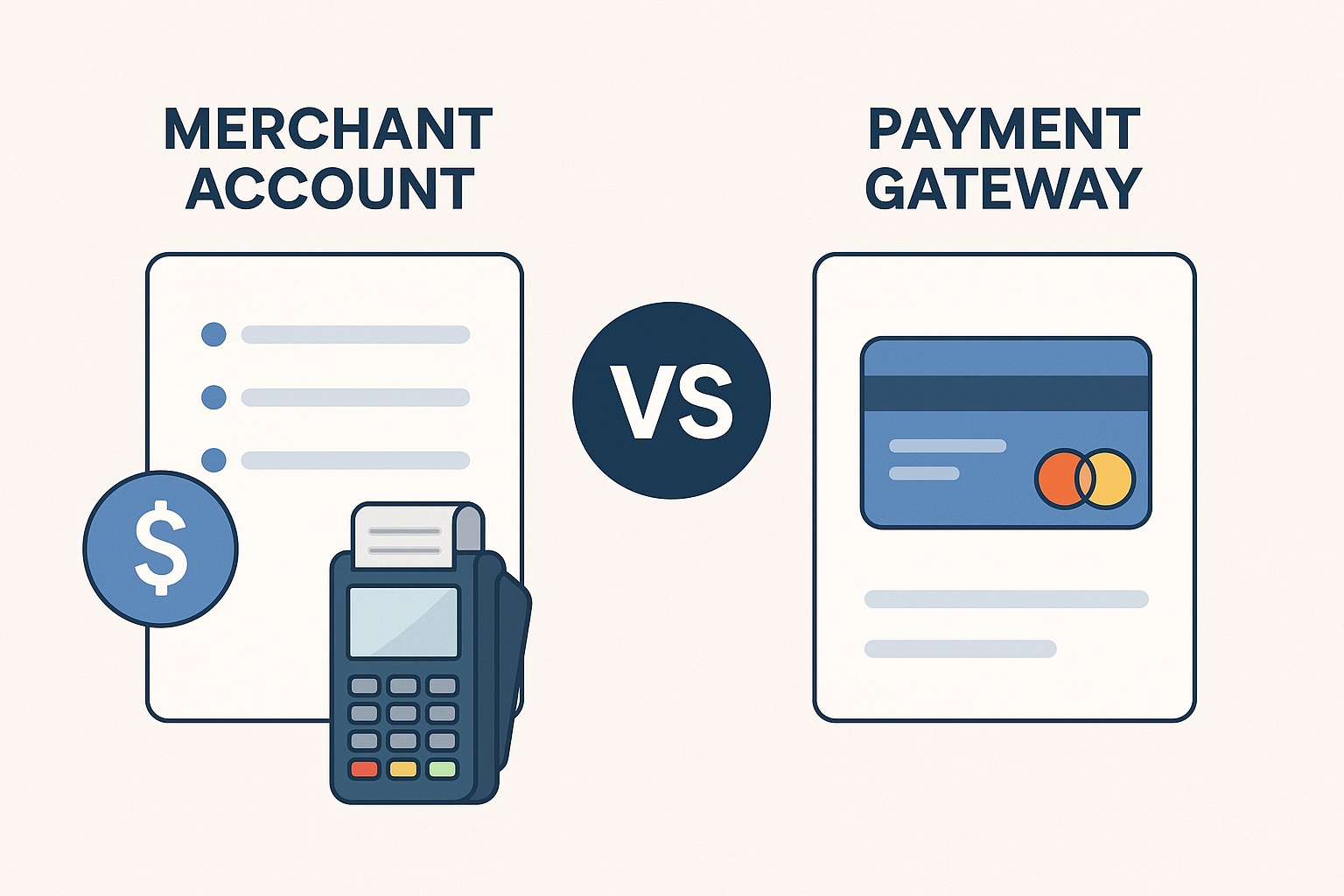
- Token generation by a payment gateway or tokenization provider
- Secure mapping between the token and the real card data in a protected vault
Types of Payment Tokenization
Network Tokens
Network tokens are issued by major card networks like Visa, Mastercard, or American Express. These tokens are often used for card-on-file and recurring payments. They can improve authorization rates and may continue to work even when a card is reissued or updated.
Merchant Tokens
Merchant tokens are created by a specific business or its payment provider. They are usually only meaningful within that merchant’s system. If a customer uses the same card at another business, a different token will be generated.
Device Tokens
Device tokens are used in digital wallets and mobile payment environments. They are tied to a particular device or app, adding another layer of security for in-app and contactless transactions.
Why Tokenization Is Important
Tokenization matters because payment data is a valuable target for fraudsters. Every time card details are stored or transmitted, there is a risk of interception, misuse, or exposure. Tokenization reduces that risk by limiting where sensitive data exists and who can access it.
It also helps businesses handle payment information more safely without keeping raw card numbers in their systems. That can lower the impact of a breach and reduce compliance burdens related to payment security.
Improved Security
Since tokens cannot be reverse-engineered into card numbers without access to the token vault, stolen token data is far less useful to attackers.
Reduced PCI Scope
Businesses that use tokenization may reduce the amount of card data they store or process directly. This can simplify PCI DSS compliance and lessen the security controls required across their environment.
Better Customer Experience
Tokenization supports smoother checkout experiences, especially for saved cards, subscriptions, and one-click payments. Customers can pay quickly without re-entering details each time.
Tokenization vs. Encryption
Tokenization and encryption both protect payment data, but they work differently. Encryption transforms data into an unreadable format using a key. With the correct key, the data can be decrypted back to its original form.
Tokenization, on the other hand, replaces the data with a token that has no mathematical relationship to the original information. Without access to the secure token vault, the token cannot be converted back into the card number.
In practice, the two methods are often used together. Encryption protects data during transmission and storage, while tokenization reduces the amount of sensitive information that needs to be handled in the first place.
Common Use Cases for Tokenization
Recurring Billing
Subscription businesses rely on tokenization to charge customers on a schedule without storing card numbers themselves. This makes renewals more secure and reliable.
Ecommerce Checkout
Online retailers use tokenization to enable saved payment methods and faster checkout. Returning customers can complete purchases more easily, which may help reduce cart abandonment.
In-App and Mobile Payments
Apps and digital wallets often rely on tokens instead of real card details. This improves security for mobile purchases and tap-to-pay experiences.
Point-of-Sale Transactions
In physical stores, tokenization can protect card data used in contactless or card-on-file scenarios, reducing exposure if systems are compromised.
Benefits for Businesses and Customers
For businesses, tokenization can lower fraud risk, support compliance efforts, and create a more seamless payment experience. It can also reduce the operational burden of safeguarding raw card data across multiple systems.
For customers, the main benefit is peace of mind. Their payment information is less exposed, while checkout remains fast and convenient. That combination of security and ease of use is one reason tokenization has become a standard part of modern payment systems.
Challenges and Considerations
Although tokenization offers significant advantages, it is not a complete security solution on its own. Businesses still need strong access controls, secure payment partners, monitoring, and fraud prevention tools.
It is also important to understand how tokens are created, stored, and managed. Not all tokenization systems are the same, and some may be limited to a single merchant or platform. Choosing the right provider and integration approach is essential.
Another consideration is interoperability. A token that works in one system may not be usable in another unless standards and network support are in place.
The Future of Tokenization in Payments
As digital payments continue to grow, tokenization is becoming even more important. It supports a world where consumers pay across devices, channels, and platforms while expecting both speed and security.
We can expect broader use of network tokens, smarter lifecycle management for payment credentials, and deeper integration with mobile wallets, subscription platforms, and embedded finance. As payment experiences evolve, tokenization will remain a foundational security layer.
Conclusion
Tokenization in payments protects sensitive card data by replacing it with a secure token that is useless outside its intended environment. It improves security, supports compliance, and makes checkout more convenient for customers. For modern businesses, it is a practical and powerful way to reduce risk while delivering a better payment experience.