Payment Data Security: Why It Matters
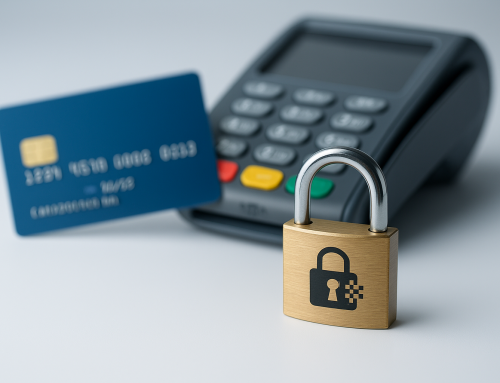
Payment data security is the practice of protecting sensitive financial information during payment transactions and storage. This includes card numbers, bank details, billing addresses, authentication data, and other personal information that can be used for fraud or identity theft. For businesses, securing payment data is not just a technical requirement; it is a critical part of earning customer trust and avoiding costly breaches.
As digital payments continue to grow, so do the risks. Cybercriminals target payment systems because they often contain valuable information that can be used quickly and illegally. A single security gap can expose thousands of records, trigger chargebacks, damage a brand’s reputation, and lead to regulatory penalties. That is why payment data security should be a core priority for any business that accepts payments online, in person, or through mobile channels.
What Is Payment Data Security?
Payment data security refers to the set of technologies, policies, and procedures used to safeguard payment information from unauthorized access, alteration, or theft. It covers the entire payment lifecycle, from when a customer enters payment details to when the transaction is processed and recorded.
Strong payment data security typically includes encryption, tokenization, access controls, secure payment gateways, fraud monitoring, and compliance with industry standards. It also involves employee training, vendor risk management, and regular security testing. In short, it is a layered approach designed to reduce risk at every stage of the payment flow.
Common Threats to Payment Data
Understanding the most common threats is the first step toward reducing them. Payment systems are exposed to a wide range of attacks, and many of them rely on human error or weak controls.
Phishing and Social Engineering
Attackers often trick employees or customers into revealing login credentials, card details, or one-time codes. These scams can look like legitimate emails, texts, or phone calls, making them especially dangerous.
Malware and Ransomware
Malicious software can capture payment data directly from devices or encrypt critical systems until a ransom is paid. Point-of-sale malware, keyloggers, and remote access trojans are common examples.
Card Skimming and Data Interception
In physical environments, skimming devices can capture card data from payment terminals or ATMs. Online, insecure connections or compromised websites can allow attackers to intercept data during transmission.
Insider Threats
Not all threats come from outside the organization. Employees, contractors, or partners with excessive access may accidentally expose data or intentionally misuse it.
Key Principles of Payment Data Security
Effective payment data security is built on a few fundamental principles. These principles help businesses minimize exposure and reduce the impact of any incident.
Minimize Data Collection
The less payment data you store, the less there is to protect. Collect only what is necessary for processing transactions, and avoid retaining sensitive details unless there is a clear business or legal need.
Encrypt Data in Transit and at Rest
Encryption protects data by making it unreadable to unauthorized users. Payment data should be encrypted when transmitted over networks and when stored in databases, backups, or logs.
Use Tokenization
Tokenization replaces sensitive payment data with randomly generated tokens. Even if a token is intercepted, it has no value outside the secure system that created it. This significantly lowers the risk of exposure.
Restrict Access
Only authorized personnel should be able to access payment systems and data. Role-based access control, multi-factor authentication, and least-privilege permissions reduce the chances of misuse or compromise.
Best Practices for Protecting Payment Data
There are several practical steps businesses can take to strengthen payment data security. These measures apply to organizations of all sizes, from small retailers to global enterprises.
Choose Secure Payment Gateways
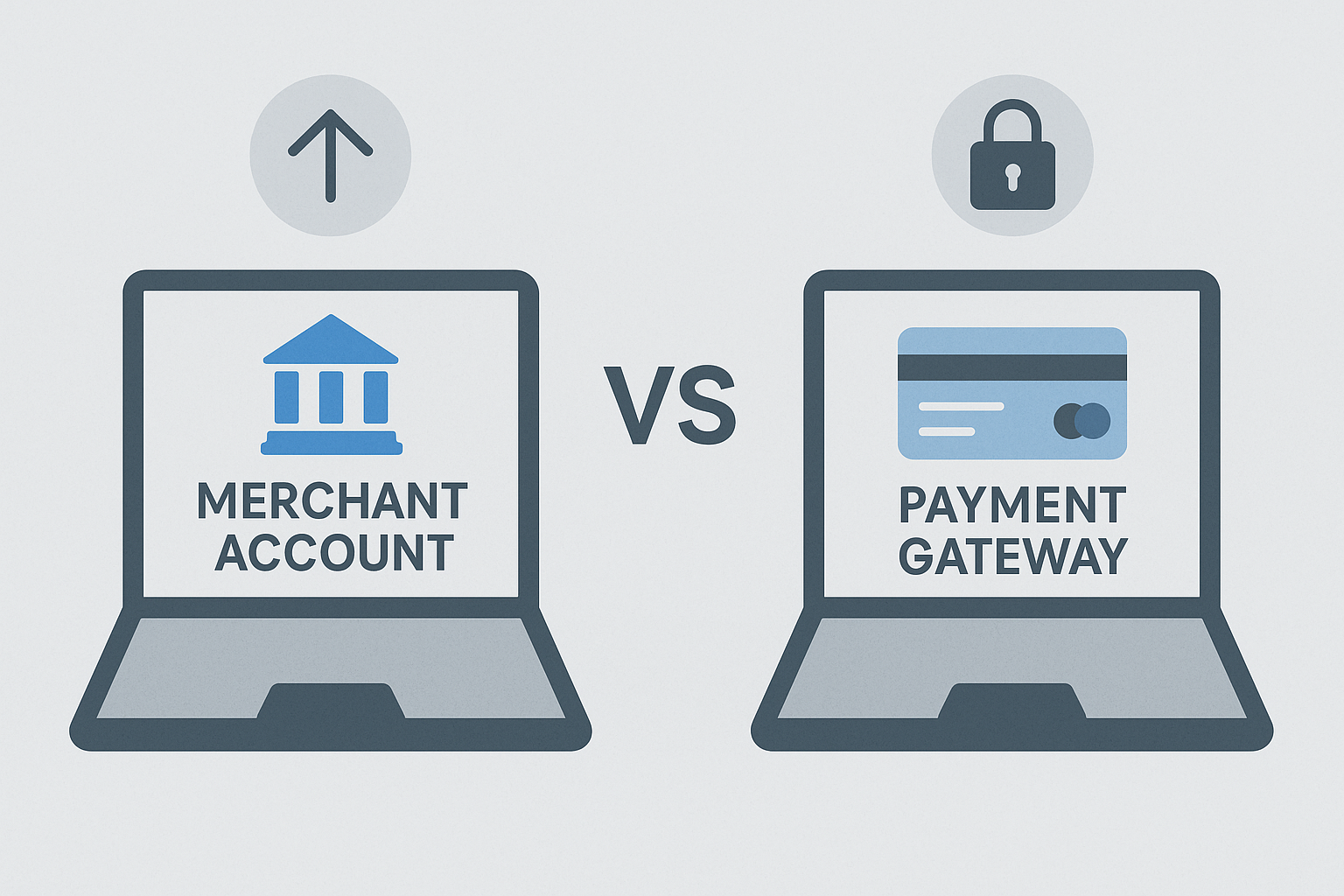
A reputable payment gateway can handle sensitive card data securely and reduce the burden on your internal systems. Look for providers that support encryption, tokenization, fraud tools, and compliance features.
Maintain PCI DSS Compliance
The Payment Card Industry Data Security Standard (PCI DSS) is the major framework for protecting cardholder data. While compliance is not a guarantee of security, it provides an important baseline for secure handling, storage, and transmission of payment information.
Implement Strong Authentication
Passwords alone are not enough. Use multi-factor authentication for administrative accounts, payment dashboards, and any system that accesses sensitive financial data.
Segment Networks
Network segmentation limits how far an attacker can move if one system is compromised. Isolating payment environments from other business systems can reduce the damage caused by a breach.
Monitor Transactions for Fraud
Automated fraud detection tools can flag unusual activity such as multiple failed payment attempts, mismatched billing information, or suspicious geographic patterns. Real-time monitoring helps stop fraud before it spreads.
Train Employees Regularly
Security awareness training is essential. Staff should know how to identify phishing attempts, handle payment information safely, and report suspicious behavior immediately.
Keep Systems Updated
Unpatched software is a common entry point for attackers. Regular updates to payment platforms, plugins, operating systems, and security tools help close known vulnerabilities.
How Businesses Can Build a Security-First Culture
Payment data security is most effective when it is part of the company culture rather than treated as an afterthought. Leaders should make security visible, measurable, and accountable across teams.
Start by assigning clear ownership for security-related tasks. Create policies for data handling, password management, device use, and incident reporting. Review these policies often and make sure they are practical for day-to-day operations. It also helps to test incident response plans so teams know exactly what to do if suspicious activity is detected.
Security should be discussed during vendor selection, product development, and customer support planning. When teams think about risk early, they are better able to prevent problems instead of reacting after the fact.
The Business Benefits of Strong Payment Data Security
Investing in payment data security does more than reduce risk. It also creates business value. Customers are more likely to complete purchases when they trust a company to protect their information. A secure payment experience can improve conversion rates, reduce cart abandonment, and strengthen brand loyalty.
Strong security also lowers the likelihood of chargebacks, fraud losses, and expensive recovery efforts after a breach. For growing businesses, security readiness can support expansion into new markets, payment methods, and partnerships. In many industries, it is also a key requirement for meeting contractual and regulatory expectations.
What to Do If Payment Data Is Exposed
Even well-protected systems can face incidents, so having a response plan is essential. If payment data is exposed, act quickly to contain the breach and limit further damage. Disconnect affected systems if necessary, preserve evidence, and notify internal security or IT teams immediately.
Next, assess the scope of the incident. Determine what data was exposed, how the breach occurred, and whether customers or partners are at risk. Depending on the situation, you may need to notify payment processors, banks, regulators, or affected customers. After containment and notification, conduct a full review to identify the root cause and strengthen controls so the same issue does not happen again.
Conclusion
Payment data security is essential for protecting customers, reducing fraud, and maintaining trust in a digital economy. By combining strong technology, clear policies, employee training, and ongoing monitoring, businesses can significantly lower their risk and create a safer payment experience for everyone.