
Nonprofit payment processing is the system that allows organizations to accept donations, membership fees, event registrations, recurring gifts, and other payments securely and efficiently. For many nonprofits, smooth payment processing is more than a convenience—it directly affects fundraising success, donor trust, and day-to-day operations. When supporters can give easily and confidently, your organization can spend less time troubleshooting transactions and more time advancing its mission.
What Is Nonprofit Payment Processing?
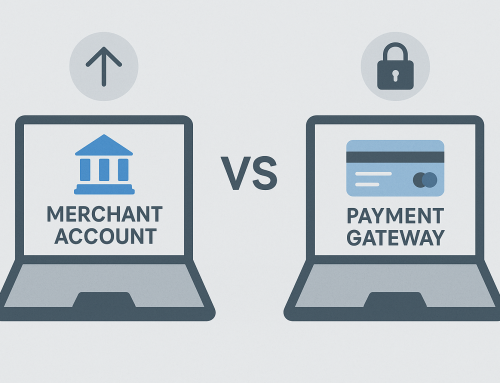
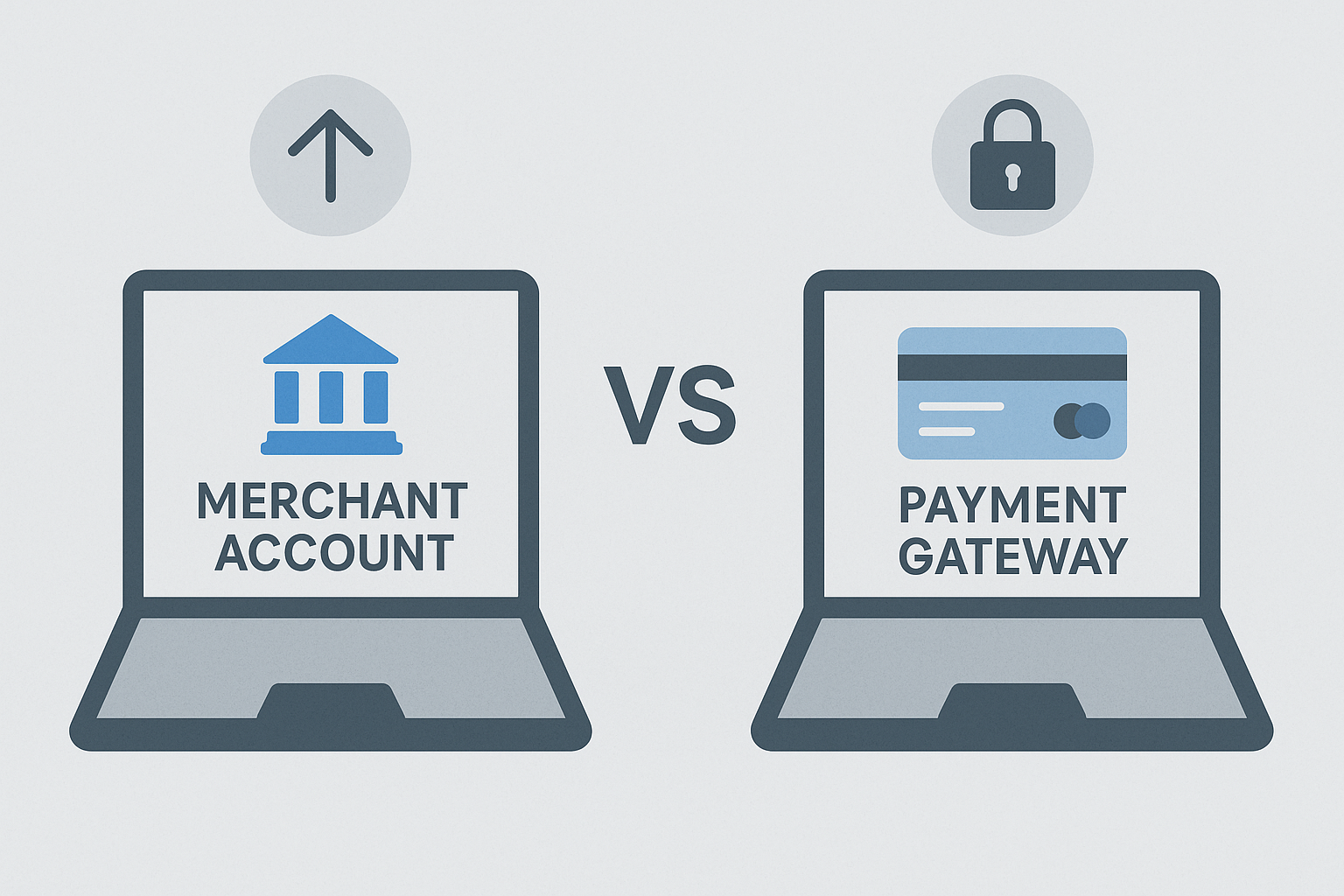
Nonprofit payment processing refers to the technology and services that handle digital transactions for charitable organizations. It typically includes payment gateways, merchant accounts, donation forms, and tools that verify and move funds from donors to the nonprofit’s bank account. These systems can accept credit cards, debit cards, ACH bank transfers, digital wallets, and sometimes even mobile or text-to-give donations.
Unlike general eCommerce payment processing, nonprofit processing often needs to support donation-specific features such as recurring giving, donor receipts, customizable giving forms, peer-to-peer fundraising, and integration with donor management software. In other words, the best solution is not just about taking payments—it is about supporting the full donor journey.
Why Payment Processing Matters for Nonprofits
Every donation should be as frictionless as possible. If a supporter encounters a confusing form, a failed transaction, or a payment method they do not trust, that gift may never be completed. Strong payment processing helps nonprofits maximize conversions by making it easy to donate on any device, at any time.
It also helps build credibility. Donors want to know their financial information is protected and their contribution will be handled properly. A professional, secure checkout experience reinforces your organization’s trustworthiness and encourages repeat giving.
In addition, efficient processing reduces administrative burden. Automated receipting, recurring payment management, and clean reporting can save staff hours every month while making accounting and reconciliation much easier.
Key Features to Look For
1. Secure Donation Forms
Your donation form is often the first touchpoint in the payment experience. Look for customizable forms that can be embedded on your website, branded to match your organization, and optimized for mobile devices. Simple forms with clear calls to action usually perform better than long, complicated ones.
2. Recurring Giving Support
Recurring donations are a major source of predictable revenue for many nonprofits. A strong payment processor should make it easy for donors to select monthly or annual giving options, update payment details, and manage their subscriptions without staff intervention.
3. Multiple Payment Methods
Donors have different preferences, so offering multiple ways to give can increase completion rates. In addition to credit and debit cards, consider ACH transfers, Apple Pay, Google Pay, and other digital wallets. Some organizations also benefit from text-to-give or QR-code-based giving at events.
4. Integration With CRM and Accounting Tools
The best nonprofit payment processing platforms connect with your donor database, CRM, email marketing software, and accounting system. These integrations reduce manual data entry, improve record accuracy, and help your team understand donor behavior more clearly.
5. Automated Tax Receipts
Tax-compliant receipts are essential for donors and useful for your records. Automated acknowledgment emails can save time and ensure donors receive prompt documentation after making a gift.
6. Reporting and Analytics
Detailed reporting helps you track donation volume, average gift size, recurring revenue, failed payments, and campaign performance. These insights can guide fundraising decisions and show which channels produce the best results.
How to Choose the Right Payment Processor
Choosing the right processor starts with understanding your fundraising goals. A small community nonprofit may prioritize affordability and ease of use, while a larger organization may need advanced reporting, complex integrations, or enterprise-level support.
Start by comparing fee structures. Some processors charge flat-rate transaction fees, while others use interchange-plus pricing or monthly subscription models. Make sure you understand all costs, including setup fees, chargeback fees, and monthly platform charges. Even a low transaction rate can become expensive if hidden fees are involved.
Next, evaluate ease of use. Your staff should be able to access reports, issue refunds, manage recurring gifts, and troubleshoot basic issues without a steep learning curve. If your team spends too much time on administration, even a powerful platform can become a burden.
Security and compliance should also be non-negotiable. Look for PCI-compliant systems, fraud prevention tools, encryption, and tokenization. These protections help safeguard donor data and reduce your organization’s risk.
Finally, consider customer support. Reliable support is especially important during major campaigns, year-end fundraising, and live events when payment issues can have immediate consequences. A responsive provider can make a meaningful difference when time is critical.
Best Practices for Improving Donation Conversions
To get the most from your nonprofit payment processing system, focus on reducing friction and building trust. Keep donation forms short and easy to complete. Ask only for the information you truly need, and avoid unnecessary fields that may discourage donors from finishing.
Make your giving page mobile-friendly. Many donors now give from phones or tablets, especially after seeing a campaign on social media or in an email. A responsive design with large buttons and a clean layout can significantly improve conversion rates.
Offer suggested donation amounts to help guide decision-making, but always include a custom amount option. You may also want to highlight the impact of each gift level, such as what $25, $50, or $100 can help accomplish.
Use trust signals wherever possible. Secure payment badges, clear privacy language, and reassurance about how funds will be used can help reduce hesitation. Donors are far more likely to complete a gift when they feel confident in your organization.
Finally, test and refine regularly. Small changes to your form layout, button text, or payment options can have a surprising effect on donation rates. Monitor your data and keep improving over time.
Common Challenges Nonprofits Face
One common challenge is failed recurring payments. Credit cards expire, bank information changes, and donations can be declined for a variety of reasons. A system with automatic retry logic and donor update tools can help recover lost revenue.
Another issue is fragmented data. If donation records, email contacts, and accounting entries live in separate systems, staff may struggle to maintain an accurate donor picture. Integrated tools solve this by syncing information across platforms.
Nonprofits also need to be mindful of fees. While payment processing is essential, high costs can reduce the net value of smaller gifts. Comparing providers and encouraging lower-fee payment options like ACH can help protect margins.
Finally, nonprofits must balance convenience with security. The easier it is to donate, the more important it is to protect donor information and prevent fraud. The right processor should support both goals.
The Future of Nonprofit Payment Processing
Payment technology continues to evolve, and nonprofits are benefiting from faster, more flexible giving options. Contactless giving, digital wallets, instant payment methods, and improved recurring donation management are making it easier for supporters to give in the moment.
Artificial intelligence and automation are also beginning to play a role in fraud detection, donor segmentation, and payment recovery. As these tools improve, nonprofits will be able to spend less time on manual tasks and more time strengthening donor relationships.
At the same time, donor expectations are rising. Supporters now expect the same smooth digital experience from nonprofits that they receive from retail and consumer brands. Organizations that invest in modern payment tools will be better positioned to meet those expectations and grow sustainably.
Conclusion
Nonprofit payment processing is a foundational part of modern fundraising. The right system can improve donor experience, increase recurring revenue, reduce administrative work, and help your organization operate more securely and efficiently. By choosing tools that are simple, flexible, and trustworthy, your nonprofit can make giving easier and create a stronger path to long-term support.