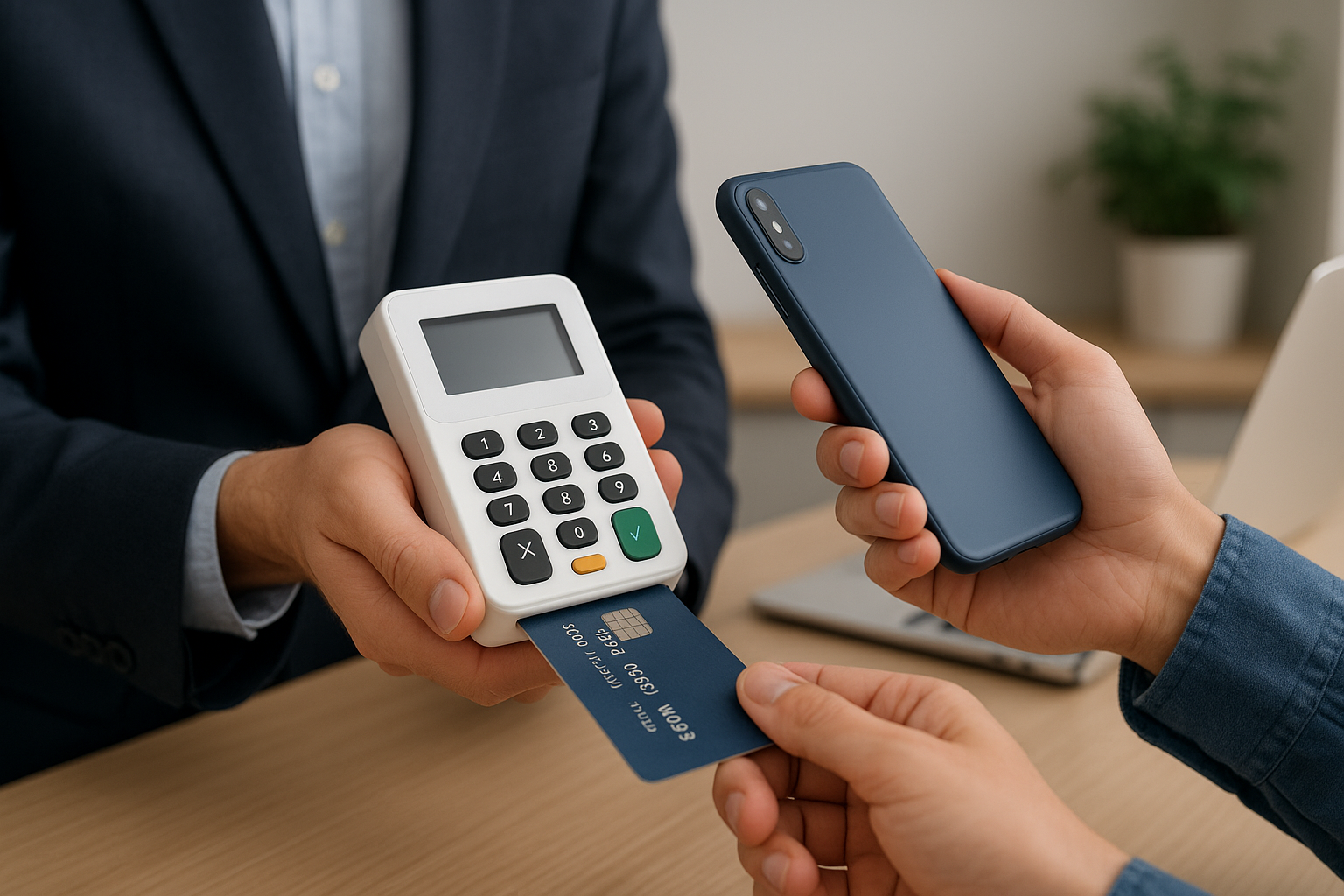
What Is Mobile Credit Card Processing?
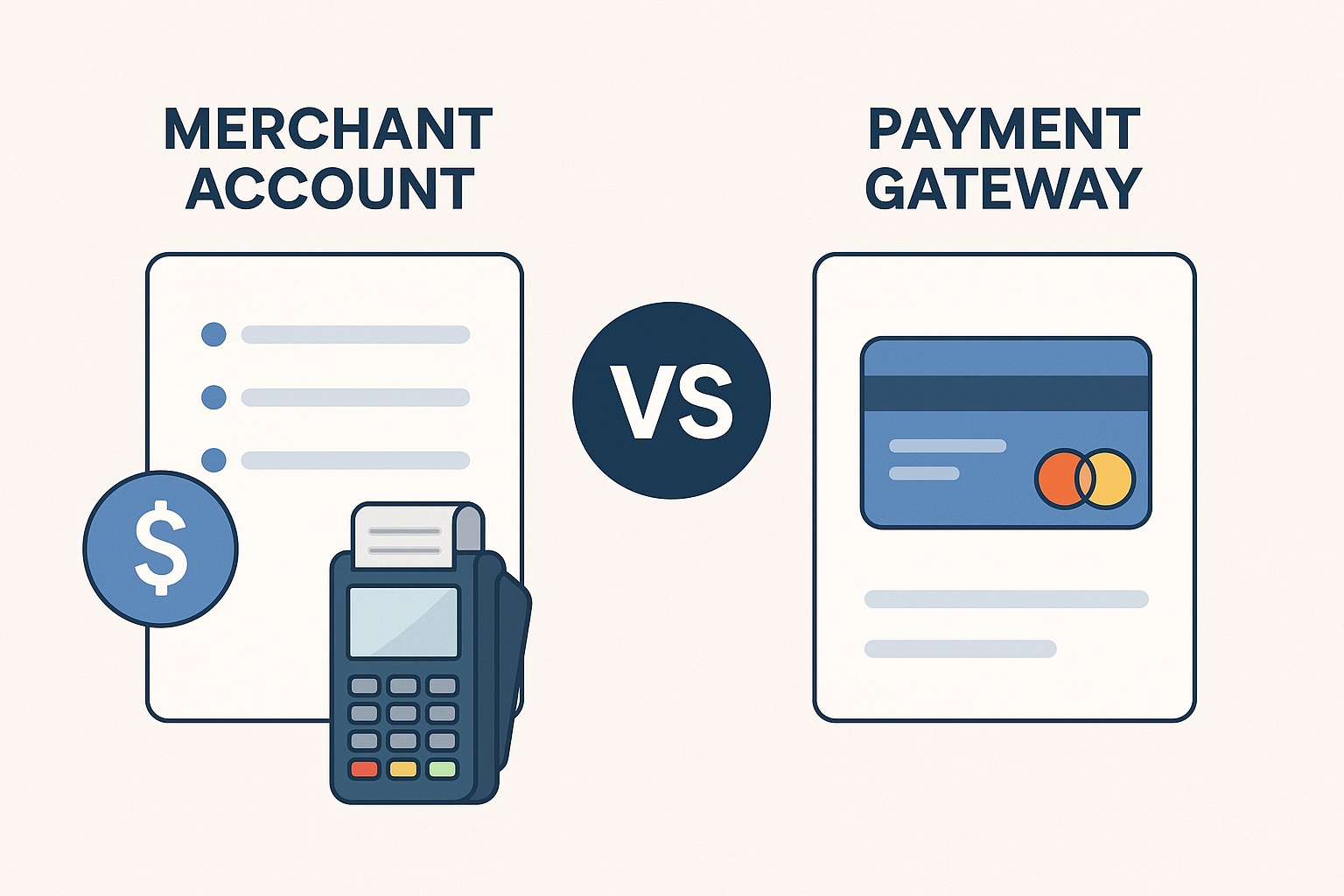
Mobile credit card processing lets businesses accept card payments using a smartphone or tablet instead of a traditional countertop terminal. With the right app, card reader, and merchant account, a seller can take payments anywhere—at a storefront, at a customer’s home, at an event, or on the go.
This flexibility has made mobile payment solutions especially popular with small businesses, service providers, food trucks, pop-up shops, and field sales teams. Instead of being tied to a fixed location, businesses can complete transactions wherever they meet customers, which can improve convenience and help speed up sales.
How Mobile Credit Card Processing Works
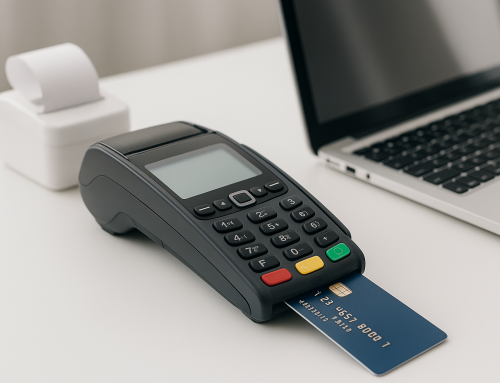
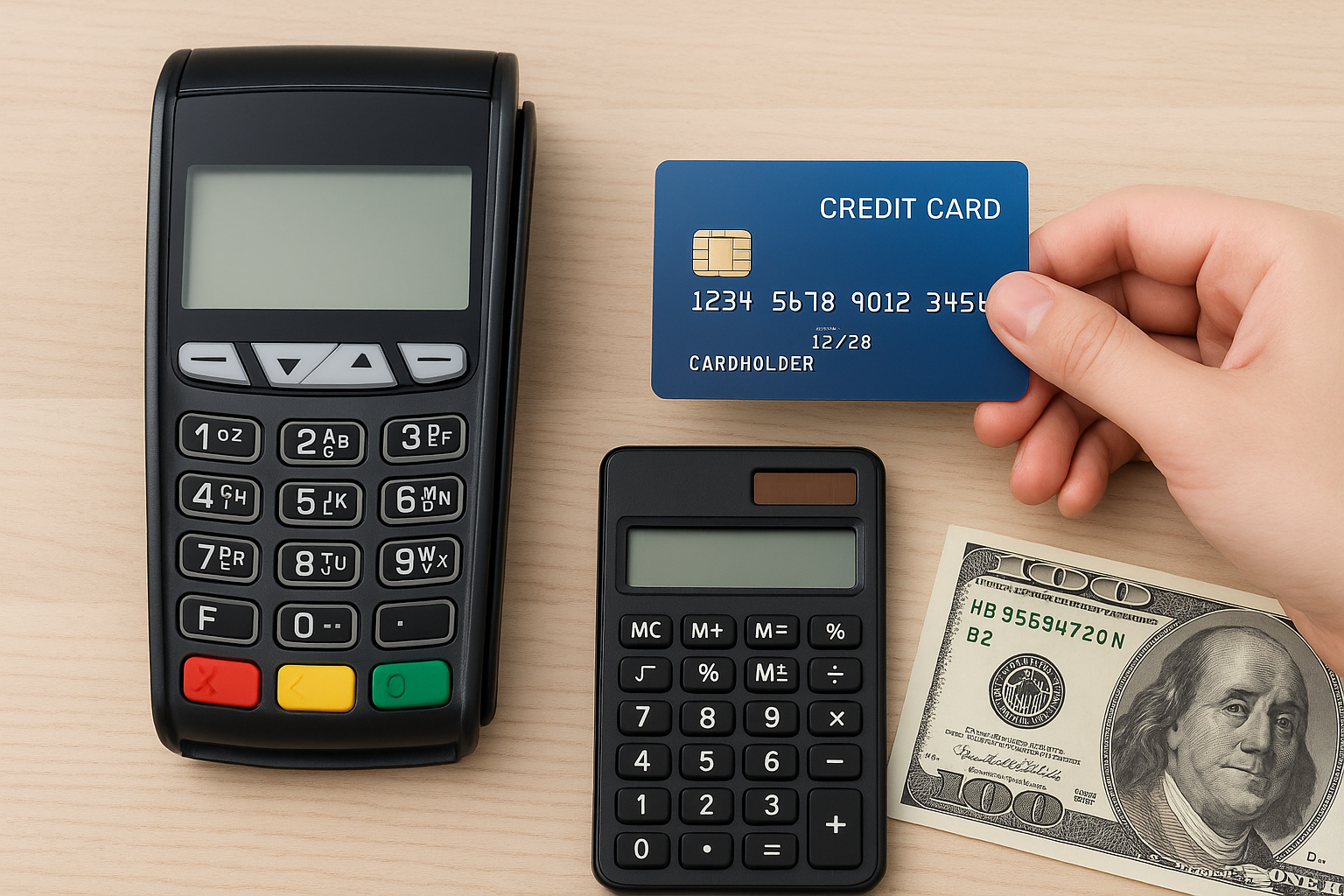
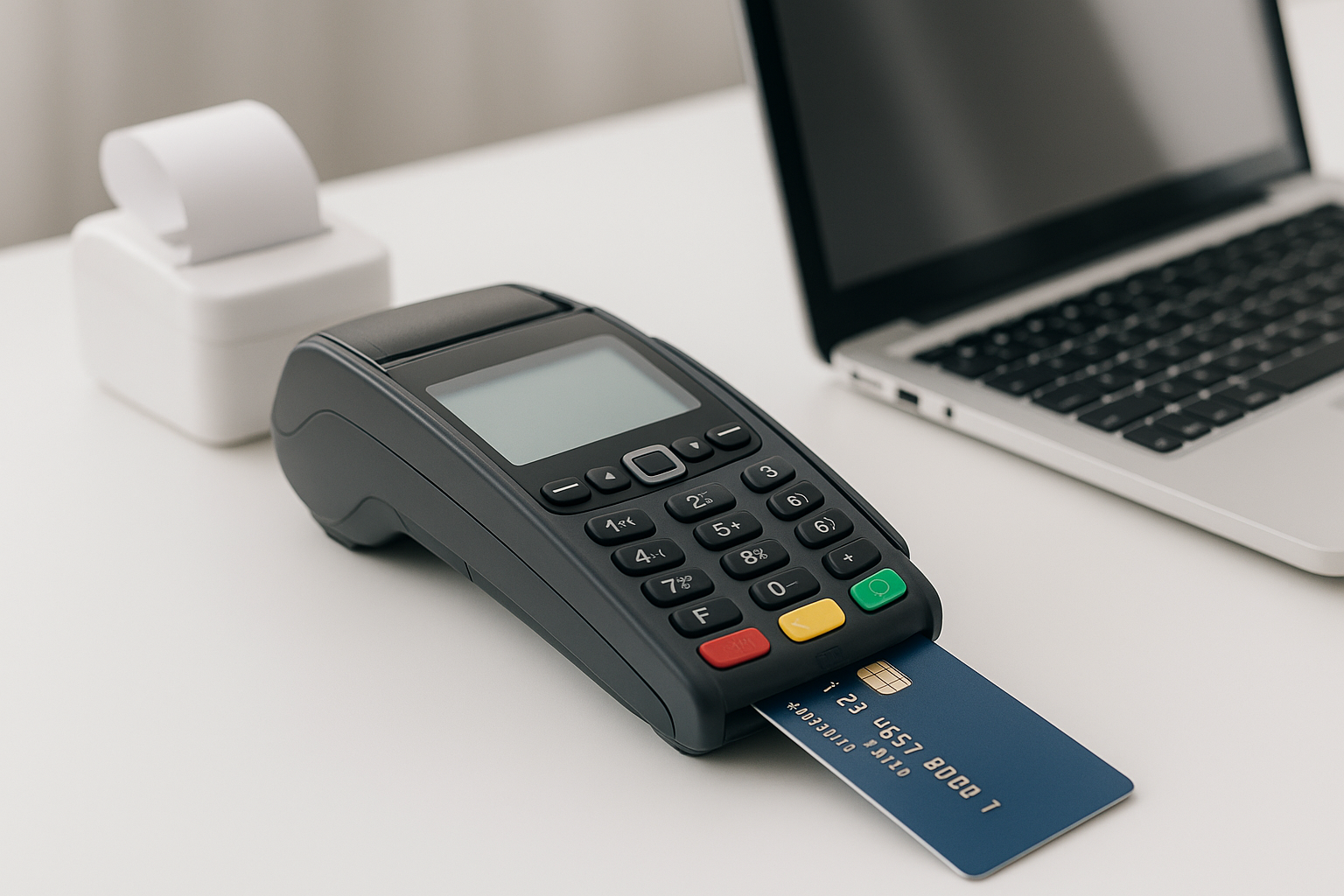
The process is straightforward. A business installs a payment app on a mobile device and connects it to a card reader or uses a device with built-in tap, chip, and swipe functionality. When a customer is ready to pay, the merchant enters the sale amount, and the customer completes the payment by inserting, tapping, or swiping the card—or by using a digital wallet.
Behind the scenes, the payment information is encrypted and sent through the payment processor for authorization. If approved, the transaction is completed, and funds are deposited into the business bank account according to the provider’s settlement schedule. Many solutions also support invoicing, tipping, refunds, receipt delivery, and basic reporting.
Benefits of Mobile Credit Card Processing
Accept Payments Anywhere
The biggest advantage is mobility. Businesses can take payments outside the traditional checkout lane, which is ideal for on-site services, delivery-based businesses, trade shows, and temporary retail setups. This can help reduce missed sales and shorten the time between service and payment.
Improve Customer Experience
Customers often appreciate fast, flexible payment options. Mobile processing can reduce wait times, make checkout more convenient, and allow businesses to accept the payment method a customer prefers. Features like emailed receipts, digital signatures, and contactless payments also create a smoother experience.
Support Faster Cash Flow
Getting paid quickly matters. Mobile card processing can help businesses collect payment immediately instead of invoicing later or waiting for checks to clear. For many small businesses, that faster access to funds can make a meaningful difference in cash flow and day-to-day operations.
Lower Upfront Costs
Compared with traditional POS systems, mobile payment setups are often more affordable. Many providers offer low-cost card readers, app-based software, and pay-as-you-go pricing. This makes mobile processing appealing for new businesses or companies that want to avoid a large hardware investment.
Common Use Cases for Mobile Payments
Mobile credit card processing fits a wide range of industries. Contractors can collect payment after a job is finished. Landscapers and cleaning services can accept payment on-site. Farmers market vendors can sell products without a full register setup. Food trucks can process orders quickly during busy lunch hours. Event sellers, consultants, delivery drivers, and mobile repair technicians can all benefit from being able to take card payments in the field.
Even established brick-and-mortar businesses use mobile processing as a backup or a way to expand service. For example, a boutique may use a tablet checkout station during busy seasons, or a retail store may use a handheld device for line-busting at peak times.
What to Look for in a Mobile Credit Card Processing Solution
Ease of Use
A good mobile payment system should be simple for staff to learn and quick to use during real-world transactions. Look for a clean interface, intuitive setup, and tools that reduce training time. If the system is too complicated, it can slow down service and create frustration.
Payment Features
Not all solutions offer the same capabilities. Some support only basic card swipes, while others include chip cards, contactless payments, stored customer profiles, invoicing, recurring billing, and reporting dashboards. Choose a platform that matches the way your business actually gets paid.
Security and Compliance
Security should always be a top priority. The provider should offer encryption, tokenization, and PCI-compliant tools to help protect cardholder data. Businesses should also make sure employees use secure passwords, keep devices updated, and avoid processing payments over unsecured public Wi-Fi when possible.
Pricing Structure
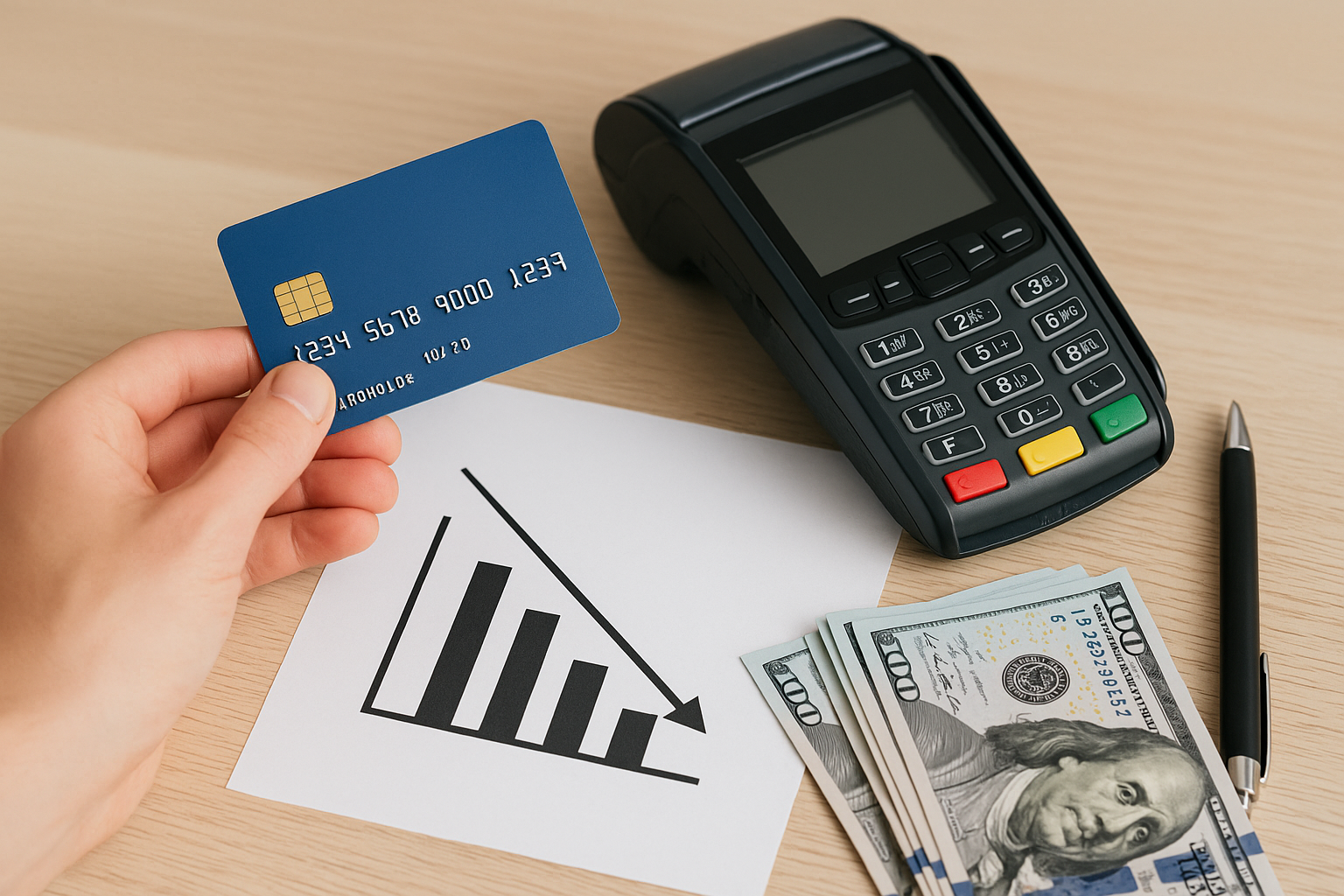
Before signing up, review transaction fees, monthly charges, chargeback costs, and hardware expenses. Some providers advertise low rates but add hidden fees later, so it is worth comparing the full cost of ownership. The best option is not always the cheapest—it is the one that fits your transaction volume and payment style.
Hardware Compatibility
Make sure the card reader and app work with your preferred device. Some systems support both iOS and Android, while others are limited to one operating system. If your business uses multiple phones or tablets, confirm compatibility before buying equipment.
Security Best Practices for Mobile Payment Processing
Using mobile payment tools responsibly helps protect both your business and your customers. Start by keeping devices locked with strong passwords or biometric authentication. Install updates regularly so the operating system and payment app stay protected against known vulnerabilities. Use trusted payment providers that follow industry security standards, and enable two-factor authentication whenever available.
It is also smart to train employees on fraud prevention and safe handling of customer information. If a phone or tablet is lost or stolen, it should be possible to remotely lock or wipe the device. In addition, businesses should monitor transactions for unusual activity and reconcile payments daily when possible.
Challenges to Consider
Although mobile credit card processing offers many advantages, it is not without limitations. Internet connectivity can be an issue in remote areas, so businesses may want a solution that offers offline payment capture or cellular backup. Battery life is another consideration, especially for businesses that work long shifts or attend all-day events.
There can also be learning curves around setup, troubleshooting, and managing transactions across multiple devices. And while mobile systems are often less expensive upfront, fees can add up if the business processes a high volume of cards. Careful planning can help avoid surprises.
Is Mobile Credit Card Processing Right for Your Business?
If your business needs flexibility, fast payments, and a simple way to accept cards outside of a fixed register, mobile credit card processing may be a great fit. It is especially useful for businesses that work in the field, sell at multiple locations, or want a more streamlined checkout experience. The right solution can make payment collection faster, more convenient, and more customer-friendly.
Before choosing a provider, compare features, fees, security protections, and hardware options. A little research upfront can help you find a system that supports your current needs and grows with your business over time.
Conclusion
Mobile credit card processing gives businesses the freedom to accept payments wherever customers are. With the right setup, it can improve convenience, speed up cash flow, and help create a better payment experience. For many modern businesses, it is no longer just a helpful tool—it is an essential part of staying competitive.