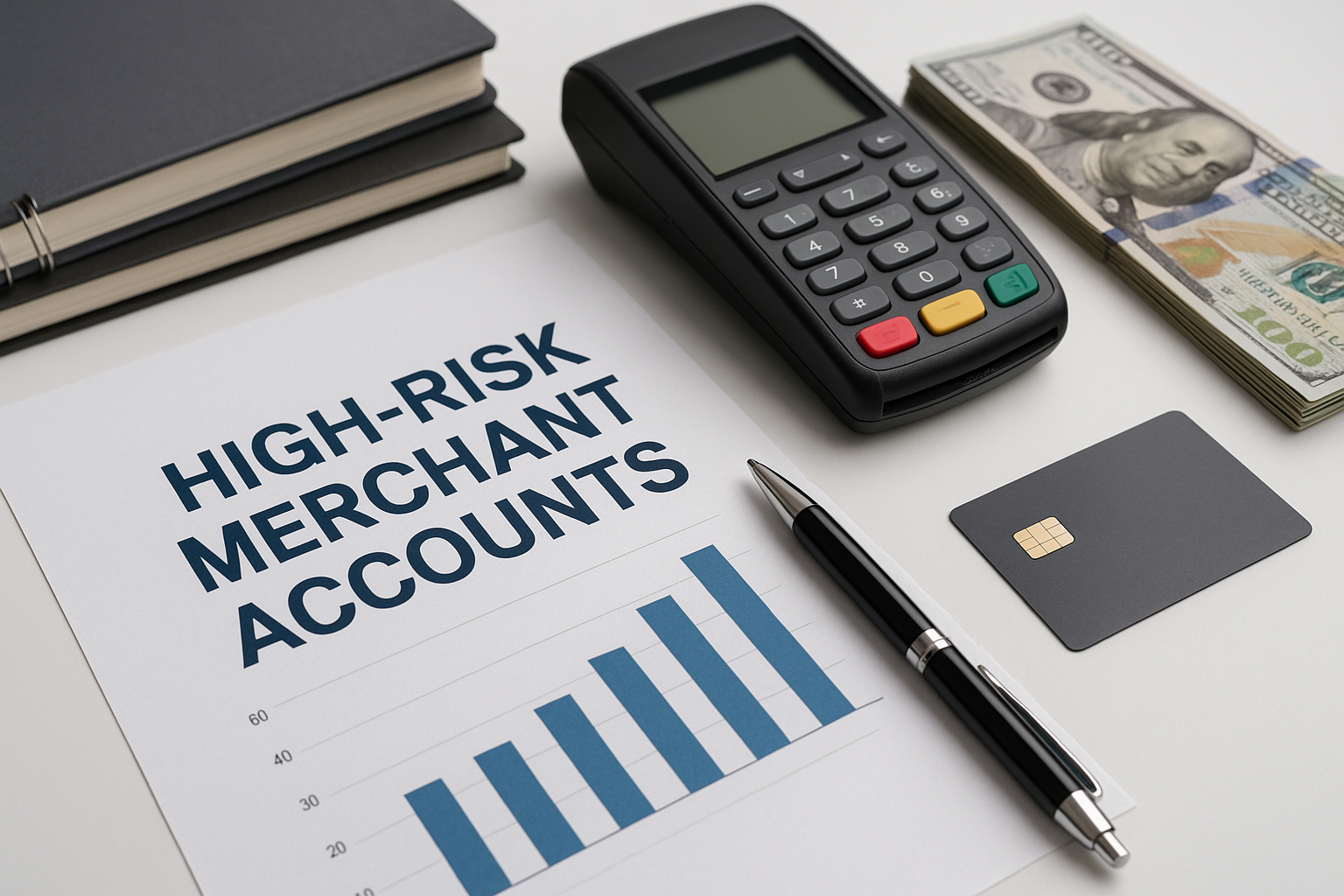
Running a business in a high-risk industry can be rewarding, but it also comes with unique payment processing challenges. If your company has elevated chargeback rates, sells regulated products, or operates in a volatile market, you may need a high-risk merchant account to accept card payments reliably. These accounts are designed for businesses that traditional processors often hesitate to support.
What Is a High-Risk Merchant Account?
A high-risk merchant account is a specialized payment processing account for businesses considered more likely to experience fraud, chargebacks, or financial instability. Unlike standard merchant accounts, which are typically easier to obtain, high-risk accounts are built with extra safeguards, higher monitoring standards, and often more flexible underwriting.
Payment processors classify a business as high-risk based on several factors, including the industry it operates in, the average transaction size, refund frequency, and past processing history. The designation does not necessarily mean the business is untrustworthy. In many cases, it simply reflects the nature of the business model.
Why Businesses Are Classified as High-Risk
Merchants are usually labeled high-risk when processors believe the business may generate more disputes, losses, or compliance concerns than average. Common reasons include:
- High chargeback ratios: Excessive disputes can signal customer dissatisfaction or fraud risk.
- Subscription billing: Recurring payments can lead to more cancellations and chargebacks if terms are unclear.
- International sales: Cross-border transactions can increase fraud exposure and regulatory complexity.
- Regulated or restricted products: Industries such as nutraceuticals, adult products, travel, gaming, and CBD often face stricter review.
- Poor credit history: A business owner’s or company’s financial background may affect approval.
- Large-ticket sales: Higher-value transactions can increase the risk of disputes and losses.
In short, high-risk classification is usually about risk exposure, not business quality. A stable company with strong operations may still fall into this category if its industry naturally carries more payment risk.
Common Industries That Need High-Risk Merchant Accounts
Some industries are more likely than others to require specialized payment solutions. These often include:
- Travel and hospitality
- CBD and hemp products
- Adult entertainment
- Online gaming and gambling
- Subscription services and membership platforms
- Debt collection agencies
- Pharmaceuticals and nutraceuticals
- Telemarketing and lead generation
- Firearms and tactical goods
- eCommerce stores with high ticket averages or international customers
Each of these sectors may trigger extra scrutiny because of refund patterns, compliance concerns, fraud risk, or changing regulations.
How High-Risk Merchant Accounts Work
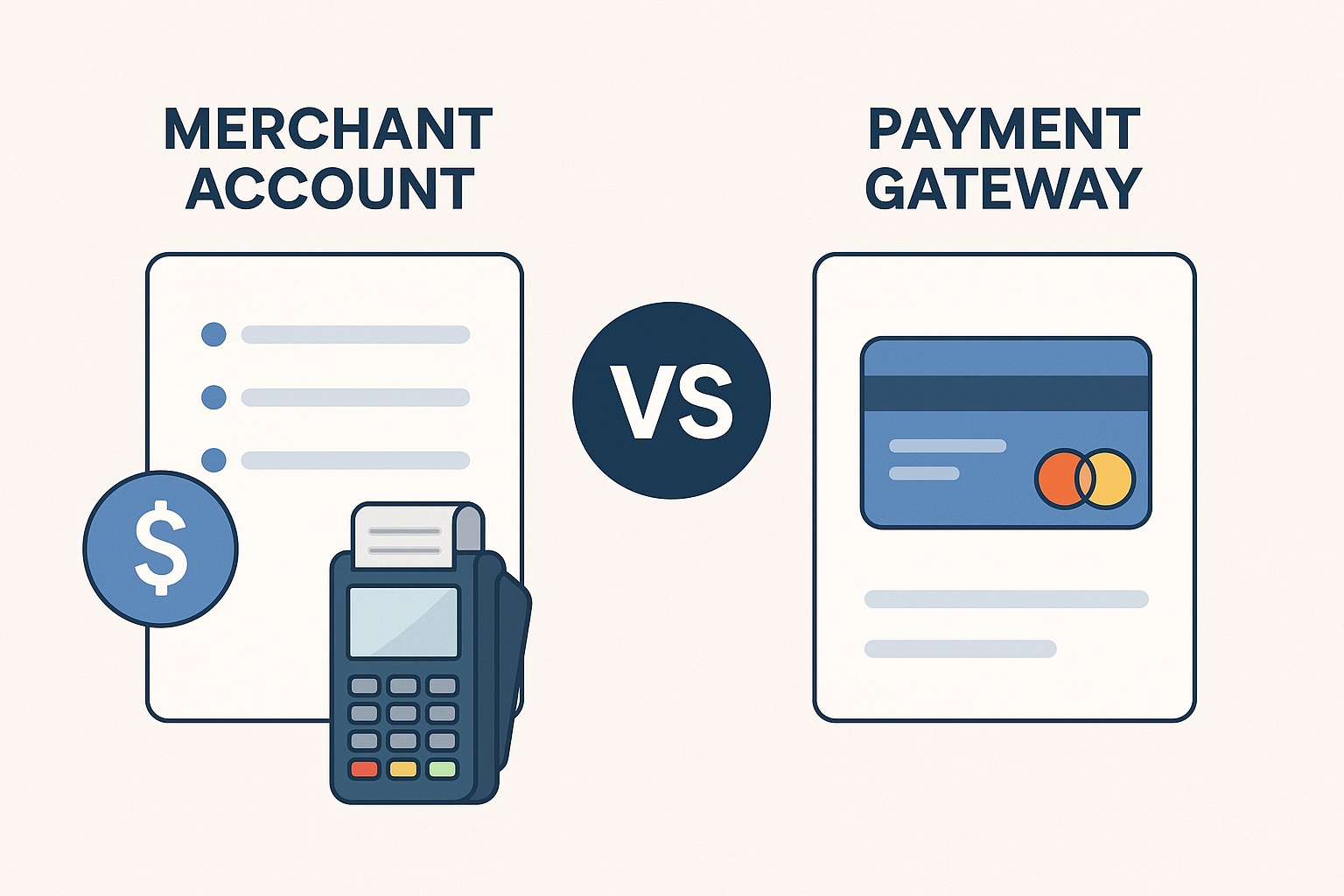
At the surface, a high-risk merchant account functions like any other merchant account. It allows a business to accept credit and debit card payments. The difference lies in how the account is structured and monitored.
High-risk processors often apply:
- More detailed underwriting: Businesses may need to provide financial statements, processing history, refund policies, terms and conditions, and fulfillment details.
- Rolling reserves: A percentage of revenue may be held temporarily to cover chargebacks or disputes.
- Higher processing fees: Since the risk is greater, rates are usually above standard merchant account pricing.
- More frequent reviews: The processor may monitor transaction patterns closely for fraud or spikes in chargebacks.
Although these requirements may feel strict, they help processors support businesses that would otherwise struggle to get approved elsewhere.
Benefits of a High-Risk Merchant Account
Even with higher fees and stricter terms, these accounts offer several important advantages.
1. Access to Card Payments
Accepting credit and debit cards is essential for growth. A high-risk merchant account gives businesses access to card processing when many standard providers decline applications.
2. Better Stability for Risky Industries
Specialized processors understand the challenges of high-risk sectors and are often more willing to work with businesses over the long term, even when chargebacks or fluctuations occur.
3. Support for Expansion
Businesses that sell internationally, use recurring billing, or manage large transactions can scale more effectively with a processor that is prepared for complexity.
4. Fraud and Chargeback Protection Tools
Many high-risk accounts include tools such as fraud filters, chargeback alerts, customer verification systems, and dispute management support. These features can help reduce losses and improve account health.
Challenges and Costs to Expect
High-risk merchant accounts come with tradeoffs. The most common include:
- Higher setup and monthly fees: Processors may charge more to offset risk.
- Rolling reserves: A portion of funds may be held for 90 days or longer.
- Longer approval times: Underwriting is more thorough and may take additional time.
- Strict compliance expectations: Businesses must follow refund, disclosure, and fulfillment requirements carefully.
- Potential for account freezes: Unusual activity or rising disputes can trigger holds or reviews.
For many merchants, these costs are worthwhile because they make it possible to accept payments consistently. Still, it is important to understand the fee structure before signing a contract.
How to Improve Your Chances of Approval
If your business needs a high-risk merchant account, preparation can make a big difference. Consider these best practices:
- Maintain clear website policies: Post refund, shipping, privacy, and contact information prominently.
- Keep chargebacks low: Use descriptive billing statements and responsive customer support.
- Provide complete documentation: Have financial records, incorporation documents, and processing statements ready.
- Be transparent about your business model: Explain how you sell, fulfill orders, and manage customer expectations.
- Choose a processor familiar with your industry: Experience matters, especially in regulated sectors.
- Use fraud prevention tools: Address verification, CVV checks, and velocity filters can reduce risk.
The more organized and transparent your business appears, the more confidence a processor will have in approving and supporting your account.
How to Choose the Right High-Risk Payment Processor
Not all providers are equal. When comparing high-risk merchant account options, look for a processor that offers more than just approval. The best partner will help you manage risk, reduce downtime, and grow responsibly.
Ask these questions:
- What industries do you specialize in?
- What are the setup, monthly, and transaction fees?
- Is there a rolling reserve, and if so, how long is it held?
- What chargeback management tools are included?
- Can the account support international payments or recurring billing?
- How quickly are funds deposited?
- What happens if my chargeback ratio rises?
A trustworthy processor should explain terms clearly and help you understand the long-term costs and benefits of the account.
Conclusion
High-risk merchant accounts play an essential role for businesses that cannot rely on standard payment processing. While they often come with higher fees and tighter controls, they also provide the flexibility and stability many industries need to thrive. By understanding how these accounts work and choosing the right provider, businesses can accept payments confidently and build a stronger foundation for growth.