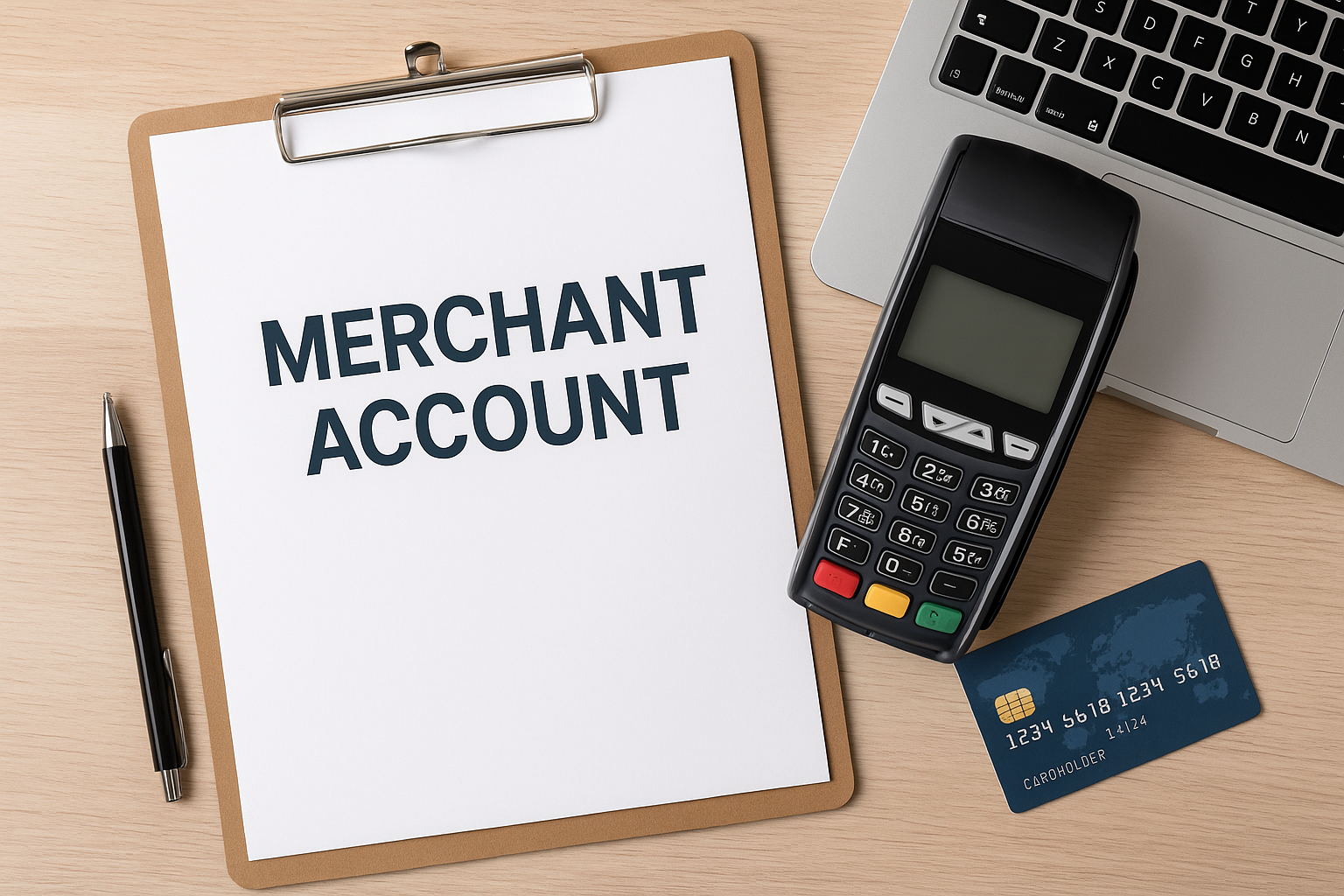
Merchant Account: What It Is and Why Businesses Need One
A merchant account is a special type of business bank account that allows a company to accept and process credit card and debit card payments. If you run a retail store, restaurant, online shop, or service-based business, a merchant account can be one of the most important tools in your payment setup. It acts as the bridge between your customer’s bank and your business bank account, making card payments possible.
For many businesses, offering card payments is no longer optional. Customers expect fast, secure, and convenient ways to pay, whether they are shopping in person or online. A merchant account helps make that possible while also supporting smoother cash flow and more professional operations.
How a Merchant Account Works
When a customer pays with a card, the payment does not move directly into your business bank account. Instead, it follows a process involving several parties:
- Customer uses a debit or credit card.
- Payment gateway or card terminal sends the transaction details for authorization.
- Card network such as Visa or Mastercard routes the request.
- Issuing bank approves or declines the transaction.
- Merchant account temporarily holds the funds after approval.
- Business bank account receives the settled funds, usually within one to two business days.
This setup may sound complicated, but in practice it happens very quickly. The merchant account exists mainly to receive and hold approved card payments before the funds are transferred to your regular business account.
Types of Merchant Accounts
Traditional Merchant Accounts
Traditional merchant accounts are typically provided by banks or merchant service providers. These accounts are common for businesses with stable sales volumes and may offer competitive rates for companies that process a high number of transactions.
High-Risk Merchant Accounts
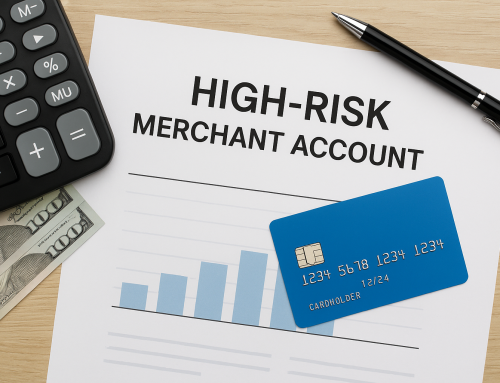
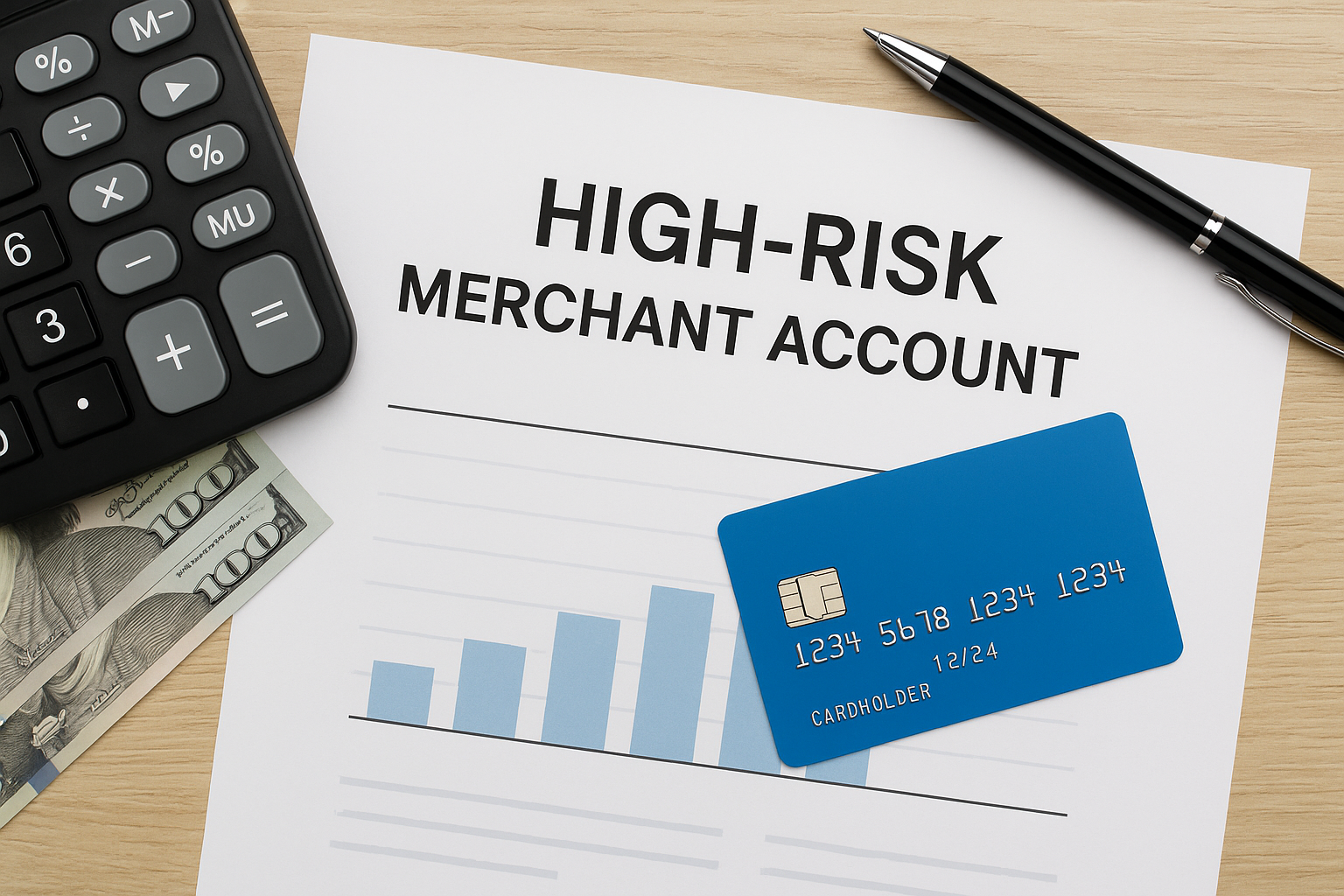
Some businesses are considered higher risk because of their industry, chargeback history, or business model. Examples may include travel, subscription services, adult products, nutraceuticals, or international sales. High-risk merchant accounts are designed to support these businesses, though they often come with stricter approval requirements and higher processing fees.
Internet Merchant Accounts
Online businesses often need an internet merchant account, which is set up specifically for card-not-present transactions. These accounts are used with eCommerce platforms and payment gateways to process online orders securely.
Merchant Account vs Payment Processor
People often confuse merchant accounts with payment processors, but they are not the same thing. A payment processor is the technology or service that moves transaction data between your business, the card networks, and the banks. A merchant account is where the money is held temporarily before settlement.
In some cases, modern payment providers bundle both services together, making setup simpler for small businesses. Even so, understanding the difference is helpful when comparing pricing, contract terms, and funding speed.
Why a Merchant Account Is Important
A merchant account offers several important benefits for businesses of all sizes:
- Accept more payment types: Customers can pay with major credit and debit cards.
- Improve cash flow: Card payments are usually deposited faster than checks or invoices.
- Increase sales: More payment options can reduce abandoned purchases and missed opportunities.
- Build trust: Customers often feel more comfortable buying from businesses that accept card payments.
- Support growth: A reliable payment system makes it easier to expand online or into new sales channels.
Without a merchant account, a business may have to rely on cash, manual invoicing, or limited alternative payment methods, which can slow operations and reduce revenue.
How to Choose the Right Merchant Account
Choosing a merchant account provider is an important decision. The right option depends on your business type, transaction volume, sales channels, and risk profile. Here are some factors to consider:
Fees and Pricing
Merchant account costs can include monthly fees, transaction fees, chargeback fees, statement fees, and equipment costs. Some providers offer flat-rate pricing, while others use interchange-plus or tiered pricing. Compare the full cost structure, not just the advertised rate.
Contract Terms
Some merchant account agreements include long contracts, early termination fees, or automatic renewals. Read the terms carefully so you understand your commitment before signing.
Funding Speed
Different providers offer different settlement times. If your business depends on frequent cash flow, faster funding may be worth paying for.
Security Features
Look for providers that support PCI compliance, encryption, tokenization, and fraud detection tools. These features help protect customer data and reduce risk.
Customer Support
Reliable support can be crucial when a payment issue arises. Choose a provider with responsive service, especially if you process a high volume of transactions.
Common Challenges with Merchant Accounts
While merchant accounts are valuable, they can also come with challenges. Businesses sometimes encounter account holds, reserve requirements, application denials, or sudden terminations. These issues often happen when a provider sees unusual activity, rising chargebacks, or a mismatch between the business model and the account type.
To reduce problems, maintain accurate business information, monitor chargebacks, and process transactions in line with your stated business activities. Choosing a provider that understands your industry can also make a major difference.
Best Practices for Managing a Merchant Account
Once your merchant account is set up, good management habits can help you avoid unnecessary fees and disruptions:
- Keep chargeback rates as low as possible.
- Use clear billing descriptors so customers recognize charges.
- Track refunds and disputes promptly.
- Stay compliant with PCI security standards.
- Review statements regularly for unexpected fees or errors.
These steps can help you maintain a healthy account relationship and a smoother payment experience for your customers.
Conclusion
A merchant account is a key part of modern business payment processing. It allows you to accept card payments, improve cash flow, and offer the convenience customers expect. By understanding how merchant accounts work and what to look for in a provider, you can choose a solution that supports your business today and grows with you over time.