If you accept card payments online or in person, you’ve probably heard the term merchant account. It’s one of the most important pieces of the payment puzzle for any business that wants to take credit and debit cards smoothly, securely, and at scale. Yet many business owners still aren’t entirely sure what a merchant account does, how it differs from a regular bank account, or whether they even need one.
This guide breaks it all down in simple terms. You’ll learn what a merchant account is, how it works, the different types available, what fees to expect, and how to choose the right provider for your business.
What Is a Merchant Account?
A merchant account is a special type of bank account that allows your business to accept and process electronic payments, especially credit and debit card transactions. When a customer pays with a card, the funds don’t go directly into your business bank account. Instead, they first move through the merchant account, where the transaction is approved, settled, and then deposited into your business account.
You can think of it as a temporary holding account built specifically for card payments. It helps manage the risk involved in electronic transactions and ensures the payment process follows banking and card network rules.
Merchant Account vs. Business Bank Account
It’s easy to confuse the two, but they serve different purposes. A business bank account is where your company’s money is stored for everyday use, like paying bills, payroll, and expenses. A merchant account, on the other hand, exists solely to receive card transaction funds before they are transferred to your business bank account.
In short: your business bank account holds your money, while your merchant account processes your card payments.
How Does a Merchant Account Work?
The merchant account is part of a larger payment processing system. Here’s what happens when a customer makes a card purchase:
- Customer initiates payment: The customer swipes, taps, inserts, or enters card details.
- Payment is authorized: The payment gateway sends the transaction details to the card network and issuing bank for approval.
- Funds are held: If approved, the transaction amount is placed in the merchant account temporarily.
- Transaction is settled: After processing, the funds are batched and transferred to your business bank account.
- Deposit is completed: Depending on your provider, funds may arrive within one to three business days.
This process happens quickly, often in just a few seconds at checkout. The merchant account helps reduce fraud risk and supports the secure movement of funds from the customer’s bank to yours.
The Role of Payment Processors and Gateways
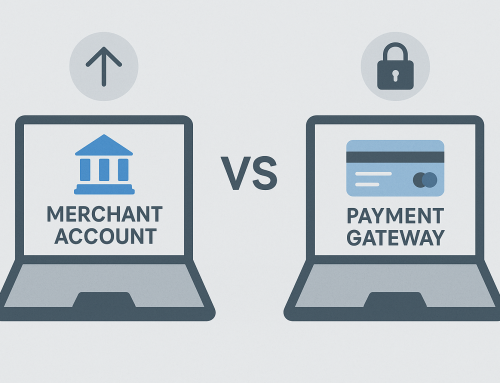
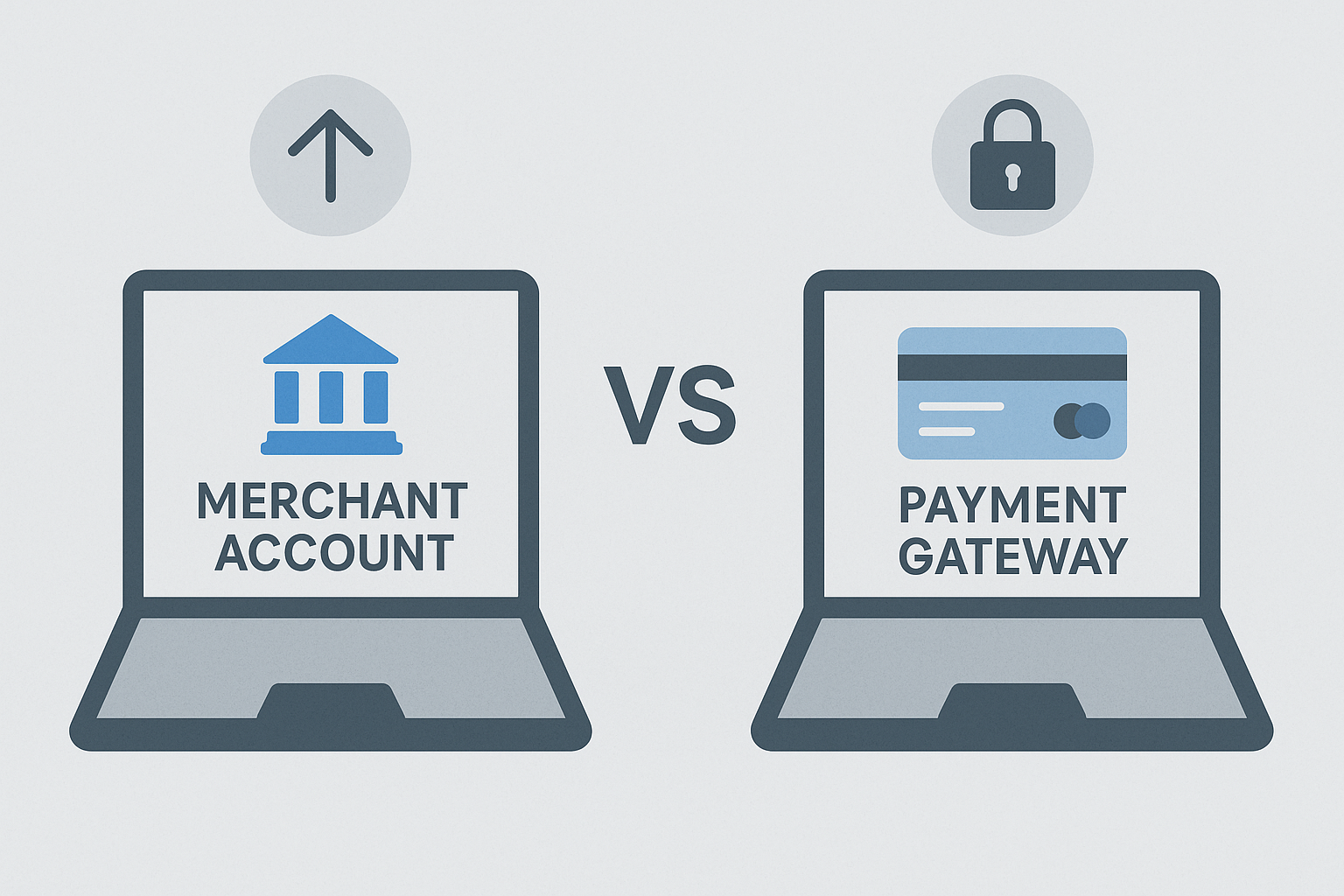
A merchant account is usually just one part of the full payment system. A payment processor handles the actual movement of transaction data between banks and card networks. A payment gateway securely captures and transmits customer payment information, especially for online transactions.
Depending on your provider, these services may be bundled together or sold separately. Many modern payment platforms offer all three: merchant account, processor, and gateway.
Types of Merchant Accounts
Not all merchant accounts are the same. The right option depends on how your business operates and how you accept payments.
Traditional Merchant Accounts
A traditional merchant account is opened through a bank or merchant services provider. This option is common for established businesses that want more control, competitive pricing, and customized payment solutions. It often requires underwriting, which means the provider evaluates your business before approval.
Aggregated or Payment Service Provider Accounts
Some businesses use a shared account model through a payment service provider. In this setup, many merchants are grouped under one master account. It’s often faster to set up and easier for small businesses, but it may come with more limited control, higher account restrictions, or sudden holds if risk concerns arise.
High-Risk Merchant Accounts
Businesses in industries with higher chargeback rates, regulatory complexity, or fraud risk may need a high-risk merchant account. These accounts are designed for businesses that traditional providers may reject, such as travel, adult products, CBD, subscription services, or some online coaching models.
High-risk accounts often have stricter terms, higher fees, and longer reserve requirements, but they can make card acceptance possible for businesses that otherwise struggle to get approved.
Why Your Business Needs a Merchant Account
If you want to accept credit and debit cards directly, a merchant account is essential. Customers increasingly expect fast, flexible payment options, and businesses that don’t offer them may lose sales.
Here are some of the biggest benefits:
- More payment options: Accept cards, digital wallets, and other electronic payments.
- Improved cash flow: Get paid faster than waiting for checks or bank transfers.
- Higher sales: Make it easier for customers to complete purchases.
- Professional credibility: Card acceptance signals a modern, trustworthy business.
- Better customer experience: Offer smooth checkout in-store and online.
For eCommerce businesses, a merchant account is especially important because it powers secure online transactions. For brick-and-mortar businesses, it enables point-of-sale card payments that customers now expect as standard.
Merchant Account Fees and Costs
Merchant accounts come with fees, and understanding them is key to avoiding surprises. Pricing varies by provider, business type, transaction volume, and risk level.
Common Fees to Expect
- Setup fee: A one-time charge to open the account, though many providers waive this.
- Monthly fee: A recurring fee for account maintenance or statement access.
- Transaction fee: A percentage plus a fixed amount charged per payment.
- Gateway fee: Charged for online payment authorization and secure data transmission.
- Chargeback fee: Applied when a customer disputes a transaction.
- Early termination fee: May apply if you cancel before the contract ends.
Some providers use flat-rate pricing, while others use interchange-plus or tiered pricing. Interchange-plus is often considered more transparent because it separates the card network’s base cost from the provider’s markup.
Hidden Costs to Watch For
Before signing up, look for hidden charges such as monthly minimums, PCI compliance fees, statement fees, batch fees, or reserve holds. These costs can add up, especially for smaller businesses or those with inconsistent sales volume.
How to Choose the Right Merchant Account Provider
The best merchant account provider is not always the cheapest. It should fit your business model, risk profile, and growth plans.
Consider Your Business Type
Different industries have different payment needs. A retail store, restaurant, subscription business, and online retailer may all need different features. Choose a provider that supports your industry and has experience with your business model.
Look at Pricing Transparency
Make sure you understand the full fee structure before you agree to anything. Ask for a complete pricing breakdown and compare providers carefully. The lowest advertised rate is not always the best deal once fees are added.
Check Integration Options
If you use accounting software, eCommerce platforms, inventory systems, or a POS system, your merchant account should integrate easily with them. Smooth integration saves time and reduces errors.
Review Contract Terms
Pay attention to contract length, cancellation policies, rolling reserves, and chargeback policies. Flexible terms are often better for newer businesses or those still testing payment volume.
Evaluate Customer Support
When payment issues happen, fast support matters. Choose a provider with responsive, knowledgeable customer service and clear dispute resolution processes.
Common Merchant Account Challenges
Even a good merchant account can create challenges if it’s not the right fit. Some common issues include account freezes, delayed deposits, chargebacks, and application declines.
Why Applications Get Declined
Merchant account providers evaluate risk before approving an account. They may decline applications if your business is new, your credit profile is weak, your industry is high-risk, or your transaction history suggests potential fraud concerns.
Managing Chargebacks
Chargebacks happen when customers dispute a card payment. Too many chargebacks can lead to higher fees, withheld funds, or account termination. To reduce chargebacks, use clear billing descriptors, strong customer service, and fraud prevention tools.
Avoiding Payment Holds
Providers may place temporary holds on funds if they detect unusual activity, high refund rates, or compliance issues. Keeping accurate records, maintaining consistent sales patterns, and following card network rules can help reduce the risk of holds.
Conclusion
A merchant account is a core part of accepting card payments and running a modern business. Whether you sell online, in person, or both, the right merchant account can improve cash flow, reduce friction at checkout, and help you deliver a better customer experience. By understanding how merchant accounts work, what they cost, and what features matter most, you’ll be better prepared to choose a provider that supports your business now and as it grows.