
Why Credit Card Processing Matters for Law Firms
Clients increasingly expect the convenience of paying legal fees by credit card. Offering this option can improve cash flow, reduce accounts receivable, and make it easier for clients to pay retainers, invoices, and trust deposits on time. For law firms, however, payment processing is more than a matter of convenience. It also involves strict rules around ethics, client confidentiality, trust accounting, and data security.
Choosing the right payment setup can help your firm get paid faster while protecting client funds and maintaining compliance. The best solution should support your firm’s workflow, fit your fee structure, and reduce the risk of chargebacks, data breaches, or trust account violations.
How Credit Card Processing Works in a Law Firm
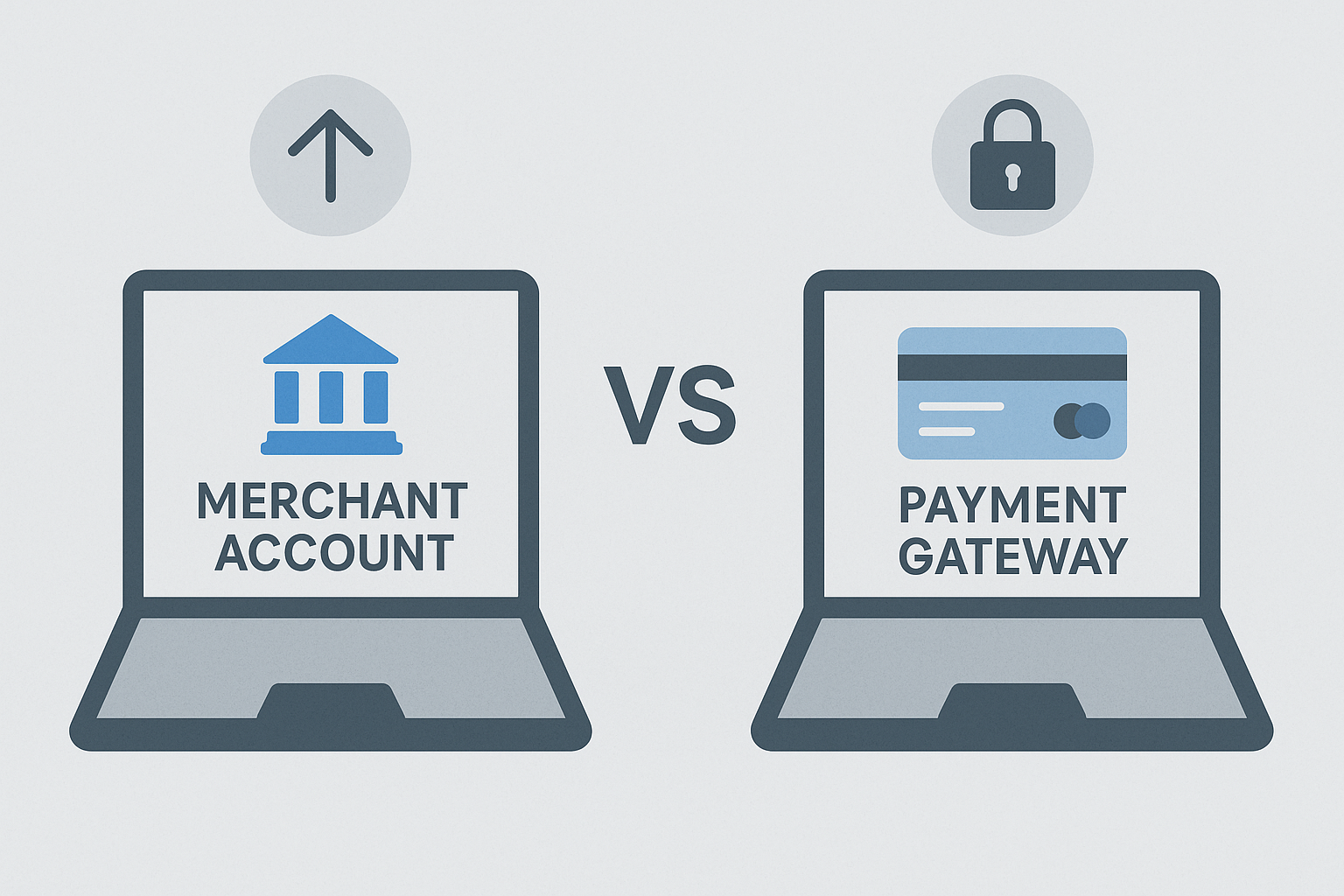
Credit card processing allows a client to authorize a payment through a payment gateway, processor, and merchant account. The processor communicates with the card network and the client’s bank to approve or decline the transaction. Once approved, the funds are deposited into the appropriate account, typically your operating account.
For law firms, the process becomes more nuanced when payments involve advance retainers or funds that may need to be held in trust. In those cases, the timing and destination of the payment must be handled carefully to avoid commingling client funds with firm revenue.
Operating Account vs. Trust Account
One of the most important distinctions in legal payment processing is whether the payment is for earned fees or unearned client funds. Earned fees, such as payment for completed work, are usually deposited into the firm’s operating account. Unearned retainers or advance deposits may need to go into a trust account until the funds are earned.
Because trust accounting rules vary by jurisdiction, law firms should confirm how card payments can be accepted and processed in accordance with local bar rules and state regulations. Many firms use a payment provider that can help route transactions appropriately or offer compliant workflows for trust deposits and earned fees.
Compliance and Ethical Considerations
Law firms must pay close attention to compliance when accepting cards. A standard merchant setup used by retail businesses may not be enough. Firms should look for solutions designed with legal industry requirements in mind.
Client Confidentiality
Any payment information collected from clients should be protected by strong security controls. While a payment form may only request billing details and card information, the surrounding workflow can still expose sensitive client data. Firms should use secure payment portals, encryption, and tokenization to reduce risk.
It is also smart to minimize the amount of confidential case information tied to payment records. When possible, use generic invoice descriptors rather than detailed matter descriptions that could reveal privileged information.
Trust Accounting Rules
Trust account compliance is a major concern for legal professionals. In many jurisdictions, credit card fees cannot be deducted directly from trust funds if doing so would reduce the client balance below the amount required to remain in trust. Some firms instead absorb processing fees into operating expenses or use payment structures that avoid taking fees from client trust money.
Before implementing card payments, review bar guidance and consult a legal accountant or compliance advisor if needed. A small setup mistake can create significant ethical and bookkeeping issues later.
PCI Compliance
Any firm that accepts cards must pay attention to PCI DSS requirements, which are designed to protect cardholder data. Using a secure third-party payment processor can reduce your compliance burden by keeping sensitive card information off your internal systems. Features such as hosted payment pages, encrypted payment links, and secure vaulting can help simplify PCI responsibilities.
Benefits of Accepting Credit Cards
When implemented properly, credit card processing can bring several advantages to a law firm.
- Faster payments: Clients can pay immediately instead of mailing checks or waiting to transfer funds.
- Improved cash flow: Faster collection helps stabilize revenue and reduce delays in billing cycles.
- Better client experience: Convenient payment options can improve satisfaction and reduce friction.
- Fewer overdue invoices: When paying is easier, clients are more likely to stay current.
- More flexible fee collection: Cards can be used for retainers, consultation fees, flat fees, and invoices.
For many firms, simply offering a modern payment option can make the billing process feel more professional and client-friendly.
Common Challenges and How to Avoid Them
Despite the benefits, law firms may encounter a few challenges when setting up credit card processing.
Chargebacks
Clients sometimes dispute charges, especially if billing expectations are unclear. To reduce chargebacks, use written fee agreements, send detailed invoices promptly, and keep communication clear about what is being charged and when. Documenting client consent for card payments can also be helpful.
Processing Fees
Card acceptance comes with transaction fees, which can affect margins. Firms should evaluate whether to absorb these costs, build them into pricing, or pass them along where permitted by law. Whatever approach you choose, be transparent and consistent.
Integration with Legal Software
Many firms rely on case management, billing, and accounting software. A payment solution that integrates with these systems can reduce manual entry and bookkeeping errors. Look for providers that sync invoices, payment status, and trust account records to streamline operations.
Security Risks
Any system that handles payment data must be secured against fraud and unauthorized access. Choose vendors with fraud detection tools, access controls, and strong encryption. Internally, limit who can access payment dashboards and regularly review user permissions.
Choosing the Right Payment Processor
Not all payment processors are a good fit for law firms. The ideal provider should understand legal billing needs and support secure, compliant transactions.
When comparing options, consider these factors:
- Legal industry experience: Choose a provider familiar with law firm workflows and trust accounting concerns.
- Security features: Look for encryption, tokenization, fraud monitoring, and hosted payment pages.
- Software integrations: Make sure the processor works with your billing and practice management tools.
- Transparent pricing: Understand all fees, including monthly costs, per-transaction charges, and chargeback fees.
- Client-friendly payment options: Offer online payments, mobile payments, payment links, and recurring billing if needed.
- Support and service: Reliable customer support matters when payment issues arise.
Before signing a contract, ask how the processor handles trust payments, refunds, chargebacks, and fee allocation. The answers should align with your firm’s ethical obligations and billing policies.
Best Practices for Law Firm Payment Acceptance
Once your firm is ready to accept cards, a few best practices can help you run the system smoothly.
- Use written engagement letters that explain how payments are handled.
- Separate earned fees from unearned retainers in your accounting workflow.
- Review invoices before sending them to ensure accuracy and clarity.
- Train staff on secure payment handling and client communication.
- Reconcile payments regularly to keep trust and operating accounts accurate.
- Keep payment data out of general email whenever possible.
These habits can reduce risk and make payment processing more efficient for both your team and your clients.
Conclusion
Credit card processing for law firms can be a valuable tool for improving collections and enhancing the client experience, but it must be implemented with care. By choosing a secure, compliant payment solution and following trust accounting and ethical rules, your firm can enjoy the convenience of modern payments without sacrificing professionalism or compliance. The right system can save time, support growth, and make it easier for clients to pay in the way they prefer.