
Credit Card Processing for Law Firms
Accepting credit cards can make it easier for clients to pay retainers, consultation fees, and invoices on time. For law firms, though, credit card processing is about more than convenience. It must also support compliance, protect client trust, and fit the way legal billing works. Choosing the right payment setup can improve cash flow, reduce administrative work, and create a better client experience.
Why Law Firms Accept Credit Cards
Clients increasingly expect flexible payment options. When a law firm accepts cards, it removes a major barrier to payment, especially for new clients who need to pay quickly to begin work. This can be especially helpful for family law, immigration, criminal defense, estate planning, and other practice areas where clients may need immediate legal help.
Credit card payments can also improve collections. Instead of waiting for mailed checks or bank transfers, firms can charge approved fees quickly and keep matters moving. That can be valuable for both trust accounting and operating expenses, depending on how your firm structures payments.
How Credit Card Processing Works in a Law Firm
Credit card processing for law firms works much like it does in other industries, but with a few key differences. A client provides card details in person, online, over the phone, or through a secure payment link. The payment processor then authorizes the transaction, routes it through the card network, and deposits the funds into the firm’s bank account.
For law firms, the main difference is how payments are handled when money is advanced for future legal work. Retainers and advance fee deposits often need to be placed into a trust account until earned, while flat fees and some consultation fees may go directly to the operating account depending on local rules and the fee agreement.
Trust Accounting Considerations
One of the most important issues in legal payment processing is the handling of client funds. Many law firms accept retainers by credit card, but the funds may need to be deposited into an IOLTA or other trust account first. From there, money can be transferred to the operating account only as fees are earned and properly documented.
It is essential to understand your jurisdiction’s ethical rules and banking requirements before setting up card payments. Some processors can split payments automatically between trust and operating accounts, while others may require manual reconciliation. In either case, your firm should have a clear process for tracking deposits, processing fees, chargebacks, and refunds.
Common Challenges for Law Firms
Law firms face several unique challenges when processing cards. One common issue is the higher risk associated with chargebacks. A client may dispute a charge if they misunderstand a fee, are unhappy with results, or no longer recognize a payment. Detailed invoices, signed fee agreements, and transparent client communication can reduce this risk.
Another challenge is transaction fees. Credit card processing typically costs more than ACH or paper checks, and those fees can add up for firms with high monthly volume. Some firms choose to absorb the fee, while others pass certain costs to clients where allowed. Before doing so, firms should review state bar rules, card network rules, and disclosure requirements.
Security is also critical. Law firms often handle sensitive financial and personal information, so payment systems should include encryption, tokenization, and PCI compliance. A secure setup helps protect client data and reduce the risk of fraud.
Choosing a Payment Processor for Your Firm
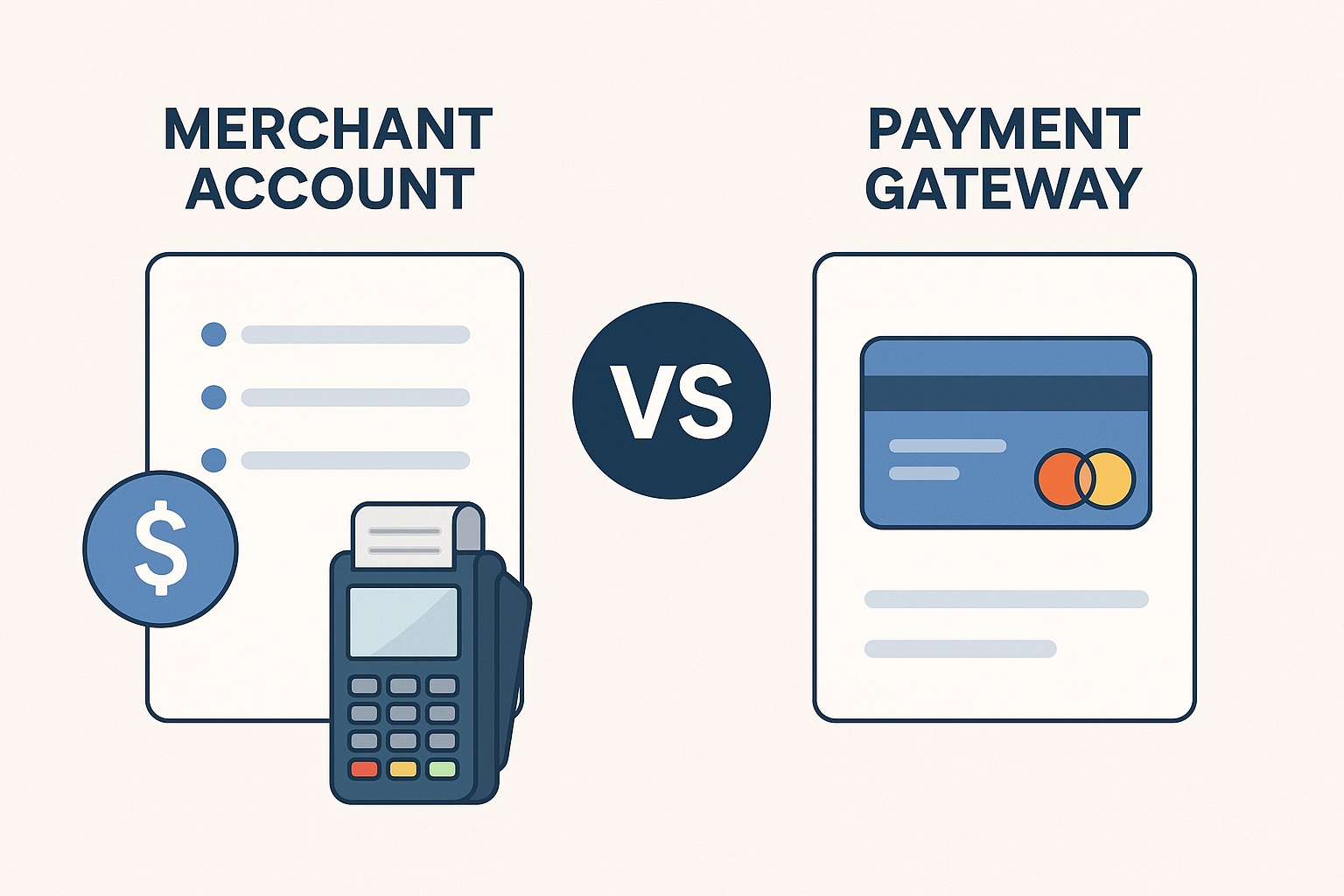
Not every payment processor is a good fit for a law practice. When comparing providers, look for one that understands legal billing and trust accounting. Features such as split deposits, recurring billing, online payment portals, and detailed reporting can save time and reduce errors.
It is also wise to ask about integration with your practice management software, accounting system, and document management tools. The less manual entry your staff has to do, the lower the chance of mistakes. Good customer support matters too, especially if your firm needs help resolving a failed payment or reconciling deposits.
Before signing a contract, review the pricing model carefully. Flat-rate pricing can be simple and predictable, while interchange-plus pricing may be more cost-effective for firms with larger payment volumes. Watch for hidden fees such as monthly minimums, PCI compliance charges, statement fees, and early termination penalties.
Online Payments Improve Client Experience
Modern clients want convenience. Offering a secure payment page, text-to-pay option, or client portal can make it easier for them to pay without calling the office or mailing checks. This is especially useful for busy clients, out-of-state clients, and those working with a firm remotely.
Online payments can also reduce staff workload. Instead of manually entering card information over the phone or chasing invoices, your team can send a payment link and let clients pay at their convenience. Automated receipts and reminders can further streamline the process.
Best Practices for Law Firm Payment Acceptance
To get the most from credit card processing, law firms should build a clear and compliant payment policy. Start with a written fee agreement that explains what can be charged, when payments are due, and how trust funds are handled. Train staff on what types of payments can go to trust versus operating accounts.
It is also smart to keep payment records organized. Reconcile deposits regularly, monitor chargebacks, and confirm that refunds are issued properly. If your firm accepts recurring payments or installment plans, make sure clients understand the schedule and terms in advance.
Finally, keep security top of mind. Use secure payment links, limit employee access to card data, and choose tools that meet strong data protection standards. The more safeguards you have in place, the easier it is to accept payments with confidence.
Conclusion
Credit card processing can be a valuable tool for law firms when it is implemented carefully. With the right processor, clear policies, and proper trust accounting procedures, firms can improve cash flow, reduce collection hassles, and offer clients a more convenient way to pay. By balancing convenience with compliance, your firm can create a payment experience that supports both business goals and professional responsibilities.