
Credit Card Processing for Law Firms
Clients increasingly expect convenient payment options, and law firms are no exception. Offering credit card payments can improve the client experience, speed up collections, and reduce the hassle of chasing invoices. But legal billing comes with unique considerations, including trust accounting, chargeback risk, and compliance requirements. That means law firms need a payment process designed specifically for legal services.
In this guide, we’ll break down how credit card processing works for law firms, the benefits and challenges, and what to look for in a provider.
Why Law Firms Are Adopting Credit Card Payments
Clients want flexibility. Many people prefer to pay by card because it’s fast, familiar, and can help them manage a legal expense more easily. For law firms, accepting cards can mean fewer late payments and a more streamlined billing workflow.
It can also be a competitive advantage. When potential clients compare firms, payment convenience may influence their decision, especially for retainers, consultations, and fixed-fee services.
How Credit Card Processing Works in a Legal Setting
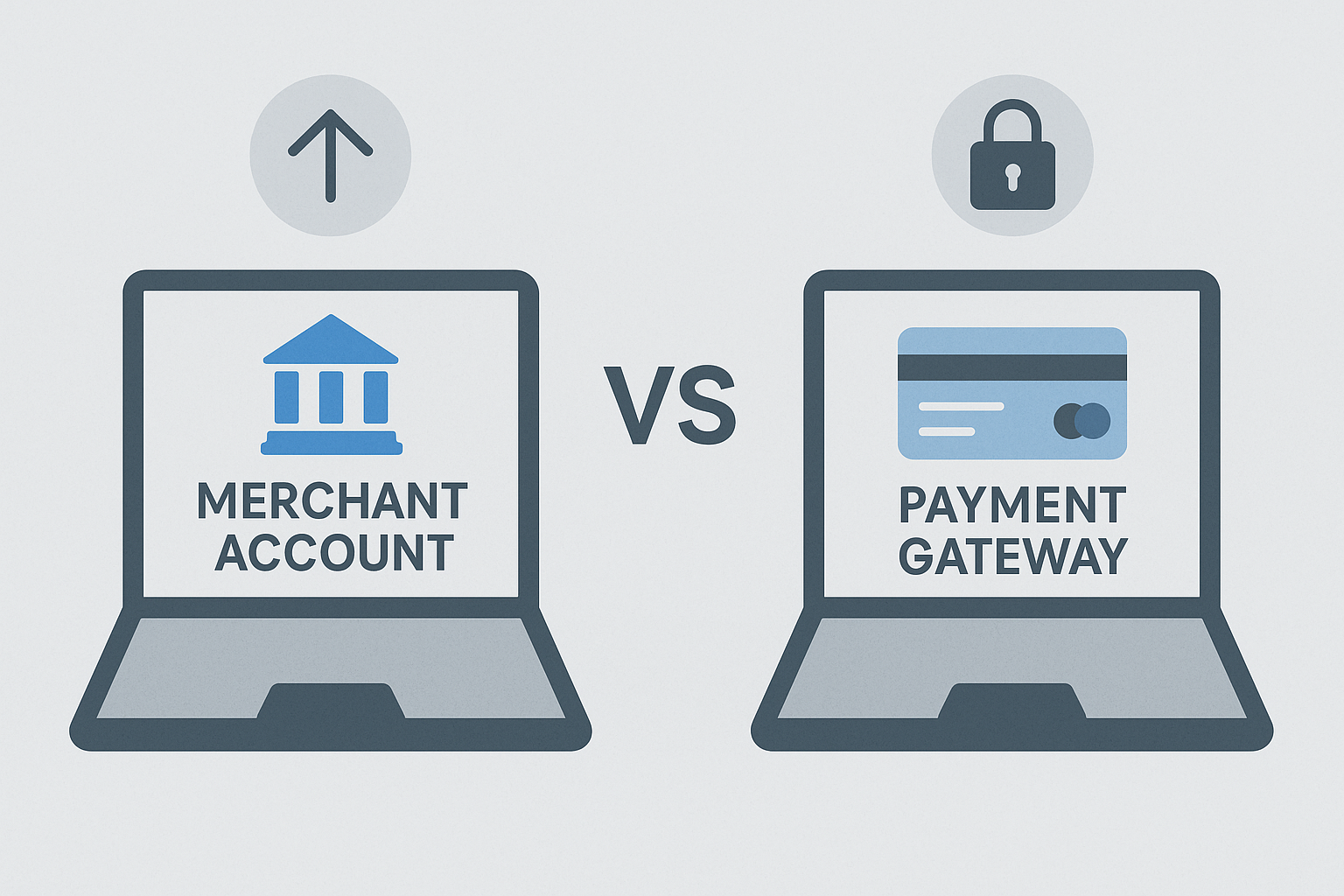
At a basic level, credit card processing allows a firm to accept card payments through a payment gateway and merchant account. Once a client pays, the funds are deposited into the appropriate account after processing.
For law firms, the important part is making sure payments are handled correctly depending on the type of fee:
- Earned fees: Payments for completed work can typically go to the operating account.
- Advance fees or retainers: These often must be deposited into a trust account until earned.
- Costs and expenses: These may need to be tracked separately depending on the firm’s billing practices and jurisdiction.
This is why legal-specific payment workflows matter. A generic payment setup may not support proper separation of funds or trust accounting.
Key Compliance Considerations for Law Firms
Credit card processing for law firms is not just about convenience; it’s also about compliance. Law firms must protect client funds and follow state bar rules, trust accounting requirements, and data security standards.
Trust Account Rules
Many jurisdictions require advance payments or retainers to be placed into a trust account until earned. If your payment processor deposits everything into a single account automatically, it can create serious accounting problems. Make sure your payment system supports proper allocation between operating and trust accounts.
PCI Compliance
Any firm that accepts card payments must take steps to protect cardholder data. PCI DSS compliance helps reduce the risk of data breaches and fraud. Working with a secure processor can lower your burden, but your firm still needs strong internal controls.
Chargeback and Dispute Risk
Clients can dispute charges, and law firms may face chargebacks if billing expectations are unclear. Clear engagement letters, itemized invoices, and written payment policies can help reduce disputes. It’s also wise to keep detailed records of authorization and services rendered.
Benefits of Accepting Credit Cards
There are several reasons law firms choose to accept card payments:
- Faster payments: Clients can pay immediately, which improves cash flow.
- Reduced accounts receivable: Fewer overdue invoices means less time spent on collections.
- Improved client satisfaction: Convenient payment options create a better overall experience.
- Flexible payment methods: Cards can be useful for consultations, retainers, and installment plans.
- Professional image: Modern payment options can make your firm appear more accessible and efficient.
For many firms, the increase in collected revenue offsets the processing fees.
Common Challenges Law Firms Should Plan For
Despite the advantages, there are a few challenges to consider before launching card payments.
Processing Fees
Card processing fees can add up, especially for firms with high-volume, high-value payments. Before signing with a provider, review pricing carefully. Some processors charge flat rates, while others use interchange-plus pricing. Understanding the full fee structure helps you avoid surprises.
Accounting Complexity
Legal billing often involves trust accounting, partial payments, and split deposits. Your accounting workflow should clearly show where each payment goes and when funds are transferred from trust to operating accounts.
Client Communication
Clients should know when their card will be charged, what the payment covers, and whether the firm stores cards on file. Transparent communication reduces confusion and helps prevent disputes.
What to Look for in a Payment Processor
Not all payment processors are suitable for law firms. When evaluating options, look for features that support both compliance and efficiency.
Legal-Specific Features
Choose a processor that understands law firm billing. Useful features may include trust account support, client payment portals, invoice integration, and secure card-on-file options.
Integration with Practice Management Software
Integration can save time and reduce manual errors. If your payment processor connects with your legal practice management or accounting software, it becomes easier to match payments with cases, invoices, and client records.
Security and Fraud Protection
Look for strong encryption, tokenization, and fraud monitoring. A secure system protects client data and helps reduce liability.
Responsive Support
When billing issues arise, you need support that understands legal workflows. A processor with responsive customer service can help your staff resolve problems quickly.
Best Practices for Law Firms Accepting Credit Cards
To make the most of credit card processing, law firms should establish clear policies and repeatable procedures.
- Use written payment authorization for recurring or stored-card payments.
- Separate earned fees from unearned retainers.
- Provide clear invoices and descriptions of services.
- Train staff on trust accounting and card processing procedures.
- Review processor fees and statements regularly.
- Keep engagement letters and billing policies clear from the beginning of the client relationship.
Strong internal controls make card acceptance safer and easier to manage.
Is Credit Card Processing Right for Your Firm?
For many law firms, the answer is yes. If your clients expect convenience and your firm wants faster collections, credit card processing can be a valuable addition to your billing strategy. The key is choosing a system that aligns with legal ethics rules, trust accounting obligations, and your firm’s workflow.
Before you implement a solution, review your state bar rules, consult your accountant if needed, and compare processors carefully. A thoughtful setup will help your firm accept payments efficiently while protecting client funds and maintaining compliance.
Conclusion
Credit card processing can help law firms collect payments faster, improve client satisfaction, and reduce billing friction. With the right provider and proper internal controls, your firm can accept cards without sacrificing compliance or accuracy. By focusing on security, trust accounting, and transparent communication, you can create a payment process that works well for both your firm and your clients.