What Are Payment Solutions for Businesses?
Payment solutions for businesses are the tools and services that let companies accept, process, and manage payments from customers. These can include card payments, bank transfers, digital wallets, invoicing systems, recurring billing platforms, and point-of-sale systems. In simple terms, they connect your business to the way your customers prefer to pay.
For many companies, payment solutions do much more than move money from point A to point B. They help improve cash flow, reduce manual admin, support online and in-person sales, and create a smoother customer experience. The right payment system can also help businesses expand into new markets, support subscription models, and keep transaction data organized for reporting and accounting.
Because customer expectations are changing quickly, businesses need payment solutions that are fast, secure, flexible, and easy to integrate with existing operations. Whether you run a small local shop or a growing eCommerce brand, choosing the right payment system is an important business decision.
Types of Payment Solutions
There is no one-size-fits-all payment setup. Different businesses need different tools depending on how they sell, who they sell to, and how often they collect payments.
Card Payments
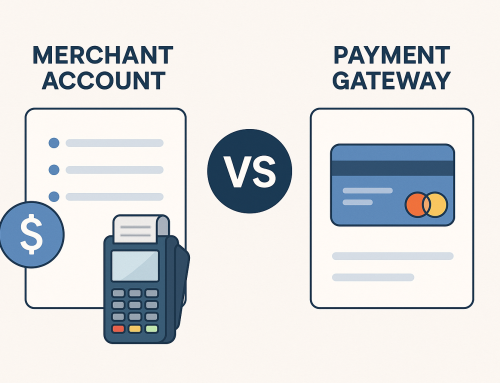
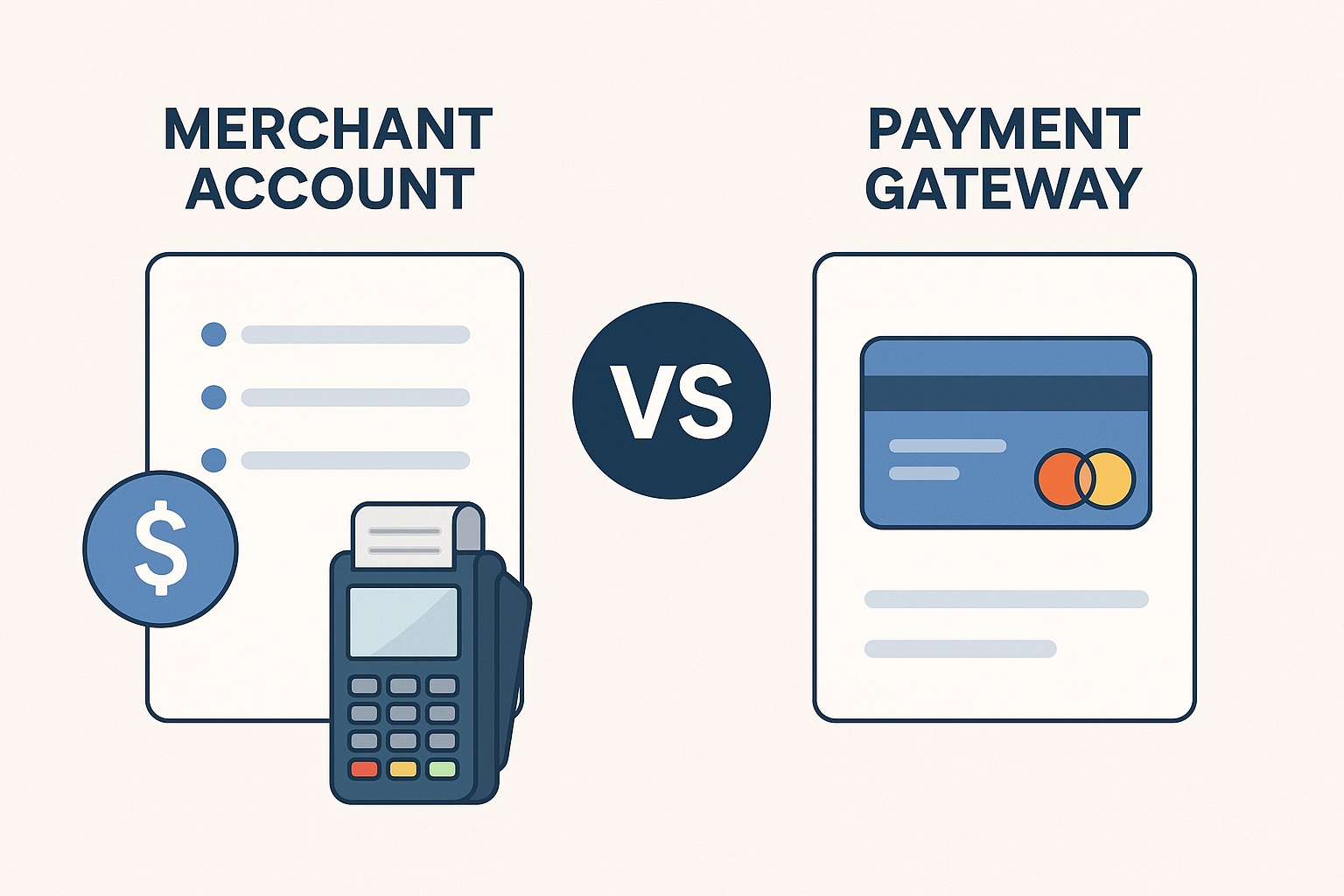
Card payments remain one of the most common payment methods for both in-store and online businesses. A payment processor handles debit and credit card transactions, typically through a payment gateway and merchant account. This option is familiar to customers and usually offers fast settlement.
Digital Wallets
Digital wallets such as Apple Pay, Google Pay, and PayPal make checkout quicker by letting customers pay without entering card details each time. These options are especially popular on mobile devices and can help reduce cart abandonment in eCommerce.
Bank Transfers and ACH Payments
Bank transfers are often used for larger transactions, B2B payments, and recurring billing. In some markets, ACH payments provide a cost-effective alternative to card payments, especially for invoices, subscriptions, and high-value purchases.
Mobile and Contactless Payments
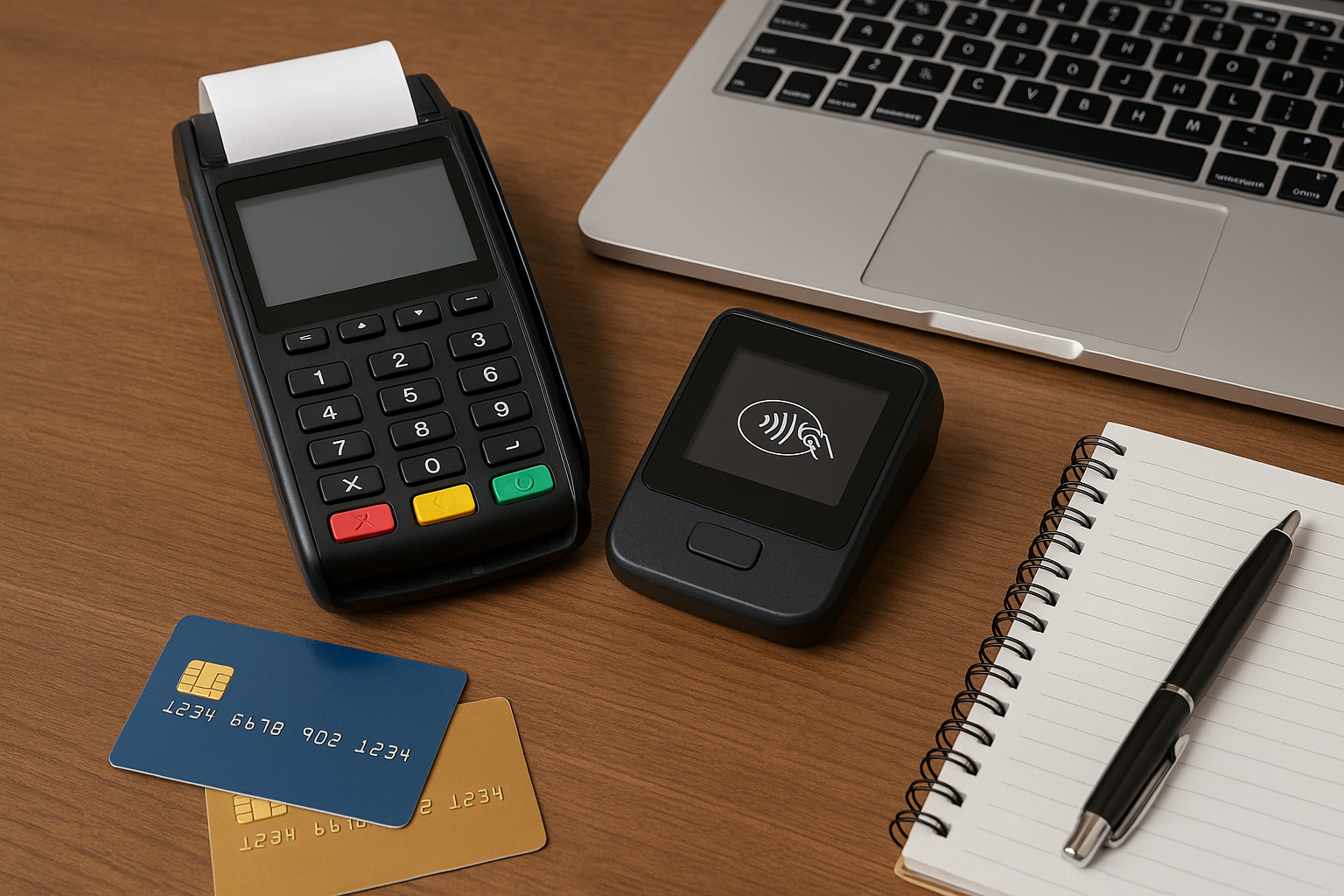
Mobile payment solutions and contactless card readers are increasingly important for retail, hospitality, and service businesses. They speed up checkout, improve convenience, and support modern buying habits.
Recurring Billing and Subscription Payments
Businesses that charge customers on a regular basis need tools for recurring billing. These systems automate invoice creation, payment collection, retries for failed payments, and subscription management, saving time and reducing missed revenue.
Payment Gateways and POS Systems
A payment gateway securely transfers payment information between the customer, merchant, and financial institutions. Point-of-sale (POS) systems are used in physical locations to process transactions, manage inventory, and often track sales data. Many modern platforms combine both online and offline payment features into one system.
How to Choose the Right Payment Solution
Selecting the best payment solution starts with understanding your business model and customer needs. A system that works well for an online subscription business may not be ideal for a café, a consultancy, or a wholesale distributor.
Consider Your Business Model
First, identify how and where you collect payments. Do you sell in-store, online, on the phone, or through invoices? Do you charge one-time fees or monthly subscriptions? Your answer will determine which features matter most.
Look at Fees and Pricing
Payment providers often charge transaction fees, monthly platform fees, chargeback fees, and sometimes setup or hardware costs. Compare pricing carefully and look beyond the headline rate. Lower per-transaction fees may be offset by hidden charges or limited features.
Evaluate Security and Compliance
Security should be a top priority. Look for solutions that support PCI DSS compliance, encryption, tokenization, fraud protection, and secure customer authentication. A reliable provider helps reduce risk and protects both your customers and your reputation.
Check Integration Options
Your payment solution should work well with your accounting software, CRM, eCommerce platform, inventory system, and reporting tools. Good integrations reduce manual work, improve accuracy, and give you a clearer view of your financial data.
Think About Customer Experience
The easier it is to pay, the better the customer experience. Choose a solution that supports the payment methods your customers actually use, offers a smooth checkout flow, and works on desktop and mobile devices.
Benefits of Modern Payment Solutions
Modern payment solutions offer much more than basic transaction processing. They can improve efficiency, increase sales, and help your business operate more professionally.
Faster payments: Automation and digital payment options help businesses get paid quickly, which supports cash flow and reduces delays.
Better customer satisfaction: Convenient payment options make purchasing easier and can increase repeat business.
Reduced admin work: Automated reconciliation, invoicing, and recurring billing reduce time spent on manual tasks.
Improved reporting: Many systems offer dashboards and analytics that help businesses track revenue, refunds, and payment trends.
Scalability: A good payment solution can grow with your business, whether you add new sales channels, expand internationally, or launch subscriptions.
Common Challenges and How to Avoid Them
Even the best payment systems can create problems if they are not chosen or managed carefully. Understanding common issues can help you avoid costly mistakes.
High Processing Fees
Some businesses underestimate the impact of processing fees on profit margins. Review pricing structures carefully and negotiate where possible, especially as your transaction volume grows.
Chargebacks and Fraud
Chargebacks can be expensive and time-consuming. Use fraud detection tools, clear billing descriptors, and good customer service to reduce disputes. For eCommerce businesses, address verification and 3D Secure can add an extra layer of protection.
System Downtime
If your payment system goes down, sales may stop. Choose a provider with reliable uptime, responsive support, and backup options when possible. This is especially important for high-volume retailers and service businesses.
Poor Integration
Disconnected systems lead to manual errors and wasted time. Before choosing a provider, confirm that it integrates smoothly with the software you already use.
Future Trends in Business Payments
Payment technology continues to evolve, and businesses that stay informed can gain a competitive advantage. Several trends are shaping the future of payments.
Artificial intelligence is being used to detect fraud, improve authorization rates, and personalize payment experiences. Open banking is making account-to-account payments more accessible. Embedded finance is also growing, allowing businesses to offer payment services directly inside their own platforms or apps.
At the same time, businesses are seeing greater demand for real-time payments, cross-border payment options, and flexible payment plans such as buy now, pay later. As customer expectations rise, businesses that offer speed, choice, and security will be better positioned to succeed.
Conclusion
Choosing the right payment solution is about more than accepting money. It is about improving operations, building trust, and making it easier for customers to do business with you. By understanding the different types of payment solutions, comparing costs and features, and planning for growth, businesses can select a system that supports both short-term needs and long-term success.