
Retail Credit Card Processing
Retail credit card processing is the system that allows stores to accept card payments from customers quickly, securely, and reliably. Whether you run a boutique, grocery store, convenience shop, or multi-location retail chain, the way you handle card transactions affects customer experience, cash flow, and operating costs.
Today’s shoppers expect fast checkout options, contactless payment methods, and a smooth in-store experience. That means choosing the right retail credit card processing setup is no longer just a back-office decision—it is a key part of running a competitive business.
How Retail Credit Card Processing Works
When a customer pays by card, several steps happen in just a few seconds. First, the payment data is captured through a card reader, terminal, or point-of-sale system. Then the information is sent to the payment processor, which routes the transaction to the card network and the customer’s issuing bank. The bank approves or declines the charge based on available funds, fraud checks, and account status.
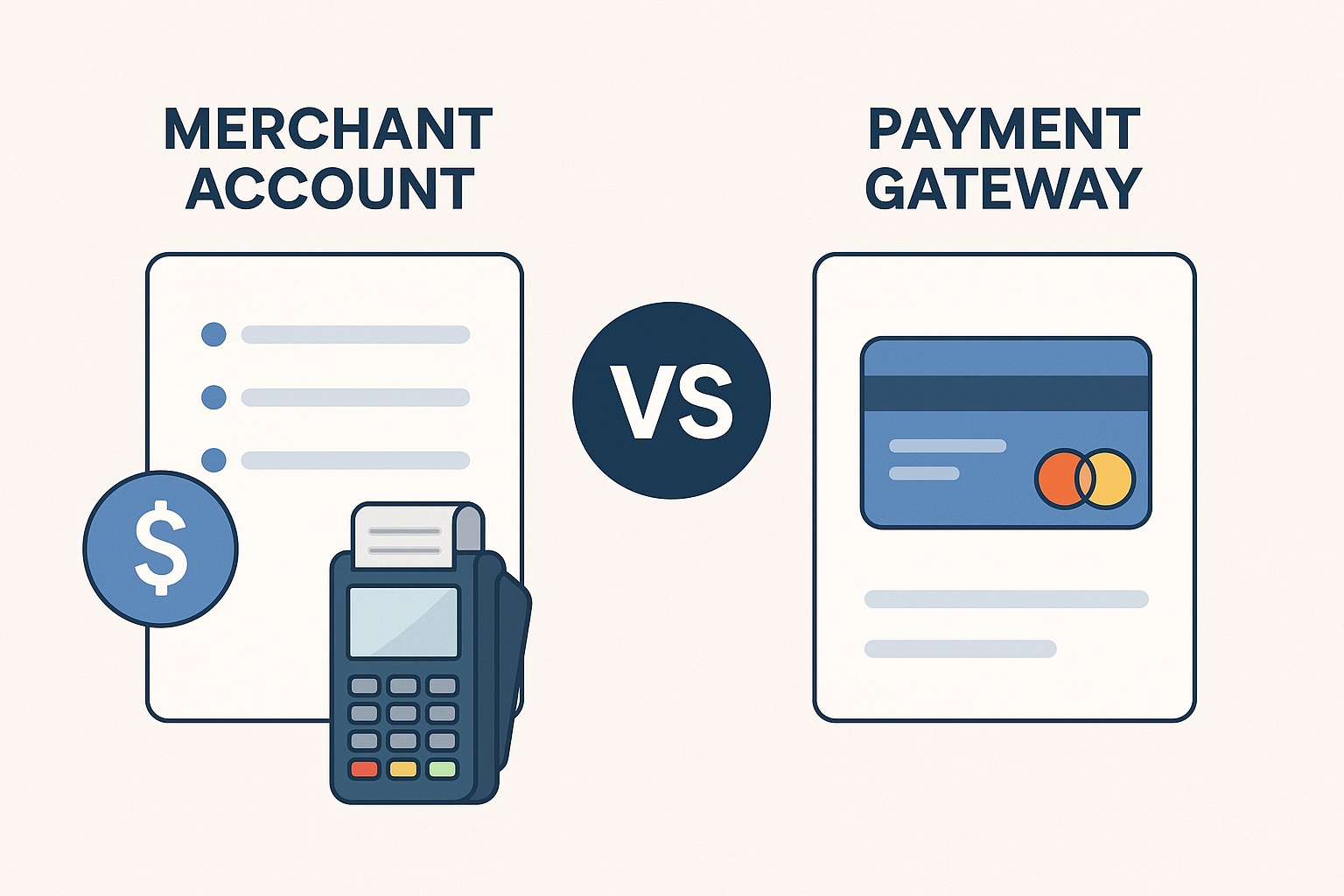
If the transaction is approved, the merchant receives confirmation and the sale is completed. Later, the payment is settled, meaning the funds are transferred to the business’s merchant account, minus any processing fees. This behind-the-scenes process may be complex, but the customer sees only a fast and simple checkout.
The Main Parties Involved
Retail credit card processing usually involves four key players:
- Customer: The cardholder making the purchase.
- Merchant: The retail business accepting the payment.
- Payment processor: The service that moves transaction data between parties.
- Acquiring bank and card networks: Institutions that help authorize, route, and settle the transaction.
Understanding these roles can help retailers compare providers and troubleshoot payment issues more effectively.
Types of Retail Payment Systems
Retail businesses have more payment options than ever before. The best setup depends on store size, sales volume, and the type of customer experience you want to provide.
Traditional Card Terminals
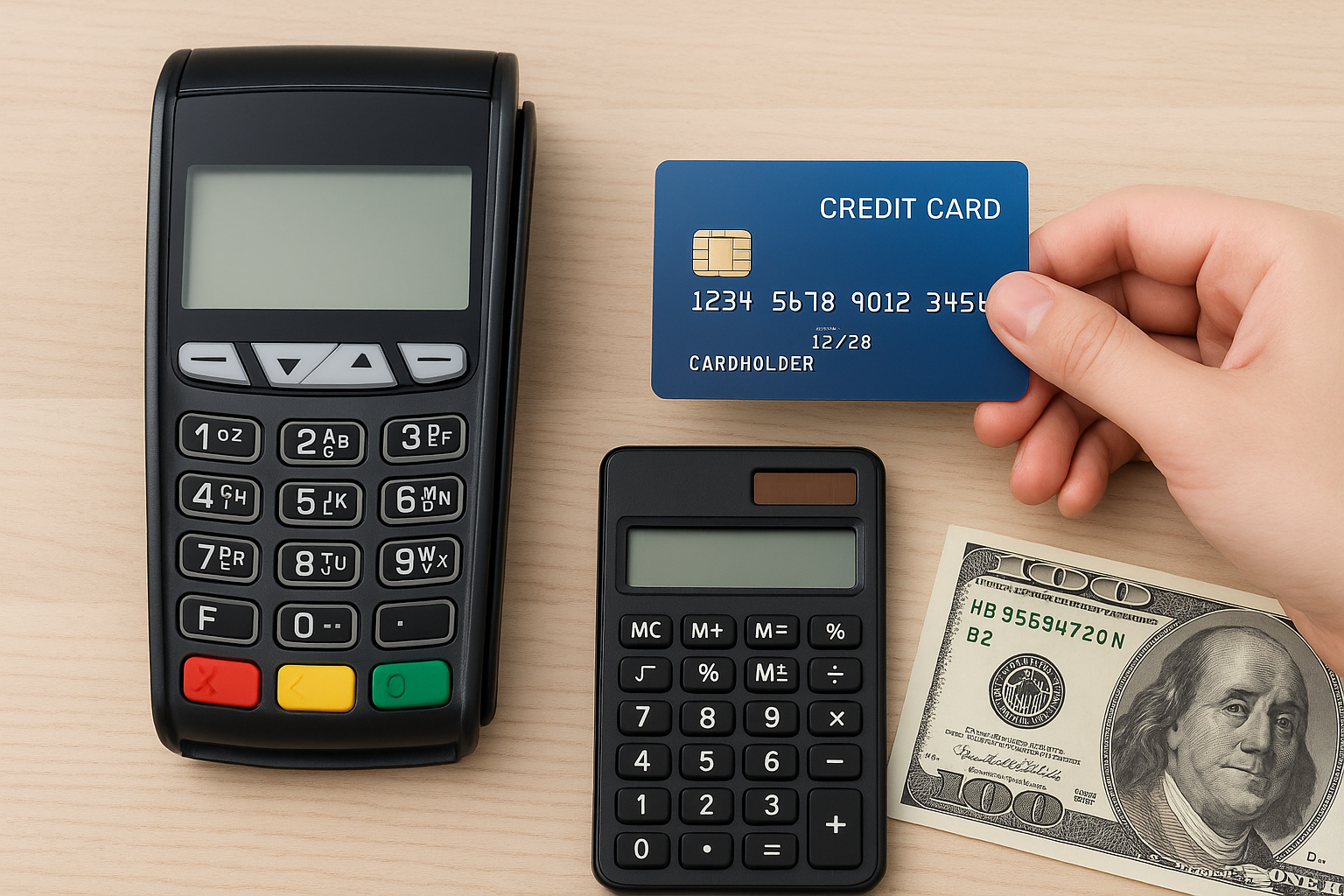
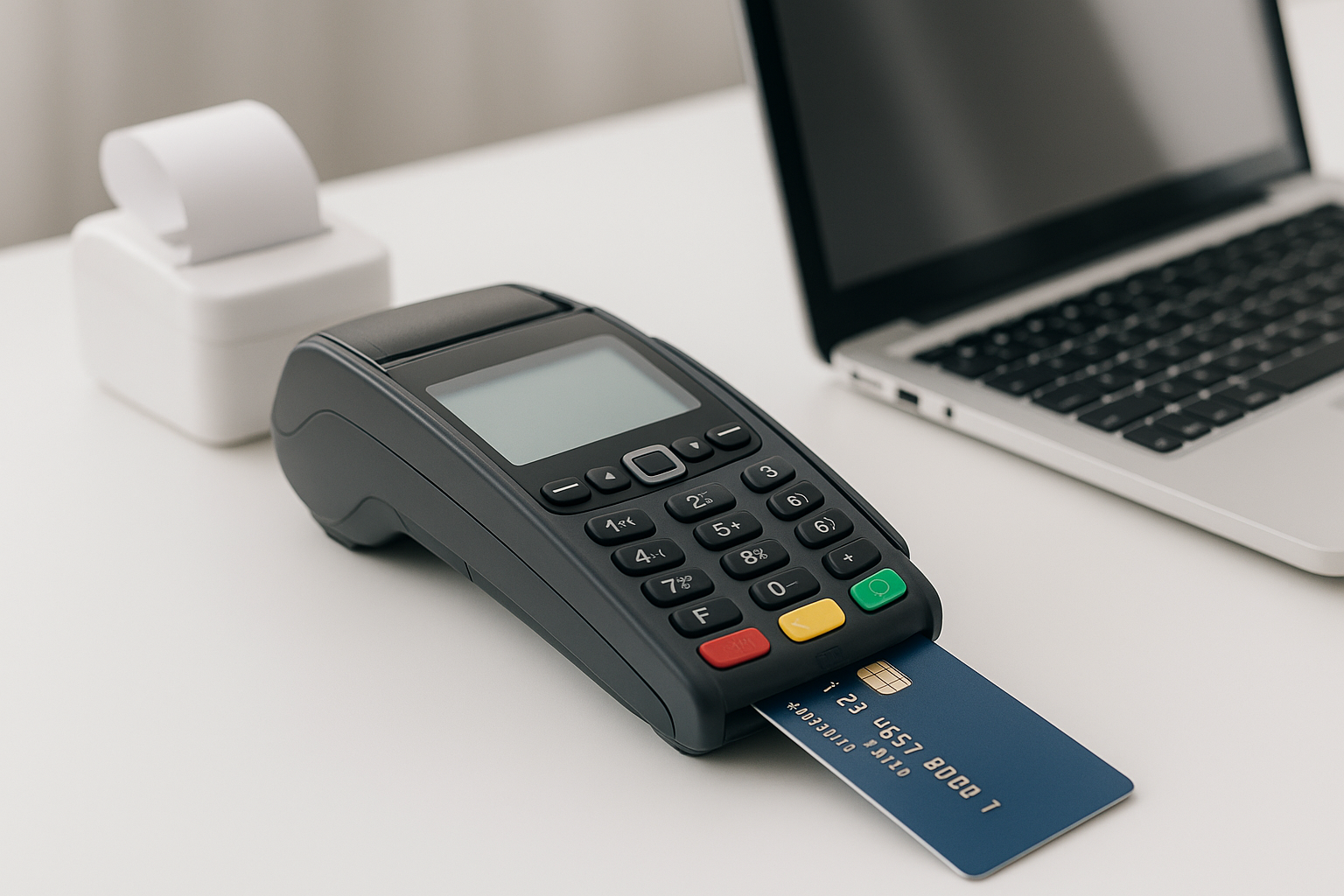
Standalone terminals are common in smaller shops and checkout lanes. These devices process chip cards, magnetic stripe cards, and often tap-to-pay transactions. They are reliable and easy to use, especially for businesses that want a simple payment solution.
Point-of-Sale Systems
Modern POS systems combine sales tracking, inventory management, employee reporting, and payment processing in one platform. For retail stores, this can streamline daily operations and reduce manual work. Many POS systems also support customer loyalty programs, digital receipts, and omnichannel sales.
Mobile and Contactless Payments
Shoppers increasingly prefer mobile wallets and contactless checkout options. Tap-to-pay, Apple Pay, Google Pay, and similar methods speed up transactions and reduce physical contact. Offering these options can improve satisfaction and help reduce line congestion during busy hours.
Key Features Retailers Should Look For
Not all payment solutions are built for retail. Stores should look for features that support speed, security, and flexibility at the register and beyond.
Fast Checkout Speed
In retail, long lines can hurt sales and frustrate customers. A strong processing solution should authorize payments quickly and integrate smoothly with your checkout system. The faster the transaction, the better the overall shopping experience.
Inventory and Sales Integration
Retail businesses often need payment data to sync directly with inventory and reporting tools. This helps teams track product movement, manage reorder points, and better understand peak sales periods. Integrated systems also reduce data entry errors.
Security and Fraud Protection
Retailers handle sensitive payment information, so security should be a top priority. Look for providers that support EMV chip cards, encryption, tokenization, and fraud monitoring. PCI compliance is also essential for protecting cardholder data and reducing risk.
Omnichannel Capabilities
Many retailers now sell both in-store and online. A payment system that supports multiple sales channels can simplify reporting and create a more seamless experience for customers. If your business offers curbside pickup, online ordering, or ship-from-store services, omnichannel processing can be especially valuable.
Understanding Retail Processing Fees
One of the most important parts of choosing a payment provider is understanding the fees. Retail credit card processing costs can vary widely depending on the provider, card type, and pricing model.
Common fees may include transaction fees, monthly account fees, chargeback fees, batch fees, PCI compliance fees, and equipment costs. Some providers charge interchange-plus pricing, while others use flat-rate or tiered pricing structures. Each model has pros and cons, but transparency is critical. Retailers should ask for a complete fee schedule before signing any contract.
Even small fee differences can add up quickly for high-volume stores. Comparing providers based on total cost, not just advertised rates, can lead to significant long-term savings.
How Retailers Can Choose the Right Processing Partner
Selecting a credit card processing partner is about more than finding the lowest rate. Retailers need a provider that fits their business model and can support growth.
Evaluate Your Sales Volume
A store with steady daily traffic may benefit from a different pricing model than a seasonal retailer or specialty shop. Estimate monthly processing volume, average ticket size, and the mix of card-present versus card-not-present transactions before shopping for a provider.
Check Compatibility with Existing Systems
If you already use POS software, accounting tools, or inventory systems, make sure the payment solution integrates properly. Poor compatibility can create operational headaches and limit efficiency.
Review Customer Support
When payment issues happen, fast support matters. Ask whether the provider offers live help, 24/7 assistance, onboarding support, and dispute resolution guidance. Strong customer service can save time and reduce revenue loss during technical problems.
Look at Contract Terms
Some processing agreements include long-term commitments, early termination fees, or automatic renewals. Retailers should read the contract carefully and avoid being locked into terms that do not fit their business goals. Flexible agreements are often better for growing or evolving stores.
Common Challenges in Retail Credit Card Processing
Retailers often face a few common issues when processing payments. Chargebacks, declined transactions, equipment failures, and settlement delays can all affect operations. Fraud is also an ongoing concern, especially if businesses accept card-not-present orders or process high-ticket transactions.
To reduce these challenges, retailers should train staff on proper card handling, use updated payment equipment, monitor transaction reports, and follow security best practices. Regularly reviewing processing statements can also help identify unusual fees or suspicious activity.
Best Practices for Retailers
To get the most from retail credit card processing, store owners should keep their systems updated, use secure hardware, and provide employees with clear payment procedures. It also helps to test terminals regularly, reconcile daily batches, and keep a close eye on refunds and chargebacks.
Businesses that treat payment processing as a strategic function—not just a utility—often enjoy smoother operations and better customer retention. A well-managed payment system can improve checkout speed, reduce errors, and support future expansion.
Conclusion
Retail credit card processing is a core part of modern store operations. The right solution can help you speed up checkout, protect customer data, and keep costs under control. By understanding how processing works, comparing fee structures, and choosing a provider that fits your retail needs, you can build a payment system that supports both customer satisfaction and business growth.