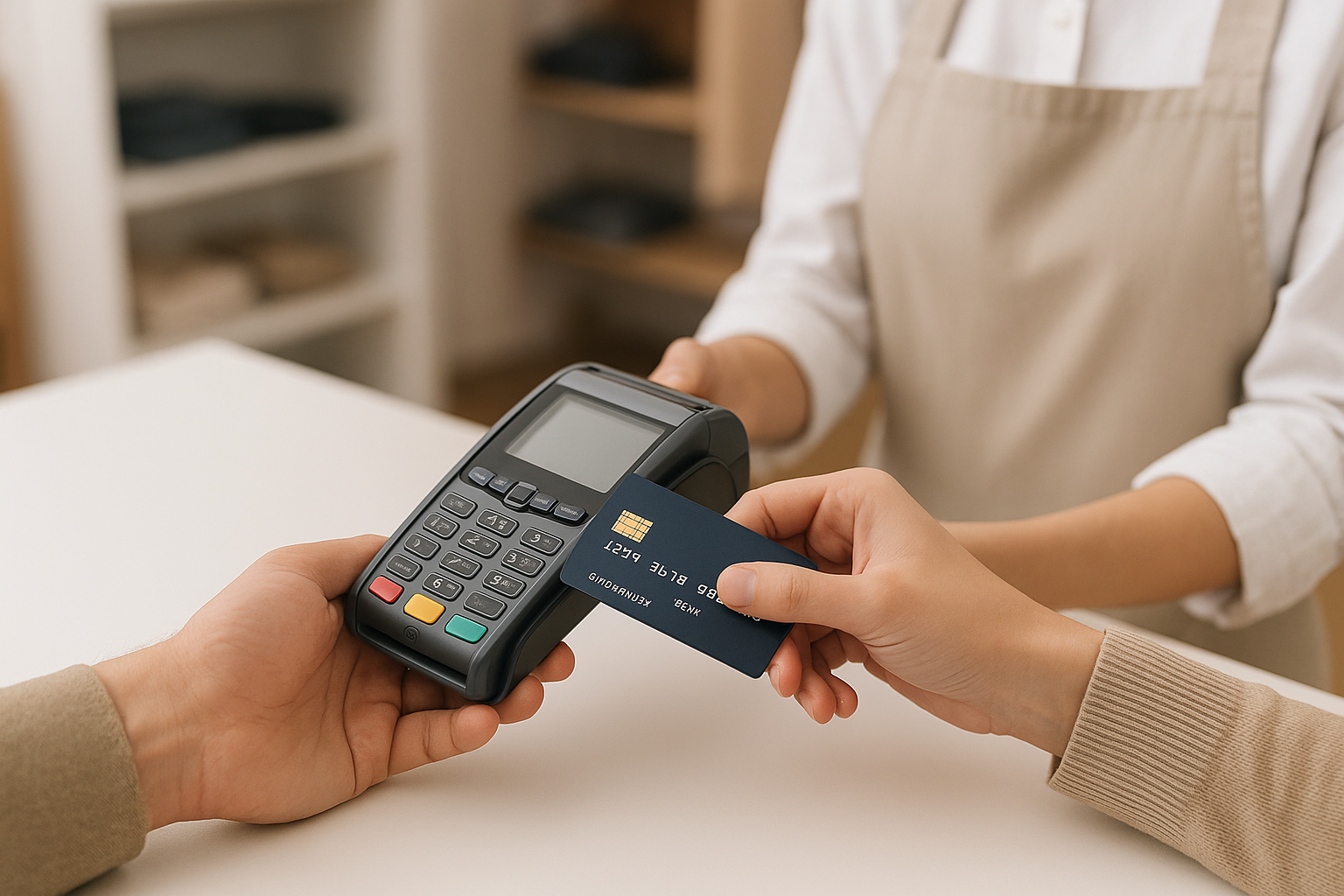
What Is Retail Credit Card Processing?
Retail credit card processing is the system that allows brick-and-mortar businesses to accept card payments in person. When a customer pays with a credit or debit card, the transaction moves through several steps before the merchant receives the money. That process includes the payment terminal, the payment gateway or POS system, the card networks, the customer’s issuing bank, and the merchant’s acquiring bank.
For retailers, this process is essential because customers expect fast, secure, and convenient payment options. Whether you run a boutique, grocery store, electronics shop, or specialty retail business, having a reliable credit card processing setup can improve the checkout experience and help increase sales.
How Retail Credit Card Processing Works
Although card payments appear instant at the register, several actions happen in seconds behind the scenes. First, the customer taps, inserts, or swipes their card at the point of sale. The payment information is then encrypted and sent for authorization.
Next, the payment processor routes the transaction through the appropriate card network, such as Visa, Mastercard, American Express, or Discover. The network sends the request to the customer’s bank, which checks whether the card is valid and whether sufficient funds or credit are available. If approved, the authorization is returned to the retailer, and the sale is completed.
At the end of the day, approved transactions are batched for settlement. During settlement, the funds are transferred from the customer’s bank account to the merchant account, minus any processing fees. This can take one to three business days depending on the provider.
Key Components of Retail Credit Card Processing
Point-of-Sale System
The POS system is the central hub for retail transactions. It records sales, tracks inventory, manages receipts, and communicates with the payment processor. Modern POS systems often combine software and hardware into one streamlined solution.
Payment Terminal
The payment terminal is the device customers use to complete card transactions. Terminals may support chip cards, magstripe cards, contactless payments, and digital wallets like Apple Pay and Google Pay. Choosing a terminal that supports multiple payment methods gives customers more flexibility.
Merchant Account
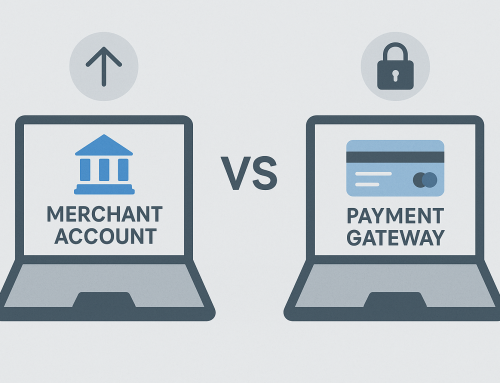
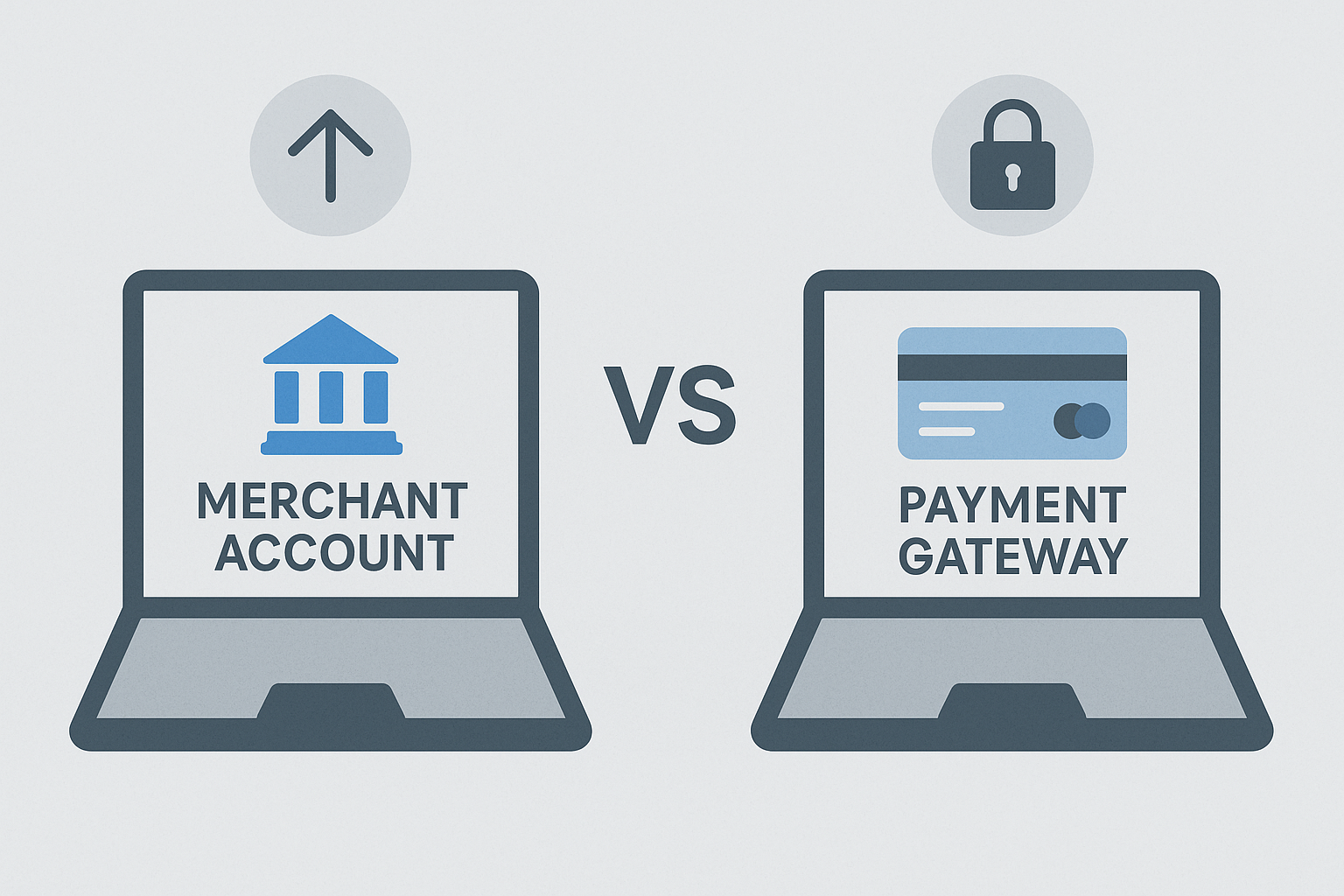
A merchant account is a type of business account that temporarily holds card funds before they are deposited into your main business bank account. Not every provider requires a separate merchant account, but the concept remains an important part of the payment flow.
Payment Gateway and Processor
The payment gateway securely transmits payment data, while the payment processor handles communication among the retailer, card networks, and banks. Some providers combine both services into a single package, making setup easier for business owners.
Types of Retail Payment Methods
Today’s shoppers expect more than just swipe-and-sign payments. Retailers should be prepared to accept a wide range of payment methods to meet customer preferences and keep checkout fast.
- Credit cards: Common for everyday purchases and higher-ticket items.
- Debit cards: Popular for customers who want to pay directly from their bank account.
- EMV chip cards: Offer enhanced security and are now standard in many retail environments.
- Contactless payments: Include tap-to-pay cards and mobile wallets.
- Digital wallets: Apple Pay, Google Pay, and similar services are increasingly common.
- Gift cards and store credit: Useful for promotions, returns, and customer loyalty.
Offering multiple payment types can reduce abandoned purchases and improve customer satisfaction, especially in fast-moving retail settings.
Benefits of Credit Card Processing for Retail Businesses
Faster Checkout
Card payments are quicker than cash in many situations, especially when customers use tap-to-pay or mobile wallets. Faster checkout helps reduce lines and keeps store traffic moving smoothly.
Higher Sales Potential
Shoppers often spend more when they can pay with a card. This is especially true for impulse purchases or larger transactions where carrying cash may be impractical.
Improved Customer Experience
Consumers expect convenience. Accepting cards and digital payments creates a smoother checkout experience and makes your store feel modern and trustworthy.
Better Recordkeeping
Electronic payment processing automatically creates transaction records, which can simplify accounting, tax preparation, refunds, and dispute resolution.
Common Retail Credit Card Processing Fees
Understanding payment costs is important for protecting your margins. Most retail merchants encounter a combination of fees, including:
- Transaction fees: A per-sale cost, often a percentage plus a small fixed amount.
- Monthly fees: Charges for account maintenance, software, or customer support.
- Terminal or equipment fees: Costs for purchasing or leasing card readers and POS hardware.
- Chargeback fees: Fees assessed when a customer disputes a transaction.
- PCI compliance fees: Costs tied to meeting data security standards.
Some providers use flat-rate pricing, while others offer interchange-plus or subscription-based pricing. Comparing pricing models can help you choose the best fit for your store’s sales volume and average ticket size.
How to Choose the Right Retail Payment Processor
Selecting a processor is about more than just finding the lowest fee. Retailers should evaluate the full package to make sure it supports daily operations and long-term growth.
Look at Pricing Transparency
Ask for a clear breakdown of all fees, including monthly minimums, statement fees, PCI fees, and contract terms. Hidden costs can add up quickly.
Check Hardware and POS Compatibility
Make sure the processor works with your current POS system and supports the payment types your customers use most often. Integration can save time and reduce errors.
Evaluate Security Features
Security should be a top priority. Look for PCI compliance support, tokenization, encryption, fraud tools, and chargeback management resources.
Consider Customer Support
Retail stores need fast help when payment systems go down. Choose a provider with responsive, accessible support, especially during your business hours.
Review Contract Terms
Some processors require long-term contracts or charge cancellation fees. Flexible terms are often better for small and growing retailers.
Security and Compliance in Retail Credit Card Processing
Because payment data is sensitive, security and compliance are essential. Retailers should follow Payment Card Industry Data Security Standard (PCI DSS) requirements to reduce the risk of fraud and data breaches. This includes using secure devices, limiting access to cardholder data, and regularly updating systems.
In addition, businesses should train staff on secure card handling practices. Employees should know how to spot suspicious activity, verify transactions when necessary, and protect customer information at the point of sale.
Fraud prevention tools such as EMV chip readers, address verification, and transaction monitoring can also help reduce losses. The safer your payment environment, the more confidence customers will have in your business.
Conclusion
Retail credit card processing is a core part of modern store operations. By understanding how it works, what it costs, and which features matter most, retailers can choose a payment solution that supports both customer convenience and business growth. The right processor can help speed up checkout, improve security, and create a better overall shopping experience.