What Is a Payment Gateway?
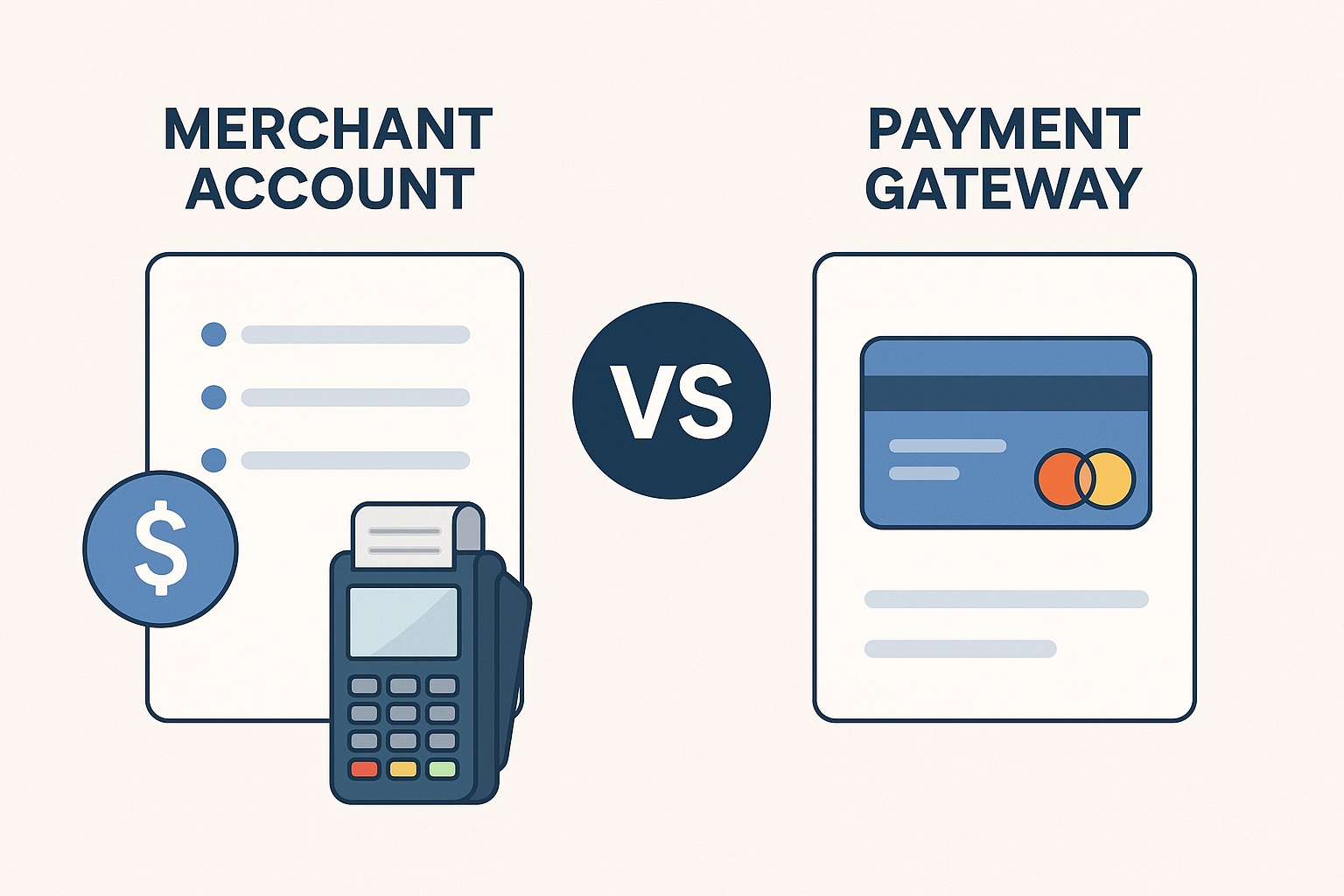
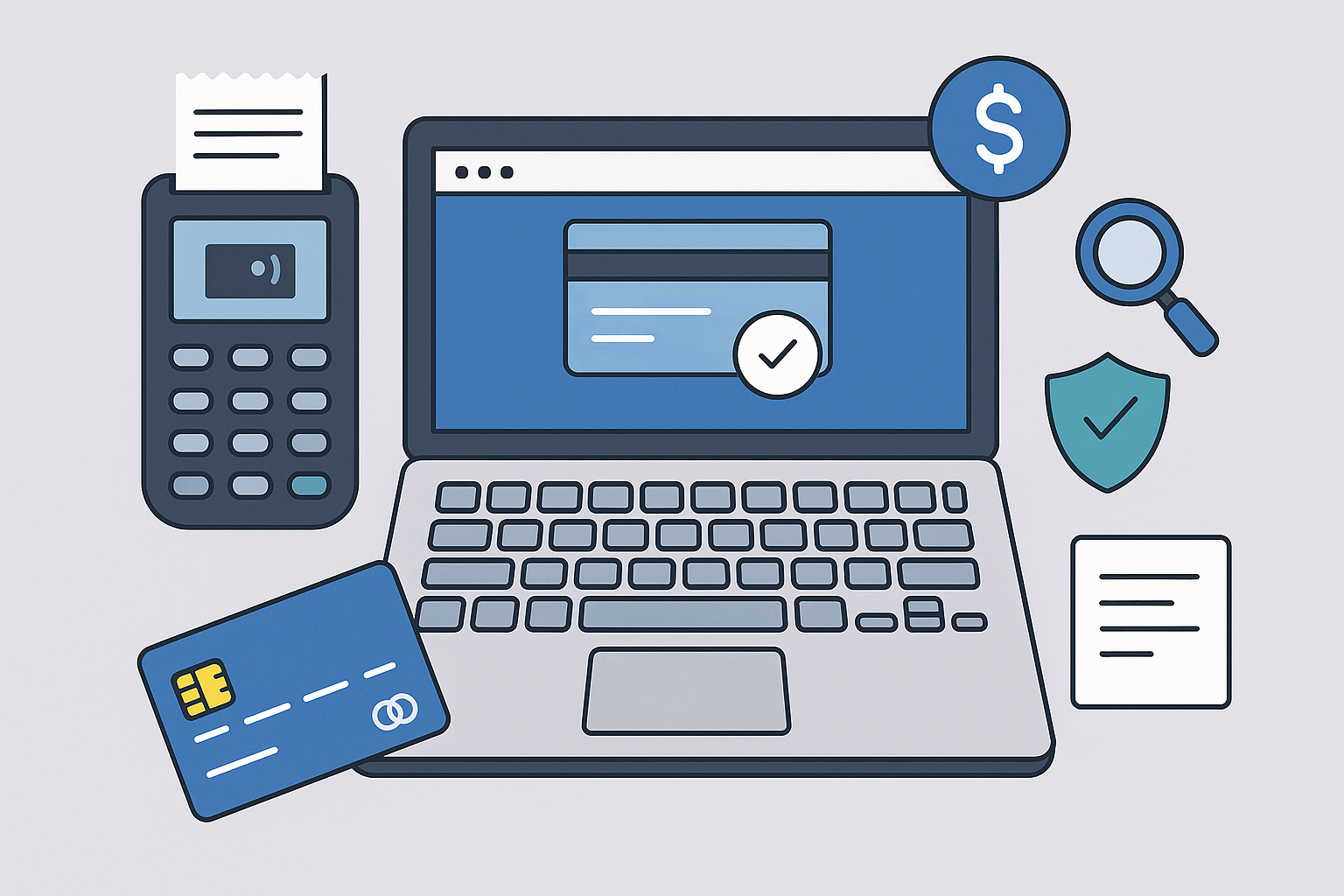
A payment gateway is the technology that securely captures and transfers payment information from a customer to a business’s payment processor or acquiring bank. In simple terms, it acts as the digital bridge between your online store and the financial institutions that approve or decline a transaction.
When a customer enters card details, digital wallet information, or another payment method at checkout, the payment gateway encrypts that data and helps move it through the payment flow safely. Without it, online payments would be slow, risky, and much harder to manage.
How a Payment Gateway Works
The payment process may seem instant to the customer, but several steps happen behind the scenes in just a few seconds.
1. Customer submits payment details
The buyer enters payment information at checkout on your website or app. This could be a credit card, debit card, mobile wallet, or another supported payment method.
2. The gateway encrypts the data
To protect sensitive information, the gateway encrypts the payment details before sending them onward. This is a critical security step that helps prevent fraud and data theft.
3. The processor and bank verify the transaction
The payment gateway forwards the encrypted data to the payment processor, which communicates with the card network and the customer’s bank. The bank checks whether the card is valid, the account has sufficient funds, and the transaction appears legitimate.
4. The transaction is approved or declined
If everything checks out, the bank approves the payment and sends a response back through the chain. If there is a problem, the transaction is declined. The gateway then displays the result to the customer so they know whether the purchase was successful.
5. Funds are settled
After approval, the transaction enters settlement. This is when the money is actually transferred from the customer’s bank to the merchant account, usually within one to several business days depending on the provider.
Why Payment Gateways Matter
Payment gateways do much more than move money. They help businesses create a secure, smooth, and trustworthy checkout experience.
They protect sensitive data
Security is one of the biggest reasons payment gateways are essential. They use encryption and compliance standards to help safeguard cardholder data and reduce the risk of fraud.
They improve customer trust
Customers are more likely to complete a purchase when they see a familiar, secure checkout process. A reliable payment gateway can reduce cart abandonment and improve conversion rates.
They support multiple payment methods
Modern customers expect flexibility. A good gateway can support cards, digital wallets, bank transfers, recurring billing, and local payment options depending on the market.
They help businesses scale
As a business grows, its payment needs become more complex. A strong payment gateway can handle higher transaction volumes, international payments, subscription billing, and fraud monitoring without creating operational headaches.
Types of Payment Gateways
Not all gateways work the same way. Businesses typically choose from a few common models based on their needs, budget, and technical setup.
Hosted payment gateways
With a hosted gateway, customers are redirected to a third-party checkout page to complete payment. This option is often easier to set up and can reduce the burden of handling sensitive payment data directly.
Integrated payment gateways
An integrated gateway allows customers to stay on your website or app during checkout. It offers a more seamless experience, but it may require more technical setup and greater attention to security and compliance.
API-based payment gateways
API-based gateways give businesses the most control and customization. Developers can build a fully tailored checkout experience, but this approach usually requires more expertise and ongoing maintenance.
Key Features to Look For
Choosing the right payment gateway can have a big impact on your checkout experience and overall business performance. Here are some important features to consider.
Security and compliance
Look for gateways that support encryption, tokenization, fraud detection, and PCI DSS compliance. These features help protect both your business and your customers.
Multiple payment options
The best gateways support a wide range of payment methods so customers can pay in the way that feels most convenient to them.
Recurring billing support
If you run a subscription business, recurring billing features are essential. They make it easier to automate monthly or annual payments.
International capabilities
For businesses serving global customers, currency conversion, cross-border payments, and localized checkout options are valuable.
Fast and reliable settlement
Cash flow matters. A gateway with efficient settlement times can help your business access funds more quickly.
Developer-friendly tools
Businesses that want to customize checkout should look for clear documentation, SDKs, and API support.
Benefits for Businesses
A payment gateway can provide more than just basic transaction processing. It can strengthen the way your business operates and grows.
Better checkout experience
A streamlined checkout reduces friction and helps customers complete their purchases more easily.
Lower fraud risk
Advanced fraud tools can flag suspicious activity, reducing chargebacks and financial losses.
Improved cash flow
Efficient payment processing and settlement help businesses receive revenue faster.
More sales opportunities
By supporting different payment methods and currencies, you can reach more customers and increase sales.
Common Challenges and How to Avoid Them
Even the best payment gateway can run into issues if it is not chosen or configured carefully. Here are a few common challenges businesses face.
High transaction fees
Some gateways charge setup fees, monthly fees, per-transaction fees, or currency conversion costs. Compare pricing carefully so you understand the true cost.
Compatibility issues
Your gateway should integrate smoothly with your shopping cart, website platform, accounting software, and CRM tools. Poor compatibility can create delays and manual work.
Checkout friction
Too many steps at checkout can lead to abandoned carts. Aim for a process that is quick, mobile-friendly, and easy to complete.
Fraud and chargebacks
Fraud prevention tools are important, but they must be balanced with a smooth customer experience. Strong verification rules can reduce false declines while still protecting your business.
How to Choose the Right Payment Gateway
The best payment gateway for your business depends on your size, industry, customer base, and technical requirements.
Start with your business model
An ecommerce store, subscription service, marketplace, and B2B company may all need different features. Make a list of your must-haves before comparing providers.
Evaluate total cost
Look beyond headline transaction rates. Consider all fees, including monthly charges, chargeback fees, international processing costs, and payout timing.
Check security standards
Make sure the gateway follows industry best practices and supports secure payment handling.
Test the user experience
Try the checkout process as a customer would. A smooth and simple experience can increase conversions and repeat purchases.
Review support and reliability
Responsive customer support and strong uptime are essential, especially if payments are central to your revenue.
Conclusion
A payment gateway is a vital part of modern digital commerce. It helps businesses accept payments securely, efficiently, and with greater flexibility. By understanding how it works and what features matter most, you can choose a solution that supports both customer satisfaction and long-term growth.