What Is a Merchant Account?
A merchant account is a special type of business account that allows a company to accept and process card payments from customers. When a customer pays with a debit or credit card, the money does not go directly into the business checking account. Instead, it first moves into the merchant account, where the transaction is approved, settled, and then transferred to the business bank account.
For businesses that sell online, in person, or over the phone, a merchant account is often a key part of getting paid quickly and securely. It acts as a bridge between the customer’s card issuer, the payment processor, and the business’s bank.
How Does a Merchant Account Work?
The payment process happens in a few steps, usually in seconds:
- A customer makes a purchase using a debit or credit card.
- The payment request is sent through a payment processor.
- The card network and issuing bank check whether the transaction is valid and whether funds are available.
- If approved, the merchant account temporarily holds the funds.
- The money is later transferred to the business bank account, usually within one to three business days.
This setup helps businesses accept payments safely while reducing the risk of fraud and chargebacks. It also gives banks and payment providers time to verify the transaction before final settlement.
Why Businesses Need a Merchant Account
Not every business needs a merchant account, but many do. If you want to accept card payments, especially at scale, a merchant account can be essential. It supports smoother payment processing and allows businesses to offer customers convenient payment options.
Here are a few common reasons businesses use merchant accounts:
- Card payment acceptance: Accept credit and debit cards in-store, online, or over the phone.
- Faster access to funds: Receive customer payments without waiting too long for settlement.
- Professional payment setup: Create a reliable checkout experience for customers.
- Higher sales potential: Customers are more likely to buy when they can pay the way they prefer.
Without a merchant account, a business may be limited to cash, checks, or slower payment methods that can hurt growth and convenience.
Types of Merchant Accounts
Merchant accounts are not all the same. The right option depends on how and where your business accepts payments.
Retail Merchant Accounts
These are designed for brick-and-mortar businesses that accept payments in person. They usually connect to point-of-sale systems and card readers.
eCommerce Merchant Accounts
These accounts are used by online businesses. They integrate with shopping carts, payment gateways, and checkout platforms to process internet transactions.
Mobile Merchant Accounts
Ideal for businesses that take payments on the go, such as food trucks, service providers, and pop-up shops. These often work with smartphones or tablets.
High-Risk Merchant Accounts
Some industries are considered higher risk by banks and processors, including travel, subscription services, adult products, and certain nutraceutical businesses. These accounts may have stricter approval requirements, higher fees, or more reserve requirements.
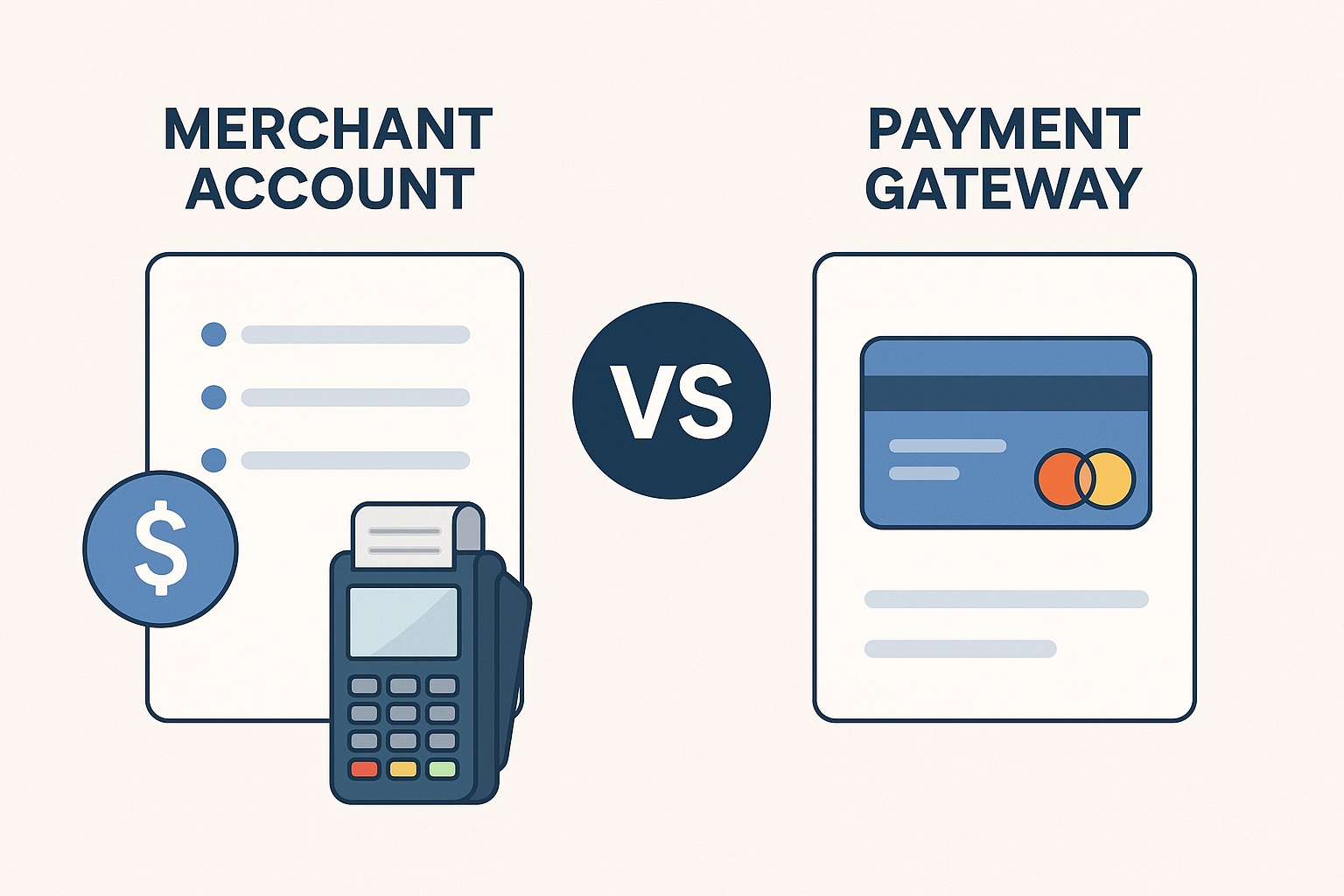
Merchant Account vs. Payment Processor
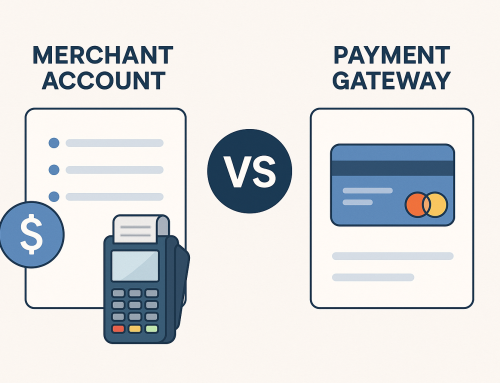
Many business owners confuse merchant accounts with payment processors, but they are not the same thing. A payment processor is the system that moves transaction data between the customer, the merchant, and the banks. A merchant account is the place where approved funds are temporarily held before being deposited into the business bank account.
Think of it this way: the payment processor handles the communication, while the merchant account handles the funds. In some cases, providers bundle both services together, which can make setup simpler for small businesses.
Fees and Costs to Expect
Merchant accounts come with costs, and understanding them helps business owners avoid surprises. Common fees include:
- Setup fee: A one-time charge to open the account, though many providers waive this.
- Monthly fee: A recurring fee for maintaining the account.
- Transaction fee: A percentage of each sale, sometimes with a fixed per-transaction charge.
- Chargeback fee: A fee charged when a customer disputes a transaction.
- Early termination fee: A penalty for ending the contract before the term is complete.
Some providers advertise very low rates but make up for it with hidden charges. Always read the contract carefully and compare total costs, not just headline pricing.
How to Choose the Right Merchant Account Provider
Choosing a merchant account provider is about more than just price. Reliability, customer support, and compatibility with your business model matter too.
When comparing providers, consider the following:
- Business type: Make sure the provider supports your industry.
- Payment methods: Check whether it supports cards, digital wallets, recurring billing, and international payments.
- Integration options: Ensure it works with your POS system, website, or accounting software.
- Funding speed: Look at how quickly payments are deposited.
- Security tools: Fraud detection, encryption, and PCI compliance support are important.
- Customer service: Fast support can be crucial if a payment issue arises.
A good provider should make payment acceptance simple, secure, and scalable as your business grows.
Benefits of Having a Merchant Account
A merchant account can offer several advantages for growing businesses. It improves the customer experience by making checkout faster and more flexible. It also helps businesses look more professional and trustworthy.
Other important benefits include:
- Reduced risk of missed sales due to limited payment options
- Improved cash flow through regular settlements
- Better support for recurring billing and subscriptions
- Ability to accept payments across multiple channels
For many businesses, these benefits can lead directly to higher revenue and smoother operations.
Common Challenges and How to Avoid Them
While merchant accounts are useful, they can also come with challenges. Some businesses may face account approval issues, especially if they operate in a high-risk industry or have a limited processing history. Others may run into chargebacks, holds, or unexpected fees.
To reduce these risks:
- Keep your business and financial records organized.
- Choose a provider with experience in your industry.
- Use strong fraud prevention tools.
- Set clear refund and return policies.
- Monitor transactions regularly for unusual activity.
Taking a proactive approach can help you avoid costly disruptions and keep your payment system running smoothly.
Conclusion
A merchant account is an important tool for any business that wants to accept card payments efficiently and securely. By understanding how it works, what it costs, and how to choose the right provider, you can create a better checkout experience and support your business growth. Whether you sell online, in-store, or on the move, the right merchant account can make getting paid much easier.