What Is Mobile Credit Card Processing?
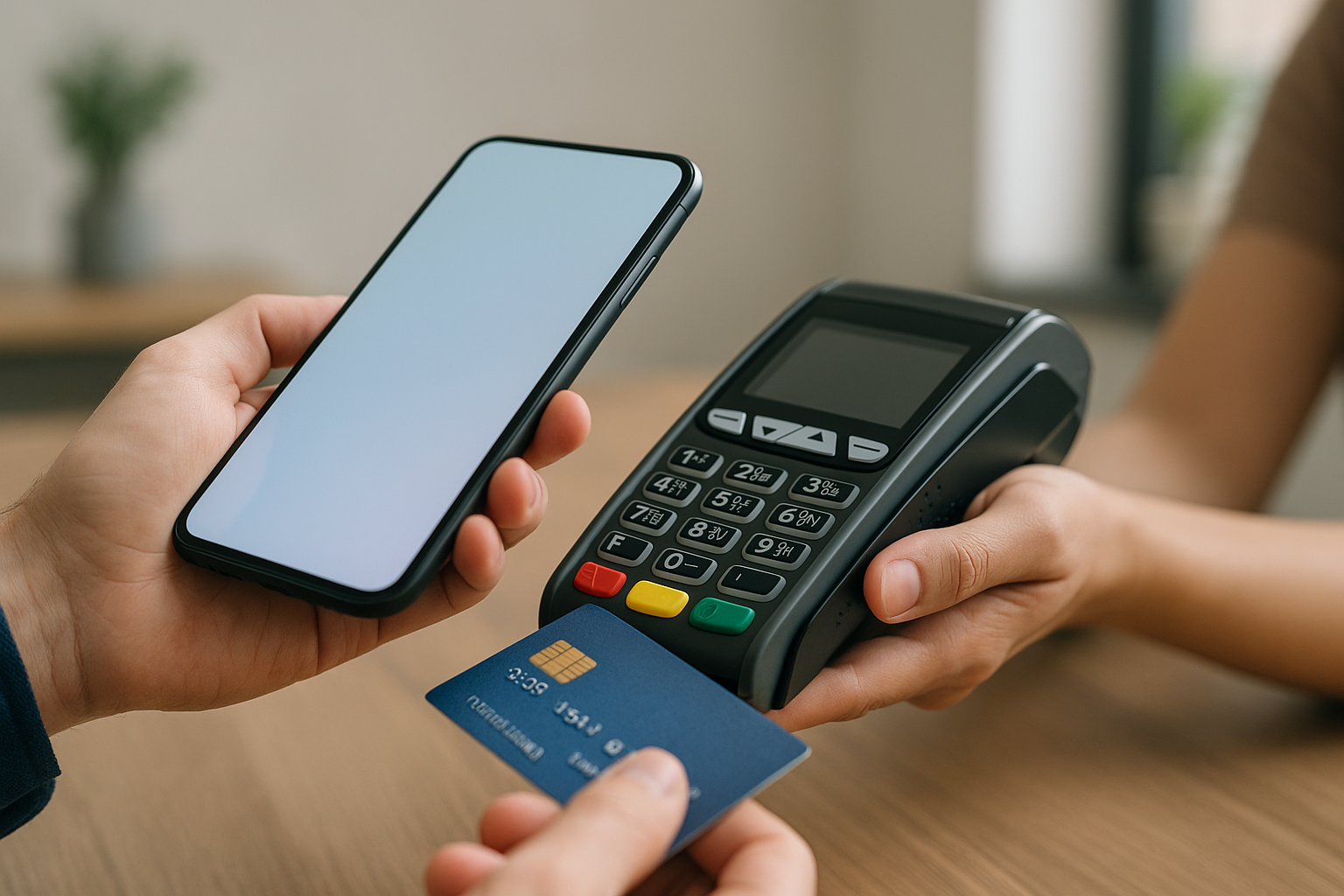
Mobile credit card processing is the ability to accept credit and debit card payments using a smartphone, tablet, or other portable device instead of a traditional countertop terminal. With the right app, card reader, and payment processor, businesses can take payments almost anywhere with an internet connection.
This payment method is popular with small businesses, field service companies, contractors, pop-up shops, food trucks, event vendors, and anyone who needs to get paid on the go. It combines convenience, speed, and flexibility, making it easier to close sales wherever customers are.
How Mobile Credit Card Processing Works
The process is simple on the surface, but several steps happen behind the scenes to keep payments secure and fast.
1. Card data is captured
A customer taps, dips, swipes, or enters card information through a mobile card reader or payment app. Some systems also support digital wallets such as Apple Pay and Google Pay.
2. Payment information is encrypted
Once the card data is collected, it is encrypted to protect sensitive information during transmission. This helps reduce the risk of fraud and data theft.
3. The payment is authorized
The payment processor sends the transaction to the card network and issuing bank for approval. If the bank approves the charge, the sale is completed.
4. Funds are settled
After approval, the money is deposited into the business’s merchant account, typically within one to three business days, depending on the provider.
Benefits of Mobile Credit Card Processing
Mobile payment tools offer more than just convenience. They can improve operations, customer experience, and cash flow.
Accept payments anywhere
The biggest benefit is portability. Businesses can take payments at job sites, in customers’ homes, at markets, or on the sales floor without being tied to a fixed register.
Faster checkout
Mobile processing reduces wait times and helps businesses serve more customers in less time. Quick checkout is especially useful in busy environments like events, cafes, and retail pop-ups.
Better cash flow
Card payments are usually deposited faster than checks, which helps business owners manage expenses and keep operations running smoothly.
Professional customer experience
Customers often prefer paying by card or digital wallet. Offering modern payment options makes a business look professional and customer-friendly.
Lower startup costs
Compared with traditional POS setups, mobile systems are often more affordable. Many solutions require only a smartphone, app, and inexpensive card reader to get started.
Common Uses for Mobile Credit Card Processing
Mobile processing is useful in a wide range of industries. Here are some of the most common examples.
Retail pop-ups and markets
Vendors can sell products at festivals, farmers markets, craft fairs, and temporary storefronts without needing a full register system.
Food trucks and concessions
Speed matters in food service. Mobile payments make it easy to move lines faster while giving customers more ways to pay.
Service businesses
Plumbers, electricians, landscapers, cleaners, and repair technicians can collect payment immediately after completing a job.
Delivery and curbside businesses
Restaurants and retailers offering curbside pickup or delivery can use mobile devices to complete transactions at the point of service.
Events and fundraising
Nonprofits, ticket sellers, and event organizers can accept donations or sales without depending on cash-only transactions.
Features to Look For in a Mobile Payment Solution
Not all mobile payment systems are the same. Choosing the right one depends on how your business operates and what tools you need.
Card reader compatibility
Look for a reader that supports chip cards, tap-to-pay, and swipe payments. A reliable reader should connect easily to your device through Bluetooth or a direct port.
Security features
Choose a provider that includes end-to-end encryption, tokenization, and PCI compliance support. Security should be a top priority for every transaction.
Inventory and sales tracking
Some mobile platforms include built-in reporting, product catalogs, and inventory tools. These features can save time and help you make better business decisions.
Offline mode
If you work in areas with unreliable internet access, offline mode can be valuable. It allows you to record payments and process them once you reconnect, depending on the provider’s rules.
Integration with business tools
Many businesses benefit from systems that connect with accounting software, CRM platforms, e-commerce stores, and POS software.
Security Considerations
Security is essential when handling payment card information. A strong mobile payment setup should protect both the business and the customer.
Use PCI-compliant providers
PCI compliance helps ensure your payment system follows industry standards for handling card data. Working with a compliant provider reduces risk and simplifies your responsibilities.
Keep software updated
Update your mobile app, operating system, and card reader firmware regularly. Updates often include important security patches and performance improvements.
Train staff properly
Employees should know how to handle cards securely, verify transactions, and avoid mistakes that could lead to chargebacks or fraud.
Protect your devices
Use strong passwords, biometric login if available, and device encryption. Lost or unsecured devices can create unnecessary exposure.
How to Choose the Right Mobile Credit Card Processor
The best provider is the one that matches your payment volume, industry, and budget. Before signing up, compare the most important details carefully.
Compare pricing
Look closely at transaction fees, monthly charges, hardware costs, chargeback fees, and any hidden expenses. Small differences can add up over time.
Check supported payment types
Make sure the processor supports the payment methods your customers prefer, including chip cards, contactless payments, and digital wallets.
Review deposit speed
Fast deposits can be important for businesses with tight cash flow. Ask how long it takes for funds to reach your account.
Evaluate customer support
Reliable support matters when a payment issue happens during a busy shift or job. Look for providers with responsive, accessible service.
Consider scalability
If your business grows, your payment solution should grow with it. A flexible provider can support more locations, users, and sales channels over time.
Conclusion
Mobile credit card processing gives businesses a flexible, affordable, and professional way to accept payments anywhere. By choosing a secure system with the right features, you can improve customer experience, speed up checkout, and keep sales moving wherever your business takes you.