Payment Processing Costs: What They Are and How to Lower Them
Payment processing is essential for modern businesses, but it comes with a cost. Whether you run an online store, a subscription service, or a brick-and-mortar shop, every card or digital wallet transaction involves fees. Understanding payment processing costs can help you protect margins, choose the right provider, and make smarter pricing decisions.
These costs are not always straightforward. They can include transaction fees, monthly account charges, chargeback fees, and even hidden costs tied to hardware or compliance. The good news is that once you know how these expenses work, you can often reduce them without sacrificing customer convenience.
What Are Payment Processing Costs?
Payment processing costs are the fees businesses pay to accept electronic payments such as credit cards, debit cards, ACH transfers, and mobile wallets. These costs are typically charged by payment processors, merchant account providers, card networks, and banks involved in moving money from the customer to your business.
At a high level, processing a payment requires several parties to work together:
- The customer’s bank, which approves or declines the transaction.
- The card network, such as Visa, Mastercard, or American Express.
- The payment processor, which routes and manages the transaction.
- The merchant account provider, which deposits funds into your business account.
Each party may take a small cut. That is why payment processing costs can vary widely depending on the payment method, the industry, and the pricing model your provider uses.
Common Types of Payment Processing Fees
To understand your total cost, it helps to break fees into categories. Some are easy to see on your statement, while others are embedded in the rate you are quoted.
Interchange Fees
Interchange fees are paid to the cardholder’s bank. These are usually the largest component of card processing costs and vary based on factors such as card type, transaction method, and industry risk. For example, a rewards credit card may cost more to process than a basic debit card.
Assessment Fees
Assessment fees are charged by the card networks themselves. They are typically a small percentage of the transaction amount. Although they are usually lower than interchange fees, they still add up over time, especially for high-volume businesses.
Processor Markup
This is the fee your payment processor adds for providing the service. It may include percentage-based pricing, per-transaction fees, or both. Processor markup is one of the most negotiable parts of payment processing costs.
Monthly and Account Fees
Some providers charge monthly fees for account maintenance, gateway access, reporting tools, or customer support. These charges may seem small, but they can have a big impact on smaller businesses or businesses with low transaction volume.
Chargeback Fees
If a customer disputes a transaction, your business may face a chargeback fee in addition to losing the original sale amount. Too many chargebacks can also lead to higher processing costs or even account termination.
Equipment and Hardware Costs
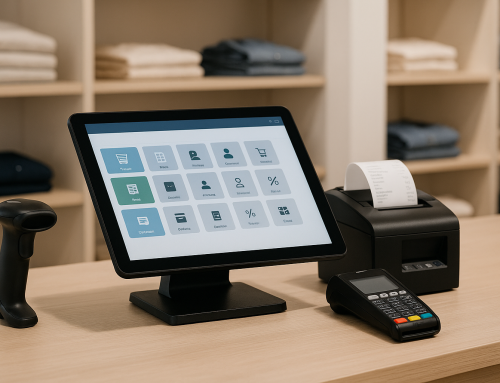
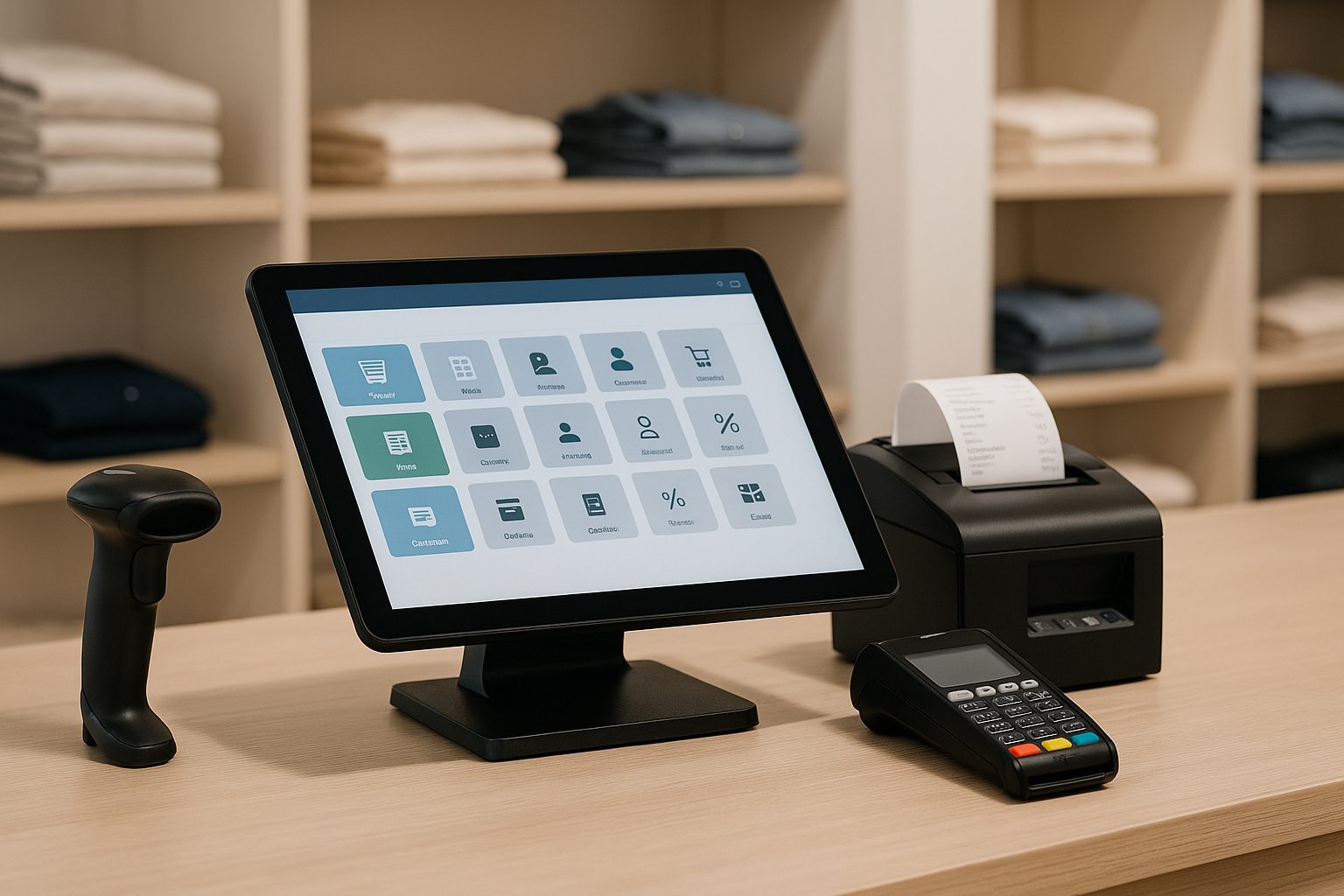
In-person businesses may need card readers, terminals, or POS systems. These costs can be one-time purchases or ongoing rental fees. If you operate multiple locations, hardware expenses can become a significant part of your payment processing budget.
Gateway Fees
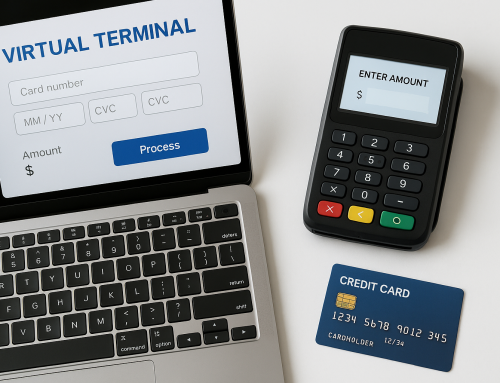
Online businesses often need a payment gateway to securely transmit transaction data. Some processors bundle the gateway into their pricing, while others charge a separate monthly fee or per-transaction fee.
How Payment Processing Costs Are Calculated
There is no single pricing structure for all businesses. Providers generally use one of a few common models, and each affects your total costs differently.
Flat-Rate Pricing
Flat-rate pricing charges the same rate for most transactions, such as 2.9% plus $0.30 per sale. This model is easy to understand and predictable, making it popular with small businesses and eCommerce stores. However, it may be more expensive than other models for businesses with large average ticket sizes or high volume.
Interchange-Plus Pricing
With interchange-plus pricing, the processor passes through the direct card costs and adds a transparent markup. This model is often preferred by growing businesses because it shows exactly what you are paying and can be more cost-effective at scale.
Tiered Pricing
Tiered pricing groups transactions into categories such as qualified, mid-qualified, and non-qualified rates. While it may look simple at first, it is often the least transparent model because transactions can be downgraded into more expensive tiers based on how they are processed.
Membership or Subscription Pricing
Some providers charge a monthly membership fee and offer lower per-transaction costs. This can be a good fit for businesses with consistent volume, but it only works well if you process enough sales to offset the monthly fee.
What Affects Your Processing Costs?
Several factors influence how much you pay to accept payments. Knowing these can help you identify opportunities to lower costs.
- Payment method: Debit cards usually cost less than credit cards, and ACH transfers often cost less than both.
- Transaction type: Card-present transactions are typically cheaper than card-not-present transactions because they carry less fraud risk.
- Business risk level: High-risk industries often pay higher rates due to increased chargeback and fraud exposure.
- Average transaction size: Smaller ticket sizes can make fixed per-transaction fees more expensive as a percentage of sales.
- Monthly volume: Larger businesses may qualify for better rates or custom pricing.
- Chargeback history: Frequent disputes can lead to additional penalties and higher overall costs.
Hidden Costs to Watch For
Some of the most frustrating payment processing costs are the ones that are easy to miss. These hidden fees can quietly erode profitability if you do not review your statements carefully.
Watch for:
- PCI compliance fees
- Early termination fees
- Batch fees
- Statement fees
- Address verification or fraud screening fees
- Minimum monthly processing fees
Not every provider charges these fees, but when they do, they can add up quickly. Always ask for a full fee schedule before signing a contract, and compare the total cost rather than just the advertised rate.
How to Lower Payment Processing Costs
Reducing processing costs does not always require switching providers. In many cases, a few operational changes can make a noticeable difference.
Choose the Right Pricing Model
If your current pricing structure does not fit your business, you may be overpaying. Smaller businesses often benefit from flat-rate pricing, while larger or faster-growing businesses may save more with interchange-plus or subscription pricing.
Encourage Lower-Cost Payment Methods
When appropriate, steer customers toward debit cards, ACH payments, or other lower-cost options. For recurring billing, ACH can be especially cost-effective compared with credit cards.
Reduce Chargebacks
Clear billing descriptors, transparent refund policies, responsive customer support, and fraud prevention tools can help reduce disputes. Fewer chargebacks mean lower fees and less risk to your merchant account.
Negotiate with Your Provider
If your business processes consistent volume, you may be able to negotiate lower markup, fewer fees, or better terms. Even a small reduction in per-transaction pricing can create meaningful annual savings.
Review Statements Regularly
Do not assume your rates stay the same forever. Review monthly statements for unexpected fees, downgrades, or pricing changes. This is one of the best ways to catch avoidable costs early.
Use the Right Technology
Modern POS systems, fraud tools, and integrated gateways can improve authorization rates and reduce manual errors. Fewer failed transactions and fewer disputes can help keep processing costs under control.
How to Compare Payment Processors
When evaluating providers, focus on total cost and overall fit rather than just the headline rate. A processor with a slightly higher percentage fee may still be cheaper if it has fewer monthly charges and better support.
Compare the following:
- Pricing model
- Transaction fees
- Monthly fees
- Chargeback fees
- Contract terms
- Hardware and gateway costs
- Customer support quality
- Integration with your POS or eCommerce platform
Request a sample statement or cost breakdown if possible. This makes it easier to estimate your true monthly expense based on your actual sales mix.
Why Payment Processing Costs Matter
Even small differences in fees can have a major impact over time. For example, if you process thousands of transactions each month, a fraction of a percent in savings can translate into substantial annual profit. Understanding these costs also helps you set pricing more accurately, forecast margins more reliably, and choose payment tools that support growth.
More importantly, knowing how payment processing works gives you leverage. Instead of accepting fees as fixed and unavoidable, you can make informed decisions that protect your bottom line.
Conclusion
Payment processing costs are a normal part of doing business, but they should not be a mystery. By understanding the different fee types, how pricing models work, and which factors drive costs up or down, you can make better decisions and keep more of every sale. The key is to review your statements, compare providers carefully, and choose the setup that fits your business best.