What Are Interchange Fees?
Interchange fees are small charges paid every time a debit or credit card payment is processed. In a typical card transaction, the merchant’s bank pays a fee to the cardholder’s bank. That fee is called the interchange fee.
Although the amount per transaction is usually modest, interchange fees affect nearly every card payment businesses accept. They help cover the costs and risks involved in processing transactions, including fraud protection, payment network operations, and the rewards many cardholders earn.
How Interchange Fees Work
To understand interchange fees, it helps to know the players involved in a card transaction:
- Cardholder – the customer using the card
- Merchant – the business accepting the payment
- Acquiring bank – the merchant’s bank or payment processor
- Issuing bank – the bank that issued the customer’s card
- Card network – such as Visa, Mastercard, Discover, or American Express
When a customer makes a purchase, the payment network routes the transaction to the issuing bank for approval. If the transaction is approved, the merchant receives payment minus processing costs. A portion of those costs is the interchange fee, which is transferred to the issuing bank.
In simple terms, the merchant pays a fee so the customer’s bank can take on the risk and administrative work of supporting the transaction.
Why Interchange Fees Exist
Interchange fees serve several purposes in the payment ecosystem:
- Compensating issuing banks for transaction processing and account management
- Helping reduce fraud risk by supporting security tools and monitoring systems
- Funding card benefits such as rewards points, travel perks, and cash back
- Encouraging card acceptance by making it worthwhile for banks to issue cards and support the network
Because card payments are convenient for customers and often increase sales for businesses, interchange fees are part of the cost of participating in the modern payment system.
What Factors Affect Interchange Fees?
Interchange fees are not a fixed flat rate across all transactions. They can vary based on several factors:
1. Card Type
Premium rewards cards often have higher interchange fees than basic debit cards. The more benefits a card offers, the more expensive it may be for merchants to accept.
2. Transaction Type
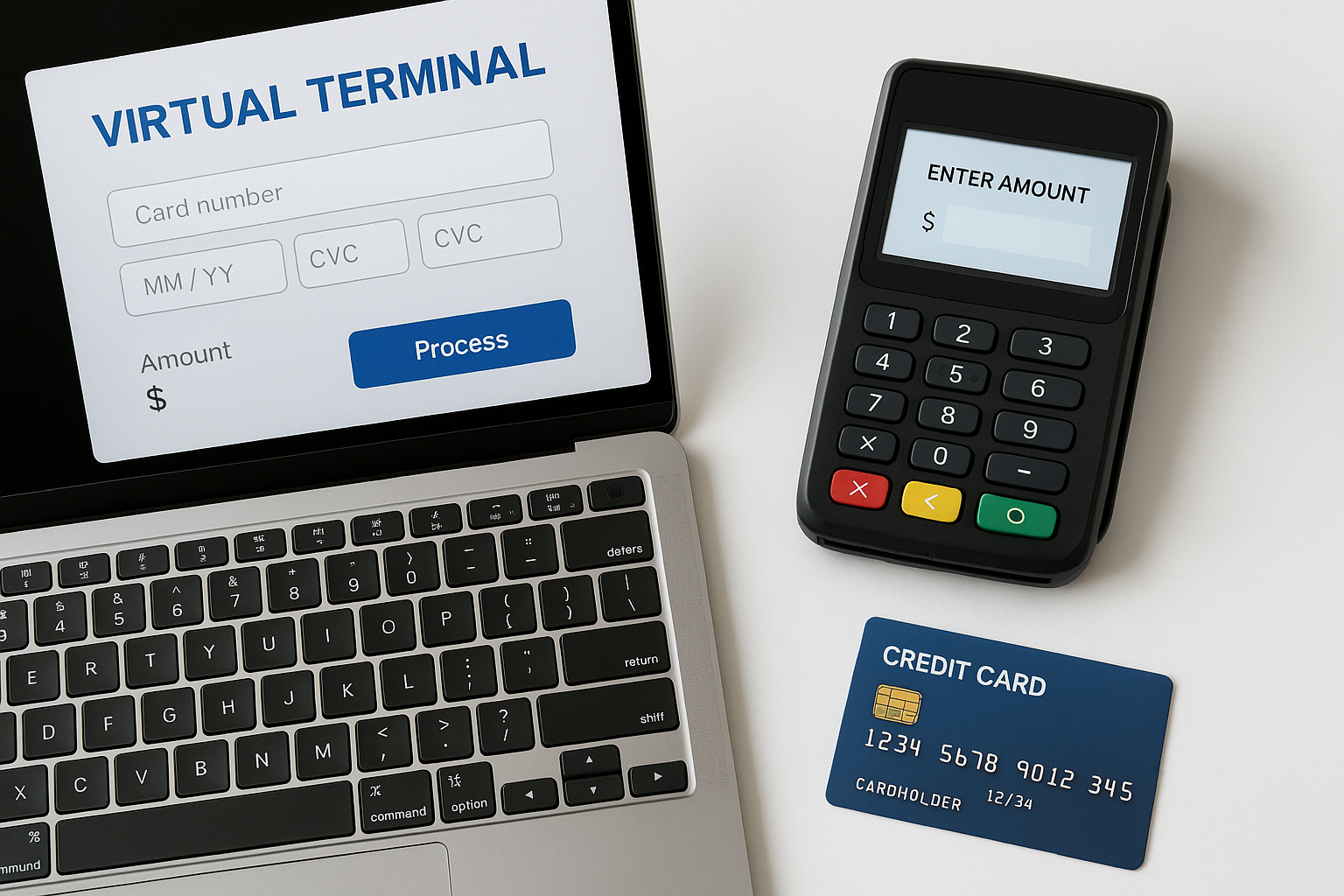
Card-present transactions, such as in-store chip payments, usually have lower fees than card-not-present transactions, like online or phone orders, because face-to-face transactions tend to carry less fraud risk.
3. Merchant Category
Different industries may have different interchange rates. For example, recurring billing, travel, groceries, and fuel may each be assigned separate pricing structures depending on the card network and issuing bank rules.
4. Transaction Size
Some interchange fees are a percentage of the purchase amount, while others include a fixed component. This means smaller transactions can feel proportionally more expensive than larger ones.
5. Country or Region
Interchange regulations vary by country. In some markets, government rules limit the maximum fee, while in others the rates are set primarily by card networks and banks.
How Interchange Fees Impact Businesses
For many businesses, interchange fees are one of the largest costs associated with accepting card payments. These fees can reduce profit margins, especially for businesses with high transaction volumes or low average order values.
Here are some common effects on merchants:
- Lower margins on each sale
- Higher operating costs when card usage is high
- Pricing decisions that may need to account for payment processing expenses
- Cash flow considerations because card payments are typically settled later
Businesses that understand interchange fees can make better decisions about payment acceptance, product pricing, and processor selection.
How Businesses Can Manage Interchange Costs
While merchants usually cannot eliminate interchange fees, they can take steps to reduce unnecessary costs:
Encourage Lower-Cost Payment Methods
Debit cards and other lower-cost payment options may carry lower fees than premium credit cards. Businesses can encourage these methods through checkout design or payment preferences where allowed.
Improve Transaction Quality
Accurate data, proper authorization practices, and secure payment setups can help reduce avoidable fees and chargeback risk.
Select the Right Payment Processor
Some processors offer interchange-plus pricing, which can provide more transparency than blended pricing. This helps merchants see the exact interchange amount versus processor markup.
Use Address Verification and Fraud Tools
For online transactions, using security tools such as AVS, CVV checks, and fraud detection systems can help qualify payments for better rates and reduce losses.
Review Statements Regularly
Merchant statements can be complex, but reviewing them helps businesses spot errors, hidden markups, or opportunities to save money.
Interchange Fees vs. Processing Fees
Interchange fees are often confused with payment processing fees, but they are not the same thing.
- Interchange fee goes to the issuing bank
- Processing fee is charged by the payment processor or acquiring bank for handling the transaction
When a merchant pays to accept a card, the total cost usually includes interchange, card network assessments, and processor markup. Understanding the difference is important for comparing payment providers accurately.
Are Interchange Fees Regulated?
In many countries, interchange fees are regulated or capped, especially for debit card transactions. For example, regulators in some regions have set limits to promote fair competition and lower merchant costs.
In markets with less regulation, card networks and financial institutions have more influence over fee structures. This can create significant differences in cost depending on geography, card type, and payment channel.
Because the rules can change over time, businesses should stay informed about current regulations in the regions where they operate.
Why Interchange Fees Matter to Consumers
Even though merchants pay interchange fees directly, consumers also feel the impact. These costs can influence product pricing, minimum purchase requirements, and the availability of card rewards.
For example, some businesses may raise prices slightly to cover payment processing expenses. Others may offer discounts for cash or debit payments. In this way, interchange fees can shape how much customers ultimately pay at checkout.
Conclusion
Interchange fees are a central part of the card payment system. They help banks, networks, and processors support secure, convenient transactions, but they also add cost for merchants. By understanding how interchange fees work, businesses can make smarter decisions about payments, pricing, and processor selection.