What Is Retail Credit Card Processing?
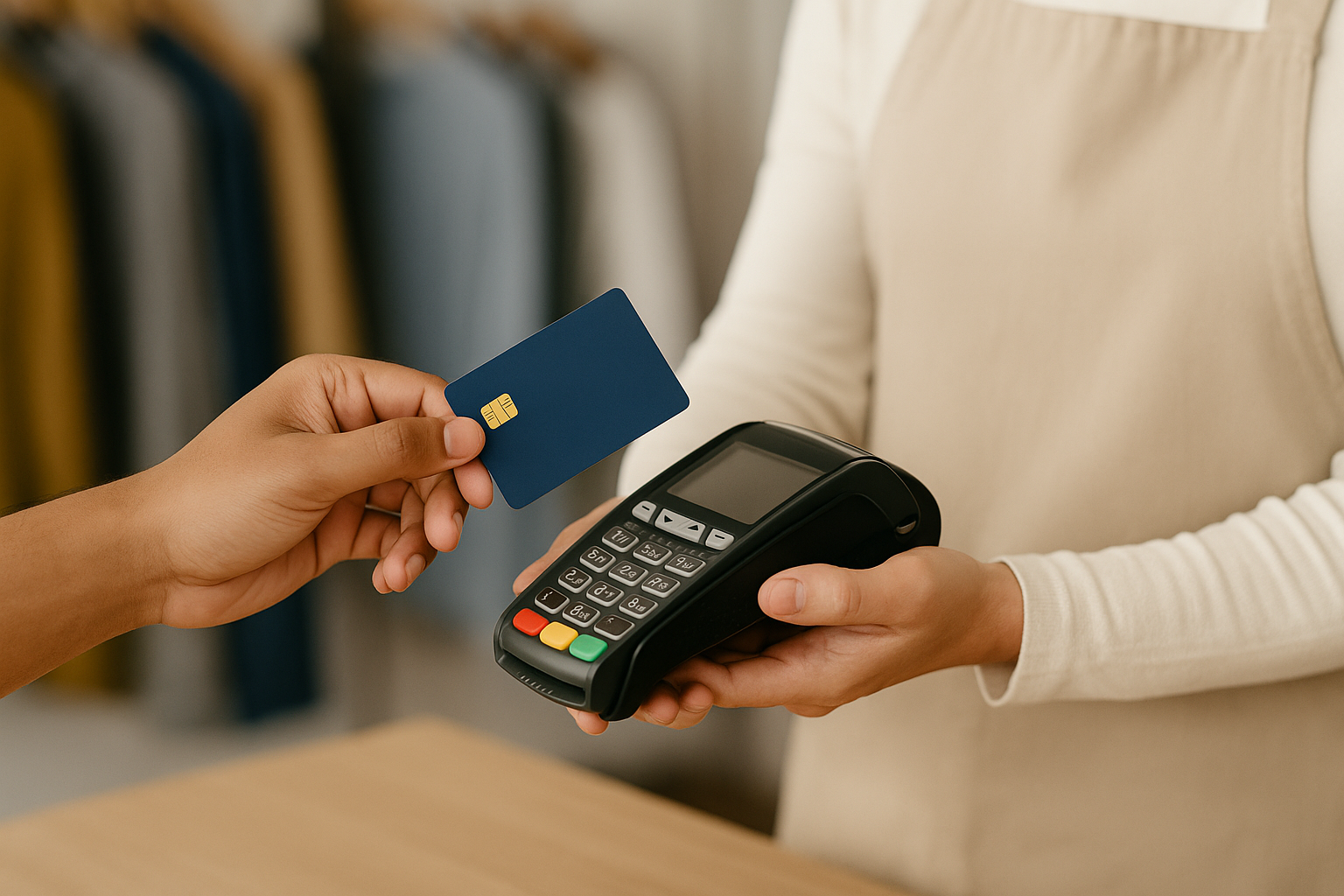
Retail credit card processing is the system that allows a store to accept card payments from customers in person, whether they pay with a chip card, swipe, tap, or mobile wallet. When a customer makes a purchase, payment data is captured at the point of sale, sent through a secure payment network, approved by the cardholder’s bank, and then deposited into the merchant’s business account.
For retailers, this process is more than just a convenience. It is a core part of daily operations, customer service, and cash flow. In a modern store, fast and reliable payment acceptance can reduce wait times, improve the checkout experience, and help prevent lost sales. It also supports multiple payment types, which matters because customers increasingly expect flexibility and speed when paying.
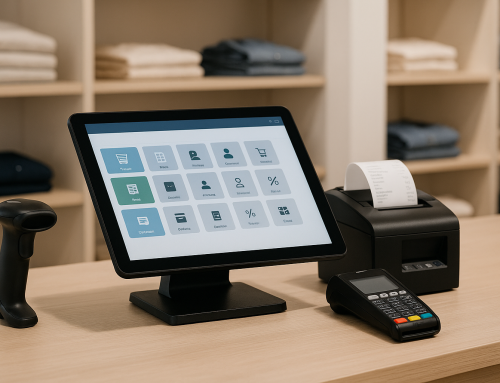
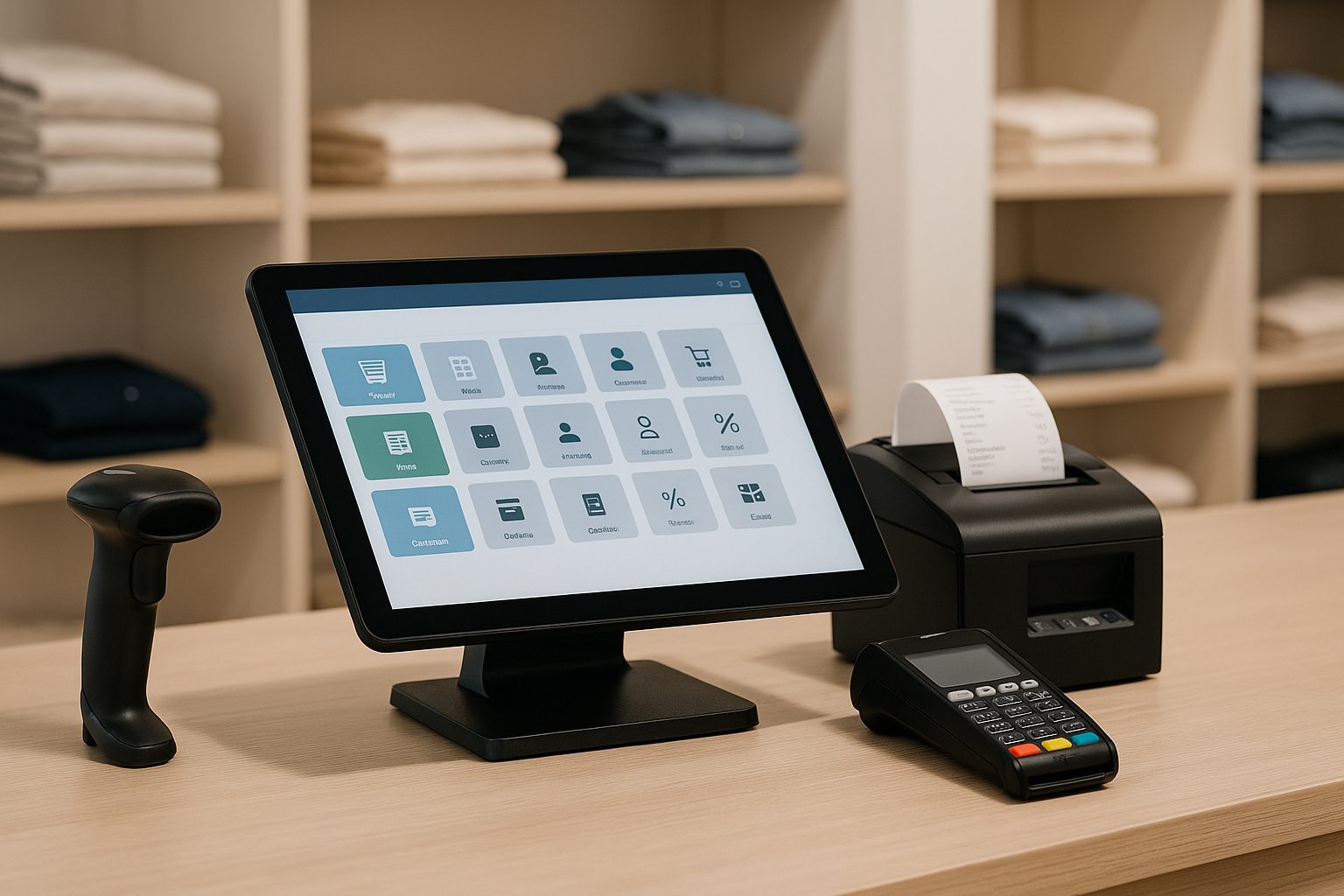
Retail credit card processing usually involves several components working together: a card reader or POS terminal, payment gateway or processor, merchant account, and bank connections that move funds securely. The right setup can make transactions feel effortless for customers while giving merchants tools to manage inventory, report sales, and track trends.
How Retail Credit Card Processing Works
Although the checkout experience looks simple to the customer, several steps happen behind the scenes in just a few seconds. Understanding the workflow helps retailers choose the right payment solution and troubleshoot issues when they arise.
1. Customer initiates payment
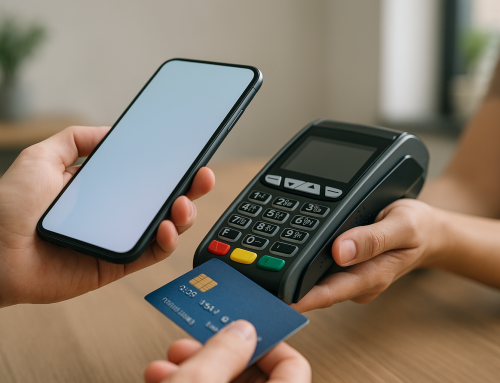
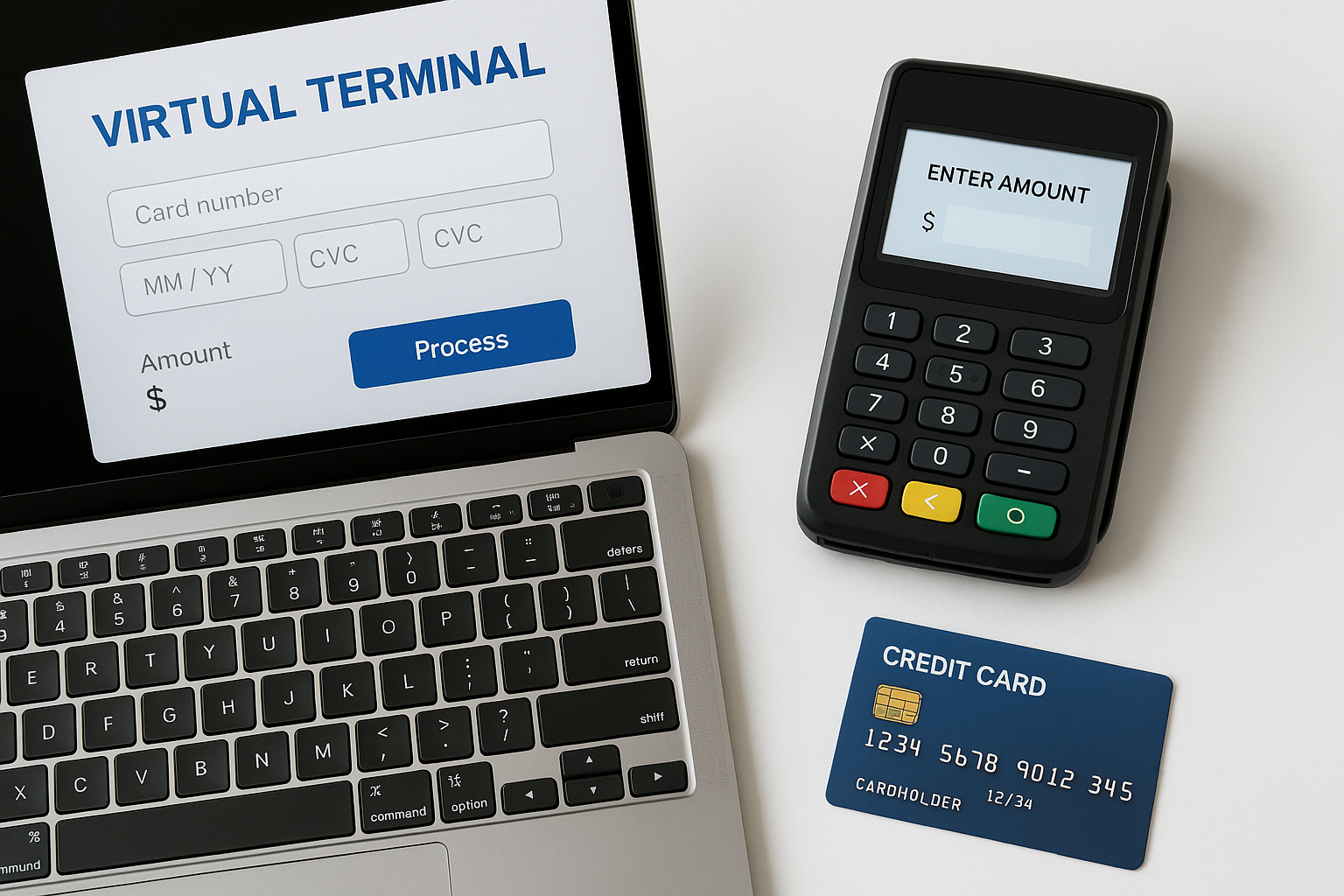
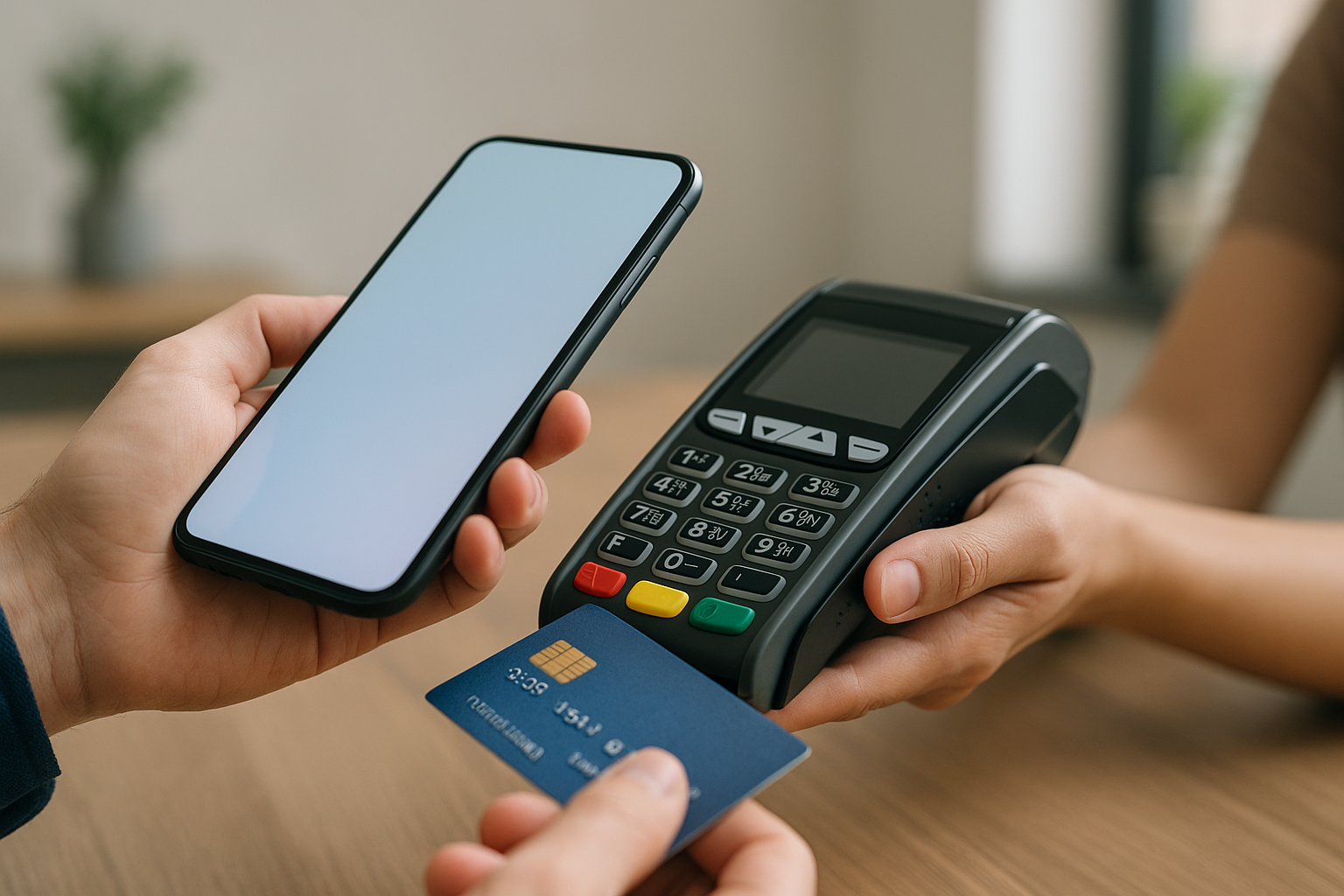
The customer presents a card or digital wallet at checkout. The payment may be made by inserting a chip card, swiping a magnetic stripe card, tapping a contactless card or phone, or entering card details for some retail scenarios.
2. Transaction data is captured
The card reader or POS system records the payment information and encrypts it. Security at this stage is important because sensitive card data must be protected before it travels through the payment network.
3. Authorization request is sent
The processor forwards the transaction to the card network and then to the customer’s issuing bank. The bank checks whether the card is valid, whether funds or credit are available, and whether the transaction appears legitimate.
4. Approval or decline is returned
Within seconds, the bank sends back an approval or decline response. If approved, the sale is completed and the customer receives a receipt. If declined, the cashier may ask for another payment method.
5. Settlement and funding
Approved transactions are batched and settled at the end of the day or according to the processor’s schedule. Funds are then transferred to the merchant’s business bank account, usually within one to three business days.
This entire chain must be fast, secure, and dependable. Even small delays can create long lines and a frustrating checkout experience, especially in busy retail environments.
Types of Retail Payment Methods
Retailers today need to support more than just traditional credit cards. Customers want convenient ways to pay, and businesses that offer more options often see higher conversion rates.
Chip cards
EMV chip cards are widely used and offer stronger security than magnetic stripe cards. The chip generates unique transaction data, which helps reduce fraud.
Contactless payments
Tap-to-pay cards, mobile wallets like Apple Pay and Google Pay, and wearable devices offer a quick, frictionless checkout experience. These payments are especially useful for high-traffic stores.
Magnetic stripe cards
While less secure than chip payments, swipe transactions may still be supported in some systems. Retailers should use them only when necessary and follow best practices to reduce risk.
Debit cards
Debit cards can be processed like credit cards, though they may follow different fee structures depending on the setup. They remain a common payment method for everyday purchases.
Gift cards and store credit
Many retailers also accept branded gift cards or issue store credit. These options can strengthen customer loyalty and encourage repeat visits.
Key Features Retailers Should Look For
Not all payment solutions are created equal. The best retail credit card processing system should support day-to-day sales while also helping the business grow.
Fast checkout speed
Speed matters in retail. Look for a processor and POS system that can handle transactions quickly, even during peak hours or seasonal rushes.
Integrated POS software
A payment system that connects with inventory, reporting, employee management, and customer data can simplify operations and reduce manual work.
Multi-location support
If your business has more than one store, choose a processor that offers centralized reporting, consistent pricing, and easy account management across locations.
Security and compliance tools
Retailers should prioritize systems that support encryption, tokenization, PCI compliance, and fraud prevention tools. These features help protect cardholder data and reduce liability.
Omnichannel capability
Many retailers now sell both in-store and online. A unified payment platform can help connect in-person sales with eCommerce, curbside pickup, and local delivery.
Common Fees and Pricing Models
Understanding pricing is essential when choosing a retail payment processor. Costs can vary significantly depending on transaction volume, payment type, and service provider.
Interchange-plus pricing
This model adds a markup to the interchange fee set by the card networks. It is often favored for transparency because merchants can see the underlying costs more clearly.
Flat-rate pricing
With flat-rate pricing, the processor charges one fixed percentage or fee per transaction. This model is simple to understand and can work well for small retailers or businesses with lower sales volume.
Tiered pricing
Tiered pricing groups transactions into categories such as qualified, mid-qualified, and non-qualified rates. It can be harder to predict and is often less transparent than other models.
Other possible fees
Retailers should also watch for monthly account fees, PCI compliance fees, chargeback fees, terminal rental fees, and early termination fees. Reviewing the full contract before signing can help prevent surprises later.
Security Best Practices for Retail Stores
Because retail businesses handle sensitive payment data every day, strong security practices are non-negotiable. A breach can lead to financial losses, damaged customer trust, and compliance issues.
Start by choosing PCI-compliant payment equipment and software. Use encrypted terminals and avoid storing card data unless it is absolutely necessary. Update POS systems regularly so security patches and software improvements are applied quickly.
Retailers should also train employees on safe payment handling, recognizing suspicious behavior, and following procedures for disputes or chargebacks. Physical security matters too: terminals should be monitored, and access to payment systems should be limited to authorized staff.
Finally, use fraud prevention tools such as CVV verification, AVS checks where applicable, and transaction alerts. These safeguards can reduce risk without adding much friction to the checkout process.
Choosing the Right Retail Credit Card Processor
The best processor for one retailer may not be the best for another. A small boutique, grocery store, and multi-location apparel chain may all have different payment needs.
Before making a decision, compare pricing, contract terms, hardware compatibility, customer support, and integration options. Ask whether the processor offers same-day or next-day funding, supports your preferred POS system, and can scale as your business grows. It is also wise to read reviews and ask for references from similar retailers.
Reliable support is especially important. If a terminal goes down during a busy weekend or holiday sale, responsive service can help you avoid lost revenue. In retail, downtime is expensive, so vendor reliability should be a top priority.
The Bottom Line
Retail credit card processing is a vital part of running a successful store. The right solution can speed up checkout, improve customer satisfaction, strengthen security, and simplify operations. By understanding how payment processing works, what features matter most, and how pricing is structured, retailers can choose a system that supports both daily sales and long-term growth.
In a competitive retail environment, payment acceptance is no longer just a back-office function. It is a customer experience tool, a security requirement, and a business growth driver all in one.