Restaurant Credit Card Processing: Why It Matters
Credit card payments are a daily reality in restaurants, and the right processing setup can make a noticeable difference in speed, guest satisfaction, and profitability. Whether you run a fast-casual counter, a busy neighborhood café, or a full-service dining room, restaurant credit card processing affects how quickly you get paid, how much you pay in fees, and how smoothly front-of-house and back-of-house operations run.
Because restaurant transactions happen in so many ways—dine-in, takeout, delivery, online ordering, tabs, and split checks—processing needs are more complex than in many other businesses. A system that is fast, secure, and compatible with your POS can reduce friction for guests and staff alike.
How Restaurant Credit Card Processing Works
At a basic level, credit card processing moves money from a customer’s card to your business bank account. When a guest pays, the payment terminal or POS sends the transaction details through a payment processor, which checks with the card network and the customer’s bank for approval. Once approved, the funds are settled into your account, usually within one to three business days.
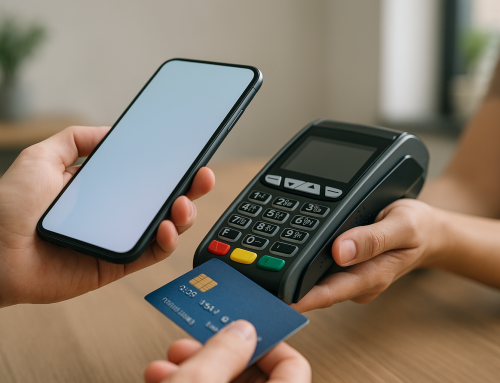
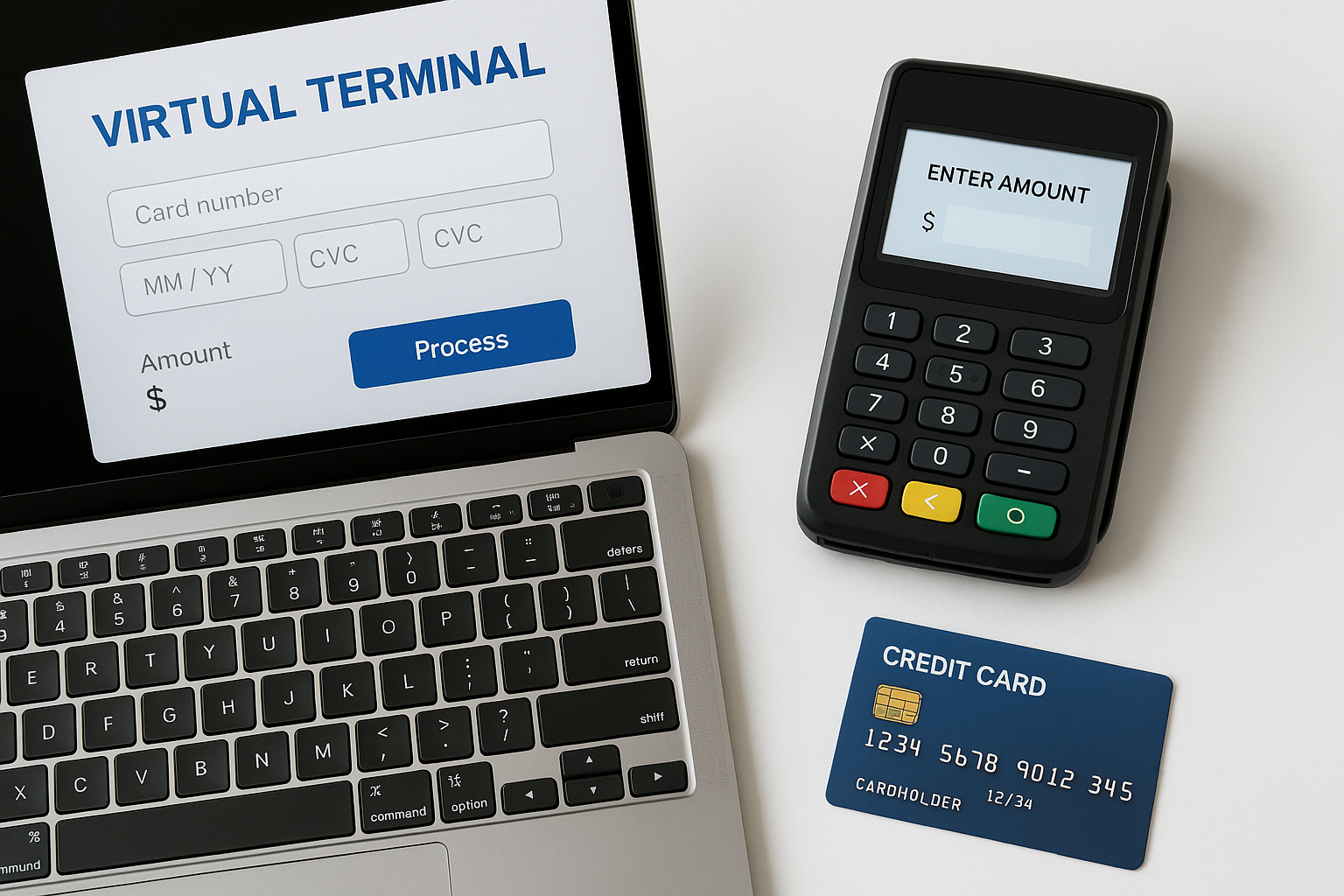
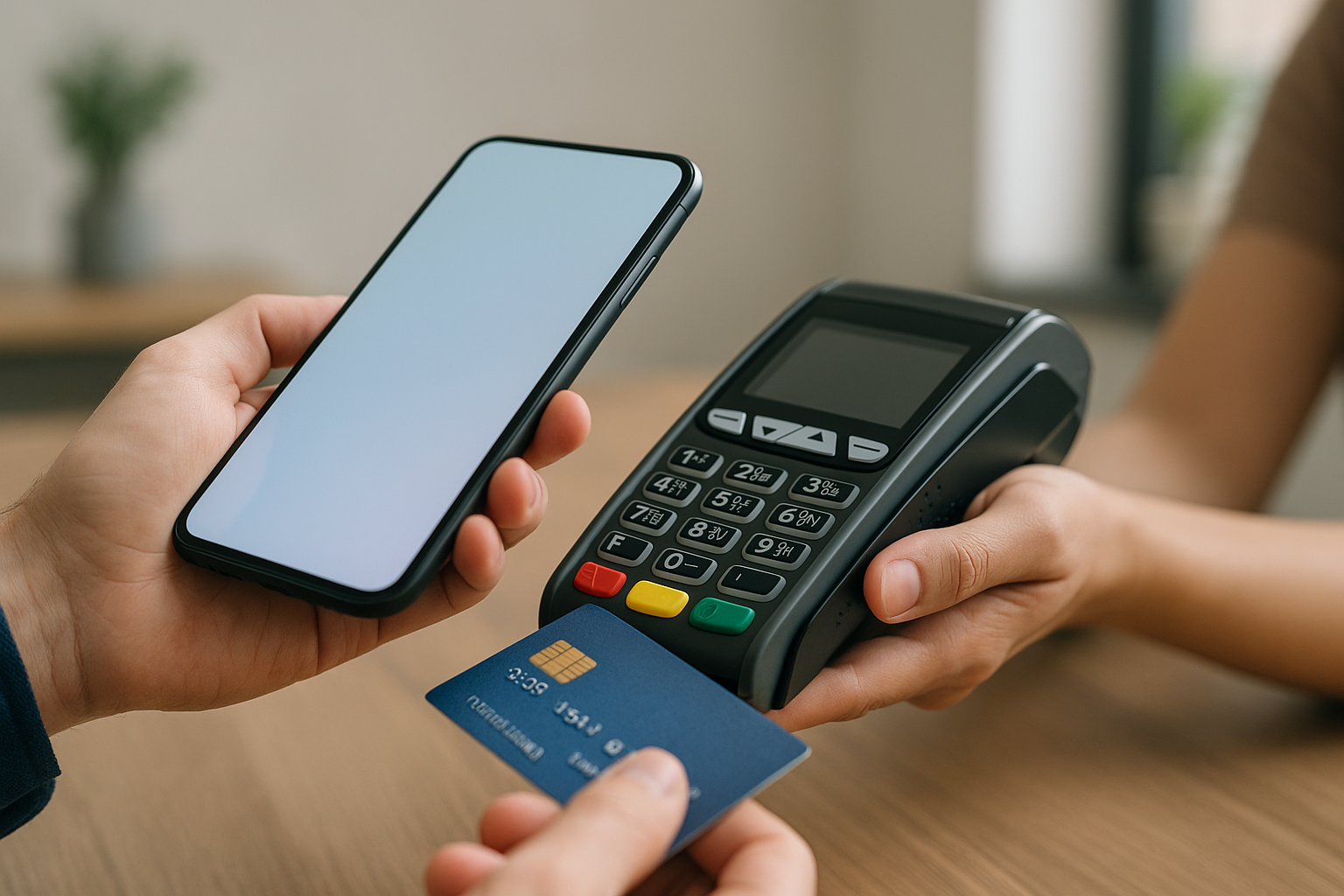
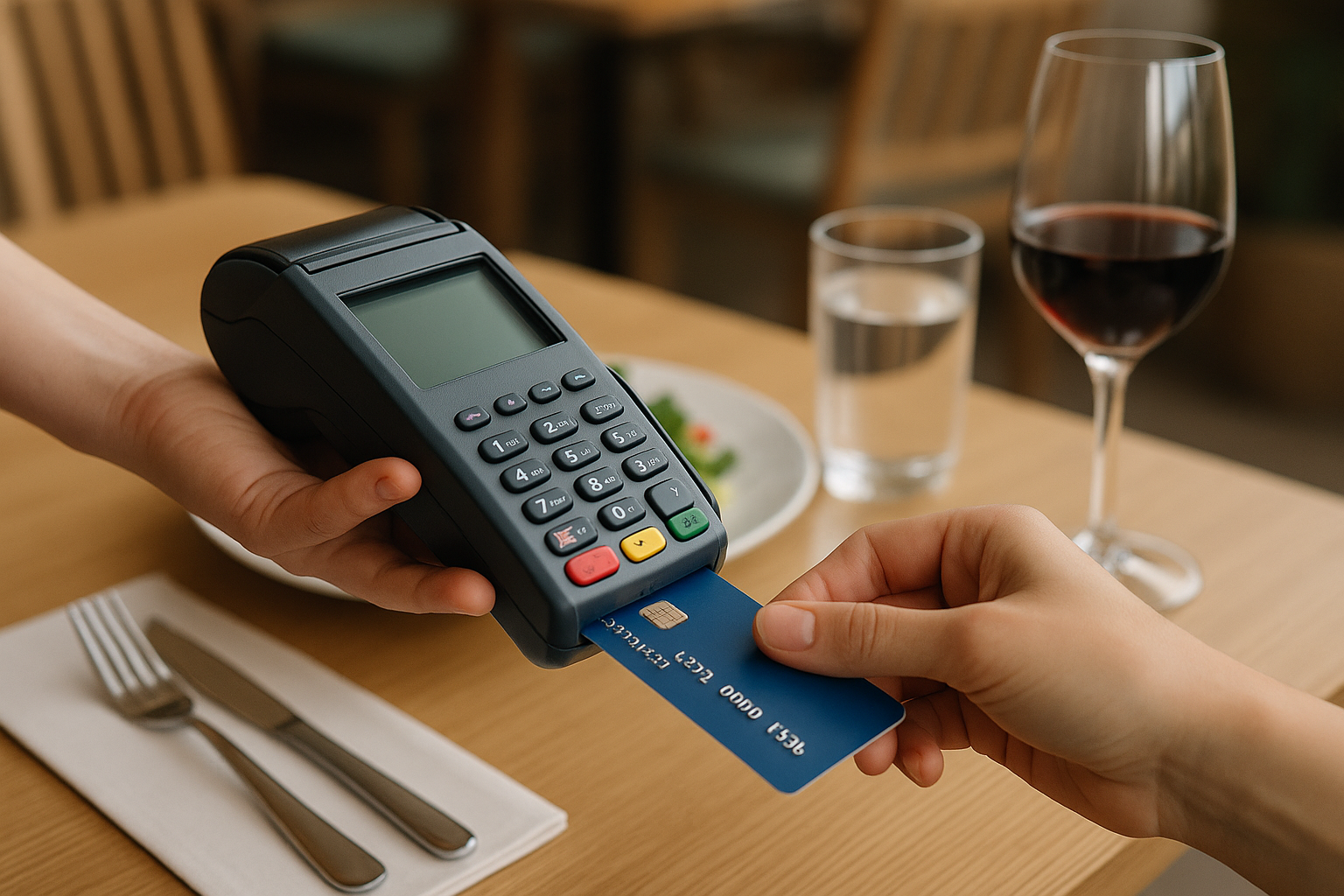
In restaurants, the process can happen in several ways. Cards may be dipped, tapped, swiped, or entered manually for phone orders and online orders. Many modern systems also support digital wallets and contactless payments. The more payment options you offer, the more convenient checkout becomes for your guests.
Key Features Restaurants Should Look For
Not every payment system is designed for the pace and complexity of food service. Restaurants should look for tools that support their daily workflow instead of slowing it down.
Fast checkout and table-side payment
Speed matters in restaurants. A system that supports quick authorization, table-side payment, and easy receipt delivery helps shorten wait times and improve table turnover. For full-service restaurants, portable card readers or handheld devices can be especially useful.
Split checks and flexible tipping
Guests often want to split bills evenly, by item, or across multiple payment methods. Your processor should make these options easy for staff to manage. Tipping prompts should also be customizable so guests can leave gratuity comfortably whether they pay on a terminal, through a tablet, or online.
POS integration
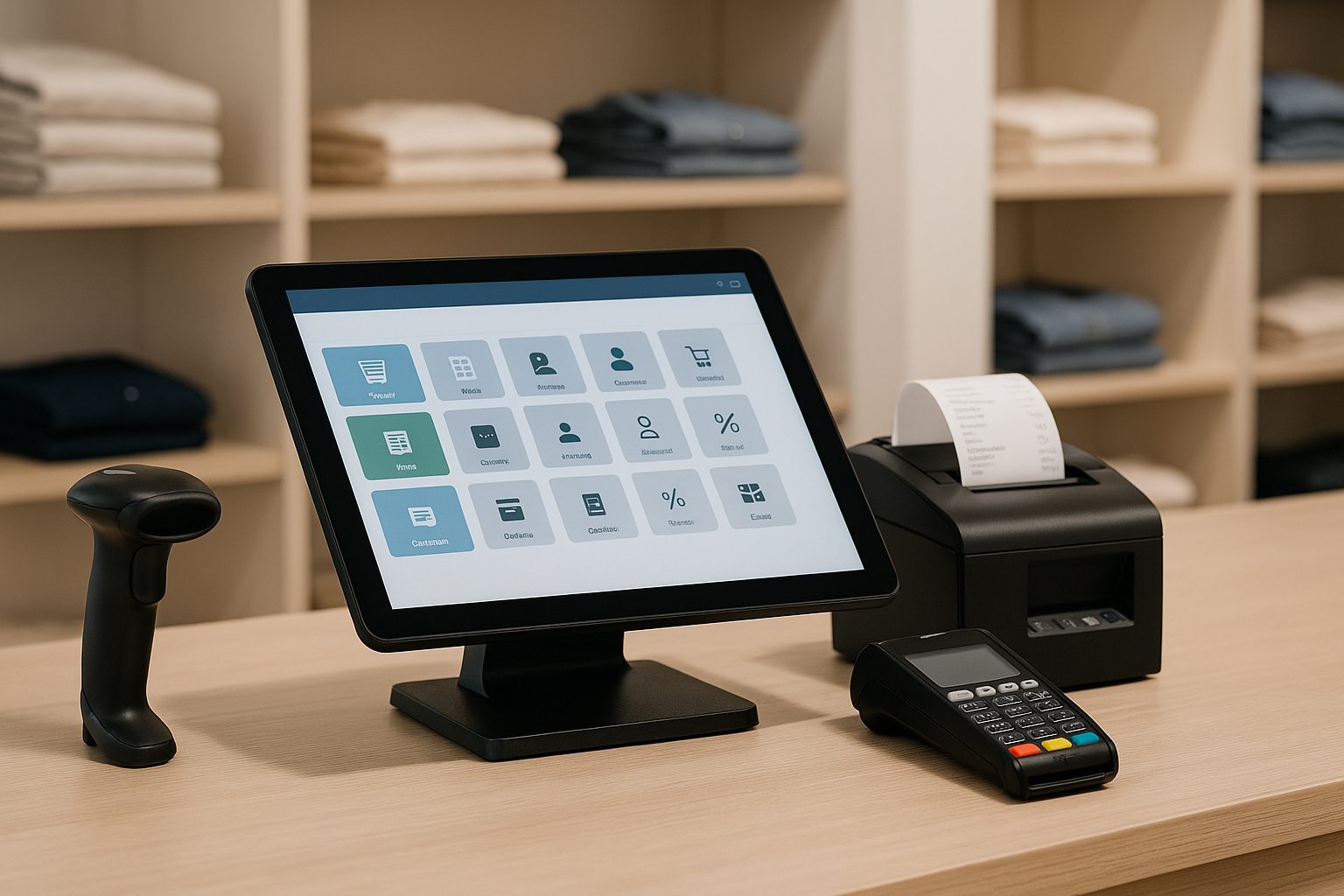
A strong integration between your point-of-sale system and payment processor helps reduce manual entry, prevents errors, and gives you better visibility into sales data. This is especially important when you need to track modifiers, discounts, refunds, voids, and tips in real time.
Security and fraud protection
Restaurant payment systems should support PCI compliance, encryption, and tokenization to protect cardholder data. Fraud tools such as address verification, chargeback alerts, and suspicious transaction monitoring can help reduce risk, especially for online and phone orders.
Common Fees in Restaurant Payment Processing
Understanding fees is essential because even small differences can add up quickly in a high-volume restaurant. Processing costs usually depend on the provider, pricing model, and the type of transaction.
Interchange fees
These are fees set by card networks and paid to the customer’s bank. They vary based on card type, transaction method, and whether the card is present or not. Card-not-present transactions, such as online orders and phone orders, often cost more than in-person payments.
Processor markup
In addition to interchange, your payment provider adds its own markup. This may be a flat rate, a percentage, or a combination of both. Some processors advertise low rates but add extra service charges or penalties, so it is important to review the full fee schedule.
Other possible costs
Restaurants may also pay monthly account fees, gateway fees, terminal rental fees, batch fees, chargeback fees, and PCI compliance fees. If you use online ordering, delivery integrations, or gift card programs, there may be additional costs for those services as well.
How to Choose the Right Restaurant Credit Card Processor
The best processor for one restaurant may not be the best for another. Your choice should depend on your service style, sales volume, technology stack, and growth plans.
Compare pricing models
Common pricing models include flat-rate, interchange-plus, and tiered pricing. Flat-rate pricing is simple and predictable, while interchange-plus often offers more transparency and can be cheaper for higher-volume businesses. Tiered pricing is less transparent and can be harder to evaluate, so many restaurant owners prefer clearer structures.
Evaluate customer support
When payment systems fail during a busy dinner rush, fast support is critical. Look for providers that offer responsive phone support, live chat, and reliable troubleshooting. Restaurants should also ask about support hours, emergency assistance, and replacement equipment policies.
Check compatibility with your tools
Your processor should work smoothly with your POS, accounting software, online ordering platform, and delivery tools. Compatibility helps reduce double entry and simplifies end-of-day reconciliation. If you use third-party delivery services or reservations software, integration can save a great deal of time.
Consider contract terms
Before signing, review the contract length, early termination fees, equipment lease terms, and automatic renewal clauses. A provider with flexible terms may be a better fit if you are still testing systems or planning to scale.
Best Practices for Reducing Processing Costs
Even after choosing a processor, there are practical ways to manage fees and keep payment costs under control.
First, encourage chip and contactless payments whenever possible. These transaction types are typically more secure and may help lower fraud risk. Second, make sure your staff is trained to avoid unnecessary manual entries, since keyed-in transactions are usually more expensive. Third, reconcile transactions daily so you can catch errors, duplicate charges, or chargebacks early.
You may also consider offering incentives for faster payment methods such as online ordering or table-side checkout. Some restaurants use surcharge or cash discount programs, but these must be handled carefully to remain compliant with card network rules and local laws.
Technology Trends Shaping Restaurant Payments
Restaurant payment technology continues to evolve, and businesses that stay current often gain an operational edge. Mobile wallets, QR code payments, and pay-at-table systems are becoming more common because they reduce friction and improve convenience.
Artificial intelligence and automation are also influencing payment workflows. Some systems can help identify suspicious activity, predict payment failures, or streamline reconciliation. Meanwhile, cloud-based POS platforms make it easier for owners to monitor sales, tips, and refunds from anywhere.
For restaurants with multiple locations, centralized reporting is especially valuable. It allows owners and managers to compare performance, identify trends, and standardize processes across all units.
Conclusion
Restaurant credit card processing is more than just a way to accept payments—it is a core part of the guest experience and your day-to-day operations. The right system should be fast, secure, easy to use, and designed for the specific demands of food service. By comparing pricing, checking integrations, and prioritizing support, restaurant owners can choose a payment solution that improves efficiency and protects margins.
With a smart processing setup in place, you can spend less time dealing with payment headaches and more time focusing on great food, great service, and repeat customers.