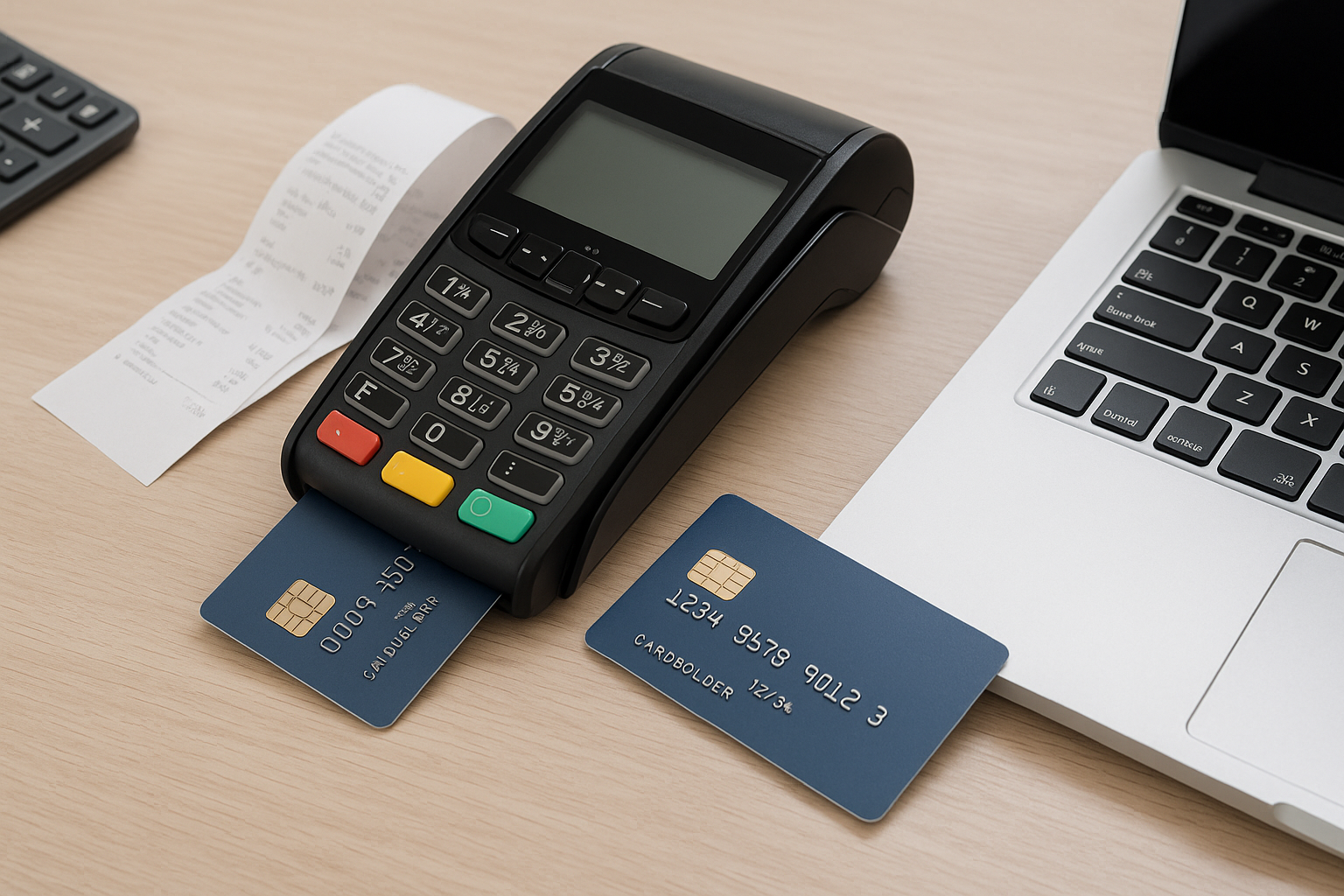
What Are Merchant Processing Services?
Merchant processing services are the payment systems and tools that allow businesses to accept and process customer payments. In simple terms, they help move money from a customer’s card, digital wallet, or other payment method into a business’s bank account. Whether a customer pays online, in-store, over the phone, or through a mobile device, merchant processing services make the transaction possible.
These services are essential for modern businesses because customers expect fast, secure, and convenient ways to pay. A reliable merchant processor also helps reduce failed transactions, improve cash flow, and support business growth. For many companies, choosing the right provider is just as important as choosing the right point-of-sale system or e-commerce platform.
How Merchant Processing Services Work
When a customer makes a payment, several steps happen in just a few seconds. First, the payment information is captured through a card reader, checkout page, payment terminal, or invoicing tool. Next, the merchant processor sends the information to the card network and the customer’s bank for authorization. If the payment is approved, the funds are transferred, typically settling into the merchant’s account within one to a few business days.
This process involves multiple parties, including the customer, the merchant, the payment gateway, the processor, the card network, and the issuing bank. While it may sound complicated, the goal is straightforward: make payments smooth, secure, and dependable.
For businesses, the efficiency of this system matters. Delays, errors, or poor support can disrupt sales and frustrate customers. That is why understanding the payment flow can help business owners make better decisions when selecting a provider.
Key Components of Merchant Processing Services
Payment Gateway
A payment gateway securely transmits payment data from the customer to the processor. It is especially important for online businesses, where transactions must be encrypted and verified before approval.
Payment Processor
The payment processor handles the communication between the business, the card networks, and the banks. It plays a central role in authorizing transactions and ensuring that funds are routed correctly.
Merchant Account
A merchant account is a special type of bank account that temporarily holds funds from card payments before they are deposited into the business’s regular bank account. Some providers offer aggregated accounts, while others set up dedicated merchant accounts.
Point-of-Sale System
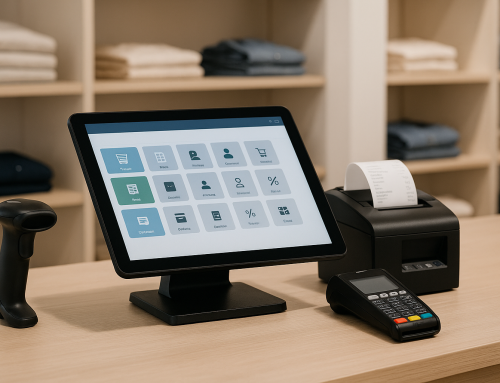
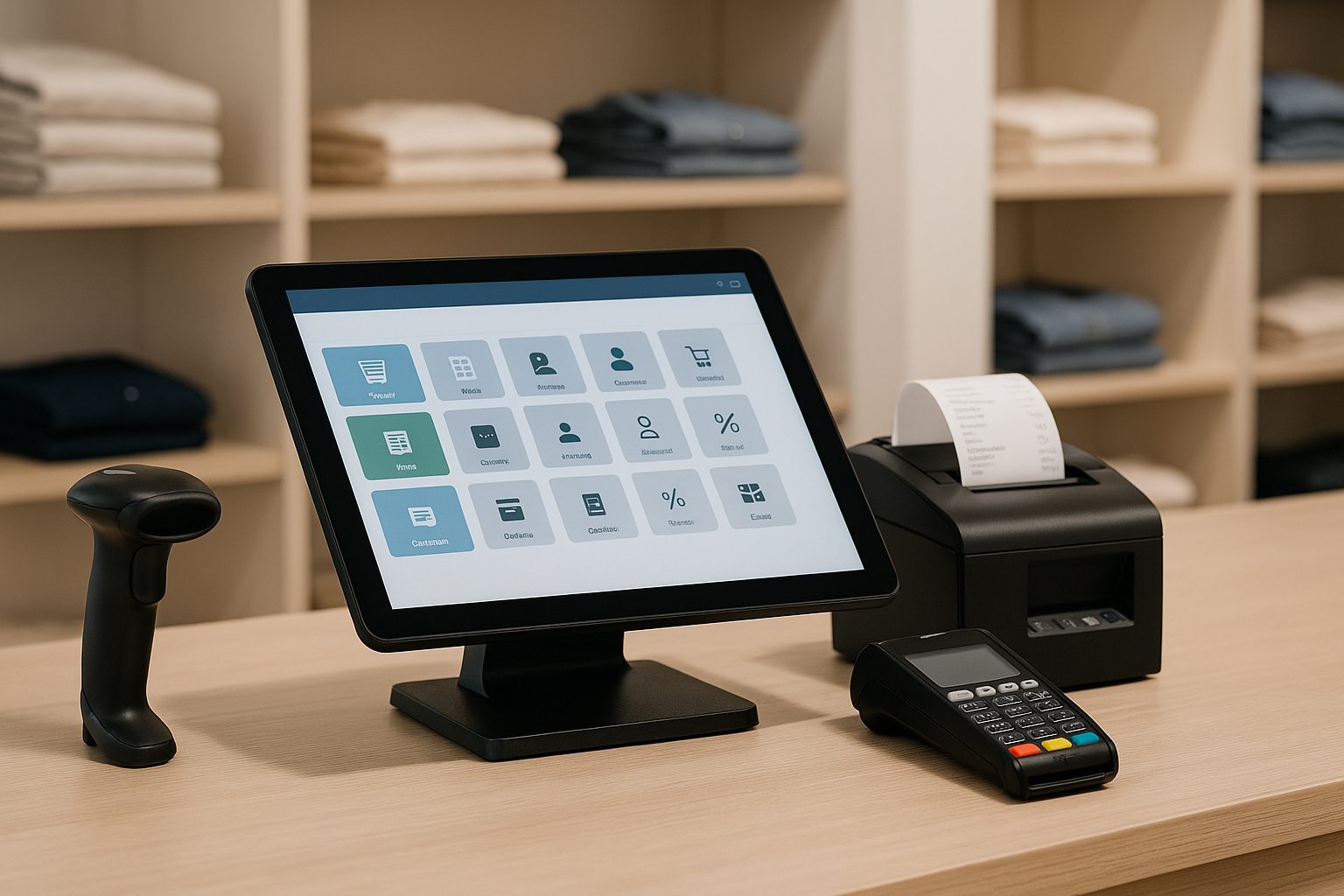
In retail and restaurant settings, the point-of-sale system is the software and hardware used to complete transactions. Many merchant processing services integrate with POS systems to support inventory tracking, reporting, tipping, and customer management.
Types of Payments They Support
Merchant processing services support a wide range of payment methods, allowing businesses to serve more customers and increase conversion rates. The most common payment types include:
- Credit cards
- Debit cards
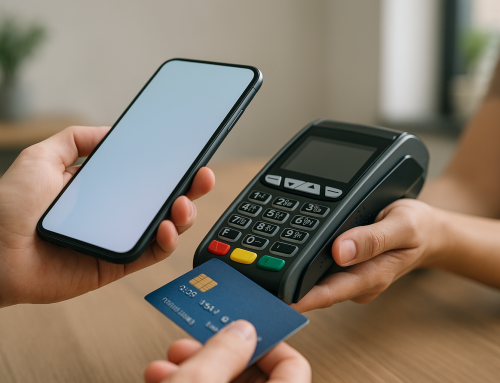
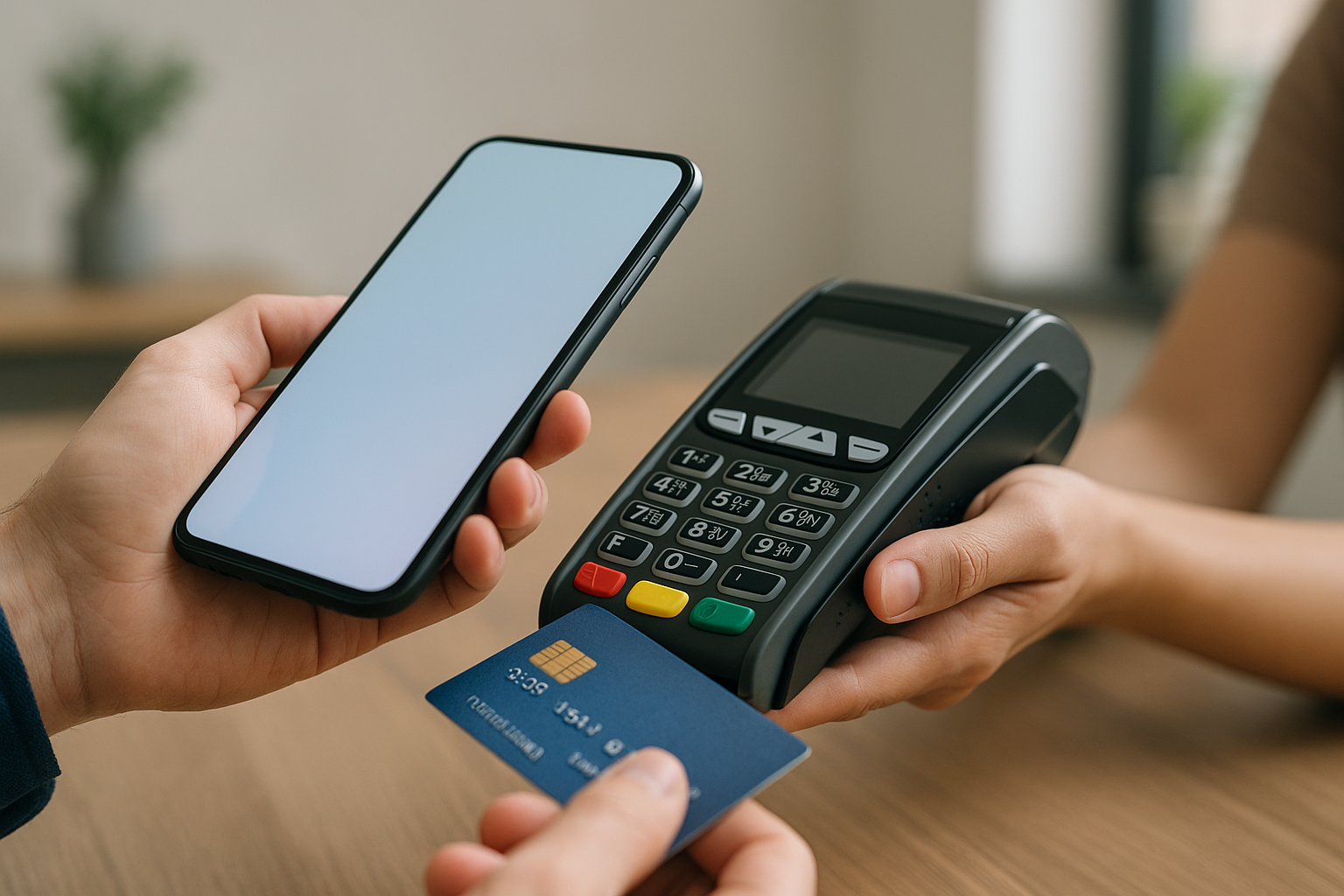
- Contactless payments, such as tap-to-pay
- Mobile wallets, including Apple Pay and Google Pay
- ACH or bank transfers
- Online checkout payments
- Invoices and recurring billing
Offering multiple payment options can improve the customer experience and reduce abandoned purchases. It also gives businesses flexibility across in-person, online, and remote sales channels.
Benefits of Merchant Processing Services
Improved Customer Experience
Customers want fast, easy checkout. Merchant processing services help businesses offer secure and convenient ways to pay, whether at the counter, on a website, or through a mobile app.
Faster Cash Flow
Card and digital payments are processed quickly, helping businesses access funds sooner than they would with checks or manual invoicing. Faster deposits can support payroll, inventory purchases, and day-to-day operations.
Better Sales Opportunities
Accepting more payment methods can lead to more completed transactions. Businesses that make payment simple are more likely to convert customers and encourage repeat purchases.
Security and Fraud Protection
Modern merchant processing services include tools such as encryption, tokenization, fraud monitoring, and PCI compliance support. These features help protect sensitive payment data and reduce the risk of fraudulent activity.
Reporting and Business Insights
Many providers offer dashboards and reports that help business owners track sales, refunds, chargebacks, and customer trends. This information can support smarter decision-making and better financial planning.
Common Fees and Pricing Models
Understanding pricing is one of the most important parts of choosing merchant processing services. Costs can vary depending on the provider, transaction type, business model, and volume. Common fees include:
- Transaction fees
- Monthly account fees
- Statement fees
- Payment gateway fees
- Chargeback fees
- Equipment or software fees
Pricing models typically fall into a few categories. Flat-rate pricing charges the same percentage for most transactions, making it simple and predictable. Interchange-plus pricing separates the interchange fee from the processor’s markup, which can offer better transparency. Tiered pricing groups transactions into different categories, though it can be harder to understand and may cost more overall.
Business owners should compare total cost, not just the advertised rate. A low headline rate may still come with hidden fees or restrictive contract terms. Reading the full agreement and asking detailed questions can help avoid surprises later.
How to Choose the Right Merchant Processing Provider
The best merchant processing service for one business may not be the best for another. Choosing the right provider depends on how a company sells, how much it processes, and what features it needs. Here are a few important factors to consider:
- Business type: Retail, restaurant, e-commerce, and service businesses often need different tools.
- Payment methods: Make sure the provider supports the ways your customers prefer to pay.
- Pricing structure: Compare fees, contract length, and refund or chargeback costs.
- Integration: Check whether the service works with your POS, accounting software, or shopping cart.
- Security: Look for PCI compliance support and strong fraud prevention tools.
- Customer support: Reliable support matters when payment issues happen.
It is also wise to ask about settlement times, contract flexibility, and hardware compatibility. A provider that fits your current setup and scales with your growth can save time and money over the long term.
Merchant Processing Services for Different Business Types
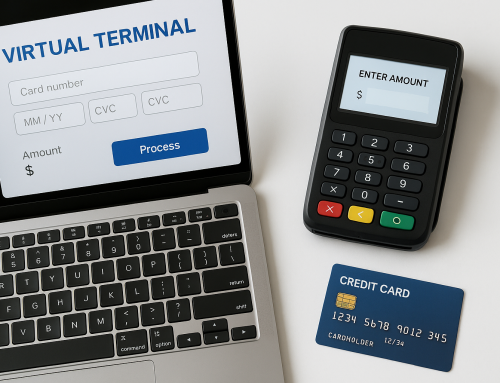
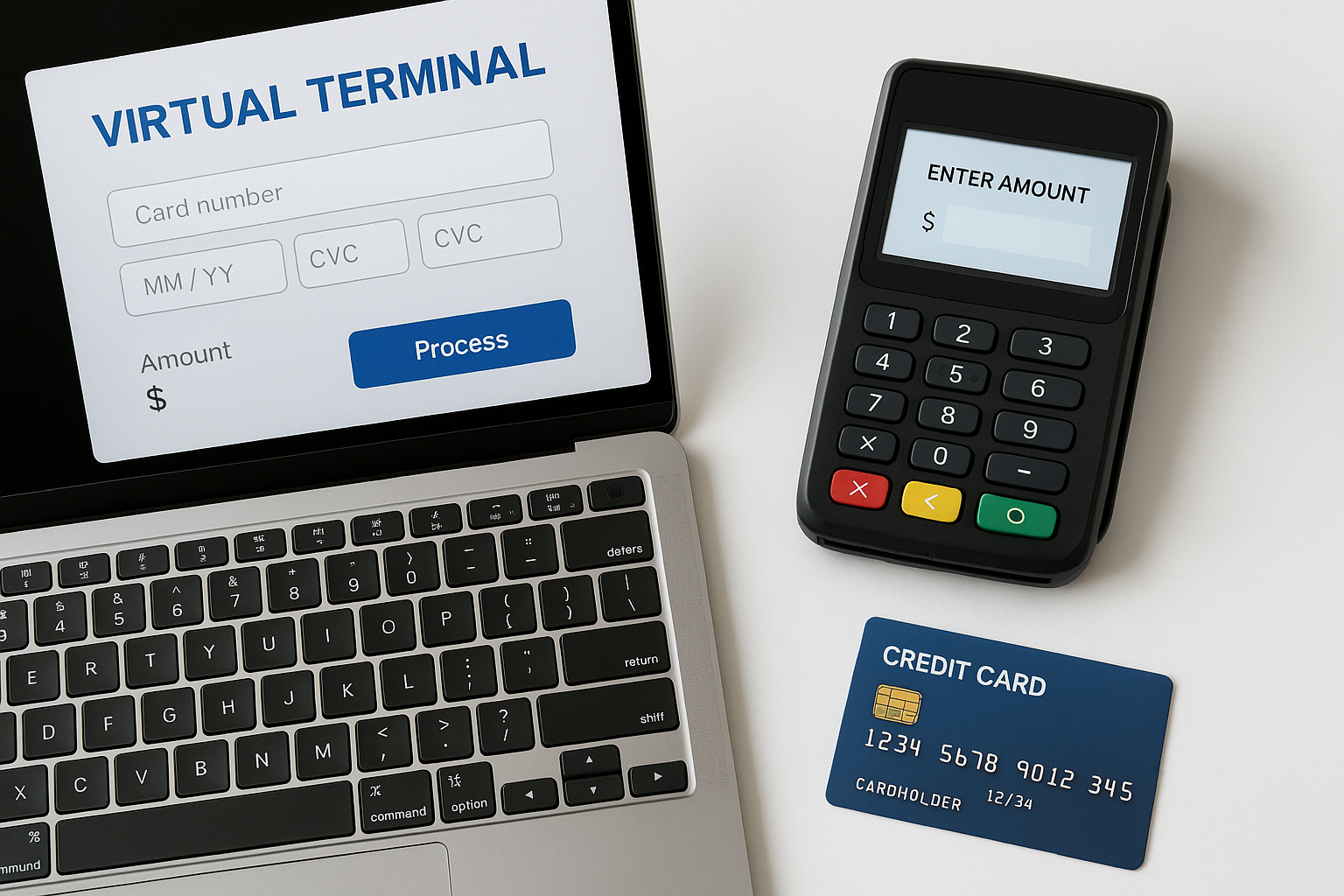
Different industries use merchant processing in different ways. Retail stores often need countertop terminals and integrated POS systems. Restaurants may need tableside payment tools, tipping features, and split-check functionality. E-commerce businesses need secure checkout pages, recurring billing, and fraud screening. Service-based businesses often benefit from invoicing, virtual terminals, and mobile payments for on-the-go transactions.
Because each business model has unique requirements, it is important to choose a provider with relevant experience. A processor that understands your industry is more likely to offer useful features and fewer operational headaches.
Security, Compliance, and Fraud Prevention
Payment security is a major part of merchant processing services. Businesses that accept card payments must follow certain standards to protect customer information. PCI compliance is one of the most important requirements, and many providers offer tools or guidance to help merchants meet those standards.
Fraud prevention features may include address verification, CVV checks, tokenization, velocity limits, and real-time monitoring. These tools can reduce unauthorized transactions and help businesses avoid costly chargebacks. Even small businesses should take security seriously, since a single incident can damage customer trust and lead to financial losses.
Why Merchant Processing Services Matter for Growth
Merchant processing services do more than just move money. They help businesses create smoother customer experiences, expand sales channels, and operate more efficiently. A dependable payment system supports growth by making it easier for customers to buy and easier for businesses to get paid.
As payment preferences continue to evolve, businesses that offer flexible and secure payment options are better positioned to compete. From in-person sales to online subscriptions, merchant processing services are a foundation of modern commerce.
Conclusion
Merchant processing services are a vital part of running a successful business. They make it possible to accept payments securely, improve cash flow, and provide a better experience for customers. By understanding how these services work and what to look for in a provider, business owners can choose a solution that supports both daily operations and long-term growth.