What Are PCI DSS Requirements?
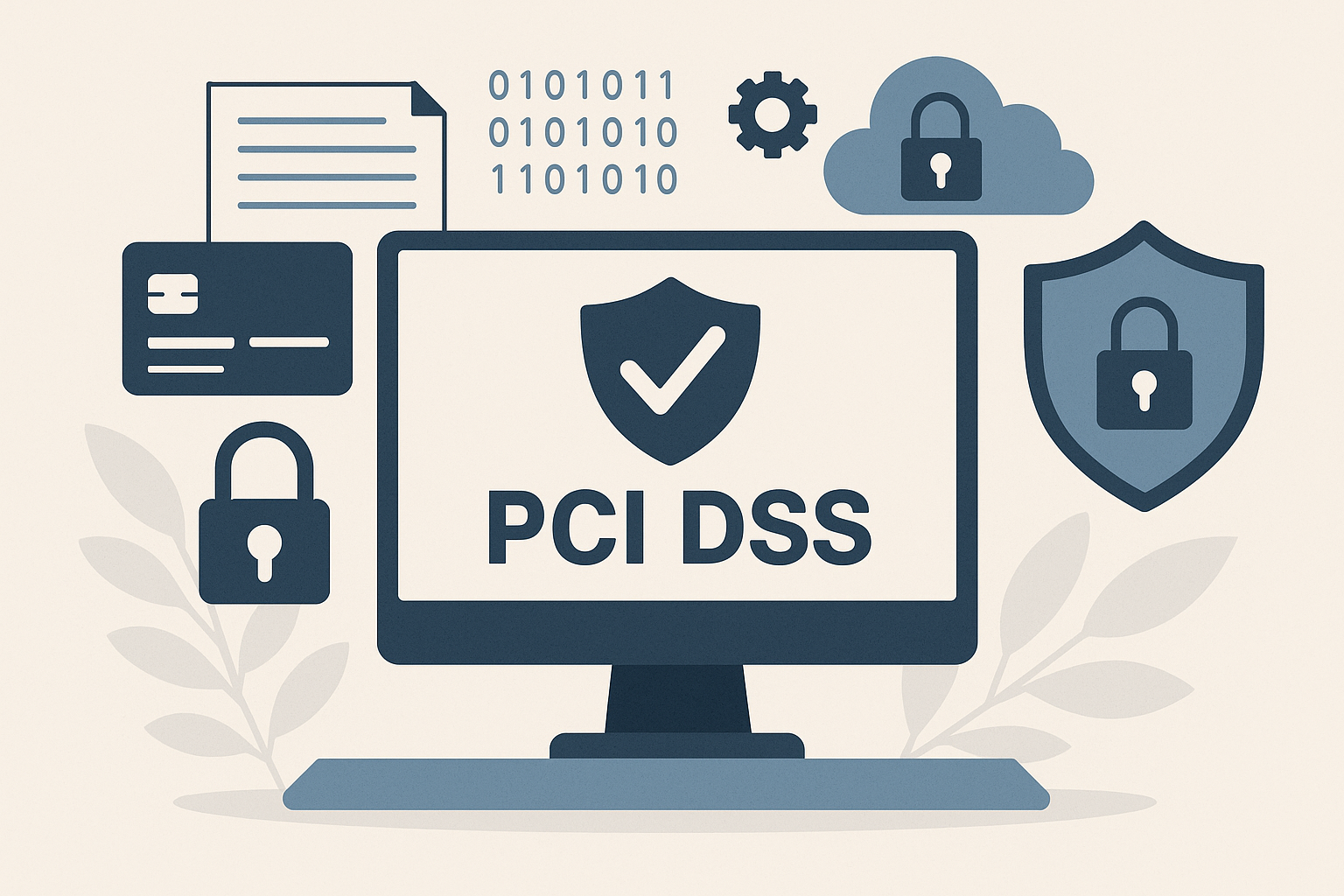
PCI DSS stands for the Payment Card Industry Data Security Standard. It is a set of security requirements designed to protect cardholder data and reduce the risk of payment card fraud. If your business stores, processes, or transmits credit or debit card information, PCI DSS requirements apply to you.
These requirements were created by major card brands to establish a consistent security baseline for organizations that handle payment data. Whether you run an ecommerce store, a subscription service, or a brick-and-mortar business, PCI DSS helps you build safer payment practices and maintain customer trust.
Why PCI DSS Compliance Matters
PCI DSS compliance is about more than checking a box. It helps protect sensitive payment information from theft, unauthorized access, and misuse. A data breach involving cardholder data can lead to chargebacks, legal issues, fines, reputational damage, and loss of customer confidence.
For many businesses, meeting PCI DSS requirements is also a contractual obligation through payment processors and acquiring banks. In other words, compliance is often necessary to keep accepting card payments. Strong security controls can also improve your overall cybersecurity posture, not just payment security.
The 12 PCI DSS Requirements
PCI DSS is organized around 12 core requirements, grouped into six broader goals. Together, they create a framework for securing cardholder data from end to end.
1. Build and Maintain a Secure Network and Systems
The first goal is to protect your systems from unauthorized access. This includes installing and maintaining firewalls and avoiding vendor-provided default passwords and settings. Default credentials are a common weakness and should always be changed before systems go live.
2. Protect Cardholder Data
Cardholder data should be protected both in storage and during transmission. PCI DSS encourages encryption, truncation, masking, and secure disposal of data when it is no longer needed. Businesses should only retain the minimum amount of card data necessary for legitimate business or legal reasons.
3. Maintain a Vulnerability Management Program
Systems connected to payment data must be regularly protected against malware and other threats. This requirement includes using anti-virus or anti-malware tools where appropriate and keeping software up to date through a consistent patch management process.
4. Implement Strong Access Control Measures
Access to cardholder data should be limited to only those who need it to perform their jobs. PCI DSS requires unique IDs for users, strong authentication, restricted physical access to systems, and role-based permissions. The principle of least privilege is key here.
5. Regularly Monitor and Test Networks
Monitoring helps detect suspicious activity before it becomes a major incident. Businesses must track access to network resources and cardholder data, review logs regularly, and test security systems and processes. Vulnerability scans and penetration testing are often part of this effort.
6. Maintain an Information Security Policy
A formal security policy creates accountability and ensures everyone understands their responsibilities. PCI DSS expects organizations to document security practices, train employees, and maintain policies that support ongoing compliance. Security is not just a technology issue; it is also a people and process issue.
Who Needs to Follow PCI DSS?
Any organization that accepts, stores, processes, or transmits payment card data must comply with PCI DSS requirements. This includes retailers, hospitality businesses, healthcare providers, online merchants, SaaS companies, nonprofits, and service providers.
Compliance obligations may differ depending on transaction volume and the way you handle payment data. Larger businesses often face more detailed validation requirements, while smaller merchants may complete shorter self-assessment processes. However, all businesses in scope must still protect cardholder data appropriately.
How to Achieve PCI DSS Compliance
Achieving compliance starts with understanding your cardholder data environment. Identify where payment information is collected, transmitted, stored, or processed, and map the systems and people involved. This helps you determine the scope of your compliance effort.
Next, review current security controls against PCI DSS requirements. Common steps include upgrading firewalls, encrypting sensitive data, implementing multi-factor authentication, restricting access, and keeping software patched. You should also document policies and train staff on secure handling of payment data.
For validation, many businesses complete a Self-Assessment Questionnaire (SAQ) and, in some cases, a quarterly vulnerability scan performed by an approved scanning vendor. Larger organizations may need a formal assessment by a Qualified Security Assessor (QSA). The exact process depends on your merchant level and business model.
Common PCI DSS Challenges
Many organizations struggle with PCI DSS because their environments change frequently. New apps, cloud platforms, third-party vendors, and remote work can all increase complexity. One common challenge is not knowing where cardholder data is stored, which makes it difficult to secure and monitor.
Another challenge is assuming that outsourcing payment processing eliminates responsibility. Even if a payment gateway handles transactions, your business may still be in scope if it touches cardholder data at any point. Third-party risk management is essential because vendors can introduce security gaps of their own.
Documentation and ongoing maintenance are also frequent pain points. Compliance is not a one-time project; it requires continuous attention, regular testing, and staff awareness. Businesses that build PCI DSS into routine operations tend to manage it more successfully than those that treat it as an annual task.
Best Practices for Staying Compliant
To stay compliant, reduce the amount of cardholder data your business handles whenever possible. Use tokenization or hosted payment pages to keep sensitive data out of your systems. The less data you store, the lower your risk and compliance burden.
In addition, use strong authentication, encrypt data in transit and at rest, and maintain up-to-date security patches. Regular log reviews, vulnerability scans, and access reviews should become part of your normal security routine. Employee training should also be repeated periodically so secure practices remain top of mind.
Finally, work closely with your payment processors, IT team, and security advisors to ensure your controls match your business model. PCI DSS compliance works best when it is integrated into your operations rather than treated as a separate project.
Conclusion
PCI DSS requirements give businesses a practical framework for protecting payment card data and reducing the risk of breaches. By understanding the 12 requirements and building security into everyday operations, you can improve compliance, protect your customers, and strengthen trust in your brand.