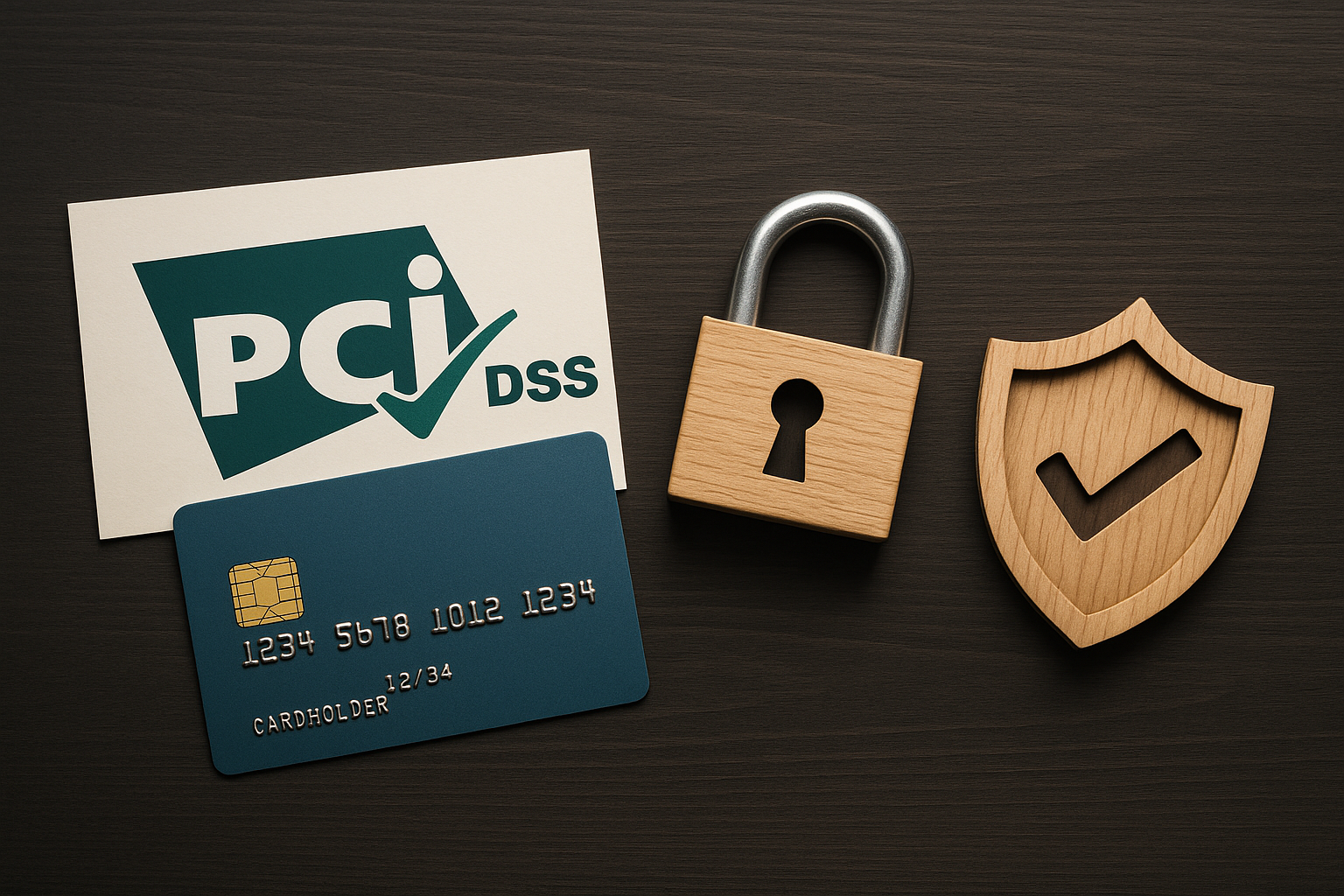
Every time a customer pays with a card, a business takes on a serious responsibility: protecting sensitive payment data. That is where PCI DSS comes in. The Payment Card Industry Data Security Standard (PCI DSS) is a set of security requirements designed to reduce the risk of cardholder data theft, fraud, and misuse.
Whether you run an online store, a service business, or a large enterprise, understanding PCI DSS requirements is essential. Compliance is not just about avoiding penalties. It is about building trust, strengthening your security posture, and showing customers that their payment information is handled carefully.
What Is PCI DSS?
PCI DSS stands for Payment Card Industry Data Security Standard. It was created by the major card brands to establish a common framework for securing cardholder data across all organizations that store, process, or transmit payment card information.
The standard applies to businesses of all sizes, from small merchants to global companies. If your organization accepts card payments, PCI DSS likely applies to you in some way. The level of effort needed for compliance depends on how many transactions you process and how card data flows through your systems.
The goal of PCI DSS is simple: reduce payment card risk by requiring strong technical controls, secure processes, and ongoing monitoring. It is not a one-time certification but an ongoing security program.
The 12 PCI DSS Requirements
PCI DSS is organized around 12 core requirements. These are grouped into six broad security goals that cover network security, data protection, vulnerability management, access control, monitoring, and policy management.
1. Install and maintain network security controls
Firewalls and other network security controls help protect cardholder data from unauthorized access. This requirement focuses on limiting traffic to only what is necessary and blocking anything suspicious or unnecessary.
2. Apply secure configurations to all system components
Default settings are often easy for attackers to guess. PCI DSS requires organizations to change vendor defaults, disable unnecessary services, and configure systems securely from the start.
3. Protect stored account data
If cardholder data must be stored, it has to be protected. PCI DSS emphasizes minimizing storage, encrypting sensitive data, and retaining data only as long as there is a legitimate business need.
4. Protect cardholder data during transmission over open, public networks
Data sent across networks such as the internet must be encrypted using strong protocols. This helps prevent attackers from intercepting payment information while it is being transmitted.
5. Protect systems and networks from malicious software
Malware can steal payment data, disrupt operations, or open the door to larger attacks. PCI DSS requires anti-malware protections, regular updates, and controls to keep systems resilient.
6. Develop and maintain secure systems and software
Security vulnerabilities in applications and operating systems can create major exposure. This requirement focuses on secure development practices, timely patching, and vulnerability management to reduce risk.
7. Restrict access to cardholder data by business need to know
Not every employee should have access to payment data. PCI DSS requires businesses to limit access based on job responsibilities so only authorized personnel can view or handle sensitive information.
8. Identify users and authenticate access to system components
Strong user authentication is critical. This requirement includes assigning unique IDs to each user and using strong authentication methods, such as multifactor authentication, to verify identity.
9. Restrict physical access to cardholder data
Security is not only digital. PCI DSS also covers physical protections, including securing servers, paper records, and any other media that contains cardholder data.
10. Log and monitor all access to system components and cardholder data
Logging provides visibility into who accessed systems, what they did, and when. Monitoring these logs helps identify suspicious activity early and supports forensic investigations if an incident occurs.
11. Test security of systems and networks regularly
Security controls must be tested to make sure they actually work. PCI DSS requires regular vulnerability scans, penetration testing, and other assessments to find weaknesses before attackers do.
12. Support information security with organizational policies and programs
Technology alone is not enough. PCI DSS requires documented policies, security awareness training, and formal governance to make security part of everyday business operations.
Why PCI DSS Requirements Matter
PCI DSS requirements matter because payment card data is a high-value target. A single breach can lead to financial losses, legal liability, reputational damage, and operational disruption. Even smaller businesses are at risk because attackers often target organizations with weaker defenses.
Compliance also helps create better security habits. When a company follows PCI DSS, it is more likely to use encryption, strong passwords, access controls, patch management, and continuous monitoring. These practices protect far more than card data alone.
Customers also care about security. A business that demonstrates compliance is sending a message that it takes data protection seriously. That confidence can improve customer trust and support long-term growth.
Who Needs to Comply?
Any business that accepts, stores, processes, or transmits payment card data should evaluate PCI DSS obligations. This includes retailers, e-commerce businesses, restaurants, healthcare providers, software platforms, and service organizations that handle card payments.
The exact compliance path depends on your merchant level and how you process transactions. Some businesses complete a self-assessment questionnaire, while larger organizations may require external audits and more detailed reporting. Even if a business outsources payment processing, it may still have PCI DSS responsibilities if its systems touch card data.
Common PCI DSS Compliance Challenges
One of the biggest challenges is data sprawl. Cardholder data can end up in logs, emails, spreadsheets, backups, and third-party systems if businesses are not careful. The more places the data exists, the harder it becomes to secure.
Another challenge is keeping systems patched and configurations current. Many security failures happen because organizations delay updates or leave default settings in place. Access control can also be difficult, especially in companies with frequent staff changes or multiple departments.
Businesses also struggle with documentation and ongoing maintenance. PCI DSS requires evidence, not just good intentions. Security processes must be written down, followed consistently, and reviewed regularly.
Best Practices for Meeting PCI DSS Requirements
Start by reducing the amount of cardholder data your business stores or processes. The less sensitive data in your environment, the smaller your compliance burden and security risk.
Use encryption for data in transit and at rest, and make sure key management practices are strong. Segment payment systems from other parts of your network so an issue in one area does not spread easily to others.
Implement multifactor authentication wherever possible, especially for administrative access and remote access. Review user permissions regularly and remove access when employees change roles or leave the organization.
Patch systems promptly, run vulnerability scans, and test security controls on a regular schedule. Back these efforts with clear policies, employee training, and a response plan for security incidents.
Finally, work with trusted payment vendors and service providers. Third-party relationships can introduce risk, so it is important to confirm that partners also maintain strong security practices.
Conclusion
PCI DSS requirements give businesses a practical framework for protecting payment card data and reducing the risk of breaches. By focusing on secure networks, strong access control, data protection, monitoring, and ongoing policies, organizations can build a safer payment environment and earn customer trust.
Compliance may take effort, but the payoff is worth it: stronger security, lower risk, and greater confidence in every transaction.