What Are NFC Payments?
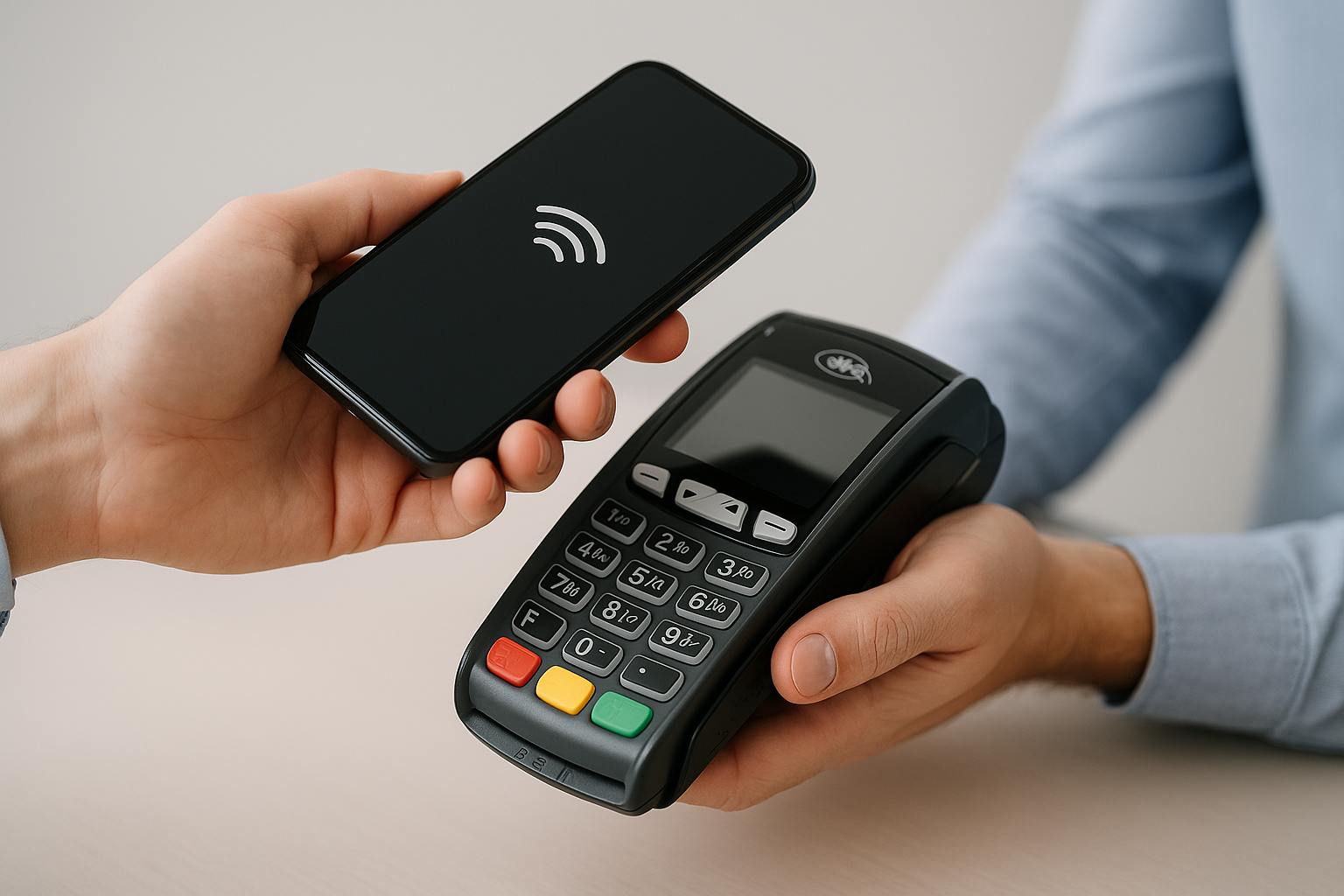
NFC payments use near-field communication technology to let two devices exchange data when they are very close together, usually just a few centimeters apart. In everyday use, this means you can tap a card, phone, or smartwatch at a payment terminal to complete a purchase quickly and securely.
This technology has become a common part of modern shopping because it combines speed, convenience, and strong security features. Whether you are buying coffee, groceries, or taking public transit, NFC payments make checkout faster and easier.
How NFC Payments Work
NFC is a short-range wireless communication standard that operates at close distance, which helps reduce the risk of accidental or unwanted connections. When you tap your device near a reader, the payment terminal and your device communicate to verify the transaction.
In most cases, the actual card number is not shared directly with the merchant. Instead, a token or encrypted payment credential is used. This process helps protect sensitive information while still allowing a fast checkout experience.
The role of the payment terminal
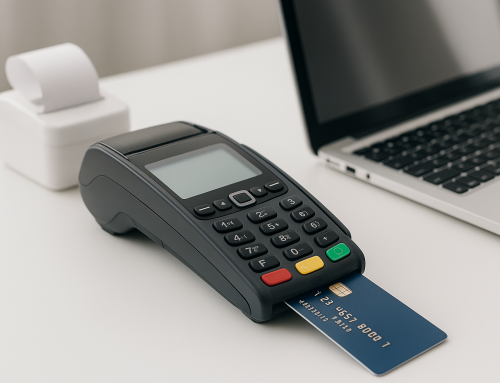
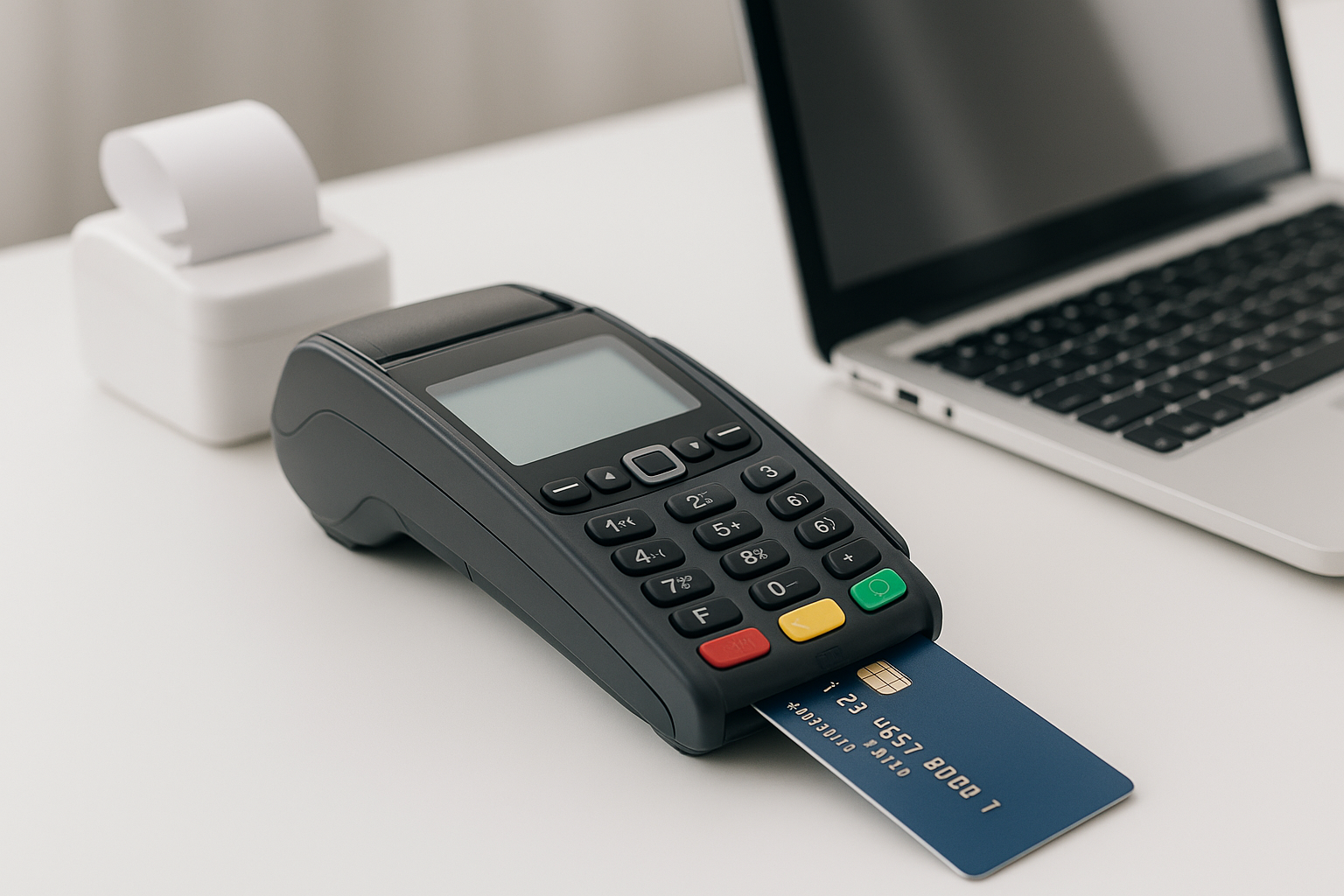
The terminal must support contactless payments and be properly configured to accept NFC transactions. If the terminal is compatible, the customer simply taps and waits for the payment to be approved.
The role of the device
Customers can use contactless credit cards, debit cards, smartphones, and wearables. Many mobile wallets store payment information securely and use device authentication such as Face ID, fingerprint recognition, or a passcode before approving a transaction.
Benefits of NFC Payments
NFC payments have grown so quickly because they solve several common frustrations at checkout. They reduce friction for customers and help businesses move lines faster.
Speed and convenience
One of the biggest advantages of NFC payments is how fast they are. There is no need to swipe, insert a card, or hand over cash. A simple tap can complete a purchase in seconds.
Improved security
Contactless payments are designed with security in mind. Because many NFC transactions use tokenization and encryption, the merchant does not receive the actual card details. Many mobile wallets also require biometric verification, adding another layer of protection.
Better customer experience
Customers appreciate quick, low-contact payment options, especially in busy environments like cafes, retail stores, stadiums, and transit stations. A smooth checkout process can also improve satisfaction and encourage repeat visits.
Reduced handling of cash
For businesses, accepting NFC payments can reduce the need to count, store, and manage cash. This can simplify operations and lower the risk of errors associated with manual handling.
Where NFC Payments Are Used
NFC payments are now accepted in a wide range of industries and locations. As adoption has increased, tap-to-pay has become a familiar part of everyday life.
Retail stores
From grocery chains to local boutiques, retail stores use NFC payments to speed up checkout and reduce long lines during peak hours.
Restaurants and cafes
Fast service matters in food and beverage settings. NFC payments help staff process orders efficiently, especially for quick-service restaurants and coffee shops.
Public transportation
Many transit systems now accept contactless cards and mobile wallets. Riders can tap in and move through stations without buying paper tickets or waiting at kiosks.
Online and app-based ecosystems
While NFC is mostly known for in-person payments, it also plays a role in connected experiences such as loyalty programs, device pairing, and secure app-based payment flows.
Security and Privacy Considerations
Although NFC payments are designed to be secure, users and businesses should still understand how to protect themselves. Good payment security depends on both the technology and the habits around it.
Tokenization and encryption
Tokenization replaces sensitive card data with a unique digital token. If intercepted, the token is much less useful than real card information. Encryption also helps protect data as it moves between the device and the payment network.
Device authentication
Mobile wallets often require authentication before a payment can be approved. This means that even if someone else has your phone, they may not be able to make a payment without your fingerprint, face scan, or passcode.
Keeping devices updated
For the best protection, users should keep their phones, wallets, and payment apps updated. Businesses should also maintain secure terminals and follow payment industry best practices.
NFC Payments for Businesses
Businesses that accept NFC payments can benefit from faster transactions and a modern checkout experience. In many industries, contactless support is becoming less of a luxury and more of an expectation.
To get started, merchants need payment terminals that support contactless technology and a payment processor that enables NFC transactions. Staff should also be trained to recognize contactless logos, assist customers, and troubleshoot common issues.
For small businesses, NFC can create a professional impression and reduce checkout friction. For larger businesses, it can help improve throughput and support a wide range of customer preferences.
Common Questions About NFC Payments
Do NFC payments work without an internet connection?
Many payment terminals need some form of network connection to authorize transactions, although certain systems may support limited offline processing. The exact process depends on the merchant’s setup and payment provider.
Can NFC payments be used internationally?
Yes, in many countries NFC payments are widely accepted. However, availability can vary by region, terminal type, and card issuer, so it is always worth confirming before traveling.
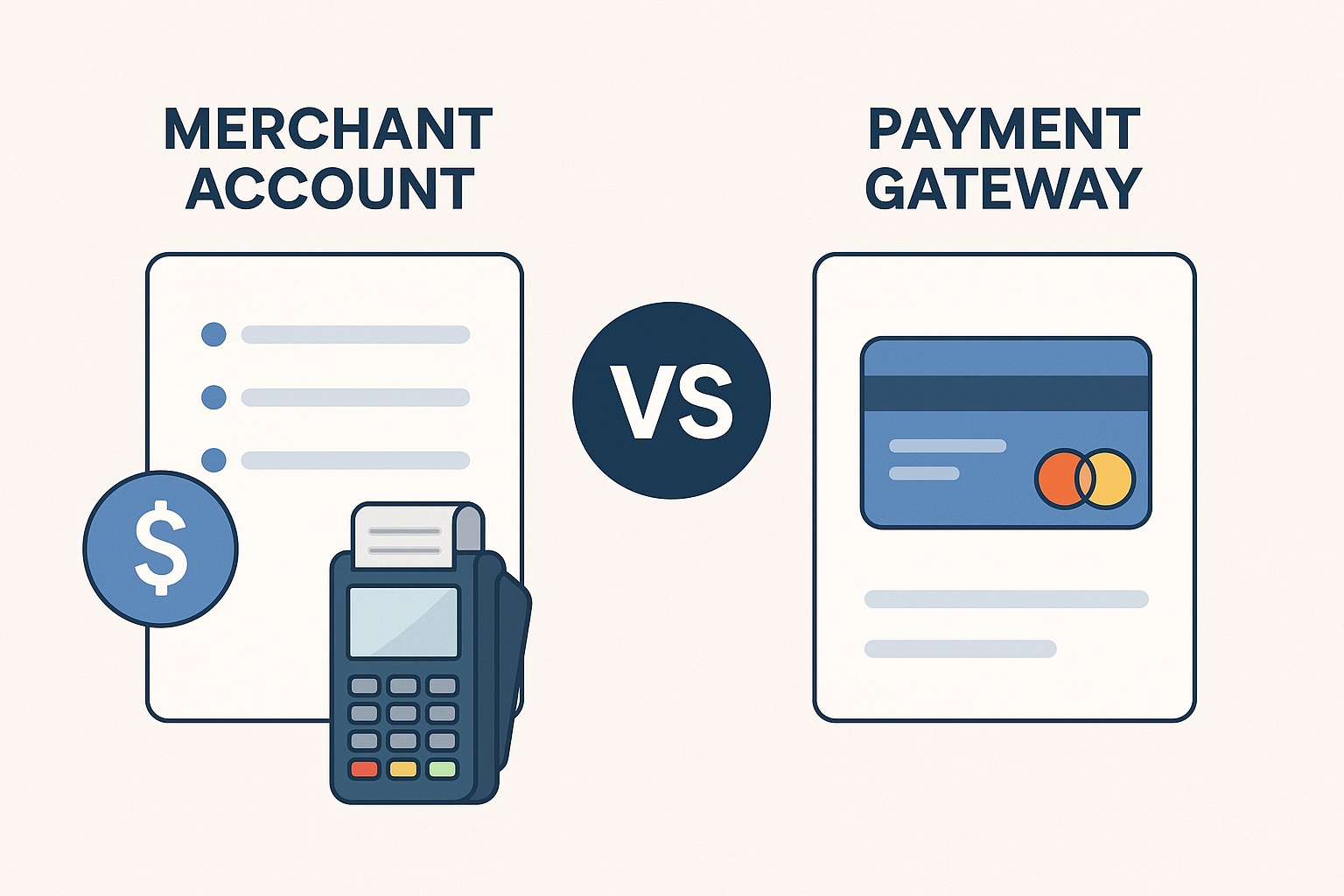
Are NFC payments the same as mobile wallets?
Not exactly. NFC is the communication technology that enables tap-to-pay, while mobile wallets are apps or services that store payment information and use NFC to complete the transaction.
The Future of NFC Payments
NFC payments are likely to keep growing as more consumers expect fast, convenient checkout options. The technology is already well established, but it continues to evolve alongside mobile wallets, wearables, and digital identity tools.
As businesses and consumers become more comfortable with tap-to-pay, NFC may become the default way to pay in many settings. Its mix of speed, security, and simplicity makes it a strong fit for modern commerce.
Conclusion
NFC payments have transformed the checkout experience by making transactions faster, safer, and easier to use. From contactless cards to smartphone wallets, tap-to-pay offers a practical solution for everyday spending. As adoption continues to expand, NFC is set to remain an important part of the future of payments.