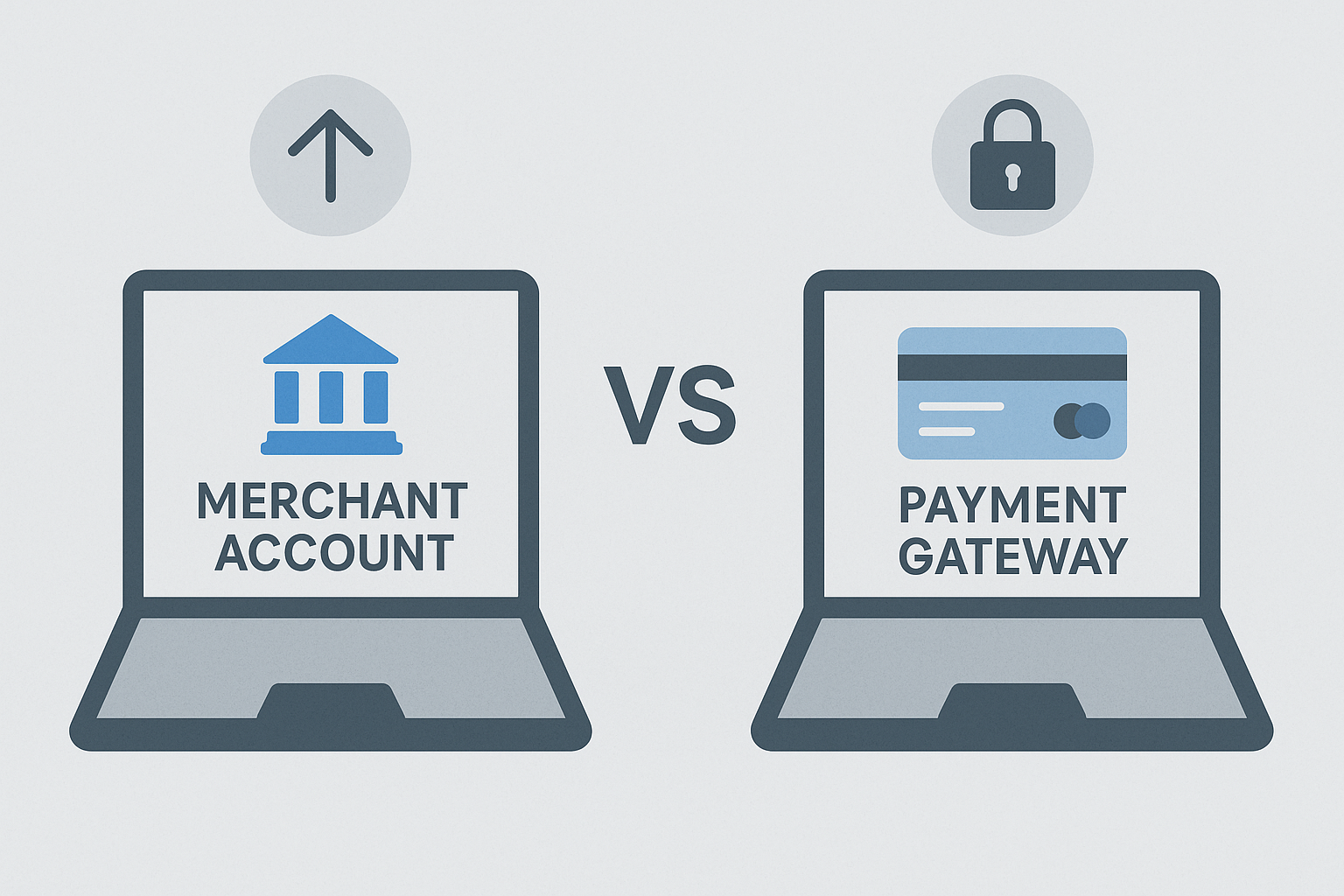
For many businesses, accepting card payments is straightforward. But for companies in industries with higher chargeback rates, regulatory scrutiny, or subscription-based billing, getting approved for a standard merchant account can be difficult. That’s where high-risk merchant accounts come in. These specialized accounts are designed to help businesses process payments securely while managing the added risk that banks and payment processors associate with certain business models.
What Is a High-Risk Merchant Account?
A high-risk merchant account is a payment processing account built for businesses that processors consider more likely to experience chargebacks, fraud, or financial instability. In other words, if a traditional provider sees your business as too risky to underwrite, a high-risk account may still allow you to accept credit and debit cards.
These accounts function much like standard merchant accounts: customers pay by card, funds are deposited into your business bank account, and transactions are processed through a payment network. The difference is that high-risk accounts usually come with stricter terms, higher fees, and more oversight.
Why Are Some Businesses Considered High Risk?
Businesses can be labeled high risk for a variety of reasons. Sometimes it’s the industry itself, and sometimes it’s the company’s financial history or business model. Processors look at the likelihood that a merchant may trigger disputes, fail to fulfill orders, or generate compliance issues.
Common High-Risk Industries
Some of the most commonly classified high-risk industries include:
- Travel and hospitality
- Adult entertainment
- CBD and cannabis-related products
- Gambling and gaming
- Firearms and hunting products
- Subscription boxes and continuity billing
- Credit repair and debt relief
- Telemarketing and direct response marketing
- Online coaching and information products
- eCommerce businesses with frequent chargebacks
Other Factors That Increase Risk
Even if your industry is not traditionally considered high risk, you may still be flagged if you have:
- A poor personal or business credit history
- Previous merchant account terminations
- High refund or chargeback rates
- International sales or multi-currency processing
- New business operations with limited processing history
- Membership or recurring billing models
How High-Risk Merchant Accounts Work
The core function of a high-risk merchant account is the same as a standard account: it enables you to accept electronic payments. However, the provider assumes a greater level of risk and often uses protective measures to offset potential losses.
One common feature is a reserve, which is a percentage of your processed funds held temporarily by the processor. This reserve helps cover chargebacks, refunds, or other financial disputes. Some accounts also include rolling reserves, where funds are held for a set period before being released.
High-risk processors may also monitor your transaction patterns more closely. Large spikes in sales, unusual refund activity, or a sudden increase in chargebacks can trigger a review. While this may feel restrictive, these safeguards help maintain account stability for both the merchant and the provider.
Benefits of a High-Risk Merchant Account
Although the fees and requirements can be higher, high-risk merchant accounts provide several important advantages for businesses that otherwise might struggle to accept payments.
Reliable Payment Acceptance
The biggest benefit is access to card processing. Without it, many businesses would be forced to rely on cash, checks, or limited payment methods that can slow growth and reduce customer convenience.
Support for Complex Business Models
High-risk accounts are often better suited for subscriptions, international sales, and businesses with variable billing structures. Providers in this space understand the nuances of these models and are more willing to build solutions around them.
Reduced Risk of Sudden Shutdowns
When a business is forced into a standard account that doesn’t fit its model, it may face sudden holds or termination. A specialized high-risk provider is more likely to understand the business and continue support as long as risk is managed properly.
Access to Fraud Prevention Tools
Many high-risk processors offer enhanced fraud screening, chargeback alerts, and transaction monitoring. These tools can help merchants reduce disputes and protect revenue.
What to Expect: Fees, Reserves, and Terms
High-risk merchant accounts usually cost more than standard processing because the processor is taking on a larger financial exposure. Understanding these costs in advance helps businesses make better decisions and avoid surprises.
Higher Processing Fees
It’s common to pay a higher per-transaction rate and possibly additional monthly fees. Pricing can vary significantly depending on the industry, transaction volume, average ticket size, and chargeback history.
Reserve Requirements
Some providers require a reserve to protect against disputes and losses. This can be a one-time upfront hold, a rolling reserve, or a capped reserve based on your sales volume.
Stricter Contract Terms
Contracts may include longer approval processes, documentation requirements, and closer monitoring. Be sure to read the terms carefully, especially around termination, funding delays, and chargeback thresholds.
How to Get Approved for a High-Risk Merchant Account
Approval is easier when you come prepared. Processors want to see that your business is legitimate, well-managed, and capable of keeping chargebacks under control.
Prepare the Right Documents
Most providers will ask for:
- Business registration documents
- Owner identification
- Business bank account information
- Processing statements, if available
- Refund, shipping, and privacy policies
- Financial statements or tax returns in some cases
Show a Clear Risk Management Plan
Explain how you handle refunds, customer service, fulfillment, and fraud prevention. If your business has subscription billing or international transactions, outline the systems you use to manage them responsibly.
Be Transparent About Your Business Model
Honesty matters. If you misrepresent your products, billing structure, or sales channels, you could face account closure later. Full disclosure gives the provider a better chance to match you with the right terms from the start.
Keep Chargebacks Low
Strong customer service, clear product descriptions, easy cancellation policies, and fast shipping can all help reduce disputes. The lower your chargeback ratio, the more attractive your business becomes to processors.
How to Choose the Right Provider
Not all high-risk merchant account providers are equal. The best choice depends on your industry, volume, and long-term business goals.
Look for a provider with experience in your niche, transparent pricing, and strong customer support. Ask about funding schedules, reserve policies, chargeback handling, and whether they support your payment channels, such as online checkout, recurring billing, or mobile payments.
It’s also wise to compare multiple offers. A provider that specializes in your industry may offer better approval odds and more practical terms than a general processor that only occasionally works with high-risk merchants.
Conclusion
High-risk merchant accounts give businesses in challenging industries a way to accept payments and grow with confidence. While they often come with higher fees and stricter terms, they can also provide the stability, tools, and expertise needed to manage risk effectively. By understanding what makes your business high risk and preparing a strong application, you can improve your chances of approval and find a processor that supports your long-term success.