Introduction
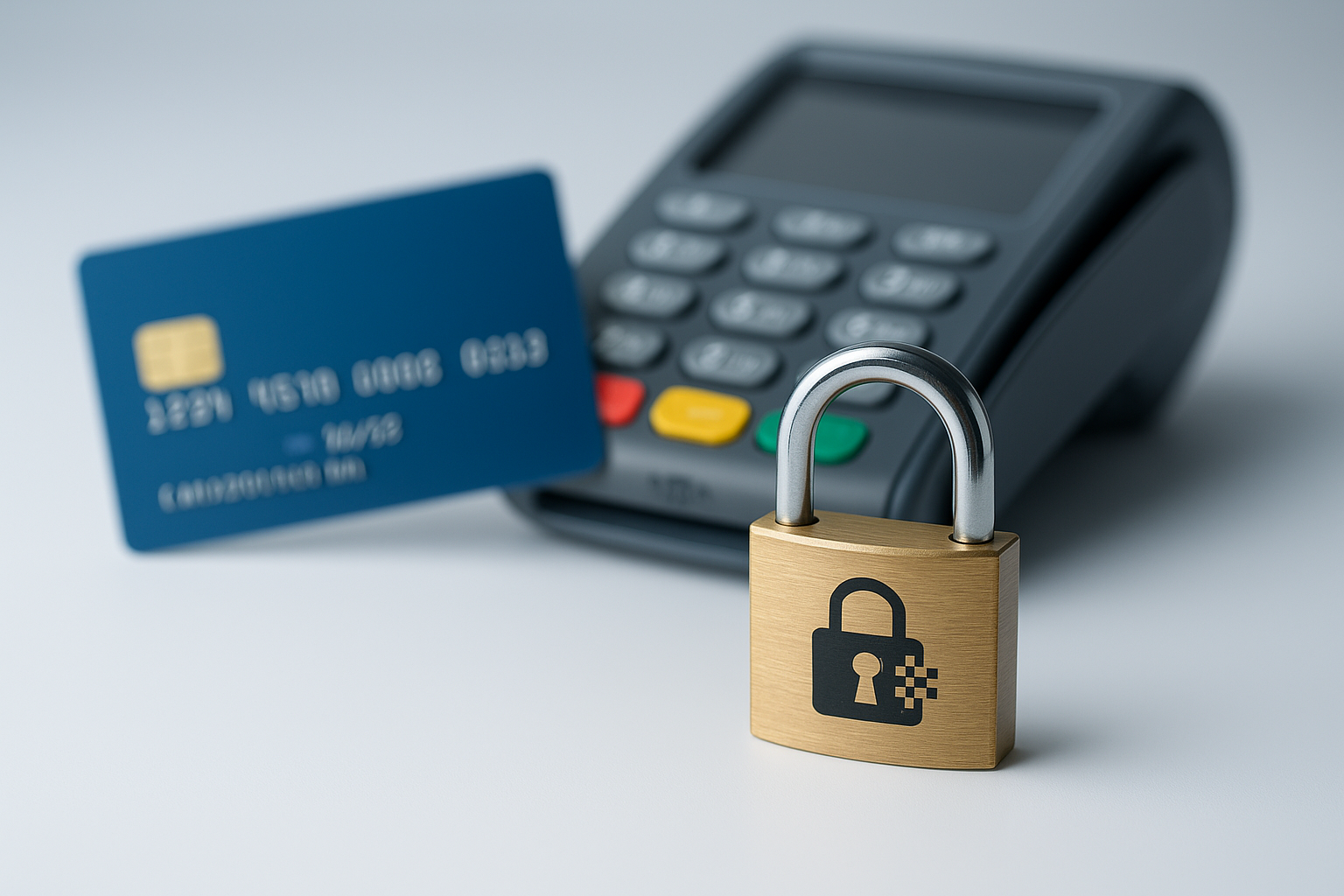
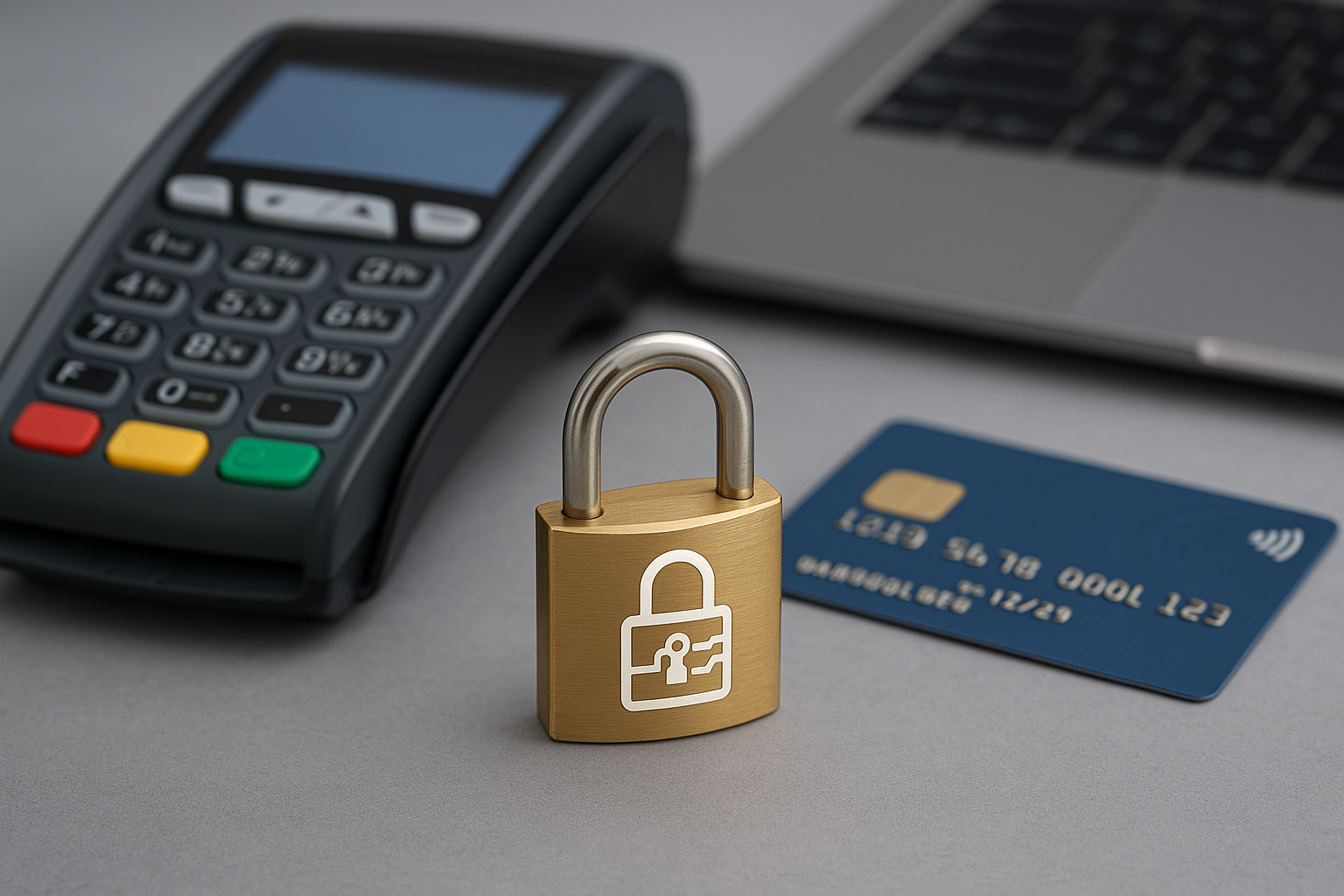
Every time a customer enters a card number online or taps a phone at checkout, sensitive payment data is in motion. Encryption is one of the most important safeguards protecting that information from interception, theft, and misuse. In payment processing, encryption helps turn readable data into coded text that only authorized systems can access, reducing risk at every stage of the transaction.
For businesses, encryption is not just a technical feature. It is a core part of delivering secure, reliable payment experiences and maintaining customer trust. Understanding how it works, where it fits in the payment flow, and how it supports broader compliance efforts can help merchants make smarter security decisions.
What Is Encryption in Payment Processing?
Encryption is the process of converting sensitive data into unreadable code using a cryptographic key. In payment processing, this protects cardholder data, bank account details, authentication information, and other personally sensitive information as it moves between the customer, payment gateway, processor, and financial institutions.
When a transaction is encrypted, anyone who intercepts the data without the proper key sees only meaningless characters. This makes encryption a critical defense against fraud and data breaches, especially in online and mobile payments where information travels across public networks.
How Payment Encryption Works
Payment encryption typically begins the moment a customer submits payment details. The data is encrypted on the device, browser, or point-of-sale terminal before transmission. It then travels through secure channels to the payment gateway and processor, where it is decrypted only by systems that are authorized to handle it.
Most payment environments use strong encryption standards such as Advanced Encryption Standard (AES) for stored data and Transport Layer Security (TLS) for data in transit. These layers work together to protect payment information both while it is being transmitted and when it is stored in databases or secure vaults.
In many modern systems, businesses also use tokenization alongside encryption. Tokenization replaces sensitive payment data with a unique surrogate value, or token, which can be used for business operations without exposing the original information. While encryption protects the data itself, tokenization limits how often that data is handled.
Encryption in Transit
Encryption in transit protects data as it moves from one point to another. This is essential for online checkout pages, mobile apps, APIs, and payment terminals that communicate over networks. TLS is the most common protocol used here, helping prevent eavesdropping and man-in-the-middle attacks.
Encryption at Rest
Encryption at rest protects stored payment data in servers, backups, and databases. If a storage system is compromised, encrypted data remains unreadable without the correct decryption key. This is especially important for merchants that retain payment information for recurring billing or customer convenience.
Why Encryption Matters for Payment Security
Payment data is a high-value target for cybercriminals. A single stolen card number can be sold or used for fraudulent purchases, which is why businesses that handle payments must take security seriously. Encryption helps reduce the impact of breaches by making intercepted data unusable.
Beyond preventing theft, encryption supports business continuity. A secure payment environment reduces fraud-related losses, lowers the likelihood of operational disruptions, and helps companies avoid the legal and reputational fallout of a security incident. Customers are more likely to complete purchases when they feel confident their information is protected.
Encryption and PCI DSS Compliance
The Payment Card Industry Data Security Standard, or PCI DSS, sets security requirements for organizations that process, store, or transmit cardholder data. Encryption plays a major role in meeting these requirements. While PCI DSS includes many controls, encryption is one of the most important safeguards for protecting payment information across systems.
Merchants that fail to encrypt payment data properly may face compliance issues, fines, higher processing costs, or even the loss of payment processing privileges. Using encryption in line with PCI DSS expectations helps demonstrate a commitment to safeguarding cardholder data and reducing risk throughout the payment lifecycle.
Best Practices for Encrypting Payment Data
Strong encryption is only effective when it is implemented correctly and supported by good security practices. Businesses should use modern, industry-approved algorithms and avoid outdated methods that are vulnerable to attack. Keys should be generated, stored, rotated, and restricted carefully, since weak key management can undermine even the best encryption technology.
It is also important to minimize the amount of payment data stored in the first place. The less sensitive information a business keeps, the smaller the attack surface. When storage is necessary, combining encryption with tokenization, access controls, and logging can significantly improve security.
Regular testing is another essential step. Businesses should review payment workflows, conduct vulnerability scans, and test encryption configurations to ensure they are working as intended. Security measures should be updated as threats evolve and new technologies become available.
Use Strong, Modern Standards
Choose well-established encryption protocols and avoid custom or obsolete systems. Standards such as TLS 1.2 or higher and AES-256 are widely trusted in payment environments.
Protect Encryption Keys
Encryption is only as strong as key management. Keys should be stored separately from encrypted data, protected with access controls, and rotated regularly to reduce risk.
Limit Data Retention
Store only the payment information you truly need. Reducing retention helps lower compliance burden and limits exposure if a system is breached.
Combine Encryption with Layered Security
Encryption works best as part of a broader defense strategy that includes tokenization, fraud detection, multi-factor authentication, network segmentation, and secure software development practices.
Common Challenges and Mistakes
One of the most common mistakes businesses make is assuming encryption alone is enough. While it is a powerful safeguard, it does not stop phishing, account takeover, insider threats, or poor access management. Encryption should be one layer in a multi-layered security strategy.
Another challenge is poor implementation. Weak key storage, misconfigured servers, or unsupported protocols can create gaps that attackers exploit. Businesses should work with qualified security teams or payment providers that understand the technical and compliance requirements involved.
Finally, some organizations retain unnecessary payment data because it seems convenient. In practice, holding more sensitive data than needed increases liability and can complicate compliance efforts. A careful data minimization strategy is one of the simplest ways to reduce risk.
Encryption in Modern Payment Systems
As payment channels evolve, encryption continues to play a central role. Contactless payments, digital wallets, subscription billing, and e-commerce checkouts all rely on secure data protection to function safely. Cloud-based payment infrastructure has made encryption even more important, since payment data may pass through multiple services and environments.
Modern payment systems increasingly use end-to-end security models to protect data from the point of capture to the point of processing. This approach reduces the number of places where sensitive information can be exposed and makes it easier for businesses to scale securely.
Conclusion
Encryption is a foundational part of secure payment processing. It protects sensitive data in transit and at rest, supports PCI DSS compliance, and helps customers trust the businesses they buy from. By using modern standards, managing keys carefully, and combining encryption with other security controls, companies can create a safer payment environment and reduce the risk of costly breaches.