
What Are Hidden Merchant Fees?
Hidden merchant fees are extra costs in payment processing that aren’t always obvious at the start of a contract. They can appear as small line items, vague service charges, or fees buried deep in terms and conditions. Over time, these charges can add up and quietly reduce profit margins for businesses of all sizes.
Merchant service providers typically advertise attractive base rates, but the real cost of accepting card payments may be higher once you factor in additional fees. Some are legitimate operating costs, while others are simply easy to overlook. Understanding the difference is the first step to keeping your payment processing expenses under control.
Common Types of Hidden Merchant Fees
Not all merchant fees are created equal. Some are standard, but others are less transparent and often catch business owners by surprise.
Monthly Account Fees
Many providers charge a recurring fee just for maintaining the account. This may be called an account fee, statement fee, or service fee. Even if your transaction volume is low, you may still pay it every month.
PCI Compliance Fees
PCI compliance is a requirement for businesses that accept card payments, but some processors charge extra for compliance validation, annual assessments, or non-compliance notices. In some cases, these charges are reasonable; in others, they are padded with administrative fees.
Batch or Settlement Fees
A batch fee may be charged each time you close out your card transactions for the day. This is common in many processing plans, but the cost can become significant for businesses that batch frequently.
Gateway Fees
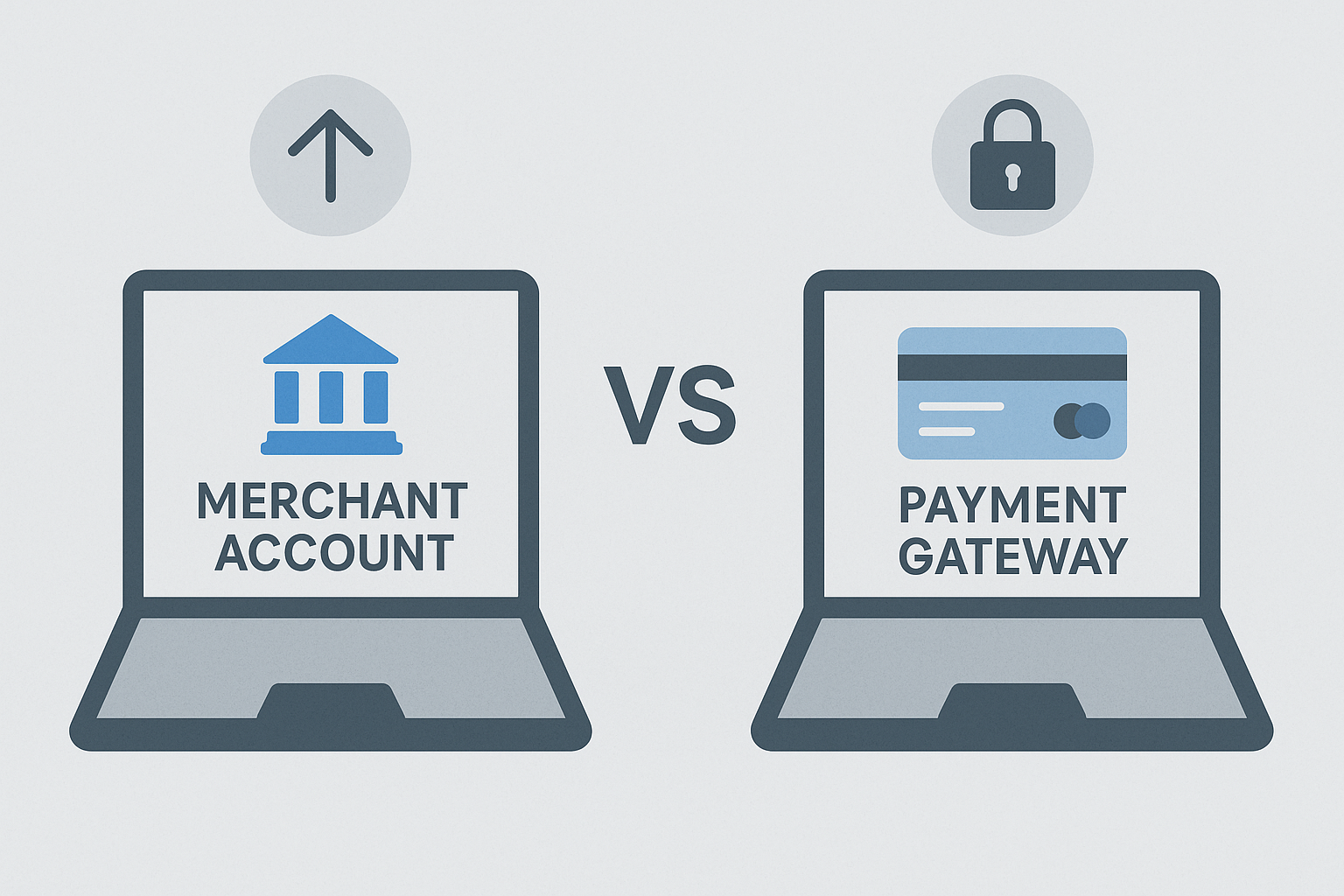
If you accept online payments, a payment gateway fee may apply. Some providers charge a flat monthly gateway fee, while others bill per transaction. These fees are often overlooked when comparing processors.
Statement and Reporting Fees
Some processors charge for paper statements, online reporting, or detailed transaction summaries. These charges can look minor individually, but they can add unnecessary overhead month after month.
Early Termination Fees
Contracts with long terms may include an early termination fee if you switch providers before the agreement ends. This can be especially costly if the contract also has auto-renewal clauses.
Chargeback Fees
When a customer disputes a transaction, you may be charged a chargeback fee whether or not you win the case. Some processors also add administrative costs for handling the dispute.
Why Hidden Merchant Fees Matter
Hidden fees do more than increase expenses. They make it harder to understand your true cost of acceptance, which affects pricing, forecasting, and profitability. A business may think it is paying a low processing rate, only to discover that the effective rate is much higher after all fees are included.
For small businesses, even a few extra percentage points can make a noticeable difference. For high-volume merchants, small hidden charges can translate into thousands of dollars per year. In competitive industries, that lost margin can impact hiring, inventory, marketing, and growth.
How Hidden Merchant Fees Show Up in Contracts
Merchant agreements are often written in dense language and can be difficult to compare. Hidden fees are frequently tucked into pricing schedules, addenda, or footnotes rather than highlighted in the sales pitch.
Watch for phrases such as “may apply,” “as needed,” “at processor discretion,” or “subject to change.” These vague terms can give providers room to add fees later or interpret charges broadly. Also pay attention to minimum monthly commitments, statement cycles, and conditions tied to volume thresholds.
Another common tactic is tiered pricing that looks simple on the surface but masks higher effective rates. If a plan advertises a low starting rate, make sure you understand which transactions qualify and what happens when they do not.
How to Identify Hidden Merchant Fees Before You Sign
The best way to avoid surprise charges is to review every part of the offer carefully before signing. Start by asking for a full fee schedule in writing. If a sales rep is reluctant to provide one, that is a warning sign.
Compare the effective rate, not just the headline rate. Effective rate includes all fees divided by total card sales, giving you a clearer picture of the real cost. Ask how often fees are charged, whether they are fixed or percentage-based, and whether they increase over time.
It also helps to request sample statements. A sample statement can reveal how charges will appear in practice and whether certain fees are harder to track. If possible, have a trusted accountant or financial advisor review the contract with you.
How to Reduce or Avoid Hidden Merchant Fees
While not every fee can be eliminated, many can be reduced with the right strategy.
First, negotiate. Merchant pricing is often more flexible than it seems, especially if your business has strong volume or low chargeback risk. Ask for fees to be waived, reduced, or capped. Even small concessions can add up over time.
Second, choose transparent pricing models. Flat-rate or interchange-plus pricing is often easier to understand than complex tiered structures. Transparency makes it easier to compare providers and spot changes on your statement.
Third, keep your account in good standing. Reducing chargebacks, maintaining PCI compliance, and batching transactions consistently can help avoid avoidable penalties. Good payment hygiene often translates into lower costs.
Fourth, review your statements every month. Many businesses only look at the total amount charged and never inspect the details. A monthly review can help you catch new fees, rate increases, or billing errors before they become routine.
Questions to Ask Your Payment Processor
Before signing an agreement, ask direct questions to uncover the true cost of service:
- What is the effective processing rate after all fees?
- Are there monthly, annual, or statement fees?
- Do you charge PCI compliance or non-compliance fees?
- Are there gateway, batch, or settlement fees?
- Is there an early termination fee or auto-renewal clause?
- What chargeback fees apply, and are there dispute handling costs?
- Can any fees be waived or capped in writing?
If the answers are vague, inconsistent, or only provided verbally, ask for clarification in writing. Clear documentation protects you later if billing disputes arise.
When Hidden Merchant Fees Are a Red Flag
Some fee structures are normal, but repeated surprises should raise concern. Be cautious if a processor offers unusually low advertised rates but avoids sharing a full pricing breakdown. Also watch out for automatic price increases, confusing termination terms, and unexplained charges that appear without notice.
Another red flag is pressure to sign quickly. Reputable providers should be willing to explain their pricing clearly and give you time to review the agreement. A rushed decision often benefits the seller more than the merchant.
Conclusion
Hidden merchant fees can quietly erode profits, but they do not have to be accepted as a cost of doing business. By reviewing contracts carefully, asking the right questions, and monitoring statements regularly, you can better understand what you are really paying for payment processing. A little diligence upfront can save significant money over time.