What Is E-commerce Payment Processing?
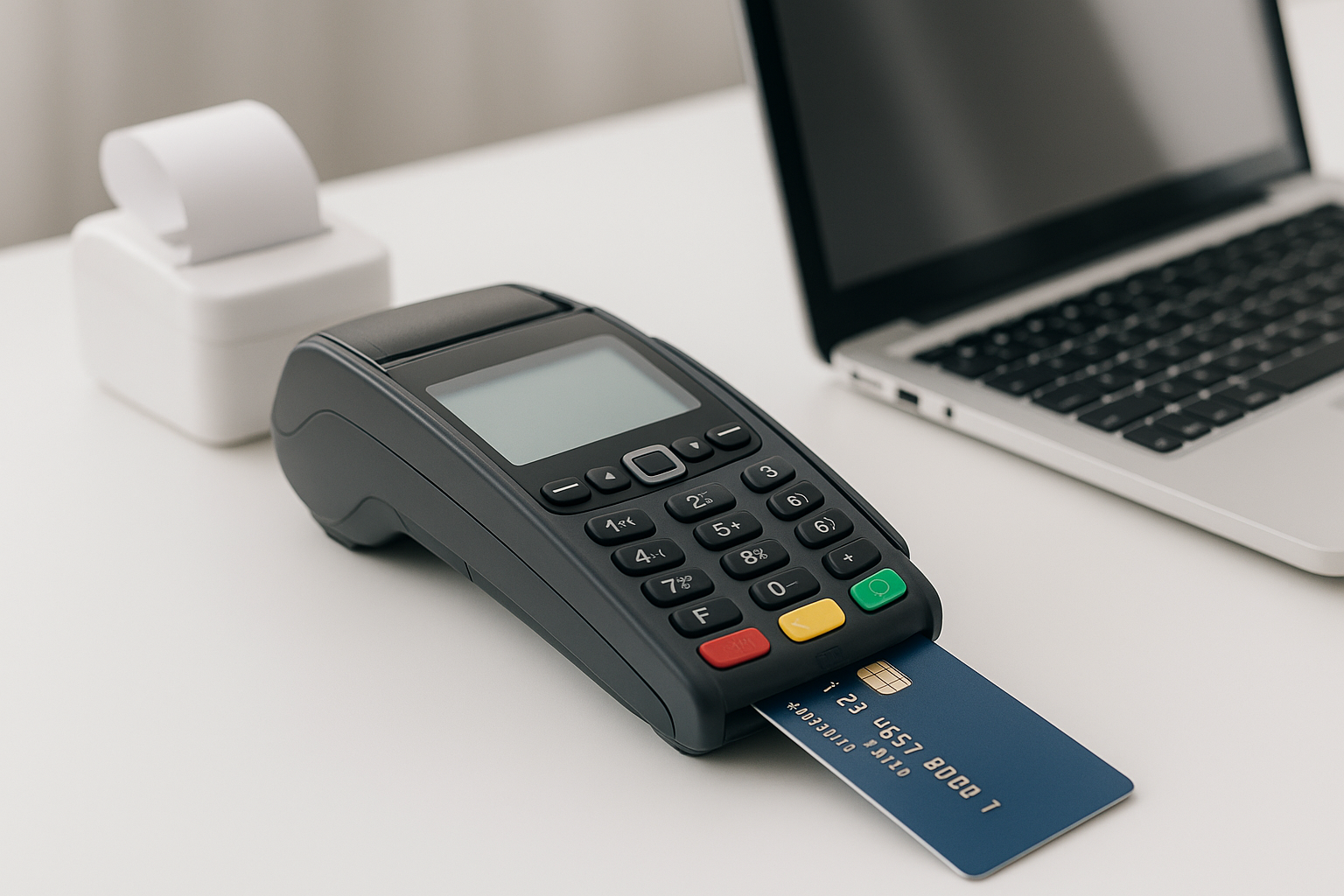
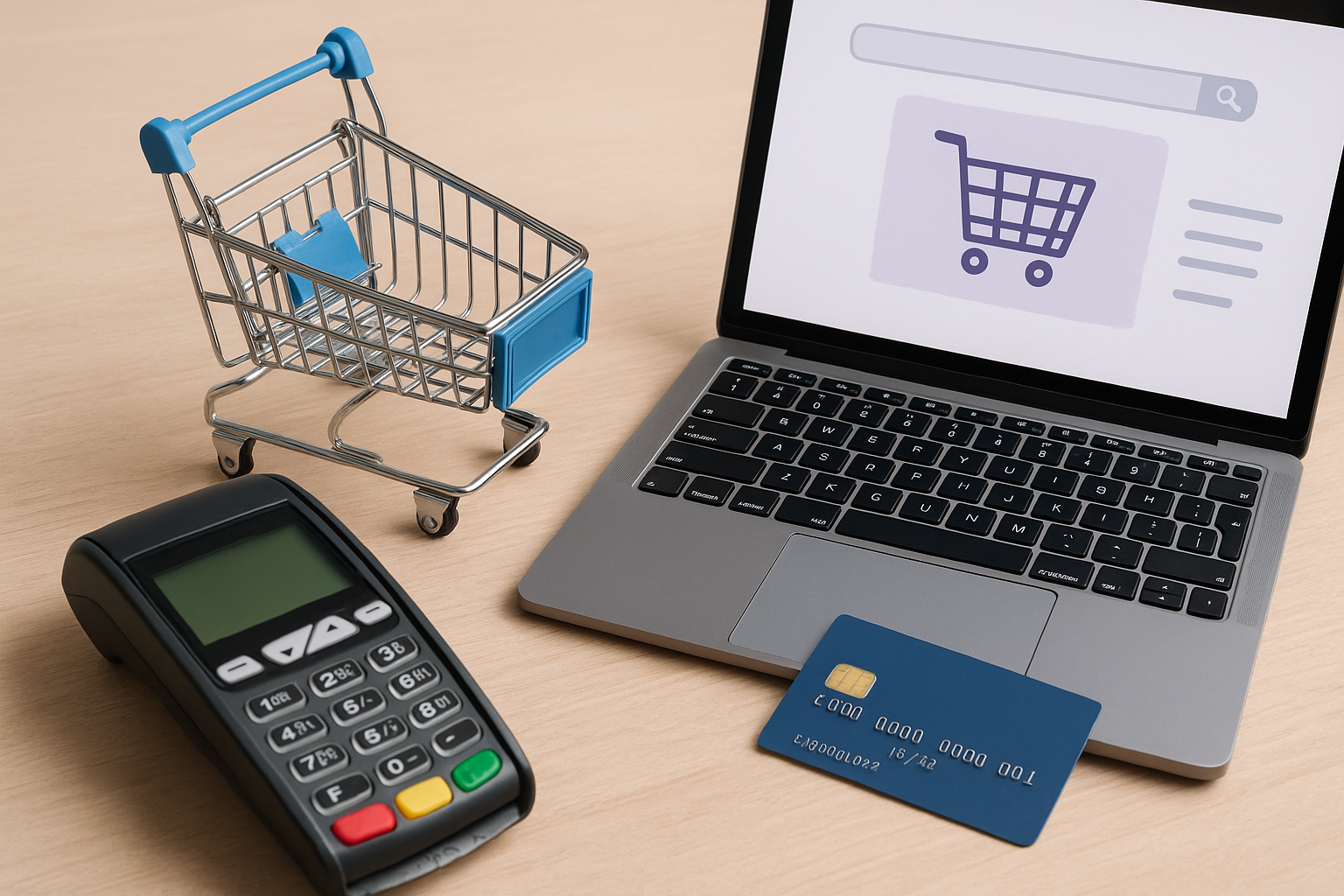
E-commerce payment processing is the system that enables online stores to accept payments from customers securely and efficiently. It connects your website, payment gateway, acquiring bank, card networks, and the customer’s bank to move money from buyer to seller.
In simple terms, it is the behind-the-scenes workflow that makes “Buy Now” possible. When a customer enters payment details at checkout, the payment processor verifies the information, checks for fraud, routes the transaction, and helps transfer funds into your business account.
For online businesses, payment processing is more than a technical requirement. It directly affects conversion rates, customer trust, cash flow, and the overall checkout experience. A smooth payment process can reduce cart abandonment and increase repeat purchases, while a confusing or unreliable one can drive shoppers away.
How the E-commerce Payment Process Works
Although the process happens in seconds, several parties are involved in every transaction. Understanding the flow helps you choose the right solution and troubleshoot issues when they arise.
1. Customer initiates payment
The process begins when a shopper selects products, proceeds to checkout, and submits payment details such as a credit card, debit card, digital wallet, or alternative payment method.
2. Payment gateway captures and encrypts data
The payment gateway securely transmits the customer’s payment information from your website to the processor. Encryption protects sensitive data during transmission and helps keep it out of reach of unauthorized users.
3. Processor sends the request to the card network
The payment processor forwards the transaction to the relevant card network, such as Visa, Mastercard, or American Express. If the payment method is a wallet or bank transfer, the processor routes it through the appropriate payment rail.
4. Issuing bank approves or declines
The cardholder’s bank reviews the transaction for available funds, identity verification, spending limits, and fraud signals. It then approves or declines the request and sends the response back through the network.
5. Funds are captured and settled
If approved, the transaction is authorized. Later, the funds are captured and settled, meaning the money moves from the customer’s bank to the merchant account, minus processing fees. Settlement timelines vary depending on the provider and payment method.
Key Components of a Payment Processing System
To operate efficiently, an e-commerce payment setup typically includes several core components. Each one serves a distinct role in accepting and securing payments.
Payment gateway
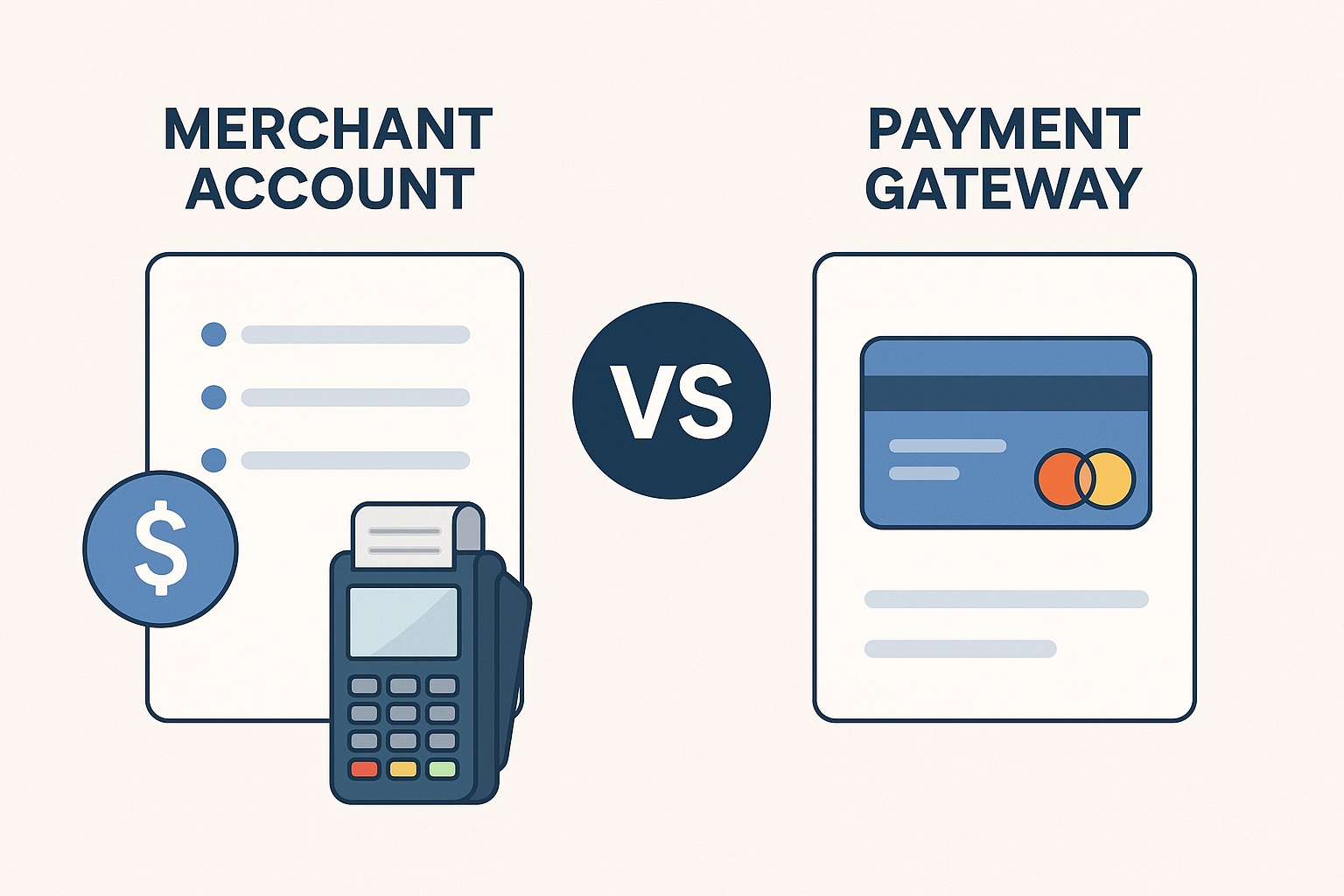
The gateway is the technology that securely collects payment information at checkout and sends it to the processor. It often provides fraud screening, tokenization, and checkout customization features.
Payment processor
The processor communicates with banks and card networks to authorize, capture, and settle transactions. It is the operational engine of the payment flow.
Merchant account
A merchant account temporarily holds funds after a sale is approved and before they are deposited into your business bank account. Some providers bundle this with processor services, while others separate them.
Acquiring bank
The acquiring bank, or acquirer, works with the merchant and facilitates the acceptance of card payments. It is the financial institution that receives the funds on behalf of the business.
Fraud prevention tools
Fraud detection tools help identify suspicious transactions before they are completed. These may include address verification, CVV checks, device fingerprinting, machine learning rules, and manual review workflows.
Types of E-commerce Payment Methods
Today’s shoppers expect flexibility at checkout. Offering the right payment methods can improve conversions and help you serve different customer preferences and markets.
Credit and debit cards
Cards remain the most widely used online payment method. They are familiar, fast, and supported by nearly every e-commerce platform and processor.
Digital wallets
Wallets such as Apple Pay, Google Pay, and PayPal allow customers to pay without manually entering card details. This often creates a faster checkout experience and can lower abandonment rates.
Bank transfers and ACH
Bank-based payments are useful for larger purchases, recurring billing, and B2B transactions. They can also reduce processing fees compared to card payments.
Buy Now, Pay Later
Buy Now, Pay Later services let customers split purchases into installments. This can increase average order value, though merchants should evaluate fee structures and risk carefully.
Local and alternative payment methods
Depending on your audience, you may need support for regional payment methods such as iDEAL, Klarna, Bancontact, or cash-based vouchers. These methods can be essential for international expansion.
Why Payment Processing Matters for Online Stores
Payment processing influences nearly every part of the customer journey and business operations. A strong setup helps you grow revenue while minimizing friction and risk.
Improves conversion rates
A quick, intuitive checkout experience reduces the chance that customers abandon their carts. Supporting preferred payment methods and minimizing unnecessary steps can make a measurable difference.
Builds trust
Customers are more likely to complete a purchase when they see familiar payment options and secure checkout indicators. Trust is especially important for first-time buyers and higher-value orders.
Supports cash flow
Fast settlement times help businesses access revenue sooner. Predictable cash flow makes it easier to manage inventory, marketing spend, payroll, and supplier payments.
Reduces fraud and chargebacks
Advanced fraud tools help prevent unauthorized transactions and reduce costly chargebacks. Lower fraud rates also protect your reputation with payment providers.
Enables growth and expansion
The right payment infrastructure makes it easier to expand into new markets, offer subscriptions, and support mobile commerce. Scalable processing becomes increasingly important as your business grows.
How to Choose the Right Payment Processor
Not all payment processors are the same. The right choice depends on your business model, average order value, sales volume, and target markets.
Compare fees
Look closely at transaction fees, monthly fees, setup costs, chargeback fees, and international payment costs. The cheapest headline rate is not always the best value once all charges are included.
Check supported payment methods
Make sure the provider supports the payment options your customers want most. If you sell internationally, verify that local methods and multiple currencies are available.
Evaluate security features
Security should be a top priority. Choose a processor with strong fraud detection, tokenization, PCI compliance support, and robust data protection practices.
Review integration options
Your payment processor should integrate smoothly with your e-commerce platform, shopping cart, accounting software, and CRM tools. Good integrations save time and reduce errors.
Assess customer support
Payment issues can directly affect revenue, so responsive support matters. Look for providers with reliable onboarding help, technical assistance, and clear dispute resolution processes.
Best Practices for Secure and Efficient Payment Processing
Even with a strong processor, your internal practices play a major role in keeping payments secure and efficient.
Use SSL and HTTPS
Always secure your website with SSL encryption and HTTPS. This helps protect customer data during checkout and signals that your store is trustworthy.
Minimize checkout friction
Keep checkout simple by reducing form fields, allowing guest checkout, and offering multiple payment options. The easier the process, the more likely customers are to complete it.
Monitor fraud patterns
Review suspicious transactions, unusual order sizes, and repeated failed attempts. Early detection can help you stop fraud before it becomes a larger problem.
Stay PCI compliant
If you handle card payments, you need to follow PCI DSS requirements. Compliance helps protect cardholder data and reduces the risk of costly breaches.
Test regularly
Test your checkout flow, payment integrations, and mobile experience frequently. Regular testing helps catch technical problems before they affect customers.
Conclusion
E-commerce payment processing is a critical part of online selling, shaping everything from user experience to revenue protection. By understanding how it works, choosing the right provider, and following security best practices, you can create a checkout process that is fast, reliable, and customer-friendly. The result is a stronger foundation for growth and a better shopping experience for every buyer.