What Are Contactless Payments?
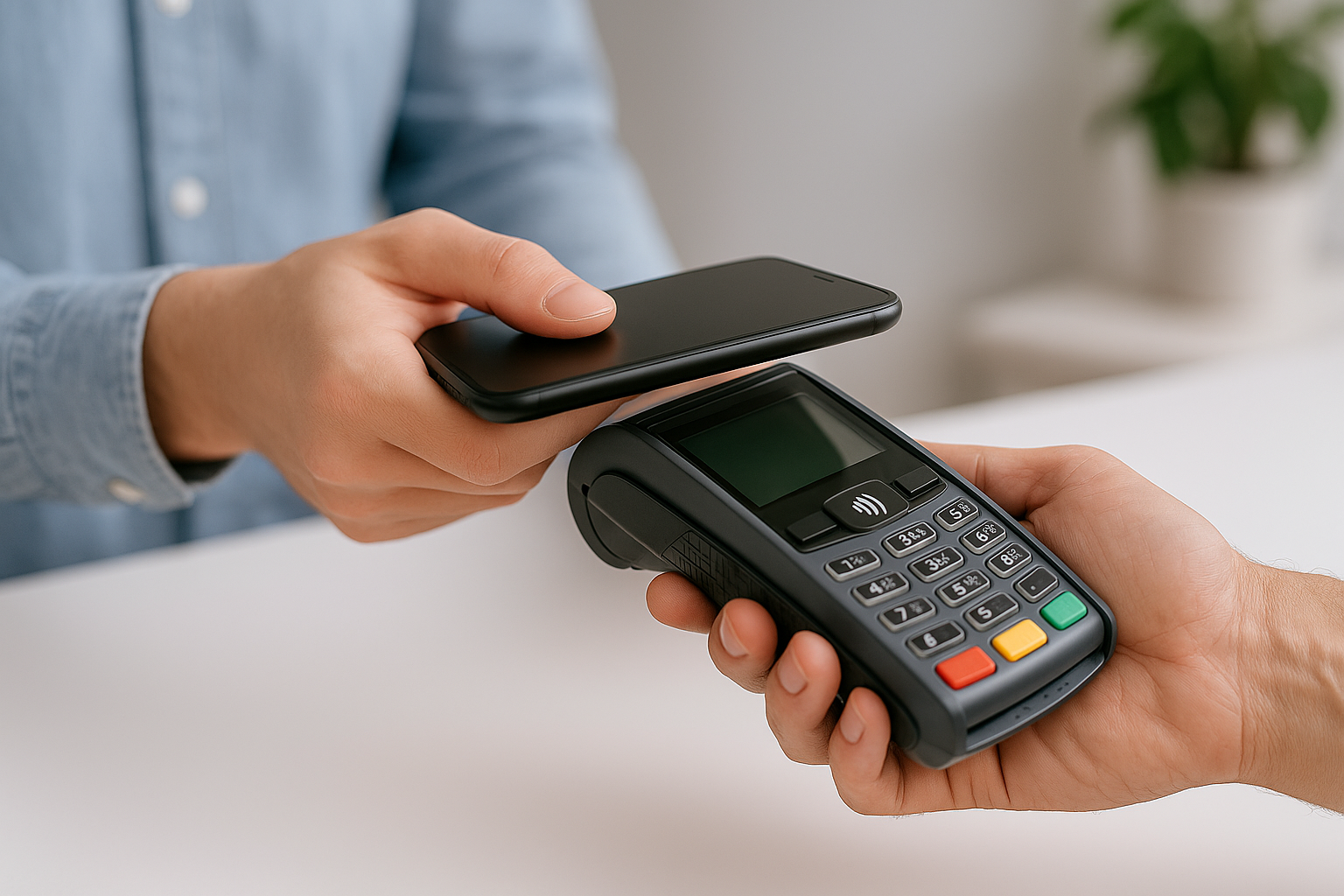
Contactless payments are a fast and convenient way to pay without physically inserting a card or handing cash to a cashier. Instead, you simply tap your card, smartphone, smartwatch, or another enabled device near a payment terminal to complete the transaction. This technology uses short-range wireless communication, most often Near Field Communication (NFC), to securely transmit payment information.
Over the past decade, contactless payments have moved from a nice-to-have feature to a mainstream payment method. They are now common in retail stores, public transportation, restaurants, coffee shops, and even vending machines. The appeal is easy to understand: they save time, reduce friction at checkout, and fit naturally into a more digital, on-the-go lifestyle.
How Contactless Payments Work
Contactless payments work by using a payment-enabled card or device and a terminal that can accept tap-to-pay transactions. When you hold your card or phone near the reader, the devices communicate wirelessly over a very short distance, usually just a few centimeters. The terminal then processes the payment through the card network and the merchant’s payment processor.
In most cases, the actual card number is not sent during the transaction. Instead, secure tokenization or encryption is used to protect sensitive data. This means your real payment details are replaced with a temporary code or token, making it much harder for fraudsters to steal usable information.
Here is the basic process:
- The customer taps a contactless card or device on the payment terminal.
- The terminal reads encrypted payment data.
- The payment network verifies the transaction.
- The issuer approves or declines the payment.
- The transaction is completed in seconds.
Common Types of Contactless Payments
There are several forms of contactless payment options available today:
- Contactless debit and credit cards: These cards include a built-in chip and wireless antenna for tap-to-pay purchases.
- Mobile wallets: Services like Apple Pay, Google Pay, and Samsung Pay allow users to pay using their smartphones.
- Wearables: Smartwatches, fitness bands, and other connected devices can also be used for contactless transactions.
- Transit cards and access cards: Many transportation systems and workplaces use contactless technology for entry and fare collection.
Benefits of Contactless Payments
Contactless payments offer benefits for both consumers and businesses. Their popularity continues to grow because they make everyday transactions quicker, easier, and often safer.
Speed and Convenience
The biggest advantage of contactless payments is speed. Tapping a card or phone takes only a second or two, which is much faster than inserting a chip card or counting cash. For busy coffee shops, grocery stores, and transit systems, these saved seconds can make a noticeable difference.
Convenience also matters. You do not need to carry exact change or remember a PIN for smaller purchases in many cases. A simple tap is often enough, making checkout smoother and less stressful.
Improved Hygiene
Contactless payments became especially popular during periods when minimizing physical contact was important. Because customers do not need to touch terminals as much, tap-to-pay offers a cleaner, more hygienic checkout experience compared with cash or chip cards.
Security Features
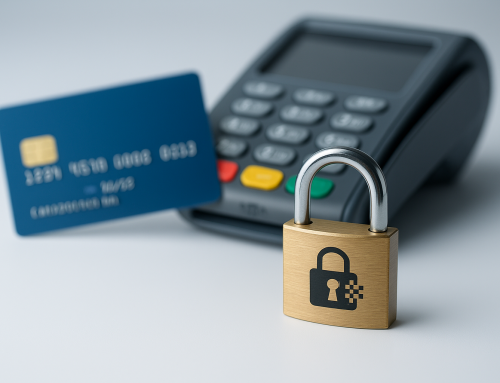
Although tapping a card or phone may seem simpler, contactless payments are designed with security in mind. Tokenization, encryption, and device authentication all help protect the user’s information. In many mobile wallet systems, the user must unlock the device with a passcode, fingerprint, or facial recognition before payment can be made.
Also, because the card or device must be held very close to the terminal, accidental payments are unlikely. The short transmission range adds another layer of protection.
Better Customer Experience
For merchants, offering contactless payments can improve customer satisfaction and reduce checkout lines. A faster, more flexible payment experience often leads to happier customers and a more efficient business operation. In competitive markets, small improvements in checkout speed can have a real impact on loyalty and repeat visits.
Are Contactless Payments Secure?
One of the most common questions people ask is whether contactless payments are safe. The short answer is yes, they are generally very secure when used properly. In fact, they often provide stronger protection than traditional magnetic stripe cards, which are easier to clone or skim.
Several security measures help protect contactless transactions:
- Tokenization: Replaces the card number with a unique token.
- Encryption: Scrambles payment data so it cannot be easily read.
- Device authentication: Requires a passcode, fingerprint, or face scan for mobile payments.
- Transaction limits: Some cards or regions set limits for tap payments without additional verification.
That said, users should still take basic precautions. Keep your card and phone secure, monitor statements regularly, and use strong device authentication. If your card is lost or stolen, report it quickly to your bank or card issuer.
Where Contactless Payments Are Used
Contactless payments are now accepted in a wide range of places. Retail stores were among the earliest adopters, but the technology has expanded far beyond traditional checkout counters.
- Retail and grocery stores: Tap-to-pay is common at point-of-sale terminals.
- Restaurants and cafes: Customers can pay quickly at the counter or table.
- Public transportation: Many buses, trains, and metro systems now accept tap payments.
- Entertainment venues: Stadiums, cinemas, and event spaces use contactless systems for ticketing and concessions.
- Online-to-offline services: Some apps and in-person pickup locations use contactless payments to streamline service.
As more businesses upgrade their terminals, acceptance continues to grow. In many regions, contactless payment is no longer an optional feature—it is becoming the expected standard.
Contactless Payments for Businesses
For businesses, accepting contactless payments can offer practical advantages. Faster transactions help reduce queues, improve throughput, and create a more modern brand experience. This can be especially useful for businesses with high foot traffic or short service windows.
To support contactless payments, merchants need compatible payment terminals and a processor that supports tap-to-pay functionality. Many modern point-of-sale systems already include this capability, making adoption easier than it used to be. Businesses should also train staff to recognize different contactless payment methods and guide customers when needed.
In addition to operational benefits, offering contactless options can help a business stay competitive. Customers increasingly expect flexible payment choices, and businesses that meet those expectations are more likely to earn trust and repeat sales.
The Future of Contactless Payments
Contactless payments are likely to become even more common in the years ahead. As digital wallets, wearable devices, and connected ecosystems continue to grow, payment experiences will become more seamless and integrated into daily life. We may also see broader use of biometric authentication, smarter fraud detection, and expanded acceptance in industries that were slower to adopt tap-to-pay systems.
In the future, contactless payments may not just be a checkout convenience—they may become the default way people pay in stores, on transit systems, and across many service-based industries. The shift toward faster and more secure transactions shows no sign of slowing down.
Conclusion
Contactless payments have changed the way people pay by making transactions faster, easier, and more secure. Whether you use a tap-to-pay card, a smartphone, or a smartwatch, the benefits are clear: less waiting, more convenience, and a smoother checkout experience. As more businesses and consumers embrace this technology, contactless payments are set to remain an important part of the modern payment landscape.