Introduction
Credit card fraud can happen to almost anyone. Criminals use stolen card numbers, phishing emails, data breaches, skimmers, and account takeover tactics to make unauthorized purchases or steal sensitive information. The good news is that most fraud can be prevented—or stopped early—when you know what to watch for and how to respond. A few smart habits can significantly reduce your risk and help you protect both your finances and your identity.
Why Credit Card Fraud Happens
Fraudsters look for weak points: unsecured websites, reused passwords, public Wi-Fi, fake customer service calls, and physical cards left unprotected. They often rely on urgency and confusion, hoping you will click a bad link, share a code, or overlook a suspicious charge. Because credit cards are widely accepted and easy to use, stolen card details can be quickly converted into purchases, cash equivalents, or resale value.
Understanding how fraud happens is the first step toward prevention. Once you know the common tactics, it becomes easier to spot red flags before they turn into losses.
Best Practices for Credit Card Fraud Prevention
1. Review your statements regularly
Check your credit card activity at least once a week, or turn on real-time alerts through your card issuer’s app. Look for unfamiliar charges, duplicate transactions, small “test” purchases, or charges from merchants you do not recognize. Fraudsters sometimes begin with a minor transaction to see whether the card is active before making larger purchases.
If something looks odd, do not ignore it. The sooner you report suspicious activity, the easier it is to limit the damage.
2. Use strong, unique passwords
Your online card accounts, banking portals, and shopping accounts should each have a unique password. A password manager can generate and store strong credentials so you do not have to reuse the same one everywhere. If a fraudster gets access to one account, reused passwords can quickly expose others.
Whenever possible, enable multi-factor authentication. This extra step makes it harder for someone to log in, even if they know your password.
3. Be careful with phishing emails and texts
Phishing messages often pretend to be from your bank, card issuer, delivery service, or a well-known retailer. They may claim there is a problem with your account or ask you to verify a purchase immediately. These messages usually create urgency so you act before thinking.
Do not click suspicious links or open unexpected attachments. Instead, go directly to the company’s official website or call the number on the back of your card. Legitimate institutions will not pressure you to share your password or one-time verification code by email or text.
4. Shop only on secure websites
Before entering card details online, make sure the site uses HTTPS and comes from a reputable merchant. Be cautious with unfamiliar stores, especially if prices seem too good to be true. Scammers often create professional-looking websites to collect payment information and disappear.
When possible, use digital wallets or payment services that mask your card number. These tools can add another layer of security by keeping your actual card details private during transactions.
5. Protect your card in public
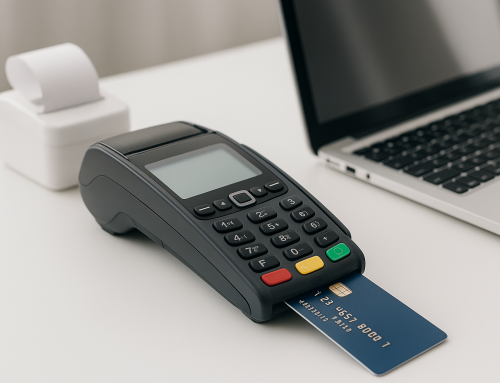
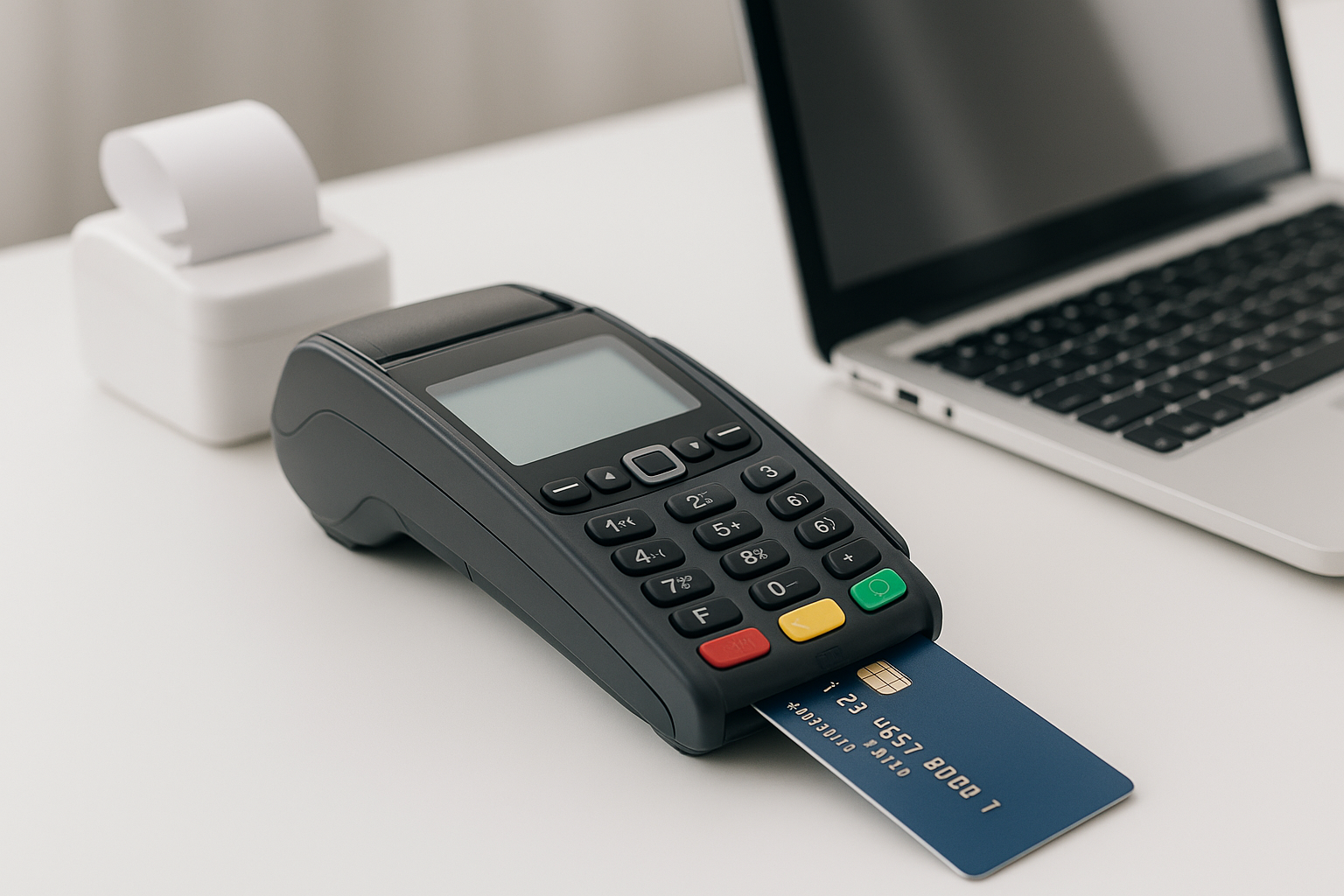
Physical cards can still be compromised through skimming devices at gas pumps, ATMs, or point-of-sale terminals. Whenever possible, use card readers in secure, well-lit areas, and inspect them for loose parts or unusual attachments. If you notice a tampered device, do not use it and report it to the merchant or location owner.
Also keep your wallet, purse, and card receipts secure. A stolen physical card can be used quickly if it is not noticed right away.
6. Avoid public Wi-Fi for financial transactions
Public Wi-Fi networks can be convenient, but they are often less secure than private connections. Fraudsters may monitor traffic or create fake hotspots that look legitimate. Avoid logging into banking or card accounts on public networks whenever possible.
If you must access financial accounts while away from home, use your phone’s secure mobile data connection or a trusted virtual private network (VPN).
7. Set up spending alerts and account notifications
Many card issuers allow you to receive text, email, or app alerts for purchases, cash advances, online transactions, or card-not-present activity. These alerts help you detect fraud quickly and can also remind you when you spend more than expected.
Choose notifications that fit your habits. For example, alerts for all transactions or any charge over a certain amount can provide useful early warning without becoming overwhelming.
8. Freeze or lock your card when not in use
Some card issuers let you temporarily lock a card through a mobile app. This can be a helpful option if you misplace your wallet, travel less often, or simply want added control over when the card can be used. If the card is locked, new transactions are typically blocked until you unlock it.
This feature can be especially useful as a short-term safeguard while you search for a lost card or verify suspicious activity.
9. Monitor your credit reports
Fraud does not always start with a charge. Sometimes criminals use stolen information to open new accounts in your name. Reviewing your credit reports can help you spot unfamiliar accounts, hard inquiries, or address changes that may indicate identity theft.
You can request your credit reports from the major credit bureaus and check them for errors or suspicious activity. If needed, you may also place a fraud alert or credit freeze to make new-account fraud harder.
10. Act quickly if fraud occurs
If you see unauthorized charges, contact your card issuer immediately. Most issuers have 24/7 fraud departments that can freeze the card, reverse charges, and issue a replacement. Change the passwords for any related online accounts, especially if your card information may have been exposed through a retailer or phishing scam.
Keep records of the suspicious transactions, dates, and any communications you send. Prompt action can limit liability and help investigators trace the source of the fraud.
Simple Habits That Make a Big Difference
Credit card fraud prevention is not about one big fix. It is about building small, consistent habits that reduce opportunities for criminals. Check your accounts often, use secure passwords, stay skeptical of urgent messages, and protect your card information both online and offline. The more layers of protection you use, the harder it becomes for fraudsters to succeed.
Conclusion
Credit card fraud is a persistent threat, but it is manageable with the right precautions. By staying alert, using secure payment practices, and responding quickly to suspicious activity, you can protect your accounts and minimize financial risk. A few minutes of prevention today can save you from a major headache tomorrow.