Credit Card Fraud Prevention: Practical Ways to Protect Yourself and Your Business
Credit card fraud is one of the most common forms of financial crime, and it continues to evolve as more purchases move online and more personal information is stored digitally. Whether you are a consumer, a small business owner, or part of a larger organization, understanding how fraud happens and how to prevent it can save time, money, and stress. The good news is that many fraud attempts can be stopped with a few smart habits and the right security tools.
What Is Credit Card Fraud?
Credit card fraud occurs when someone uses a card, card number, or cardholder information without authorization to make purchases, withdraw cash, or commit other financial crimes. It can happen through stolen physical cards, skimmed payment data, phishing emails, hacked websites, data breaches, or account takeovers.
Fraud does not always involve a stolen wallet. In many cases, criminals only need a card number, expiration date, and security code to make fraudulent online purchases. Because card-not-present transactions are harder to verify, online shopping and recurring billing can be attractive targets.
Common Types of Credit Card Fraud
Card-Not-Present Fraud
This type of fraud happens when a card is used online, over the phone, or through mail order without the physical card being shown. It is one of the most frequent forms of fraud because only card details are needed.
Card Skimming
Skimming occurs when criminals use a small device to capture card data from ATMs, gas pumps, or point-of-sale terminals. Some fraudsters also use hidden cameras or tamper with payment devices to steal PINs and other sensitive information.
Account Takeover
In an account takeover, a criminal gains access to a cardholder’s online account using stolen login credentials. Once inside, they may change contact details, make purchases, or request replacement cards.
Phishing and Social Engineering
Fraudsters often send fake emails, texts, or phone calls pretending to be banks, payment processors, or retailers. Their goal is to trick victims into revealing card numbers, passwords, one-time codes, or other sensitive details.
Lost or Stolen Card Fraud
Even with strong digital protections, a lost or stolen card can still be used fraudulently if it is not reported quickly. Fast action is key to limiting charges and stopping continued misuse.
How to Prevent Credit Card Fraud
Use Strong Passwords and Multi-Factor Authentication
Protect online card accounts with unique, complex passwords that are not reused elsewhere. Enable multi-factor authentication whenever possible. Even if a password is compromised, an additional verification step can stop unauthorized access.
Monitor Statements and Alerts Regularly
Review card statements frequently for unfamiliar charges, even small ones. Fraudsters sometimes test a card with a tiny transaction before making larger purchases. Set up text or email alerts for purchases, cash advances, account changes, and login attempts so suspicious activity is caught early.
Shop Securely Online
Only enter card details on websites you trust. Look for HTTPS in the address bar, verify the retailer’s reputation, and avoid making purchases over public Wi-Fi unless you are using a secure connection. Be cautious with links in emails or social media ads, especially if the deal looks unusually good.
Keep Card Details Private
Never share your card number, expiration date, CVV, or one-time verification codes unless you are certain you are dealing with a legitimate merchant or financial institution. Banks will not ask for sensitive information through suspicious emails or unsolicited texts.
Use Digital Wallets When Possible
Mobile wallets and tokenized payment methods can reduce fraud risk because they do not always share the actual card number with merchants. Instead, they use encrypted tokens, which are less useful to criminals if intercepted.
Protect Physical Cards and Devices
Keep your wallet, cards, and phones secure. If you use a debit or credit card at ATMs or gas stations, inspect the terminal for signs of tampering. On your devices, install updates promptly and use screen locks, device tracking, and remote wipe features.
Fraud Prevention Tips for Businesses
Implement Payment Security Standards
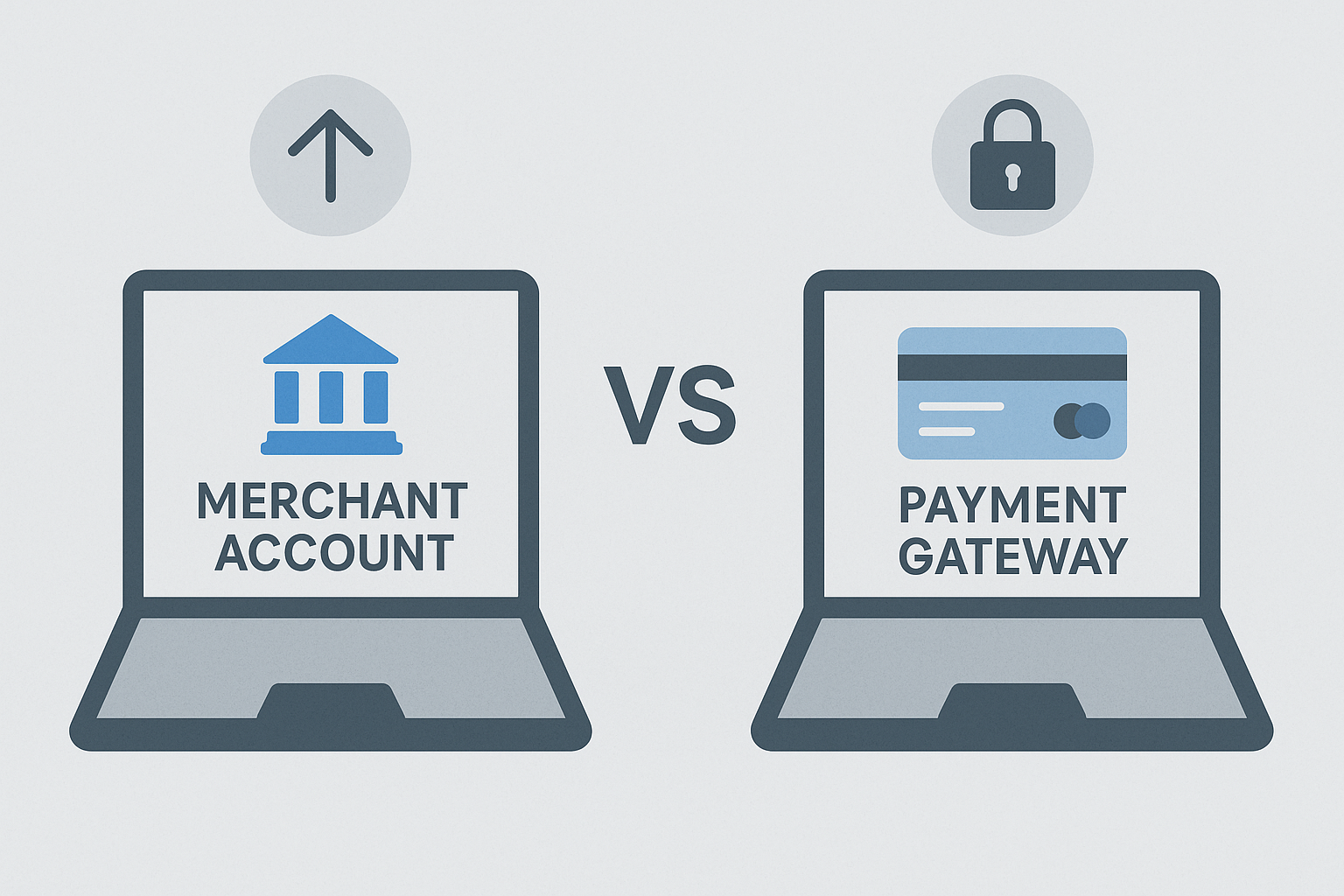
Businesses that process card payments should follow PCI DSS guidelines and use secure payment gateways. Compliance alone does not eliminate risk, but it creates a stronger security foundation for handling customer data responsibly.
Train Employees to Spot Suspicious Activity
Employees should know how to recognize phishing messages, unusual refund requests, altered shipping addresses, and mismatched billing details. A well-trained team can stop many fraud attempts before they become losses.
Use Fraud Detection Tools
Modern fraud prevention tools can flag high-risk transactions based on location, device fingerprinting, transaction velocity, and behavioral patterns. Businesses can also use address verification systems, card security checks, and risk scoring to reduce exposure.
Limit Access to Sensitive Information
Not every employee needs access to full card data or customer account records. Restricting access based on role reduces the chances of internal misuse and limits damage if an account is compromised.
Respond Quickly to Suspicious Transactions
When a business detects unusual activity, it should act immediately. Freezing suspicious orders, contacting the customer, and reviewing payment logs can help prevent chargebacks and further fraud. Clear response procedures make a major difference in minimizing losses.
What to Do If You Suspect Fraud
If you believe your card has been compromised, contact your card issuer right away to report the issue and freeze or cancel the card if needed. Review recent transactions, dispute unauthorized charges, and change passwords on related accounts. If the fraud involves identity theft, consider placing a fraud alert or credit freeze with the credit bureaus. For businesses, preserve logs and transaction records so the incident can be investigated properly.
Conclusion
Credit card fraud prevention starts with awareness, but it succeeds through consistent habits and strong security controls. By staying alert, using safer payment methods, and monitoring accounts closely, consumers can reduce their risk significantly. Businesses can go further by training staff, securing systems, and using fraud detection tools. A proactive approach is the best defense against today’s fast-moving fraud tactics.