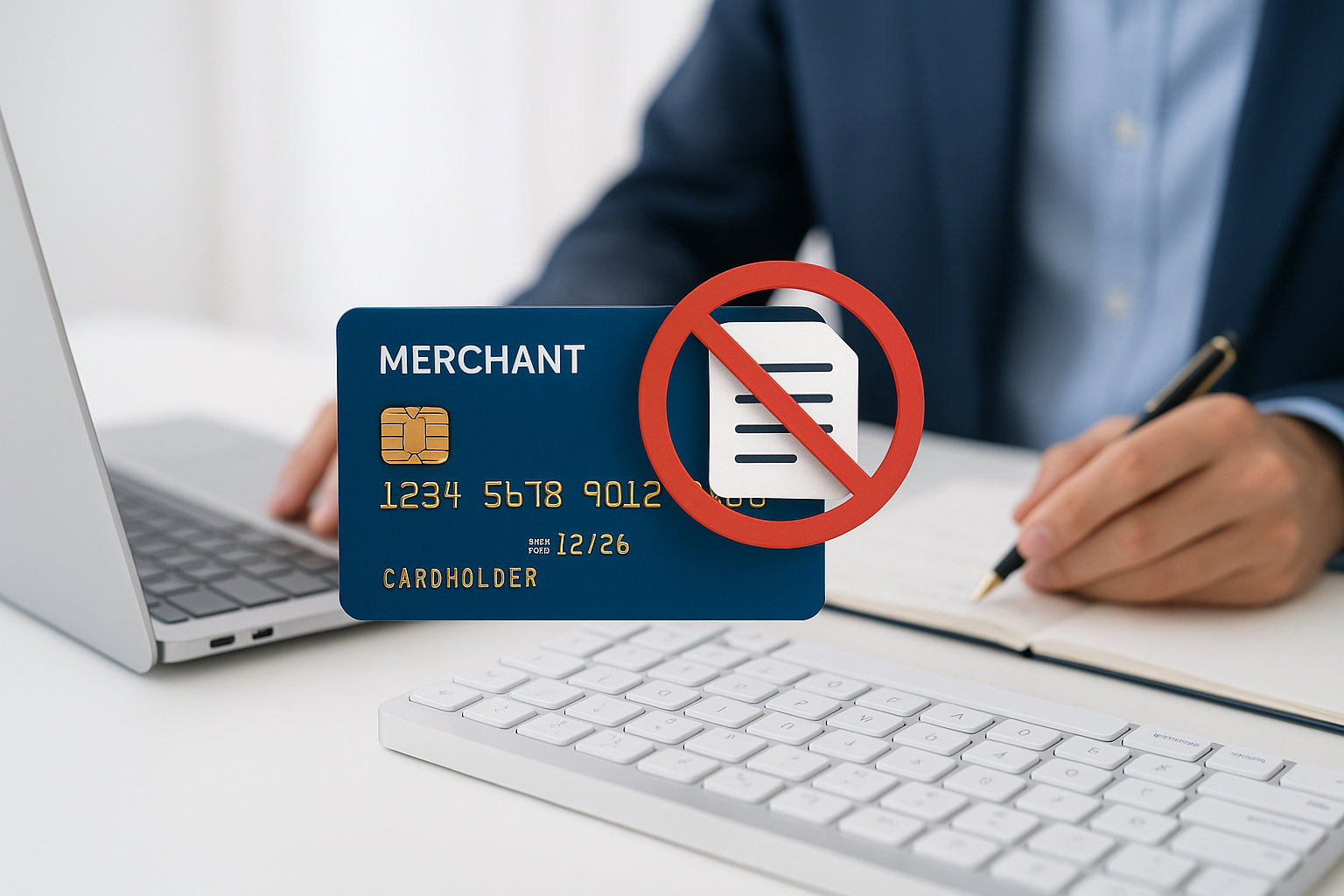
Chargebacks are more than an inconvenience. They can drain revenue, increase processing costs, damage your reputation with customers and banks, and even put your merchant account at risk if they happen too often. The good news is that many chargebacks are preventable with the right processes in place.
In this guide, we’ll walk through practical, proven ways to reduce chargebacks before they happen. Whether you run an online store, subscription business, or service-based company, these steps can help protect your revenue and build stronger customer relationships.
Understand Why Chargebacks Happen
The first step in preventing chargebacks is understanding the most common causes. Not every chargeback is the result of fraud. In many cases, customers file disputes because they don’t recognize a charge, forget about a subscription renewal, or feel they didn’t get what they expected.
Common chargeback triggers include:
- Unauthorized transactions or actual fraud
- Friendly fraud, where a customer disputes a legitimate purchase
- Confusing billing descriptors on statements
- Delayed shipping or poor fulfillment
- Product not matching the description
- Difficulty reaching customer support
- Recurring billing misunderstandings
When you know what causes chargebacks, you can address the root problems instead of only reacting after the dispute arrives.
Use Clear Billing Descriptors
Many chargebacks start with confusion. If a customer sees a charge they do not recognize, they may contact their bank before contacting you. A clear billing descriptor helps customers identify your business quickly on their statement.
Best practices for billing descriptors
- Use your brand name whenever possible
- Avoid vague or abbreviated company names
- Include a phone number or website if supported by your processor
- Keep descriptors consistent across all transactions
It also helps to tell customers in advance what name will appear on their statement. A short note at checkout or in an order confirmation email can prevent a lot of confusion.
Offer Transparent Pricing and Policies
Surprise charges often lead to disputes. Customers should know exactly what they are paying, when they are paying it, and what they are agreeing to before they complete a purchase.
Make pricing easy to understand
- Display total costs clearly, including taxes, shipping, and fees
- Explain recurring billing terms in plain language
- Show trial length, renewal timing, and cancellation rules
- Avoid hidden fees or unclear upsells
Your refund, return, and cancellation policies should also be easy to find. If customers can quickly understand how to resolve an issue through you, they are less likely to go straight to their bank.
Strengthen Fraud Prevention at Checkout
Chargebacks caused by fraud can be reduced with smart checkout security. The goal is to verify legitimate customers without creating too much friction for honest buyers.
Useful fraud prevention tools
- AVS, or address verification
- CVV checks
- 3D Secure authentication
- Velocity checks for repeated attempts
- Device fingerprinting and risk scoring
Be especially careful with high-risk orders, such as unusually large purchases, mismatched shipping and billing addresses, or multiple orders from the same card in a short period. Review suspicious transactions before fulfillment when possible.
Deliver What You Promise
One of the fastest ways to trigger a chargeback is to disappoint the customer after the sale. If your product arrives late, looks different from the photos, or does not work as described, the customer may skip the usual complaint process and dispute the charge instead.
Reduce fulfillment-related disputes
- Set realistic delivery timelines
- Provide tracking information promptly
- Package items securely to prevent damage
- Quality-check products before shipping
- Keep product descriptions accurate and up to date
If delays happen, communicate early. A proactive email explaining the issue is often enough to prevent frustration from turning into a chargeback.
Provide Excellent Customer Support
Customers are much less likely to dispute a charge if they can easily reach a helpful support team. In many cases, chargebacks happen because the customer felt ignored or could not find a simple solution.
Support that reduces disputes
- Offer multiple contact options, such as email, chat, and phone
- Respond quickly to complaints and questions
- Train staff to handle billing concerns with empathy
- Keep records of customer conversations and resolutions
When a customer reaches out with a concern, solve the issue as quickly as possible. A refund, replacement, or explanation may be much less costly than losing a chargeback dispute.
Manage Subscription and Recurring Billing Carefully
Recurring payments are a common source of chargebacks, especially when customers forget about subscriptions or do not understand renewal terms. For subscription businesses, clarity and communication are essential.
How to reduce subscription disputes
- Send renewal reminders before the next billing date
- Make cancellation easy and visible
- Clearly explain billing frequency and trial conversion terms
- Use email confirmations for sign-up, renewal, and cancellation
Customers should never feel trapped in a subscription. A smooth cancellation process can actually reduce chargebacks and improve trust in your brand.
Keep Records and Documentation
If a chargeback does occur, strong documentation gives you a better chance of winning the dispute. More importantly, it can also help you identify patterns and prevent future issues.
Store the right evidence
- Order confirmations
- Shipping and tracking records
- Proof of delivery
- Refund and return records
- Customer emails or chat transcripts
- Signed contracts or service agreements
Look for trends in your disputes. If the same issue keeps appearing, such as a confusing descriptor or slow shipping, it is a sign that your process needs improvement.
Monitor Chargeback Ratios and Trends
Chargebacks should be tracked regularly, just like sales and revenue. Monitoring your chargeback ratio helps you catch problems early before they threaten your payment processing relationships.
What to watch
- Total number of chargebacks each month
- Chargeback ratio by product or service
- Reason codes from card issuers
- Repeat dispute patterns from the same customers
Use this data to spot trouble areas. You may find that a particular product line, marketing campaign, or fulfillment process is creating unnecessary disputes. Fixing these weak points can save significant money over time.
Use Chargeback Alerts and Dispute Tools
Chargeback alert services and dispute management tools can help you respond before a chargeback becomes final. In some cases, you can issue a refund or resolve the issue directly with the customer when alerted early enough.
These tools do not replace prevention, but they can reduce losses and give you another chance to protect revenue. If your business processes a high volume of transactions, they may be well worth the investment.
Train Your Team to Prevent Mistakes
Your staff plays a major role in chargeback prevention. Even a small mistake, such as inaccurate order notes or a missed customer complaint, can lead to a dispute later.
Train employees on key areas
- Clear communication with customers
- Fraud red flags
- Accurate order entry and fulfillment
- Escalation procedures for billing issues
- Documentation best practices
When your team understands the impact of chargebacks, they are more likely to follow processes that protect the business and the customer experience.
Conclusion
Preventing chargebacks is not about one single fix. It requires a combination of clear communication, secure checkout practices, strong support, accurate fulfillment, and ongoing monitoring. The more you make it easy for customers to trust, understand, and contact your business, the fewer disputes you will face.
Start with the basics: improve your billing descriptor, clarify your policies, and respond faster to customer concerns. Then build stronger fraud controls and track your results over time. With consistent effort, you can reduce chargebacks and protect both your revenue and your reputation.