EMV Credit Card Processing: What It Is and Why It Matters
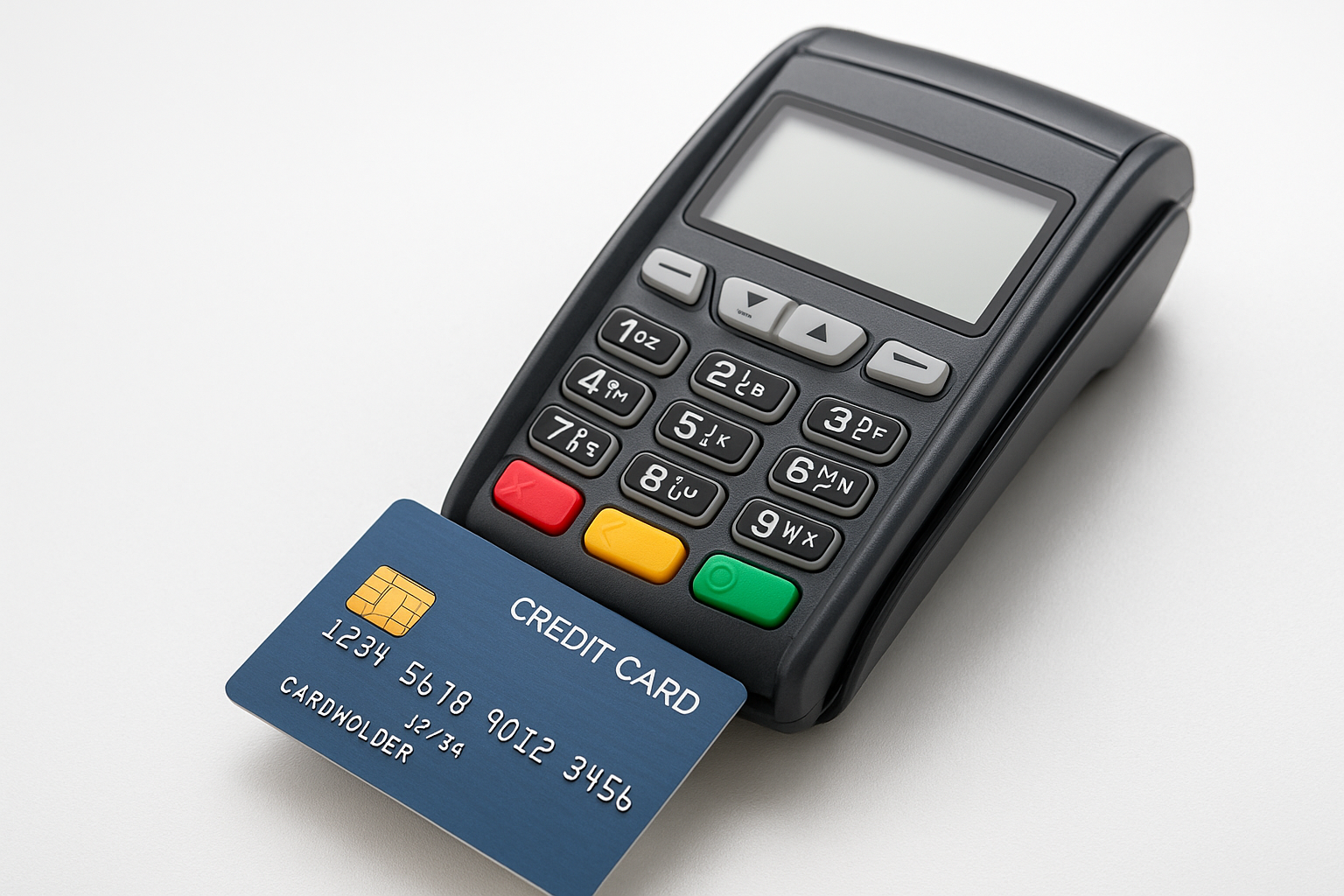
EMV credit card processing is the technology that enables chip-card payments at the point of sale. If you’ve ever inserted a chip card into a payment terminal, you’ve already used EMV. It’s now a standard part of modern payments, helping businesses reduce fraud, improve security, and support customer trust.
For merchants, understanding EMV is more than a technical detail. It affects how transactions are approved, how fraud liability is handled, and what equipment your business needs to accept payments securely. In this guide, we’ll break down what EMV is, how it works, its benefits, and what it means for your business.
What Is EMV?
EMV stands for Europay, Mastercard, and Visa, the three companies that originally developed the standard. Today, EMV refers to the global chip-card technology used for debit and credit card payments. Unlike magnetic stripe cards, which store static data that can be copied, EMV cards contain a microchip that creates unique transaction data each time the card is used.
This dynamic data makes EMV transactions much harder to counterfeit. Even if a criminal intercepts one transaction, they cannot reuse that information to create a working clone of the card. That is one of the main reasons EMV has become the preferred method for card-present payments around the world.
How EMV Credit Card Processing Works
EMV transactions involve communication between the card, the terminal, and the payment processor. When a customer inserts, taps, or sometimes swipes an EMV-enabled card, the chip or contactless component generates a unique cryptogram for that payment. The terminal sends this data to the processor, which forwards it to the card network and issuing bank for verification.
The bank checks whether the transaction is authentic, whether the account is in good standing, and whether the transaction should be approved. Because each EMV transaction uses one-time data, it is far more secure than relying on a magnetic stripe alone.
There are two common EMV methods at checkout:
- Chip insert: The card stays in the terminal while the transaction is authenticated.
- Contactless tap: The card or mobile wallet communicates via NFC for a fast, secure payment.
Both methods are designed to make in-person payments safer and more convenient for customers.
Why EMV Matters for Businesses
EMV matters because it directly affects fraud risk and financial liability. Before EMV adoption, merchants were often more exposed to counterfeit card fraud at the register. With EMV, liability for certain types of fraudulent transactions may shift to the party using the less secure technology.
For example, if a business accepts a fraudulent chip card transaction using outdated equipment that cannot process EMV, the business may be responsible for the loss. On the other hand, using EMV-compliant payment hardware can help reduce that exposure.
Beyond liability, EMV also helps businesses build trust with customers. Shoppers increasingly expect secure payment options, and seeing a chip reader or tap-to-pay option signals that a business takes payment security seriously.
Benefits of EMV Credit Card Processing
EMV offers several important advantages for businesses of all sizes.
Enhanced security
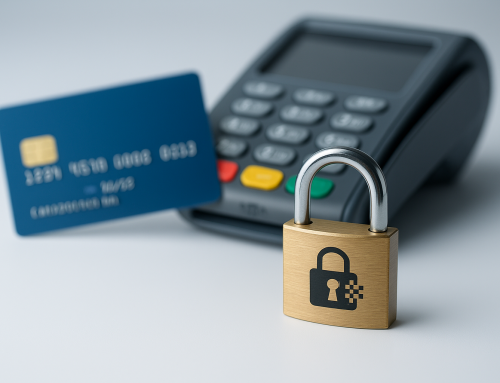
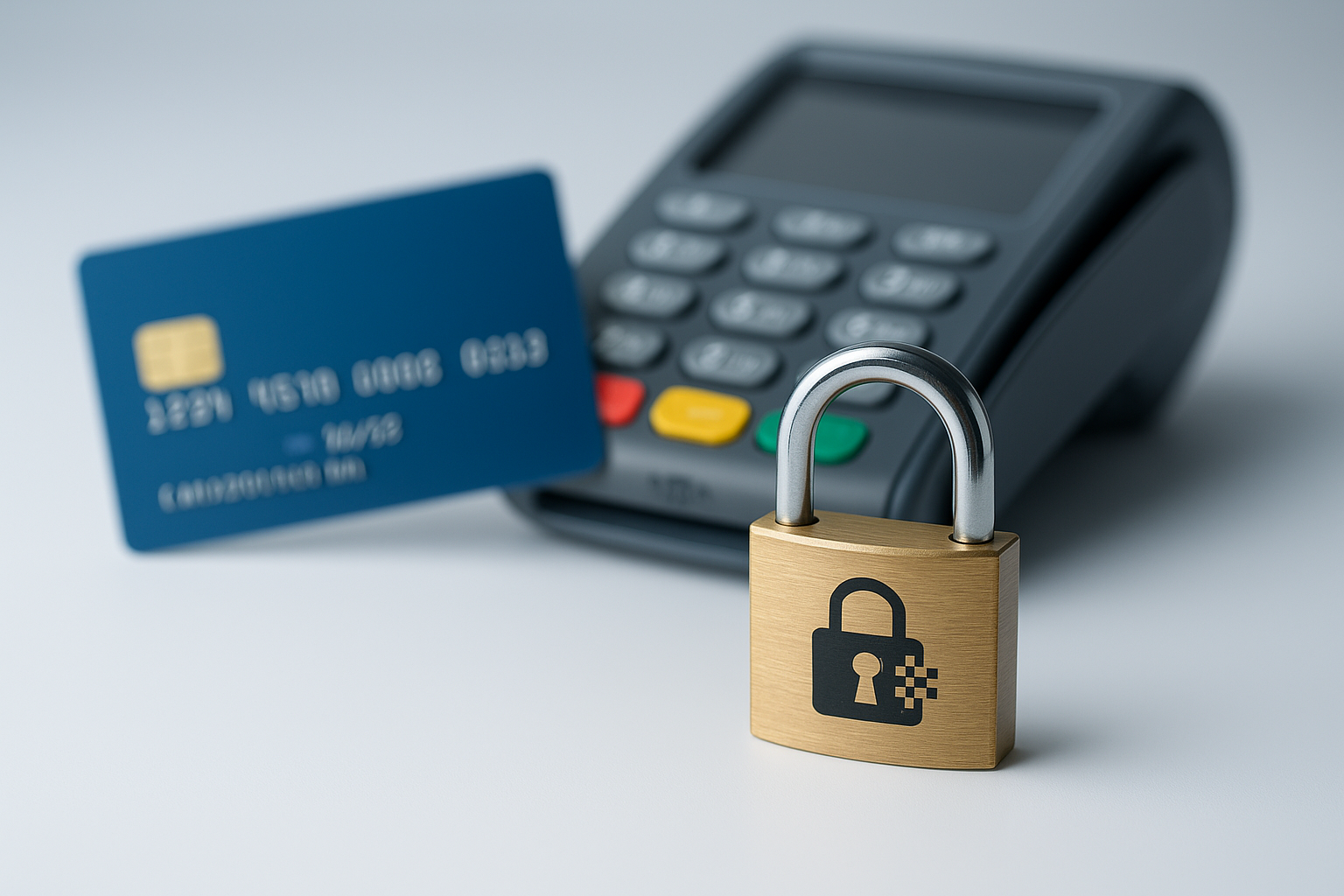
The biggest benefit of EMV is fraud protection. Because each transaction creates unique encrypted data, stolen card information is much less useful to criminals. This helps reduce counterfeit card fraud at the point of sale.
Reduced liability risk
Using EMV-compliant equipment can limit your exposure to certain fraud chargebacks. While no payment method eliminates fraud entirely, EMV helps protect merchants from some of the most common card-present threats.
Better customer experience
EMV chip and contactless payments are familiar and widely accepted. Customers appreciate quick, secure checkout experiences, and contactless methods can help speed up lines during busy periods.
Compatibility with mobile wallets
EMV technology also supports digital wallets like Apple Pay, Google Pay, and other tap-to-pay solutions. This gives customers more ways to pay and can make checkout smoother overall.
EMV vs. Magnetic Stripe Cards
Magnetic stripe cards store payment information in a static format. That data can be copied and used to create counterfeit cards, which is why magstripe transactions are considered less secure. EMV cards, by contrast, use a chip that creates dynamic transaction data, making duplication much more difficult.
In practical terms, a swiped magnetic stripe transaction can be more vulnerable to fraud, while an inserted chip card or tapped contactless card offers a stronger layer of protection. Many payment systems still support swipes as a fallback, but EMV is the preferred standard for secure in-person payments.
EMV and Fraud Prevention
EMV is one of the most effective tools for preventing counterfeit card fraud, but it is not a complete fraud solution. Criminals may still use stolen card numbers for online purchases, attempt social engineering, or exploit weak business practices in other parts of the payment flow.
That’s why EMV should be part of a broader payment security strategy. Businesses should also use point-to-point encryption, tokenization, PCI-compliant systems, and strong staff training to reduce risks across all channels.
Still, EMV significantly raises the bar for in-person fraud. For merchants that process a high volume of card-present transactions, it remains an essential security upgrade.
How to Accept EMV Payments
To accept EMV payments, businesses need payment hardware and software that support chip card processing. This usually includes an EMV-enabled terminal or card reader and a payment processor that can handle chip transactions.
When evaluating your setup, consider the following:
- Terminal compatibility: Make sure your card reader supports chip insert and, ideally, contactless payments.
- Processor support: Confirm your payment processor fully supports EMV transactions.
- Software integration: Your POS system should work seamlessly with EMV hardware.
- Staff training: Employees should know how to guide customers through chip and tap transactions.
If your business still relies on older magnetic stripe terminals, upgrading is worth serious consideration. Modern EMV equipment can improve security, speed, and payment flexibility at the same time.
Common EMV Challenges
Although EMV offers clear benefits, businesses sometimes face a few challenges during implementation. Chip transactions can take slightly longer than swipes, especially if customers are unfamiliar with the process. Older systems may also require hardware updates or software changes to support EMV properly.
Another common issue is customer confusion. Some shoppers may not know whether to insert, tap, or swipe, which can slow checkout. Simple signage and employee guidance usually solve this problem quickly.
Finally, merchants should remember that EMV does not eliminate every type of fraud. It reduces counterfeit card fraud, but other threats still require attention. A layered security approach remains the best strategy.
The Future of EMV Payments
EMV continues to evolve as payment technology advances. Contactless EMV payments are becoming more popular because they are fast, secure, and convenient. Mobile wallets and wearable payment devices also rely on EMV standards, which means the technology will remain central to in-person payments for years to come.
As consumer preferences shift toward tap-to-pay and digital payment methods, businesses that invest in EMV-ready infrastructure will be better positioned to adapt. The future of payments is not just chip cards; it is a broader ecosystem built on secure, flexible EMV technology.
Conclusion
EMV credit card processing has become a critical part of secure payment acceptance. By using chip-based technology, businesses can reduce counterfeit fraud, improve customer trust, and support modern payment methods like contactless and mobile wallet transactions.
If your business hasn’t fully upgraded to EMV yet, now is the time to review your payment setup and make sure you’re ready for the way customers pay today.