Introduction
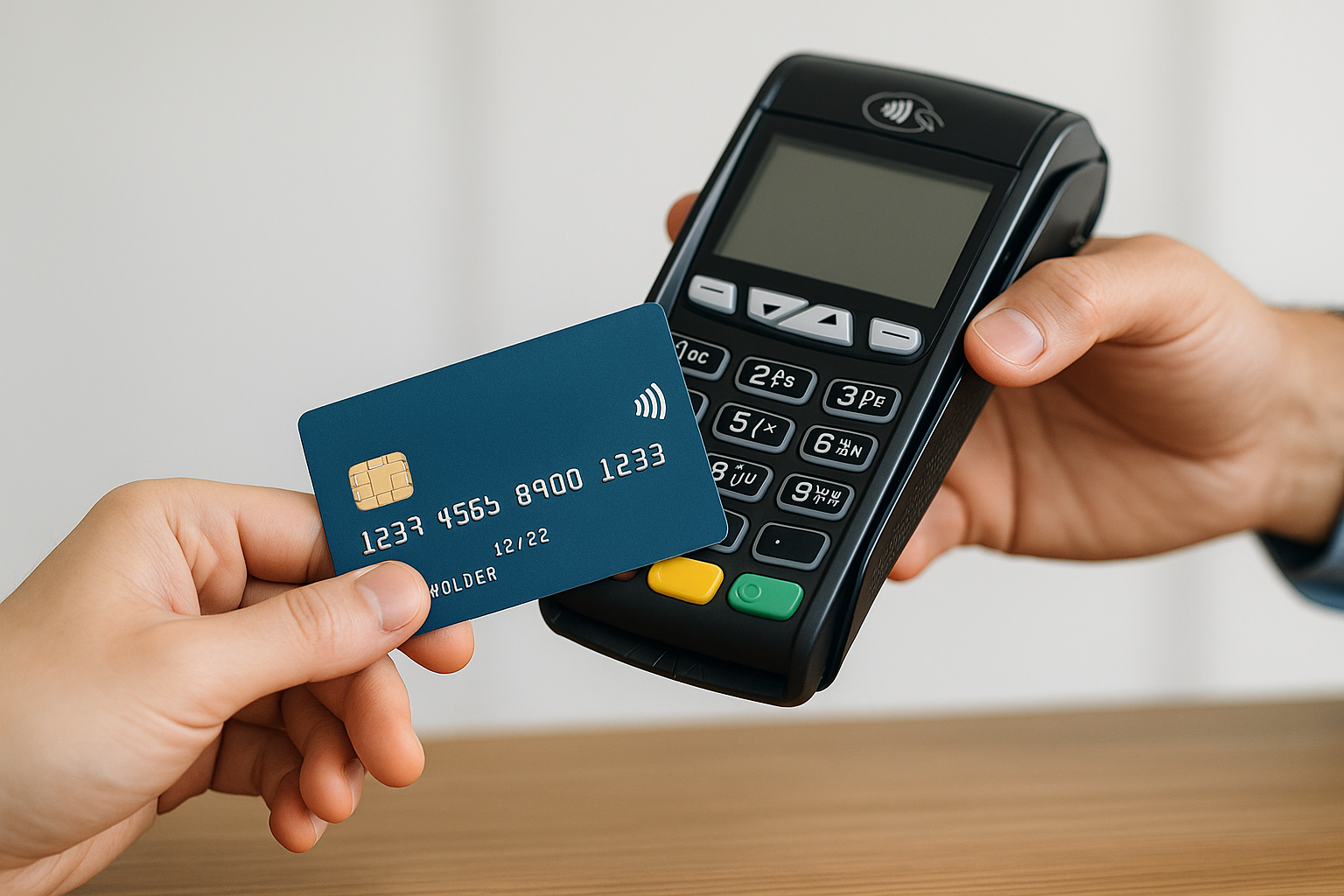
Contactless payments have changed the way people shop, travel, and manage everyday purchases. Instead of swiping a card, inserting a chip, or handing cash to a cashier, customers can simply tap a card, phone, or wearable to complete a transaction in seconds. This simple shift has made payments faster, more convenient, and often more secure.
As more consumers expect quick and frictionless checkout experiences, contactless payments have moved from a nice-to-have feature to a mainstream payment method. Businesses of all sizes are adopting tap-to-pay options to reduce wait times, improve customer satisfaction, and keep up with modern shopping habits.
What Are Contactless Payments?
Contactless payments are transactions that use short-range wireless technology to exchange payment information between a card or device and a payment terminal. The most common method is tapping a contactless card, smartphone, or smartwatch near a compatible reader.
These payments typically use either NFC (near-field communication) or RFID-based technology. The card or device sends encrypted payment data to the terminal, which then communicates with the payment processor and card network to approve the transaction. Because the exchange happens within inches and takes only a moment, contactless checkout is both fast and user-friendly.
Common Contactless Payment Methods
- Contactless debit and credit cards with the tap symbol
- Mobile wallets such as Apple Pay, Google Pay, and Samsung Wallet
- Wearables like smartwatches and fitness devices with payment features
- Transit cards and access cards that support tap functionality
How Contactless Payments Work
The process behind contactless payments is simple for the customer but sophisticated behind the scenes. When a person taps a card or device on the reader, the terminal sends a request to the payment network. The card issuer then verifies the transaction and approves or declines it based on available funds, card status, and security checks.
Many contactless transactions use tokenization, which replaces sensitive card details with a unique digital token. Even if the payment data were intercepted, the token would be useless to fraudsters outside that specific transaction. This added layer of protection is one reason contactless payments have become so widely trusted.
Most contactless purchases are also designed for speed. Depending on the terminal and payment system, the transaction can be completed in just a few seconds. That efficiency is especially valuable in busy environments like grocery stores, coffee shops, public transit, and quick-service restaurants.
Benefits of Contactless Payments
1. Faster Checkout
One of the biggest advantages of contactless payments is speed. Customers no longer need to insert a chip card and wait for processing. A simple tap can reduce lines and make the checkout experience smoother for everyone.
2. Greater Convenience
People increasingly carry their phones everywhere, and many prefer not to bring cash or even a physical wallet. Contactless payments make it easy to pay with a device that is already in hand or pocket, which adds convenience to everyday spending.
3. Improved Hygiene
Tap-to-pay became especially popular during the COVID-19 pandemic because it reduced physical contact with shared surfaces. While hygiene is no longer the only reason people use it, many shoppers still appreciate the lower-touch experience.
4. Strong Security Features
Contactless payments are often more secure than older payment methods because they use encryption, tokenization, and dynamic transaction codes. Card numbers are not typically transmitted in plain text, and mobile wallets often require biometric authentication such as Face ID, fingerprint recognition, or a device passcode.
5. Better Customer Experience
For businesses, offering contactless payment options can improve satisfaction and increase the likelihood of repeat visits. A smooth checkout process helps customers move quickly through the line, which can create a more positive impression of the brand.
Where Contactless Payments Are Used
Contactless payments are now common in many industries and settings. Retail stores, restaurants, coffee shops, ride-sharing services, grocery chains, and public transit systems all frequently support tap-to-pay transactions. In many regions, contactless payment adoption has grown so much that shoppers now expect it as a standard option.
Businesses also benefit from contactless payments in environments where speed matters most. For example, stadiums, airports, festivals, and convenience stores often see strong value in reducing transaction time and keeping customer flow moving.
Are Contactless Payments Safe?
Yes, contactless payments are generally considered very safe when used properly. In fact, they often provide better security than traditional magnetic stripe cards. Each transaction is protected by secure communication protocols and unique codes, which makes it harder for criminals to steal usable payment information.
Mobile wallets add another layer of protection because they usually require device authentication before payment can be made. Even if a phone is lost or stolen, the thief would still need to unlock the device and potentially bypass additional security features.
That said, no payment method is completely risk-free. Consumers should still monitor account activity, use strong passwords, keep devices updated, and report suspicious transactions quickly. Businesses should also use secure terminals and stay compliant with payment industry standards.
How Businesses Can Accept Contactless Payments
For businesses, accepting contactless payments usually starts with upgrading to a compatible payment terminal or point-of-sale system. Many modern card readers already support tap-to-pay, but older equipment may need to be replaced or updated.
Beyond hardware, businesses should train staff on how contactless payments work and how to assist customers who may be unfamiliar with tapping cards or devices. Clear signage at the register can also help signal that contactless options are available.
Other best practices include:
- Keeping payment terminals updated with the latest software
- Displaying accepted payment methods clearly
- Testing terminals regularly to avoid checkout issues
- Using secure payment processors and PCI-compliant systems
When implemented well, contactless payments can reduce friction at checkout and help businesses keep pace with changing customer expectations.
The Future of Contactless Payments
Contactless payments are likely to keep growing as consumers demand faster and more seamless ways to pay. As digital wallets become more common and more merchants upgrade their systems, tapping to pay may become the default for many everyday transactions.
Innovation will likely continue beyond cards and phones. Wearables, biometric payments, and even new forms of embedded payment technology could make checkout experiences even more effortless. In addition, contactless systems may expand further into transportation, hospitality, healthcare, and self-service retail.
Another important trend is the growing connection between payments and customer data. Businesses are using modern payment systems not only to process transactions but also to gain insight into shopping behavior, improve loyalty programs, and personalize customer experiences.
Conclusion
Contactless payments have become a major part of modern commerce because they are fast, secure, and convenient for both customers and businesses. As technology continues to evolve, tap-to-pay will likely play an even bigger role in how people shop and move through daily life. For businesses that want to stay competitive, adopting contactless payments is no longer optional—it is increasingly essential.