What Are Omnichannel Payments?
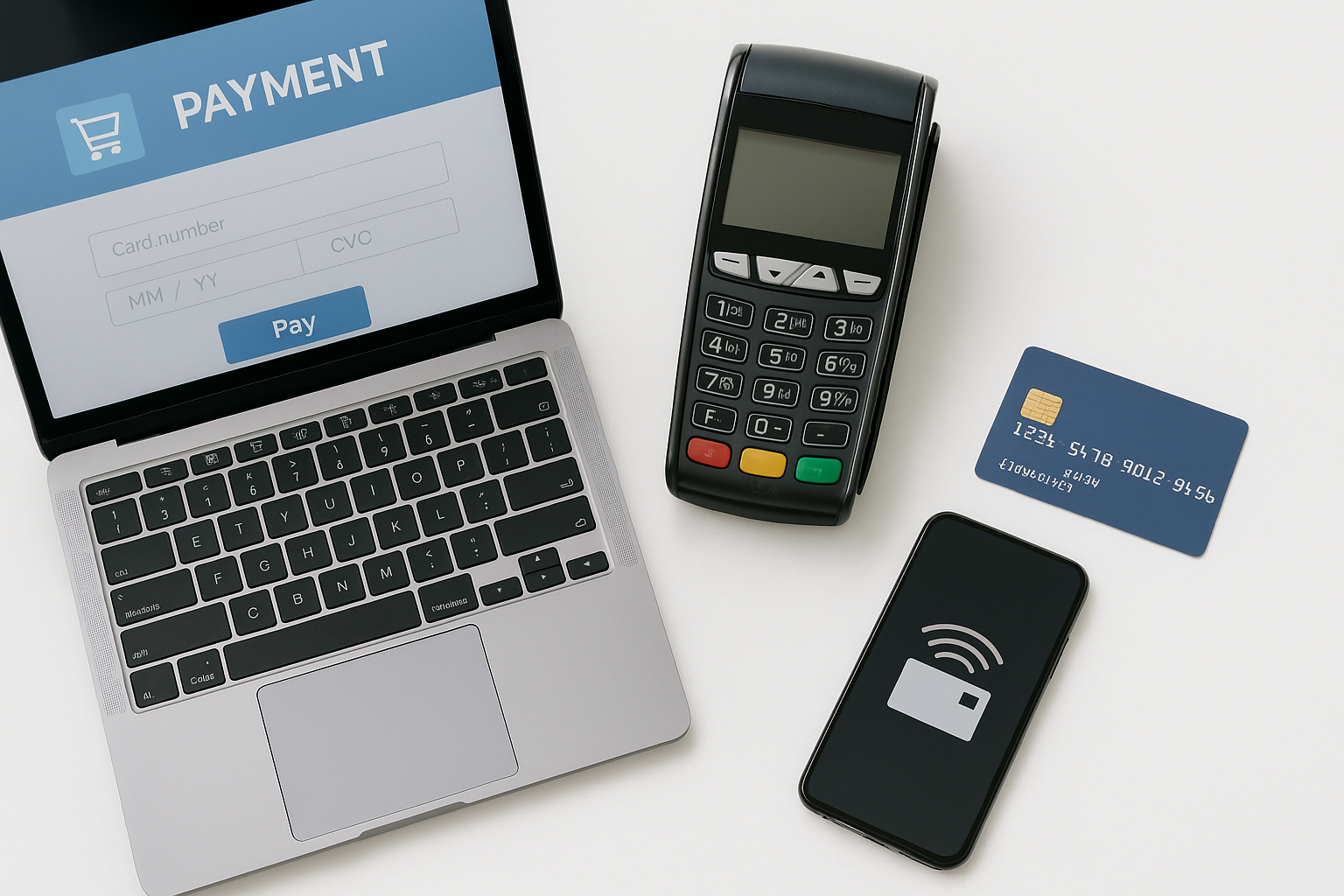
Omnichannel payments are a unified approach to accepting payments across every customer touchpoint, whether online, in-store, in-app, over the phone, or through social commerce. Instead of treating each sales channel as a separate system, omnichannel payments connect them into one consistent payment experience.
This matters because customers rarely shop in only one place anymore. They may browse on a phone, compare products on a laptop, and complete the purchase in a store. With omnichannel payments, businesses can support that journey seamlessly while keeping transaction data, customer preferences, and payment methods connected across channels.
At the core, omnichannel payments are about convenience and continuity. The customer can start a transaction in one channel and finish it in another without friction. For businesses, that means a better shopping experience, more accurate reporting, and stronger customer loyalty.
Why Omnichannel Payments Matter
Today’s customers expect speed, flexibility, and consistency. If a business offers an easy checkout online but a slow or disconnected experience at the register, the brand feels fragmented. Omnichannel payments help solve that problem by making every payment interaction feel part of the same journey.
One major advantage is improved customer experience. Shoppers can use their preferred payment method wherever they are, whether that is a credit card, mobile wallet, QR code, buy-now-pay-later option, or saved card on file. That flexibility reduces friction and lowers cart abandonment.
Another key benefit is better operational visibility. When payment data from every channel flows into one system, businesses can track sales performance more accurately, understand customer behavior, and simplify reconciliation. This is especially valuable for retailers, restaurants, hospitality brands, and service providers that operate across multiple locations or platforms.
Omnichannel payments also support loyalty and personalization. By linking purchases across channels, businesses can recognize returning customers, apply rewards consistently, and tailor offers based on actual buying patterns.
How Omnichannel Payments Work
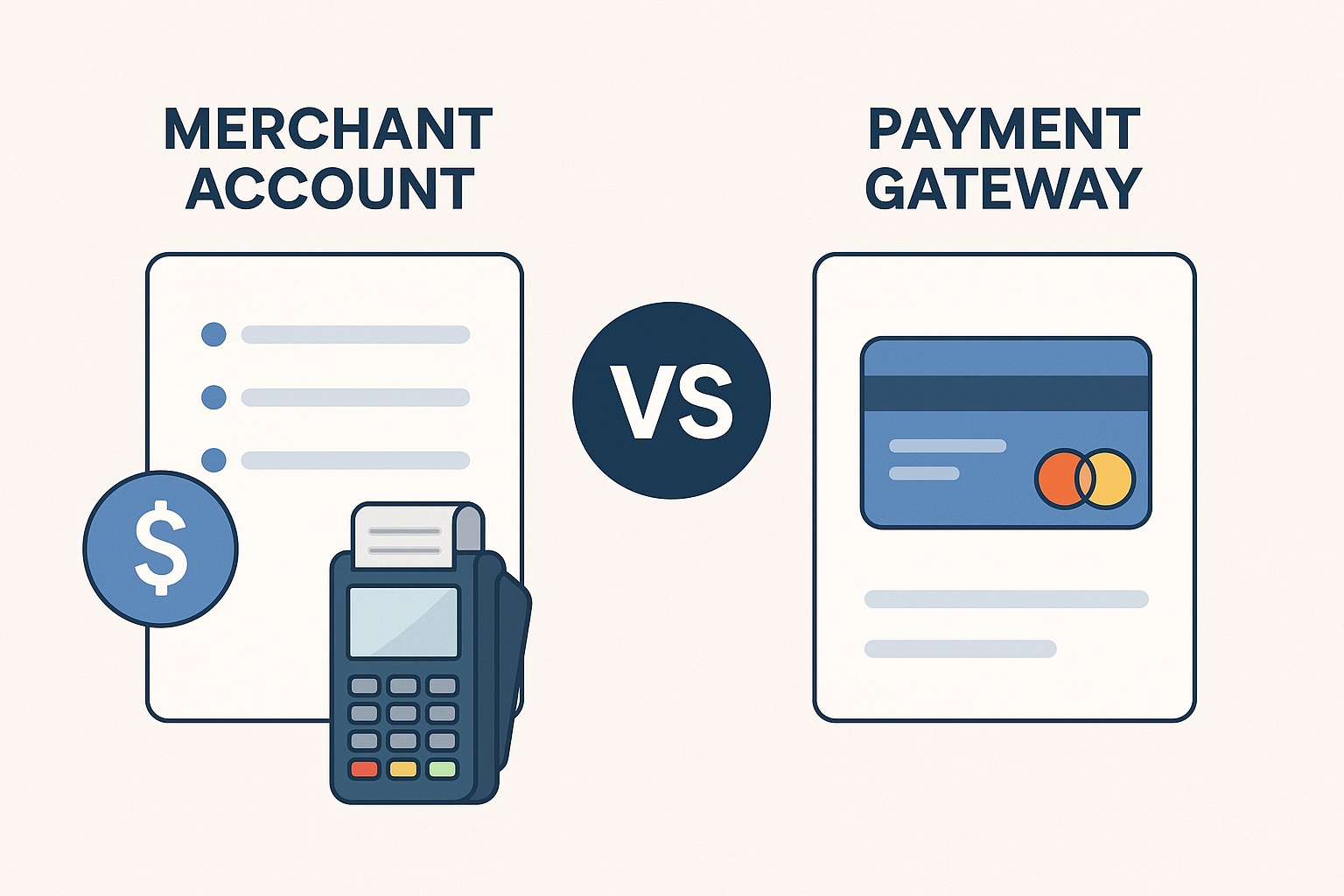
Omnichannel payment systems connect front-end sales channels with a shared payment infrastructure. That infrastructure typically includes a payment gateway, point-of-sale system, merchant account, fraud tools, and analytics dashboards. The goal is to create a centralized payment experience while keeping each channel customer-friendly.
For example, a customer might reserve an item online and pay in-store. Or they may start a subscription on a website and later update their payment details through a mobile app. In each case, the payment data is synchronized so the business can see one customer profile and one purchase history across all channels.
Behind the scenes, omnichannel payment technology often relies on cloud-based platforms and APIs. These tools allow different systems to communicate in real time. The result is smoother payment acceptance, easier updates, and more reliable data across the organization.
Key Components
- Payment gateway: Securely routes payment information between the customer, business, and processor.
- POS integration: Connects in-store and digital sales data into one environment.
- Customer data management: Keeps customer profiles, payment preferences, and transaction history aligned.
- Fraud prevention tools: Helps protect transactions across all channels.
- Reporting and analytics: Provides a complete view of revenue and customer behavior.
Benefits of Omnichannel Payments
Businesses adopt omnichannel payments for one simple reason: they create a better experience for both customers and teams. The benefits go beyond convenience and can directly support growth.
1. Higher Conversion Rates
When customers can pay however and wherever they prefer, they are less likely to abandon a purchase. Reduced checkout friction often leads to higher conversion rates across digital and physical channels.
2. Stronger Customer Loyalty
Consistency builds trust. A customer who receives the same smooth experience online and in-store is more likely to return. Omnichannel payments also make it easier to apply loyalty rewards, gift cards, and promotions consistently.
3. Better Data and Insights
Unified payment data gives businesses a clearer picture of the customer journey. You can see which channels drive sales, which payment methods are most popular, and where customers tend to drop off.
4. Easier Reconciliation
Instead of reconciling transactions from multiple disconnected systems, finance teams can work from one integrated data set. That reduces errors, saves time, and improves accounting accuracy.
5. More Flexible Customer Experiences
Omnichannel payments support modern buying behaviors such as buy online, pick up in store; reserve online and pay later; or start a transaction on one device and complete it on another. This flexibility is increasingly essential in competitive markets.
Challenges Businesses Face
While omnichannel payments offer major advantages, implementation can be complex. One challenge is integrating legacy systems. Many businesses still use separate tools for eCommerce, in-store payments, invoicing, and customer management, which can make unification difficult.
Another challenge is security and compliance. As payment data moves across multiple channels, businesses must maintain strong encryption, tokenization, and fraud controls while meeting PCI DSS and other regulatory requirements.
There is also the issue of maintaining a consistent experience across channels. Even if the technology is connected, customers can still face friction if payment methods, policies, or branding feel different in each environment.
Finally, businesses need internal alignment. Payments affect sales, operations, IT, finance, and customer service. A successful omnichannel strategy requires these teams to work together around shared goals and integrated systems.
Best Practices for Implementing Omnichannel Payments
To get the most from omnichannel payments, businesses should approach implementation strategically. The first step is to map the customer journey and identify where payments occur. This helps reveal gaps, redundancies, and opportunities for improvement.
Next, choose a payment platform that can support multiple channels from a single infrastructure. Look for systems that offer APIs, real-time reporting, flexible payment methods, and strong security features. Scalability is also important, especially for growing businesses or brands with multiple locations.
Businesses should also standardize payment policies across channels whenever possible. This includes refund rules, loyalty redemption, accepted payment methods, and customer support procedures. Consistency makes the experience easier for customers and teams alike.
Testing is critical before a full rollout. Businesses should run pilot programs, check integration points, and monitor transaction flow across devices and locations. Ongoing optimization matters too, since customer behavior and payment technology continue to evolve.
Tips for Success
- Prioritize seamless checkout experiences on every channel.
- Use real-time data to improve decision-making.
- Train staff on both in-store and digital payment workflows.
- Offer the payment methods customers use most often.
- Review security controls regularly and update them as needed.
The Future of Omnichannel Payments
The future of payments is increasingly connected, intelligent, and customer-driven. As digital and physical commerce continue to blend, omnichannel payments will become the standard rather than the exception.
We are already seeing growth in mobile wallets, tap-to-pay, account-to-account transfers, embedded finance, and personalized checkout experiences. Artificial intelligence and advanced analytics are also helping businesses detect fraud, predict customer preferences, and optimize payment flows in real time.
For businesses, the message is clear: payment experiences are now part of the brand experience. Companies that invest in omnichannel payments will be better positioned to meet customer expectations, improve efficiency, and stay competitive in a fast-changing market.
Conclusion
Omnichannel payments bring every sales channel together into one seamless system, making it easier for customers to buy and for businesses to operate efficiently. By reducing friction, improving visibility, and supporting flexible shopping journeys, they play a vital role in modern commerce. Businesses that embrace this approach can create stronger customer relationships and build a more resilient payment strategy for the future.