EMV Credit Card Processing: What It Is, How It Works, and Why It Matters
EMV credit card processing has become the standard for in-person payments around the world. If you’ve ever paid with a chip card at a store, restaurant, or service counter, you’ve used EMV technology. For merchants, understanding EMV is important not just for accepting payments, but also for reducing fraud, improving customer trust, and staying aligned with current payment security standards.
In this guide, we’ll explain what EMV is, how EMV credit card processing works, why it’s more secure than traditional magnetic stripe payments, and what businesses should consider when setting up EMV-capable payment systems.
What Is EMV?
EMV stands for Europay, Mastercard, and Visa, the three companies that originally helped create the standard. Today, EMV refers to the global chip-card standard used for credit and debit card payments.
Unlike older magnetic stripe cards, EMV cards include a small embedded chip. That chip creates a unique transaction code each time the card is used, which makes it much harder for criminals to copy and reuse card data.
EMV technology is designed to improve payment security at physical point-of-sale terminals. It is widely used across retail stores, hotels, restaurants, healthcare offices, and other businesses that accept card-present payments.
How EMV Credit Card Processing Works
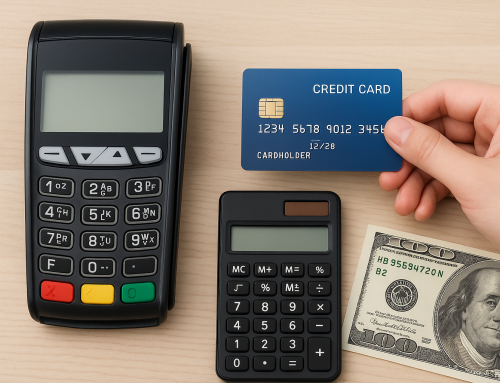
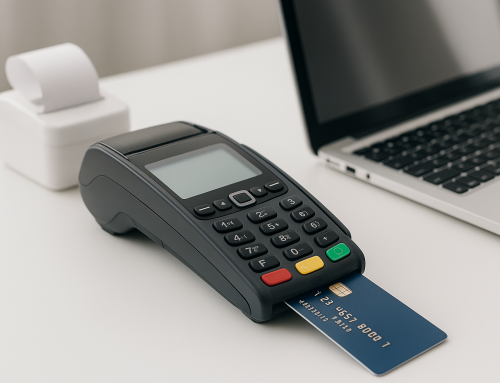
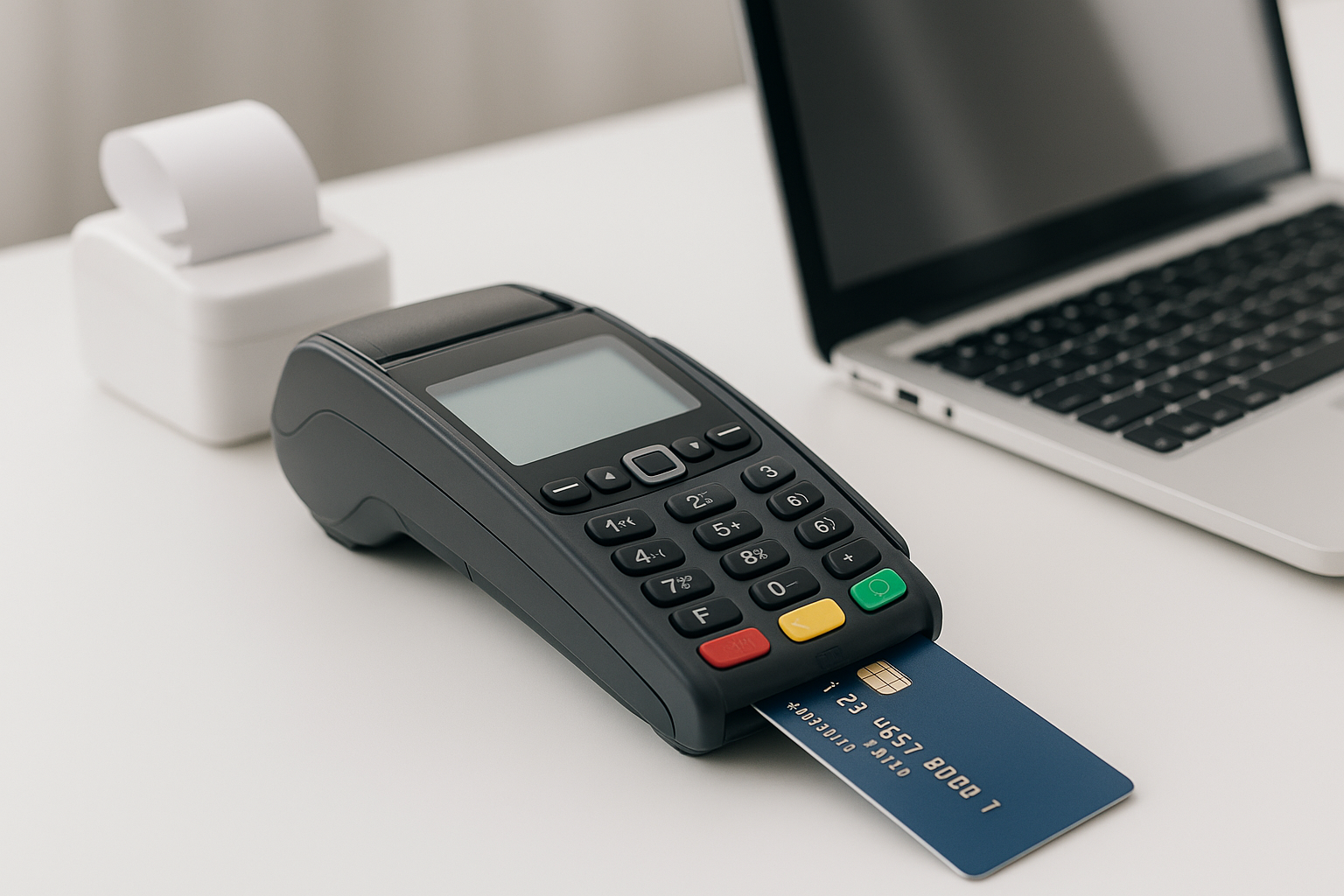
EMV credit card processing begins when a customer inserts, taps, or in some cases swipes a card at a payment terminal. The chip then communicates with the terminal and payment network to validate the transaction.
Here’s a simplified breakdown of the process:
1. Card insertion or tap
The customer inserts the chip card into the terminal or taps a contactless EMV-enabled card or mobile wallet.
2. Data exchange
The chip generates a one-time transaction code and sends payment data to the terminal. This code is unique to that transaction, which helps protect the cardholder’s information.
3. Authorization request
The terminal sends the transaction to the payment processor, which routes it through the card network and to the issuing bank for approval.
4. Fraud checks and approval
The issuer verifies the transaction using factors such as account status, available funds, and chip-generated authentication data. If everything checks out, the payment is approved.
5. Settlement
At the end of the business day, approved transactions are batched and settled into the merchant’s account.
Because the chip creates dynamic authentication data, EMV transactions are significantly harder to counterfeit than magnetic stripe transactions.
Why EMV Is More Secure Than Magnetic Stripe Cards
Magnetic stripe cards store static data. That means if a criminal skims card information once, they can potentially duplicate it and use it later. EMV cards are different because they generate a new code for each purchase.
This makes EMV more secure in several ways:
- Dynamic authentication: Each transaction uses a unique code that cannot be reused.
- Reduced card cloning: Chip data is much harder to copy than magnetic stripe data.
- Better protection against fraud: Even if card numbers are stolen, the chip transaction itself is far more difficult to counterfeit.
While EMV does not eliminate fraud entirely, it significantly lowers the risk of in-person card-present fraud compared to stripe-only payments.
Benefits of EMV Credit Card Processing for Businesses
Businesses of all sizes can benefit from adopting EMV-enabled payment systems. Some of the biggest advantages include:
Lower fraud risk
EMV technology helps reduce counterfeit card fraud, which can save merchants money and protect customers.
Greater customer confidence
Customers often feel more secure when they see a modern chip reader at checkout. That sense of trust can improve the overall payment experience.
Broader payment acceptance
EMV terminals often support chip cards, contactless cards, and mobile wallets such as Apple Pay and Google Pay, giving customers more ways to pay.
Potential liability protection
In many cases, businesses that do not support EMV may be held responsible for certain types of fraud that occur at the point of sale. Using EMV-capable equipment can help reduce that exposure.
Improved checkout experience
Modern EMV terminals can make transactions faster and more convenient, especially when paired with tap-to-pay functionality.
EMV, Contactless Payments, and Mobile Wallets
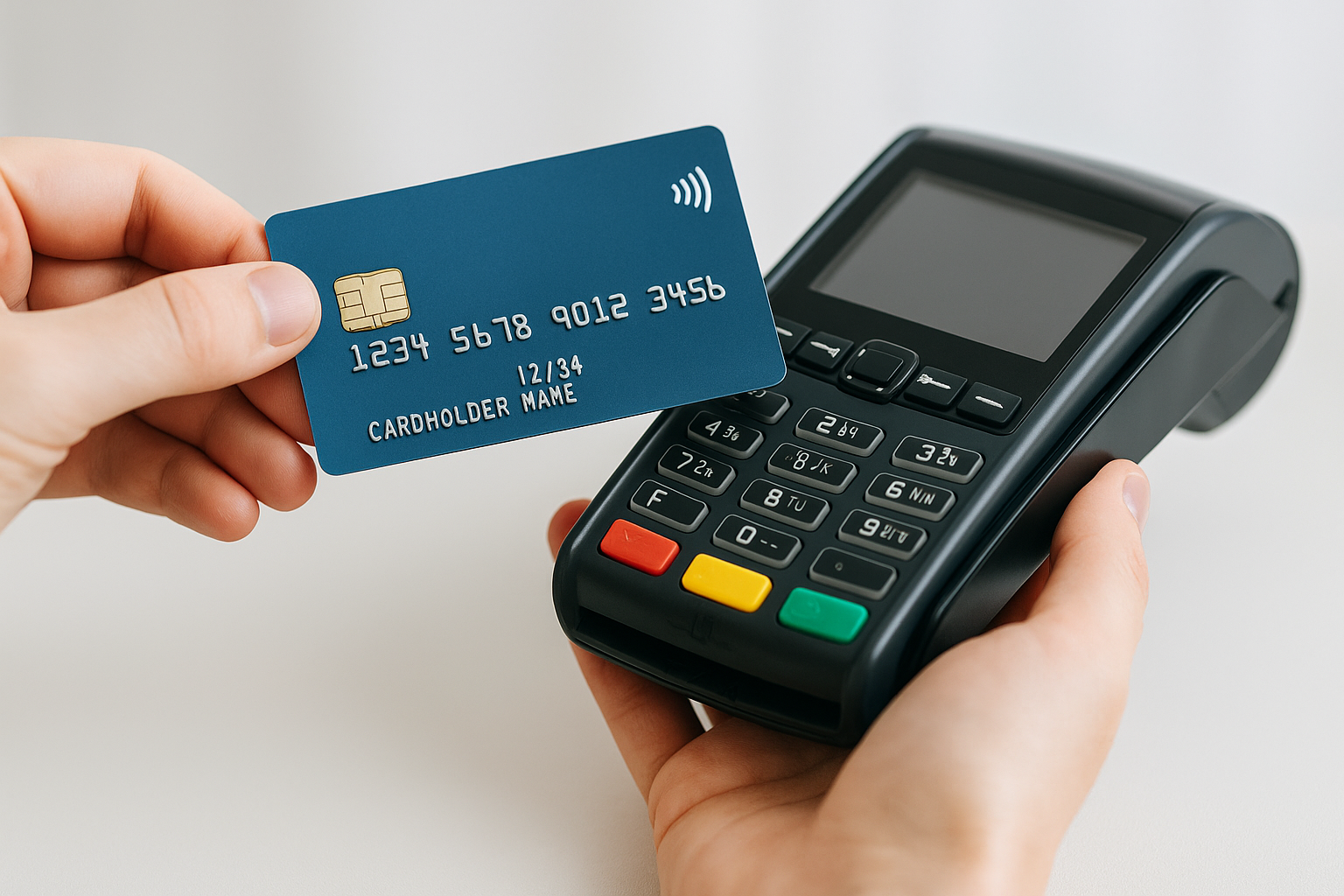
EMV is not limited to chip insertion. It also supports contactless payments, which allow customers to tap a card or smartphone near a terminal to complete a purchase.
Contactless EMV payments use the same underlying security principles as chip cards, including dynamic transaction data. This makes tap-to-pay both fast and secure. Mobile wallets also use tokenization, which replaces actual card numbers with device-specific tokens for an additional layer of protection.
For businesses, offering EMV and contactless acceptance can speed up checkout lines and meet customer expectations for convenience.
What Merchants Need to Accept EMV Payments
To process EMV transactions, a business needs the right hardware, software, and payment partner. Key requirements include:
- EMV-compliant terminal: A payment terminal or POS system that can read chip cards and support contactless transactions.
- Payment processor: A processor that can route EMV transactions correctly through the card networks.
- Updated software: POS software that supports chip transactions and security updates.
- Staff training: Employees should know how to insert cards correctly, handle declines, and follow card brand prompts.
When selecting a payment setup, merchants should confirm that all devices and software are certified for EMV processing. This helps ensure smooth transactions and reduces the chance of technical issues at checkout.
Common EMV Processing Challenges
Although EMV is a strong step forward in payment security, businesses may still face a few operational challenges:
Transaction speed concerns
Some merchants worry that chip transactions are slower than swipes. While EMV can take slightly longer than older methods, modern terminals and contactless payments often minimize the difference.
Equipment upgrades
Businesses using outdated terminals may need to replace hardware to accept chip and tap payments. This can involve upfront costs, though the security and customer experience benefits often outweigh them.
Customer unfamiliarity
Some customers may still be more comfortable with swiping cards. Clear signage and staff guidance can make the transition easier.
Chargeback and fraud misconceptions
EMV reduces counterfeit card fraud, but it does not stop all forms of fraud, such as card-not-present fraud or friendly fraud. Merchants still need strong payment security practices across all channels.
Best Practices for EMV Credit Card Processing
To get the most out of EMV processing, businesses should follow these best practices:
- Use certified EMV terminals and keep software updated.
- Train employees to process chip, tap, and fallback transactions properly.
- Encourage customers to insert or tap rather than swipe when possible.
- Regularly review fraud alerts and transaction patterns.
- Work with a payment provider that offers reliable support and security guidance.
These steps can help reduce friction at checkout while strengthening payment protection.
Conclusion
EMV credit card processing is now a foundational part of secure in-person payments. By using chip technology and dynamic transaction data, EMV helps reduce counterfeit fraud, improve trust, and support modern payment methods like tap-to-pay and mobile wallets. For merchants, adopting EMV-capable systems is a smart move for both security and customer experience.
If your business still relies on older payment technology, upgrading to EMV is one of the most important steps you can take to protect your transactions and keep pace with customer expectations.