
Merchant Processing Rates: What They Are and Why They Matter
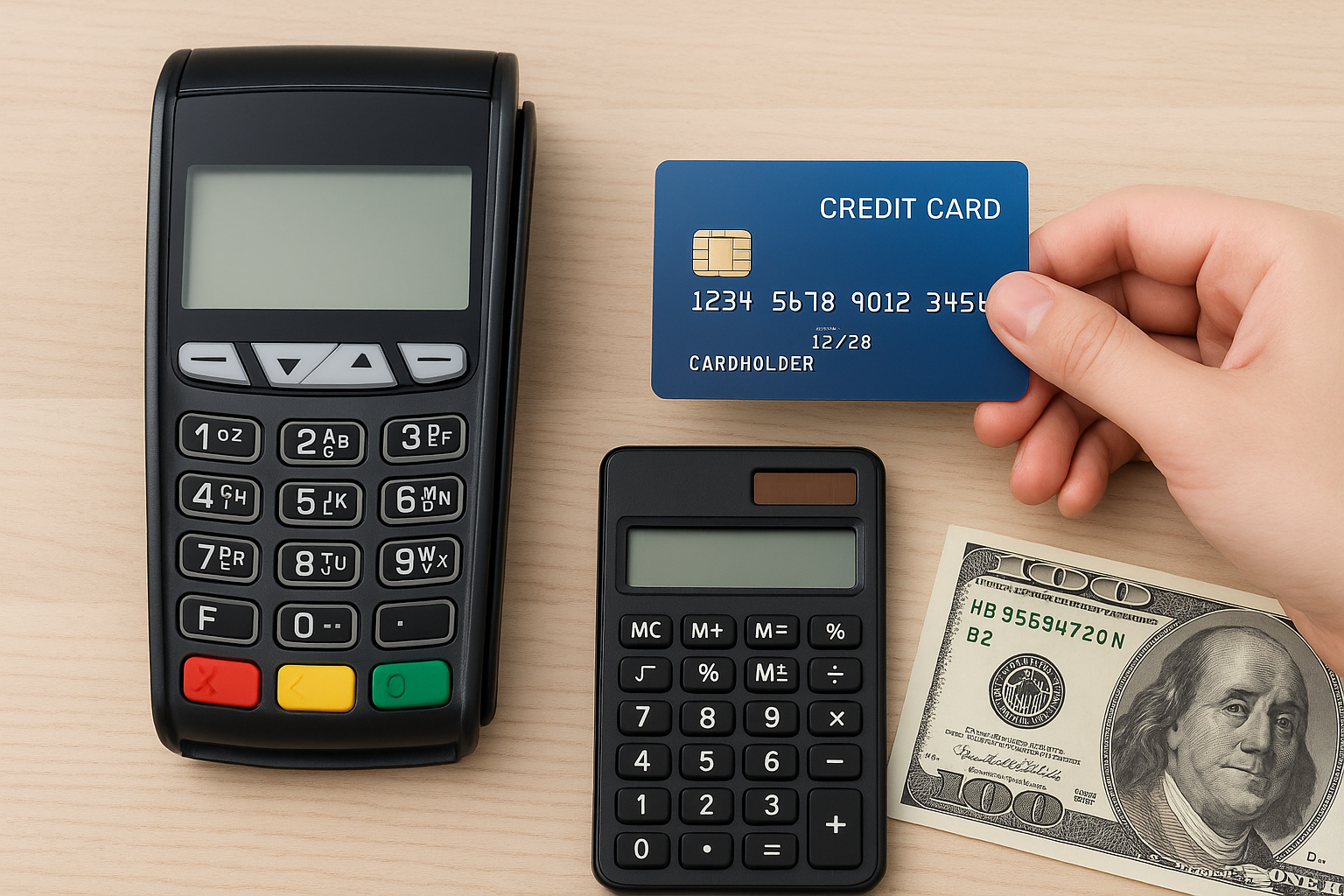
Merchant processing rates are the fees businesses pay to accept credit and debit card payments. These rates may seem small on each transaction, but over time they can have a major impact on profitability, especially for businesses with high sales volume or thin margins.
When customers expect fast, convenient payment options, card acceptance is no longer optional. That makes it essential to understand exactly what you are paying for, how rates are structured, and where you may be able to reduce costs without disrupting operations.
What Are Merchant Processing Rates?
Merchant processing rates are the costs charged by payment processors and related financial networks for handling card payments. These fees cover the security, authorization, routing, and settlement involved in moving money from the customer’s bank to your business account.
In most cases, processing rates are not a single fee. Instead, they are made up of several components, which can include:
- Interchange fees paid to the card-issuing bank
- Assessment fees charged by card networks such as Visa or Mastercard
- Processor markup added by the payment processor
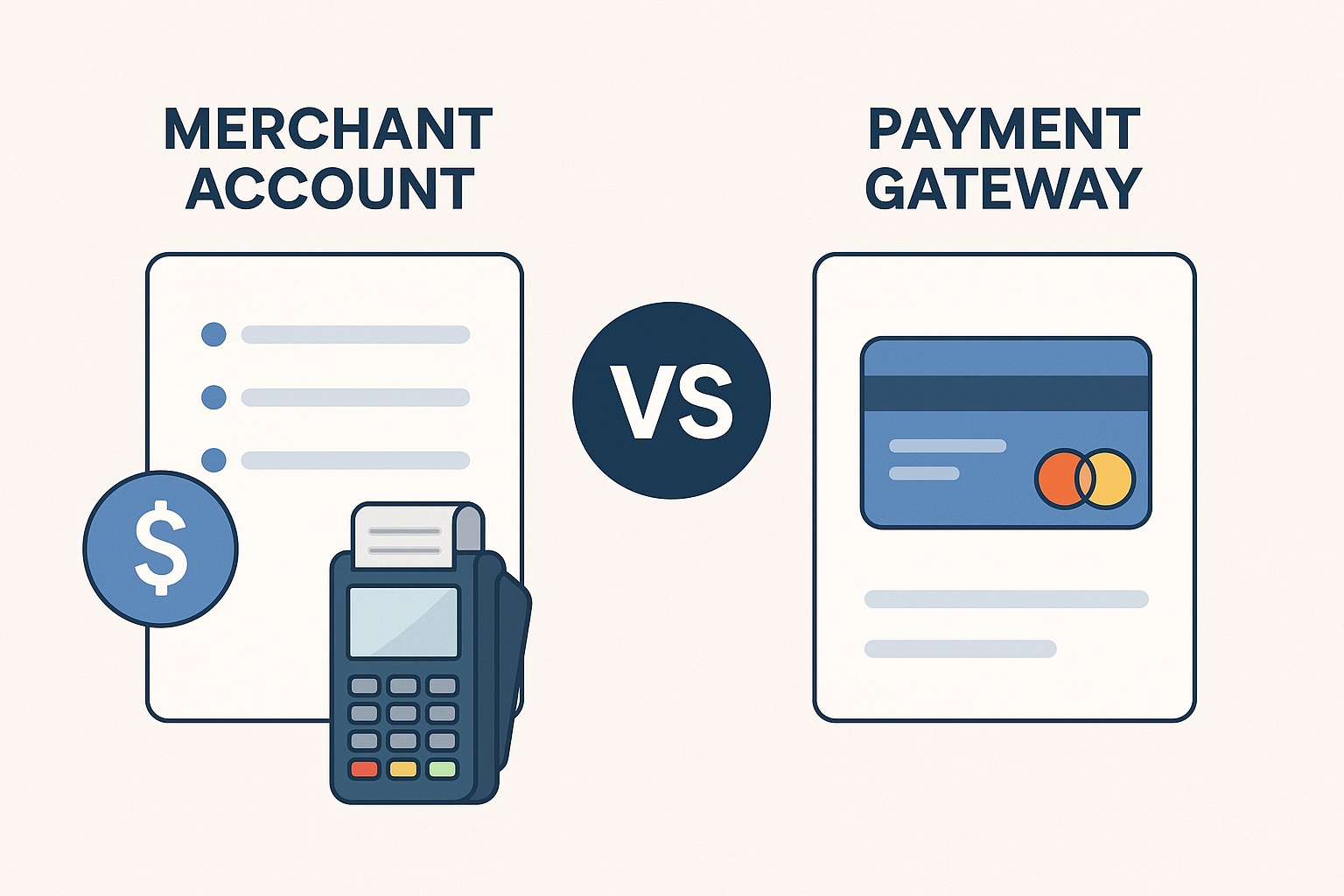
- Additional service fees for compliance, reporting, chargebacks, or gateway access
Because these charges can be bundled in different ways, two merchants using seemingly similar services may end up paying very different effective rates.
How Merchant Processing Rates Are Structured
To understand your costs, it helps to know how pricing models work. Most providers use one of the following structures.
Interchange-Plus Pricing
Interchange-plus pricing separates the card network’s base cost from the processor’s markup. For example, a transaction may be charged at interchange plus a fixed percentage and per-transaction fee. This model is often considered transparent because you can see exactly what the processor is adding.
Businesses with decent processing volume often prefer this model because it can be easier to compare providers and identify savings opportunities.
Flat-Rate Pricing
Flat-rate pricing charges the same percentage for most transactions, regardless of card type. This simplicity can be appealing for small businesses, startups, or companies with low transaction volume. However, flat rates may be higher than other models for businesses that process many debit cards or have larger average tickets.
Tiered Pricing
Tiered pricing groups transactions into categories such as qualified, mid-qualified, and non-qualified. This structure is often less transparent because different cards and transaction types may be placed into different tiers with different rates. Merchants can find it difficult to predict costs or determine why certain payments are more expensive.
Membership or Subscription Pricing
Some processors charge a monthly membership fee and then pass through interchange at near-cost. This model can be attractive to higher-volume businesses that want lower per-transaction costs and more predictable markup.
Key Factors That Affect Merchant Processing Rates
Merchant processing rates are influenced by many variables. Understanding them can help you estimate your costs more accurately and negotiate better terms.
Card Type
Debit cards typically cost less to process than premium credit cards, rewards cards, or business cards. The more expensive the card type, the higher the interchange rate is likely to be.
Transaction Method
Card-present transactions, such as those made in person with a chip reader or tap device, usually cost less than card-not-present transactions like online or keyed-in payments. That is because in-person payments are considered lower risk for fraud.
Business Risk Level
Industries considered higher risk may face higher processing rates. This can include subscription businesses, travel services, nutraceuticals, or businesses with elevated chargeback rates. Risk level affects how processors and banks evaluate the likelihood of disputes or losses.
Average Ticket Size and Volume
Larger businesses or those with higher monthly transaction volume may qualify for lower markup rates. If your business processes consistently strong volume, you may have more room to negotiate pricing.
Chargeback History
A high chargeback rate can increase costs and may even lead to account restrictions. Processors view chargebacks as a sign of elevated risk, so reducing disputes can help protect your rates over time.
Average Merchant Processing Rates: What Businesses Can Expect
There is no universal rate that applies to every business, but many small businesses pay somewhere in the range of 1.5% to 3.5% of each transaction, plus a per-transaction fee. The exact amount depends on the pricing model, card type, and sales channel.
For example, an in-person debit transaction may cost much less than a keyed-in premium rewards card transaction. Similarly, a business that accepts mostly online orders may see higher average rates than a retail store with chip-and-tap payments.
The best way to evaluate your cost is to look at your effective rate—the total processing fees divided by total card sales. This gives you a clearer picture than focusing on a single advertised percentage.
How to Lower Merchant Processing Rates
Reducing processing costs does not always mean switching providers. In many cases, small operational changes can help improve your pricing and reduce unnecessary fees.
Compare Pricing Models Carefully
Do not assume the lowest advertised rate is the best deal. Look at the full fee structure, including monthly fees, PCI fees, chargeback fees, gateway charges, and statement fees. A processor with a slightly higher markup may still be cheaper overall if it has fewer hidden costs.
Negotiate Based on Volume
If your business processes a healthy monthly volume, ask for a custom quote. Providers are often willing to lower markups for merchants with stable transaction history, stronger credit profiles, or growth potential.
Encourage Card-Present Payments When Possible
Whenever appropriate, use chip, tap, or mobile wallet payments instead of keyed-in transactions. Card-present payments generally cost less because they carry lower fraud risk.
Reduce Chargebacks and Fraud
Clear billing descriptors, responsive customer service, and fraud prevention tools can help reduce disputes. Lower chargeback activity can improve your standing with processors and reduce the risk of penalties.
Review Your Statement Regularly
Processing statements can be complex, but reviewing them monthly can help identify new fees, rate increases, or unnecessary services. If you see charges you do not understand, ask your provider for clarification.
Use the Right Equipment and Payment Tools
Outdated hardware or poorly configured software may cause more keyed transactions or failed authorizations. Modern payment tools can improve security, speed, and approval rates, which may indirectly reduce processing costs.
What to Watch for in a Merchant Processing Agreement
Before signing with a provider, read the merchant agreement carefully. Pay attention to contract length, early termination fees, statement fees, PCI compliance charges, and automatic renewal terms. A low rate may be offset by costly contract conditions.
It is also wise to ask whether the provider uses an interchange-plus, flat-rate, or tiered pricing model. Transparent pricing makes it easier to forecast expenses and compare offers.
Conclusion
Merchant processing rates are a necessary cost of doing business, but they should not be a mystery. By understanding how rates are structured, what influences them, and where savings are possible, you can make smarter decisions and protect your margins.
The key is to look beyond the headline rate and evaluate the full cost of acceptance. With the right provider and a thoughtful approach, you can keep payment processing efficient, reliable, and cost-effective.